How Hard Is Maple Wood: Proven Essential Facts
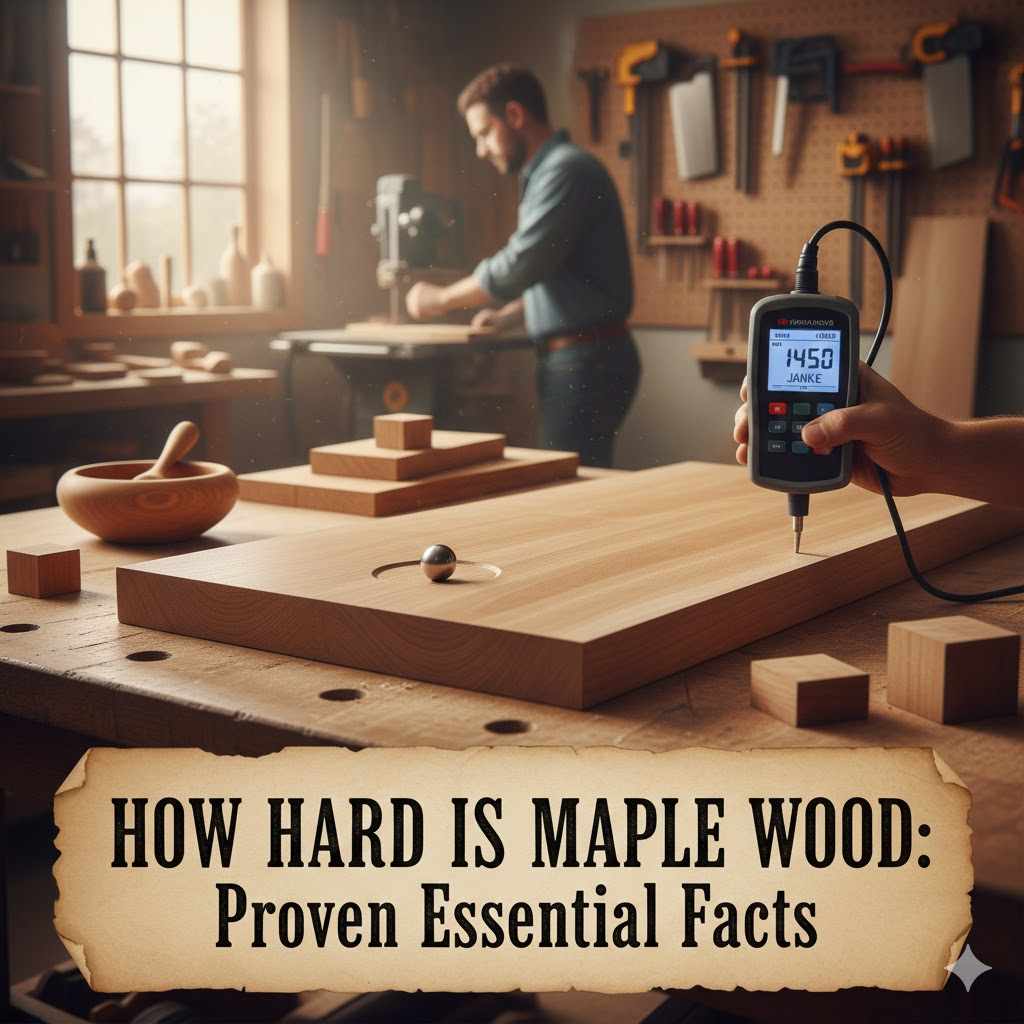
Maple wood is very hard and durable, especially Hard Maple (like Sugar Maple), which ranks 1,450 lbf on the Janka hardness scale. This makes it tougher than woods like Red Oak and Cherry. Soft Maple is softer but still a durable hardwood, suitable for many projects where extreme dent resistance isn’t required.
Hello, fellow makers! If you’ve ever walked through a lumber aisle, you’ve probably seen the bright, clean look of maple wood. It’s a popular choice for everything from kitchen cabinets to basketball courts. But a common question I hear from beginners is, “Just how hard is maple wood?” It’s a great question because a wood’s hardness affects everything—how you cut it, how it holds up, and what projects it’s best for.
It can feel a little confusing when you hear terms like “Hard Maple” and “Soft Maple.” Aren’t they both hardwoods? Yes, they are! But there’s a real difference in their strength. Don’t worry, we’re going to clear it all up today. Together, we’ll look at the simple science behind wood hardness, compare maple to other woods, and give you the confidence to choose and use maple for your next project.
What Exactly Is Wood Hardness? A Simple Guide
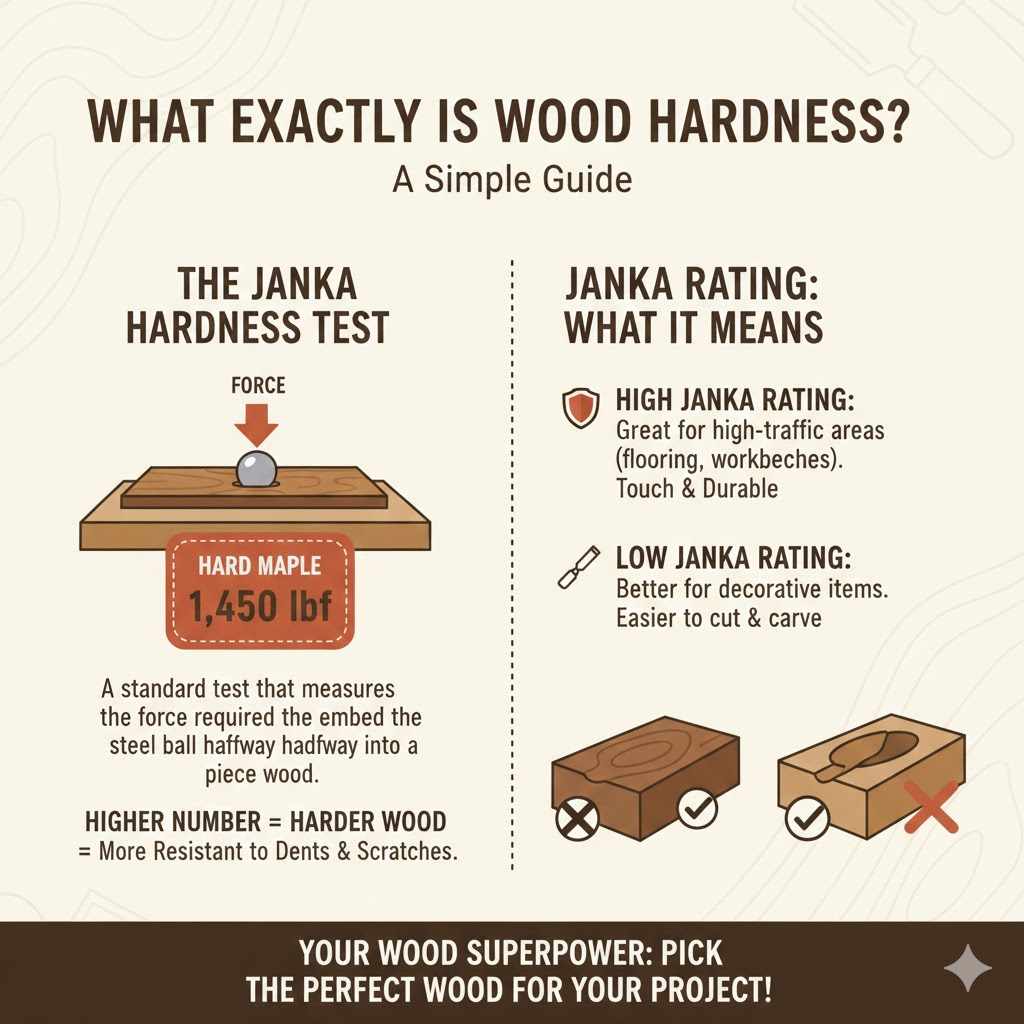
Before we can talk about maple specifically, we need to understand how wood hardness is measured. It’s not just a feeling or an opinion; there’s a standard test for it, and it’s called the Janka Hardness Test. Imagine you have a small steel ball, and you press it into a piece of wood until it’s halfway embedded. The amount of force you need to do that gives you the wood’s Janka rating.
The number you see—like 1,450 lbf (pounds-force) for Hard Maple—is that measurement. A higher number means the wood is harder and more resistant to dents and scratches. It’s that simple!
Think of it like this:
- High Janka Rating: Great for high-traffic areas like flooring or surfaces that take a beating, like a workbench top. It’s tough and durable.
- Low Janka Rating: Might be better for decorative items or projects where denting isn’t a major concern. It’s often easier to cut and carve.
Understanding the Janka scale is like having a superpower in the lumber aisle. It helps you compare different woods at a glance and pick the perfect one for your needs.
Maple on the Janka Scale: How It Stacks Up
So, where does maple fit in? The answer is a bit more interesting because there isn’t just one type of maple. There are two main categories you’ll find: Hard Maple and Soft Maple.
Let’s look at a chart to see how they compare to other common woods you might be considering. This makes it super easy to see where maple stands.
| Wood Species | Janka Hardness Rating (lbf) | Harder or Softer than Hard Maple? |
|---|---|---|
| Balsa | 100 | Much Softer |
| White Pine | 380 | Much Softer |
| Poplar | 540 | Much Softer |
| Cherry | 950 | Softer |
| Soft Maple (e.g., Red Maple) | 950 | Softer |
| Walnut | 1,010 | Softer |
| Red Oak | 1,290 | Softer |
| White Ash | 1,320 | Softer |
| White Oak | 1,360 | Slightly Softer |
| Hard Maple (Sugar Maple) | 1,450 | Baseline |
| Hickory | 1,820 | Harder |
| Brazilian Cherry (Jatoba) | 2,350 | Much Harder |
As you can see, Hard Maple is a real heavyweight! It’s harder than popular choices like oak, walnut, and cherry. This incredible durability is why it’s used for things that need to last, like bowling alley lanes and gym floors. Even Soft Maple, which has a Janka rating similar to Cherry, is still a very respectable and durable hardwood perfect for furniture and cabinetry.
A Tale of Two Maples: Understanding Hard vs. Soft Maple
The most important thing for a beginner to know about maple is the difference between “hard” and “soft” varieties. These aren’t just nicknames—they come from different species of maple trees.
What is Hard Maple?
When someone in woodworking talks about Hard Maple, they are almost always referring to Sugar Maple (Acer saccharum). Yes, this is the same tree that gives us delicious maple syrup! Its wood is dense, strong, and has a fine, uniform grain. Its color is creamy white to a light reddish-brown, and it’s known for its ability to withstand heavy use.
What is Soft Maple?
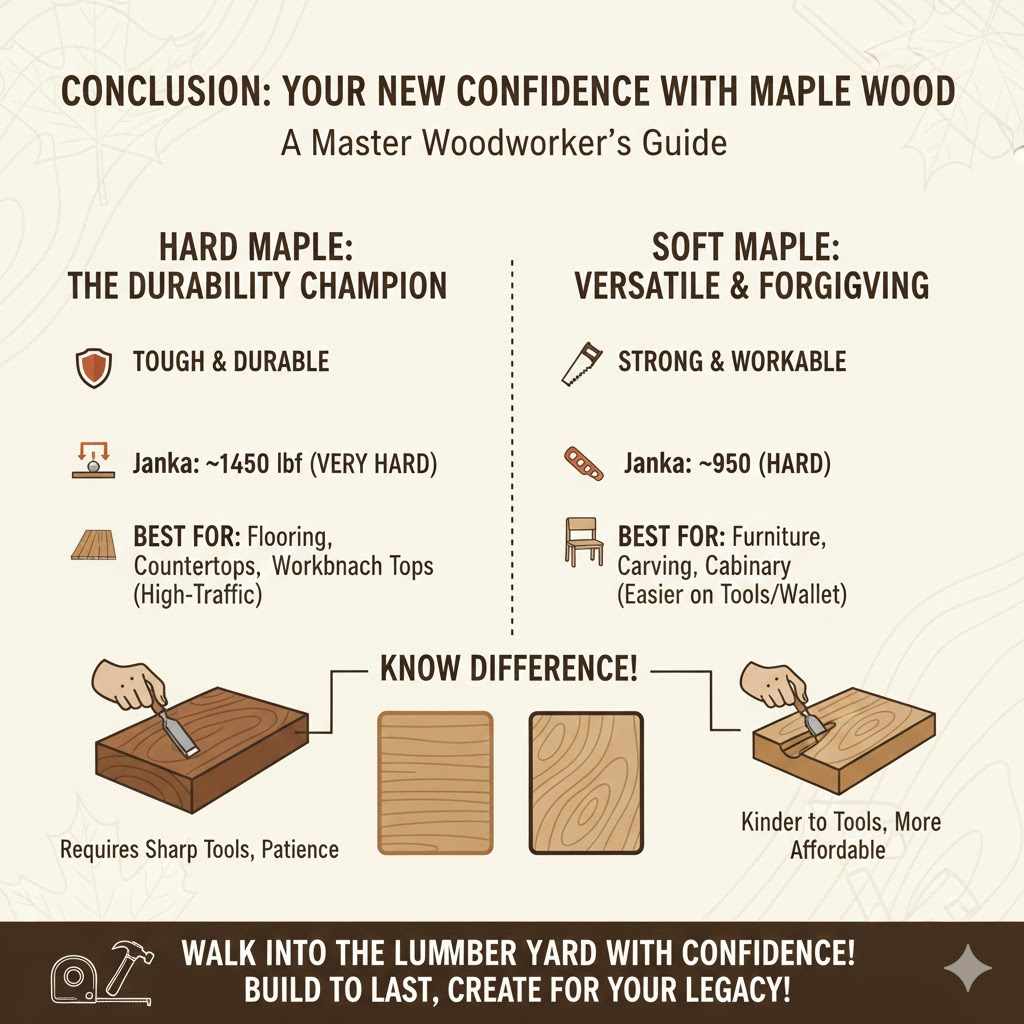
Soft Maple isn’t a single species. It’s a category that usually includes Red Maple (Acer rubrum) and Silver Maple (Acer saccharinum). Don’t let the name fool you—soft maple is still a hardwood! It’s just about 25% softer than Hard Maple. It’s more affordable, lighter in weight, and a bit easier to work with, making it a great choice for many DIY projects.
Here’s a side-by-side breakdown to help you choose:
| Feature | Hard Maple (Sugar Maple) | Soft Maple (e.g., Red Maple) |
|---|---|---|
| Janka Hardness | ~1,450 lbf | ~700 to 950 lbf |
| Best For | Flooring, cutting boards, workbenches, countertops, high-wear furniture | Furniture, cabinets, boxes, drawer sides, decorative items |
| Workability | Challenging. Can dull blades and burn during routing or cutting. Requires sharp tools. | Easier. Less likely to burn, easier on your tools. A bit more forgiving. |
| Staining | Can be blotchy if not sealed first. Best with a clear or light finish. | Also prone to blotchiness, but can mimic cherry when a dark stain is applied well. |
| Cost | More expensive | Less expensive, more budget-friendly |
| Appearance | Creamy white with a very fine, uniform texture. | Color can be more grayish or have reddish-brown streaks. Grain is less uniform. |
Why is Maple So Tough? The Science Made Simple
What gives Hard Maple its incredible strength? It all comes down to its anatomy. Think of wood grain like a bundle of straws. In a wood like Hard Maple, those straws (wood fibers) are packed together very tightly.
- Dense Growth Rings: Sugar Maple trees grow slowly. This creates narrow, dense growth rings, packing more wood fiber into a smaller space.
- Closed-Grain Structure: Maple has very small pores, which gives it a “closed-grain” structure. This creates a smooth, hard surface with a uniform texture. You can learn more about wood structure from educational resources like this guide from The Wood Database.
This tight, dense structure is what stops that steel ball in the Janka test and what will stop a dropped pan from denting your beautiful maple countertop.
Working with Maple: Tips for Beginners
Knowing maple is hard is one thing; working with it is another. Because of its density, it behaves differently than softer woods like pine or poplar. But with a few simple tips, you can get great results without the frustration.
1. Cutting Maple Wood
Hard Maple can be tough on saw blades. The friction from cutting can generate a lot of heat, which leads to “burning”—those dark scorch marks on your wood.
How to Avoid Burning:
- Use a Sharp Blade: This is the most important rule. A dull blade will rub instead of cut, creating heat. For a table saw, use a blade with a high tooth count (60-80 teeth) for smooth crosscuts.
- Keep a Steady Feed Rate: Don’t push the wood through the blade too slowly, as this lets heat build up. Find a smooth, consistent pace. If you hear the saw straining, you might be going too fast.
- Clean Your Blades: Resin and pitch can build up on your saw blades, which increases friction and burning. A clean blade is a happy blade!
2. Drilling and Fastening Maple
Because maple is so dense and brittle, trying to drive a screw or nail into it without a pilot hole is a recipe for a split board. Always, always pre-drill!
- Choose the Right Drill Bit: Use a bit that is slightly smaller than the shank of your screw (the part without the threads).
- Drill a Pilot Hole: Drill a hole that’s deep enough for the entire length of the screw.
- Countersink (Optional but Recommended): For a professional look, use a countersink bit to create a small cone-shaped opening for the screw head to sit in. This makes the surface flush and clean.
This simple extra step is the secret to avoiding frustration and cracked projects.
3. Sanding and Finishing Maple
Maple’s tight grain gives it a wonderfully smooth surface, but it can also make staining a challenge. The wood’s density can prevent stain from absorbing evenly, leading to a blotchy, uneven finish.
Your Game Plan for a Flawless Finish:
- Sand Thoroughly: Start with a medium-grit sandpaper (like 120-grit) and work your way up to a fine grit (like 220-grit). Don’t skip grits! Each step removes the scratches from the previous one.
- Use a Pre-Stain Wood Conditioner: This is a must-do step for maple. A conditioner is like a primer for stain. It partially seals the wood, allowing the stain to absorb much more evenly. Apply it with a rag, let it sit for the recommended time, and then wipe off the excess.
- Go for a Natural Look: Honestly, maple is so beautiful on its own that it often looks best with a clear finish. Products like polyurethane, lacquer, or oil finishes (like Tung oil or Danish oil) will protect the wood and make its natural grain pop without the risk of blotchiness.
For an in-depth look at finishing techniques, the U.S. Forest Service offers detailed guides on wood finishing that are a great resource.
Popular Projects Perfect for Maple Wood
Thanks to its hardness and good looks, maple is a star player in the workshop. Here are some of the best uses for it:
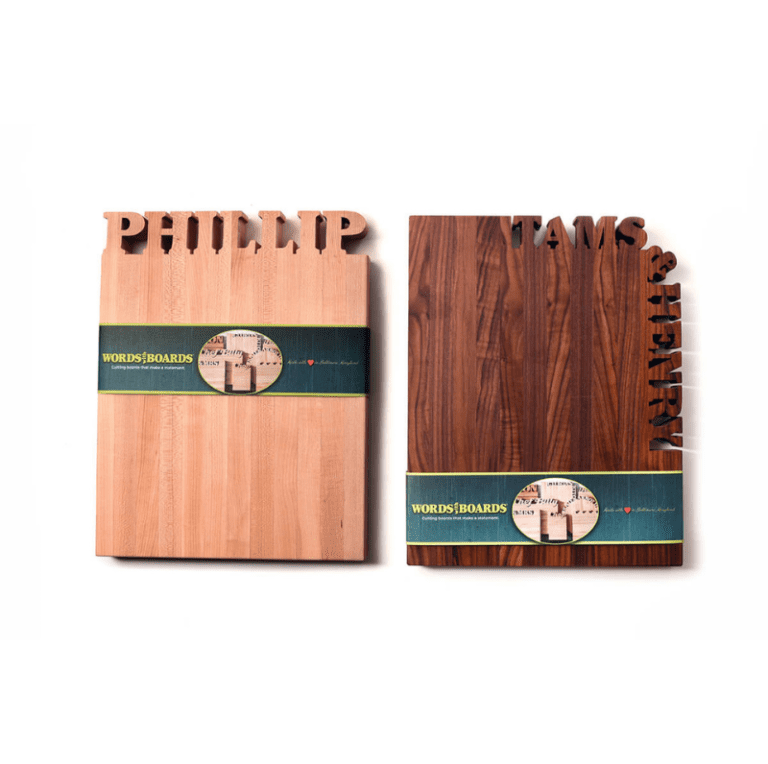
- Cutting Boards and Butcher Blocks: Hard Maple is the king of cutting boards. Its closed-grain structure means it doesn’t trap as much bacteria, and its hardness resists knife marks. It’s a safe, durable, and beautiful choice for any kitchen.
- Furniture: From sturdy dining tables to elegant dressers, maple is a fantastic furniture wood. Soft Maple is a great, affordable option for projects like bookshelves and cabinets that don’t need extreme dent resistance.
- Flooring: Ever seen a basketball court? That’s almost always Hard Maple flooring. Its ability to take a pounding makes it perfect for high-traffic areas in a home.
- Workbenches and Tool Handles: The durability of Hard Maple makes it the perfect material for a workbench top that will last a lifetime. It’s also used for handles on tools like chisels and mallets because it can withstand repeated impacts.
- Musical Instruments: The back, sides, and neck of many violins, cellos, and guitars are made from maple because of its tonal qualities and strength.
Conclusion: Your New Confidence with Maple
So, how hard is maple wood? As we’ve learned, it ranges from very hard to exceptionally hard, depending on the species. Hard Maple is one of the toughest domestic hardwoods you can buy, making it a champion of durability. Soft Maple, while not as tough, is still a strong and versatile wood that’s a bit kinder to your tools and your wallet.
Understanding this difference is the key to unlocking maple’s potential. Now you know how to identify it, how to work with it, and what projects it truly shines in. You can walk into the lumber store with confidence, knowing exactly what to look for and how to handle it when you get it back to your workshop.
Don’t be intimidated by its hardness. With sharp tools, a little patience, and the right techniques, maple is a joy to work with. It rewards your effort with projects that are not only beautiful but will also last for generations. Now go ahead, grab a board, and start making something amazing!
Frequently Asked Questions (FAQ) About Maple Wood Hardness
1. Is maple harder than oak?
Yes, Hard Maple (1,450 Janka) is significantly harder than Red Oak (1,290 Janka) and slightly harder than White Oak (1,360 Janka). This makes it more resistant to dents and scratches, which is why it’s a popular choice for flooring and countertops.
2. Can I use soft maple for a cutting board?
It’s generally not recommended. While Soft Maple is a hardwood, Hard Maple is the preferred choice for cutting boards. Its higher density and closed grain are better at resisting knife marks and are considered more food-safe because they harbor less bacteria.
3. Why does my maple wood burn when I cut it?
Burning on maple is very common and usually happens for three reasons: 1) your saw blade is dull, 2) you’re moving the wood too slowly across the blade, or 3) your blade is dirty with resin buildup. Using a clean, sharp blade and a steady feed rate is the best way to prevent it.
4. How can I tell the difference between hard and soft maple lumber?
It can be tough for a beginner. Hard Maple is typically heavier, has a creamier, more uniform color, and shows tighter growth rings at the end of the board. Soft Maple is lighter, may have grayish or reddish streaks, and its end grain might look a bit fuzzier. When in doubt, ask your lumber supplier—they can tell you for sure!
5. Is maple a good wood for a beginner?
Yes, but with a small learning curve. Soft Maple is a great starting point for beginners as it’s more forgiving than Hard Maple. The key challenges are its tendency to burn during cuts and to stain blotchily. If you follow the tips above—use sharp tools, pre-drill holes, and use a wood conditioner before staining—you’ll find it very rewarding to work with.
6. Is maple expensive?
Maple’s price falls in the mid-range for domestic hardwoods. It’s generally more expensive than woods like poplar but more affordable than woods like walnut or cherry. Soft Maple is almost always cheaper than Hard Maple, making it a great budget-friendly alternative.
7. Does maple wood scratch easily?
No, especially not Hard Maple. With its high Janka rating of 1,450 lbf, it is one of the more scratch- and dent-resistant hardwoods available. This durability is what makes it a top choice for high-wear items like floors, kitchen countertops, and workbenches.