How Long Does Wood Sealer Last? (1-10 Years by Type)
Wood sealer typically lasts 1 to 3 years on a deck’s horizontal surfaces, 2 to 6 years on vertical fencing, and up to 10 years for premium film-forming products — but softwoods like pine shed protection faster than oak. Reseal too late and moisture gets under the finish, causing rot and warping. This guide covers lifespan by type and surface, the water-bead test that tells you when to reseal, and how long an opened can stays usable.
What Determines How Long Wood Sealer Lasts?
Best Wood Sealer Pick
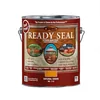
Ready Seal 112 Natural Cedar Stain & Sealer, 1 Gal
A semi-transparent penetrating oil sealer with no lap marks and no back-brushing — the easiest way to get 2–3 years of deck protection without a sprayer.
- Best for: decks, fences, and siding where you want grain still visible
- Why we picked it: penetrates instead of filming, so it wears evenly and never needs stripping before recoating
- Main drawback: shorter lifespan than a film-forming topcoat, so horizontal surfaces still need recoating every 2–3 years
Compare more wood sealer options
 Budget Pick Thompson’s WaterSeal Clear, 1 Gal
|
 Mid-Range Pick Olympic Maximum Cedar, 1 Gal
|
 Premium Pick DEFY Extreme Semi-Transparent, 1 Gal
|
As an Amazon Associate we earn from qualifying purchases.
Wood sealer is a clear or lightly tinted coating that either penetrates the wood fibers or forms a thin film on top of them to block moisture and UV damage. How long a given coat lasts depends on four things working together: the sealer’s formulation, the wood species underneath it, which way the surface faces, and how much sun, rain, and foot traffic it takes on.
- Formulation quality — a premium film-forming sealer resists wear far longer than a thin, budget penetrating oil.
- Wood species — dense hardwoods like oak, teak, and mahogany hold sealer noticeably longer than softwoods like pine or cedar, which absorb and release moisture faster.
- Surface orientation — horizontal surfaces (decks, tabletops) take direct sun and standing water and wear out first; vertical surfaces (fences, siding) shed water and last longer.
- Exposure and traffic — humidity, freeze-thaw cycles, and foot traffic all accelerate breakdown; a shaded, low-traffic surface can outlast the same product on an exposed one by several years.
One note before you keep reading: this guide covers how long sealer protects your wood once it has cured. If you’re asking how long it takes to dry between coats instead, see our wood sealer drying-time guide. And if you haven’t picked a product yet, start with our guide to matching the right sealer to your project.
Wood Sealer Lifespan by Type and Surface
Most articles quote a single number for “how long sealer lasts.” In practice, the type of sealer and which way the surface faces change that number by a factor of five or more. This table combines manufacturer guidance and professional deck-maintenance data by sealer category and surface orientation:
| Sealer Type | Horizontal (deck, floor) | Vertical (fence, siding, furniture) |
|---|---|---|
| Clear penetrating oil | 1–2 years | 2–3 years |
| Semi-transparent stain-sealer | 2–3 years | 3–5 years |
| Solid/opaque stain-sealer | 2–3 years | 4–6 years |
| Premium film-forming (acrylic/urethane) | Up to 10 years | Up to 25 years |
Ranges reflect typical performance on properly prepped wood in moderate climates; heavy sun, coastal humidity, or high foot traffic push actual lifespan toward the low end of each range.
How to Apply Wood Sealer for Maximum Lifespan
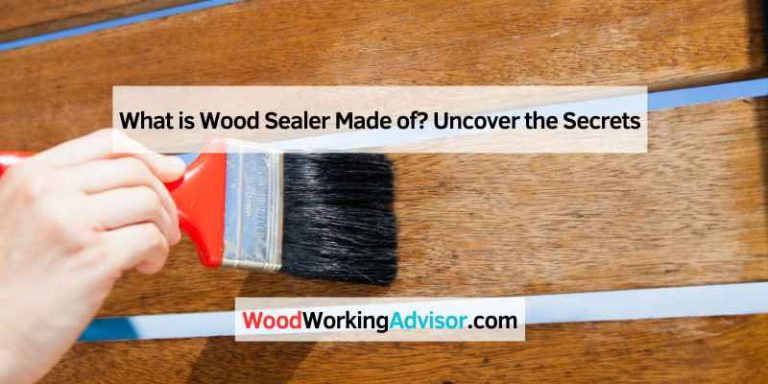
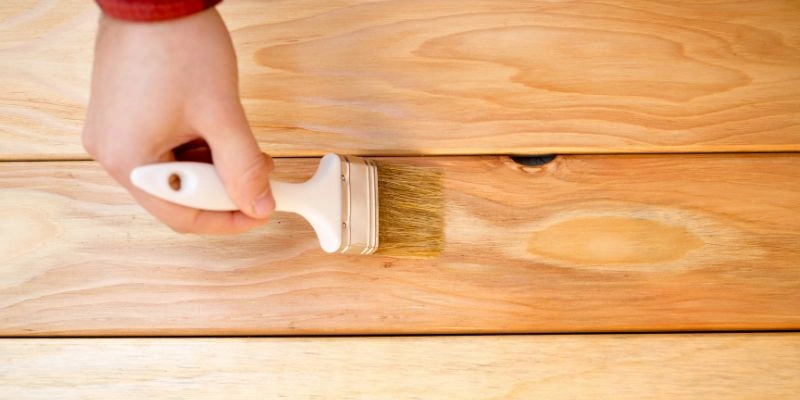
Application quality affects lifespan as much as the product itself — a premium sealer applied poorly can fail faster than a budget sealer applied correctly. Start with a clean, dry surface; sand rough spots smooth and make sure the wood is fully dry before the first coat goes on.
- Clean and sand: Remove old finish residue, dirt, and mildew, then sand to raise a fresh surface for the sealer to grip.
- Confirm dry weather: Apply in temperatures between 50°F and 85°F with no rain forecast for at least 24 hours — both cold and rushed drying shorten the finish’s working life.
- Brush or spray evenly: Avoid puddles and thick layers; a thin, even coat cures harder and resists peeling better than a heavy one.
- Follow the manufacturer’s coat count: One coat rarely gives you the full rated lifespan — most sealers need two coats to reach their stated durability numbers.
For the full step-by-step process on a specific surface, see our guide to sealing a wood deck.
How to Tell When It’s Time to Reseal: The Water-Bead Test
You don’t have to guess based on a calendar. The 30-second water-bead test tells you exactly where a sealer has failed, spot by spot:
- Pick a dry stretch: Wait for 2–3 dry days first — wood that’s still damp from rain will bead water regardless of the sealer’s actual condition.
- Test several spots: Pour a tablespoon of water onto a high-traffic area, a spot in direct sun, and a shaded spot.
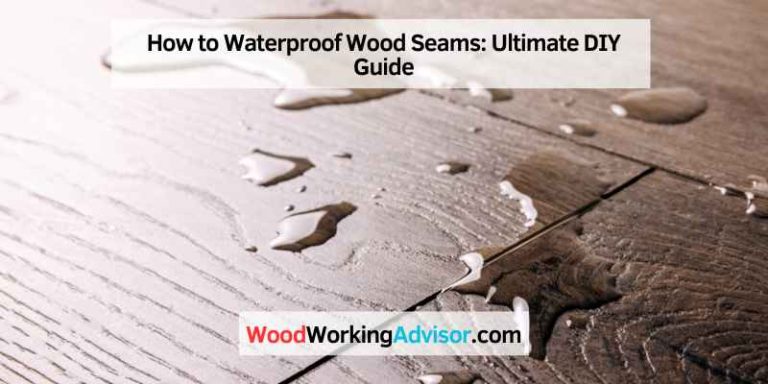
- Watch for 60 seconds: If the water beads up and sits on the surface, the sealer is still working. If it soaks in and darkens the wood, that spot needs resealing now.
- Read a mixed result correctly: Beading in some spots and soaking in others means you’re in the transition zone — plan to reseal soon, starting with the worn areas.
Test out of direct wind and full sun, since both speed up evaporation and can make a failing sealer look like it’s still beading.
“In my own shop and on outdoor builds, the first place a sealer fails is almost always around fasteners and end grain — end grain soaks up and releases moisture fastest, so that’s where I run the water test first when I’m deciding if a deck needs another coat.”
— Md Meraj, Woodworking Advisor (12+ years working with wood)
How Long Does Wood Sealer Last in the Can? (Opened vs. Unopened)
This is a different question from how long sealer lasts once it’s on the wood — and it matters, because applying degraded sealer shortens the finish’s life on the wood too. An unopened can stored in a cool, dry spot away from temperature swings is generally good for 2 to 5 years, depending on the formula. Once you break the seal, air exposure starts breaking down the resin and oil binders — expect roughly 1 to 2 years from an opened oil-based can, and closer to 6 to 12 months from an opened water-based one, since water-based formulas separate and thicken faster.
- Store it right: Reseal the lid tightly, store the can upright, and keep it out of a garage that swings between freezing and hot — freeze-thaw cycles ruin water-based sealer fastest.
- Check before you use old sealer: Stir it well first. If it separates into layers that won’t recombine, smells sour or rancid (common with water-based formulas), or has skinned over and thickened to a honey-like consistency (common with oil-based formulas), don’t use it — a degraded sealer gives you a shorter, patchier result than a fresh can, even applied perfectly.
Common Sealer Problems and How to Fix Them
Peeling and flaking almost always trace back to moisture trapped under the finish — from a wet application, a rushed second coat, or simply reaching the end of the product’s service life. Remove the failed sealer, sand the area smooth, and apply a fresh coat rather than layering over the damage.
Discoloration and fading are usually UV damage rather than a moisture problem. A sealer with UV blockers (semi-transparent and solid stains generally include more than clear ones) slows this down, but no sealer stops it entirely on wood that gets full sun. Regular inspection and reapplication at the first sign of fading — not after the wood has already grayed — keeps color loss from compounding.
If you’re specifically weighing whether a popular budget option holds up, see our breakdown of whether Thompson’s WaterSeal is actually any good.
Frequently Asked Questions
How long does wood sealer last on outdoor surfaces like a deck or fence?
On a deck’s horizontal boards, expect 1 to 3 years depending on the sealer type. On a vertical fence or siding, the same product typically lasts 2 to 6 years because it sheds rain instead of pooling it. Premium film-forming sealers push these numbers to 10 years on decks and up to 25 years on fences.
How can you tell if a deck or fence needs to be resealed?
Run the water-bead test: pour a little water on the surface after a few dry days. If it beads up, the sealer is still protecting the wood. If it soaks in and darkens the wood within a minute, it’s time to clean and reseal that area.
Can you apply wood sealer over an existing finish?
Generally no. Sealer needs a clean, bare surface to bond properly, and applying it over an existing finish prevents penetration and leads to early peeling. If you’re resealing previously finished wood, strip or sand off the old coating first, then apply the new sealer to bare wood.
What is the best time to apply wood sealer?
Apply during dry weather with temperatures between 50°F and 85°F and no rain in the forecast for at least 24 hours. Avoid direct midday sun, which can cause the sealer to dry too fast and lap-mark, and avoid high humidity, which slows curing and traps moisture underneath.
How long does wood sealer last once you open the can?
An opened oil-based sealer is generally good for 1 to 2 years if resealed tightly and stored in a cool, dry spot. Opened water-based sealer degrades faster, usually lasting 6 to 12 months, because it separates and thickens sooner once exposed to air.
Do hardwoods really hold sealer longer than softwoods?
Yes. Dense hardwoods like oak, teak, and mahogany have tighter grain that absorbs and releases moisture more slowly, so sealer on them lasts longer before it needs reapplication. Softwoods like pine and cedar are more porous, which is why they typically need resealing more often on the same schedule.
Conclusion
How long your wood sealer lasts comes down to type, surface, and wood species — not a single universal number. Match the sealer to the job, apply it correctly, and use the water-bead test each spring instead of guessing on a calendar. Catching a failing sealer early, before the wood underneath starts to gray or split, is what actually protects your investment over the years.
Sponsored / affiliate links. As an Amazon Associate I earn from qualifying purchases. I may earn additional commission from eligible campaigns.