What Is the Best Exterior Wood Stain for Decks and Fences?
A common choice for exterior wood is a high-quality penetrating oil stain matched by opacity: clear for dense hardwoods, semi-transparent for many decks and fences, and solid when you want more UV protection and longer intervals between recoats. Pick the wrong one and I usually see the same problems, peeling, blotching, gray wood, and a refinishing job that costs far more than stain. This guide matches stain type to species, surface, sun and rain exposure, and how often you’re willing to recoat.
What is the best exterior wood stain?

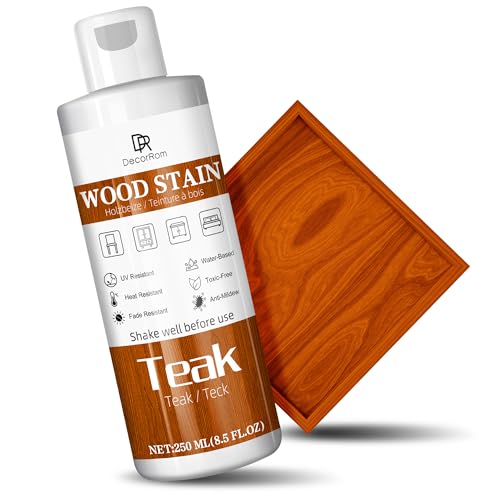

The best exterior wood stain is the one that fits the wood’s exposure, how long it stays wet after rain, how much direct sun hits it, the species under it, and how much upkeep the owner will actually do. On most decks I reach first for a penetrating semi-transparent stain because it fades instead of peeling and is easier to live with. For fences and siding, semi-solid or solid usually makes more sense because they hold color longer and stretch the time between recoats.
Use a surface-first decision rule
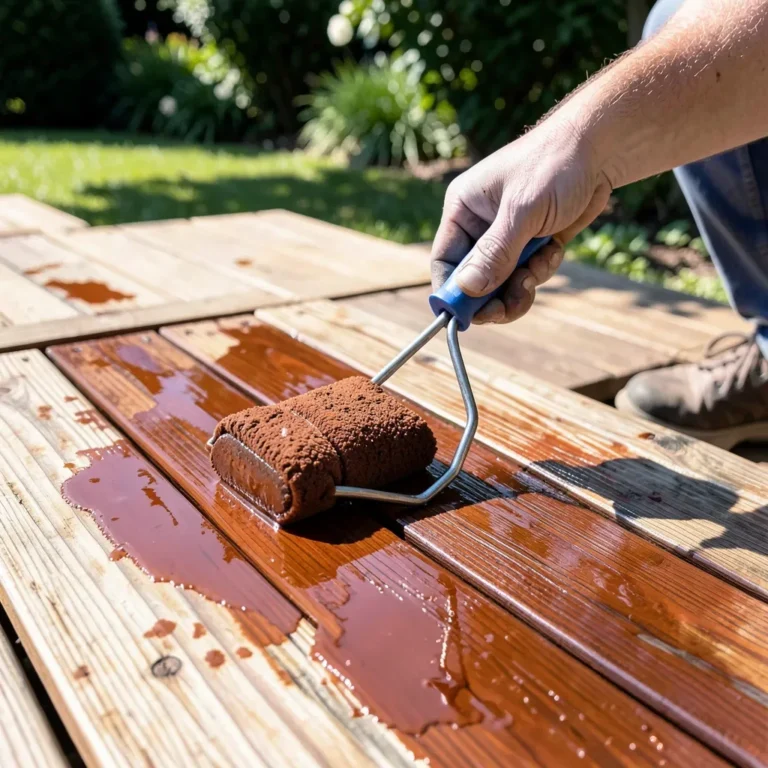
Start with orientation. Horizontal wood takes far more punishment than vertical wood because it holds water, sees foot traffic, and bakes in sun. That is why decks and stair treads usually need a different stain than siding, fences, or pergola posts.
Next, look at species. Pine and pressure-treated lumber absorb stain readily once dry enough. Cedar can turn blotchy if weathered unevenly. Dense hardwoods such as teak and ipe resist penetration, so low-build products work better than heavy film systems.
Then decide how much grain matters. If seeing grain is the priority, stay in translucent to semi-transparent ranges and accept shorter recoating windows. If low maintenance matters more, move toward semi-solid or solid on vertical surfaces.
What exterior stain actually does
Exterior wood stain adds color and slows weathering, but its biggest job is dealing with sunlight and moisture. In practice, heavier pigment loads block more UV, so a solid stain on a south-facing fence will hold color far longer than a clear finish on the same boards. Less film usually means less peeling risk on walking surfaces.
Exterior wood stains can provide a mildew resistant coating and weather protection. That matters most in shaded yards, near sprinklers, under trees, and on north-facing walls that stay damp longer.
📊 Benjamin Moore recommends sampling with Woodluxe 8 oz. Stain Samples. Source: Benjaminmoore.
How should you choose stain by surface and maintenance tolerance?
Choose stain by asking two questions: is the surface horizontal or vertical, and how often is the owner willing to recoat? Horizontal surfaces usually do best with penetrating, lower-build stains that wear away gradually. Vertical surfaces can support more pigment and, in some cases, more film, which stretches maintenance intervals.
Horizontal vs vertical surfaces
Deck boards, stair treads, rail caps, outdoor tabletops, and some porch floors are horizontal. These areas trap water and see abrasion. A stain that forms too much surface film here tends to crack, wear through in traffic lanes, or peel when moisture pushes from below.
Fences, siding, doors, log cabin walls, and pergola posts are vertical. They dry faster after rain and usually see less abrasion. That makes semi-solid and solid stains more practical when the goal is fewer recoats.
Consumer Reports applies two coats to pine boards in testing. Consumer Reports then places boards on the roof of its headquarters in Yonkers, N.Y., facing the boards south and at an angle like shingles. One year of testing approximates about three years on vertical surfaces. That roof-style exposure is harsher than a typical fence or wall, which helps explain why vertical wood can go longer between coats. (consumerreports.org)
Low-maintenance, medium-maintenance, and appearance-first paths
- Low-maintenance: Choose semi-solid or solid for fences, siding, log cabins, and many pergolas. Grain shows less, but UV cover is stronger and color lasts longer.
- Medium-maintenance: Choose semi-transparent for most decks, many fences, and outdoor furniture where some grain should remain visible.
- Appearance-first: Choose translucent or clear for dense hardwoods, mahogany doors, or cedar where natural figure matters more than long recoat intervals.
When grain visibility is worth the shorter cycle
Clear and translucent stains look best right after application on attractive wood, but they give up UV protection. That tradeoff can make sense on teak furniture, ipe details, or a mahogany door that gets regular care. It makes far less sense on an exposed deck in full sun where fading starts early.
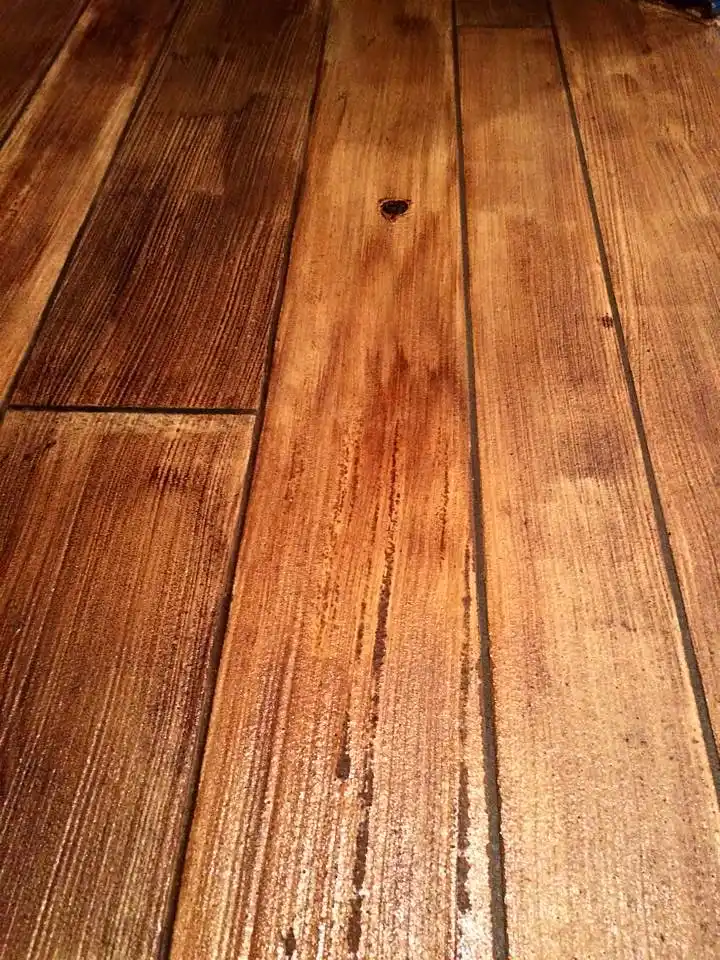
Matching Interior Stains to Wood Species and Topcoats
Successful interior finishing depends on aligning wood species, color goals, and topcoat chemistry before applying any stain. Getting this sequence wrong often causes blotching, inaccurate color, or premature finish failure despite careful sanding. A structured approach ensures prep steps, stain selection, and sealing schedules work together rather than against each other.
This resource maps common interior woods to proven finishing schedules that prevent streaks and lap marks while securing durable protection. Consult the wood finishing guide to determine whether pre-stain conditioners or washcoats are necessary for your specific project type. Testing the full schedule on scrap material first validates compatibility and avoids costly rework on the final piece.
What do translucent, semi-transparent, semi-solid, and solid really change?
Opacity changes four things at once: how much grain remains visible, how much UV light reaches the wood, how even the color looks on mixed boards, and how often recoating comes due. In the field, more pigment almost always means slower fading and longer service life, especially on vertical wood.
Translucent
Benjamin Moore says Woodluxe exterior stains come in four opacities. The four Woodluxe opacities are translucent, semi-transparent, semi-solid, and solid. Translucent leaves the most wood character visible, but it also gives the least forgiveness on weathered boards and the shortest practical recoat cycle in strong sun.
Best use: dense hardwoods, decorative doors, pergola parts, and furniture where grain is the point. Main risk: early fading, uneven absorption, and patchy wear on softwood decks.
Semi-transparent and semi-solid
Semi-transparent is the middle ground for many decks and fences. It still reads as wood, hides minor variation better than translucent, and usually wears by fading and thinning rather than peeling if the formula truly penetrates.
Semi-solid pushes farther toward color consistency. It helps on mixed-species repairs, cedar that has weathered unevenly, and older softwoods with blotchy absorption. It usually keeps some texture visible while giving stronger UV cover than semi-transparent.
Solid
Solid stain gives the strongest UV screen and masks repairs, sapwood, and color variation. It is usually the best answer for old siding, sun-beaten fences, and cabins where the owner wants the longest interval between visible fade.
Solid also changes failure patterns. On rough vertical wood it often erodes slowly and can be recoated with cleaning and spot prep. On horizontal traffic surfaces, especially if the product builds a film, it can chip, scuff, or peel at board edges and wear paths.
Penetrating vs film-forming stain: which one holds up better outside?
Penetrating stains usually hold up better on decks because they sink into the wood and wear away more gently. Film-forming products make more sense on doors, trim, and some siding where appearance matters and standing water is lower. The wrong film on the wrong surface creates the hardest future prep.
Why penetrating stains usually age better on decks
A penetrating stain does not rely on a thick skin at the surface. When sun and foot traffic break it down, the usual result is fading, dry-looking wood, and gradual loss of water repellency. That is work, but it is manageable work.
That matters because deck maintenance often comes down to recoating before failure becomes severe. If the old coating has mostly worn away instead of lifting, washing and a light prep step may be enough before the next coat.
Where film-forming products make sense
Film-forming exterior stains and varnish-style systems have a place on entry doors, some trim, and a few protected siding details. They can give a richer look, a smoother sheen, and stronger color build. They also ask for closer monitoring, especially on south- and west-facing exposures.
For exterior doors, the best-looking system is often not the lowest-maintenance system. Sun on one face, interior climate on the other face, and edge exposure at panel joints create stress that shows up as cracking or peeling if upkeep slips.
Peeling, cracking, and future prep burden
The simplest rule is this: the more a finish behaves like paint or varnish, the more likely surface failure becomes the big repair. Once peeling starts, the owner may need scraping, sanding, feathering, or full stripping. A deck owner rarely enjoys that surprise.
Which stain works best for cedar, pine, pressure-treated wood, teak, mahogany, and ipe?
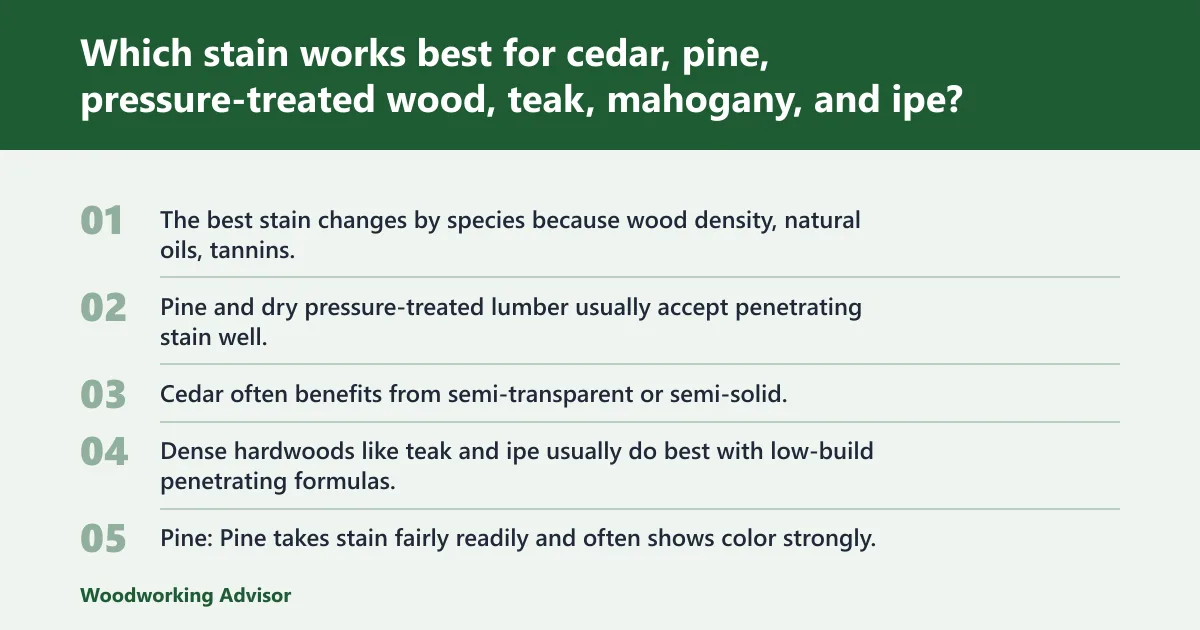
The best stain changes by species because wood density, natural oils, tannins, and prior weathering all change absorption and final color. Pine and dry pressure-treated lumber usually accept penetrating stain well. Cedar often benefits from semi-transparent or semi-solid. Dense hardwoods like teak and ipe usually do best with low-build penetrating formulas.
Softwoods: pine, cedar, and pressure-treated lumber
Pine: Pine takes stain fairly readily and often shows color strongly. It is a good candidate for semi-transparent on decks and semi-solid or solid on siding and fences. Knots and mixed growth rings can still cause uneven tone, so sample first.
Cedar: Cedar starts beautiful, but weathering can produce uneven gray and variable absorption. On new cedar siding or fencing, semi-transparent gives a natural look. On older cedar with mixed color, semi-solid often gives a better balance between grain and uniformity.
Pressure-treated lumber: Fresh pressure-treated wood can be too wet to stain well. If stain goes on before the wood dries enough, the likely result is poor penetration, blotching, or early failure. For decks, wait until the surface actually absorbs water rather than beading it hard, then use a penetrating semi-transparent stain in most cases.
Dense hardwoods: teak, mahogany, and ipe
Teak and ipe: These woods resist absorption because they are dense and oily. Clear or lightly pigmented penetrating hardwood oils usually make more sense than heavy stain films. If a coating cannot get in, it tends to sit on top and fail early.
Mahogany: Mahogany can look excellent with clear or translucent finishes on protected doors and trim, but it still needs a maintenance plan. In harsher sun, a bit more pigment often stretches the cycle and slows graying.
New wood vs weathered wood
New wood generally colors more evenly than old gray wood. Weathered softwoods can absorb fast in some areas and barely at all in others, which creates lap marks and patchy color. Cleaning and removing loose gray fibers usually help, but old wood often benefits from moving one step higher in opacity.
Color samples can also mislead if the homeowner ignores species. Benjamin Moore shows exterior stain colors rendered on white pine. That is useful for comparing colors, but cedar, redwood-toned boards, and older gray wood will read differently. Benjamin Moore recommends sampling with Woodluxe 8 oz. Stain Samples, and that same sample-first habit applies broadly to any exterior stain.
Use-case decision table and buyer checklist

Decision table by surface, species, and maintenance tradeoff
| Surface | Wood species | Best opacity | Best formula type | Main failure risk | Maintenance tradeoff |
|---|---|---|---|---|---|
| Deck | Pressure-treated pine | Semi-transparent | Penetrating | Early blotching if wood is still wet; wear in traffic lanes | Good grain visibility, but expect regular cleaning and shorter recoat cycles than siding |
| Deck | Cedar | Semi-transparent to semi-solid | Penetrating | Uneven absorption on weathered boards; fading in full sun | More natural look with semi-transparent, more color consistency with semi-solid |
| Fence | Pine or cedar | Semi-solid or solid | Penetrating or low-build film | Mildew on shaded faces; UV fade on south side | Less grain, longer visual life, easier upkeep than deck stain |
| Siding | Cedar | Semi-solid or solid | Penetrating or stain-forming film made for siding | Lap marks on thirsty boards; mildew in damp shade | Usually the best balance for low-maintenance ownership |
| Wood door | Mahogany | Translucent to semi-transparent | Film-forming exterior door finish or penetrating stain with built-in water repellency | Peeling and cracking on sunny exposure | Best appearance, but watch closely and maintain on schedule |
| Pergola | Cedar or pine | Semi-transparent or semi-solid | Penetrating | Top faces weather much faster than posts | Visible grain with manageable upkeep if top members are monitored |
| Log cabin walls | Softwood logs | Semi-solid or solid | Penetrating or stain made for log exteriors | Checking, mildew in shaded sides, UV fade on upper walls | Heavier color hides patchiness and slows graying |
| Outdoor furniture | Teak or ipe | Clear or translucent | Penetrating hardwood oil | Rapid fade to gray if maintenance is ignored | Best natural look, shortest cosmetic recoat cycle |
Quick buyer checklist
- Identify the surface: deck, fence, siding, door, pergola, log wall, or furniture.
- Decide whether the wood is horizontal or vertical.
- Name the species: pine, cedar, pressure-treated lumber, mahogany, teak, or ipe.
- Check moisture condition. New pressure-treated lumber often needs drying time before staining.
- Pick the maintenance lane: appearance-first, medium upkeep, or low-maintenance.
- Choose opacity to match that lane, not by color chip alone.
- For damp, shaded, tree-covered areas, look for mildew resistance and better dirt resistance.
- Check VOC compliance to make sure the product meets any applicable local requirements for volatile organic compounds.
- Sample on the actual wood or an inconspicuous spot before buying larger quantities.
- Plan the next recoat now, before the first coat even goes on.
How long should exterior wood stain last before recoating?
Exterior stain lasts longest on vertical wood, shortest on horizontal walking surfaces, and shortest of all when low opacity meets full sun and standing moisture. Expect wear to show first as fading and dryness on penetrating systems, or as cracking and peeling on heavier films. Recoat before failure gets structural.
Typical recoating windows by opacity and exposure
There is no one calendar that fits every house, but broad use-case windows are practical. For decks, translucent and semi-transparent often need the closest watch. Semi-solid may stretch the cycle some if the product still penetrates well. Consumer Reports says solid stains typically last three to five years on a deck.
On fences and siding, the same stain often lasts longer because the wood is vertical and drains better. Remember the testing reference point: one year of severe roof exposure approximates about three years on vertical surfaces. That does not guarantee service life, but it gives a useful scale for why siding generally outlasts decks.
What changes the timeline
South and west sun shorten color life. Standing moisture, leaf litter, and poor airflow increase mildew and surface breakdown. Heavy foot traffic wears deck coatings faster. Rough-sawn boards usually hold penetrating stain better than over-sanded smooth stock because the surface stays more open.
Species matters too. Dense hardwoods may lose color fast simply because very little product got in. Weathered softwoods may need a higher-opacity reset sooner because patchy old fibers keep telegraphing through.
What failure looks like before full stripping is needed
On a good penetrating deck stain, normal failure looks like lightening color, drier surface feel, and reduced water shedding. That is the easy moment to clean and recoat. Dangerous delay starts when fibers turn gray, checks open more deeply, or mildew gets established.
On film-heavy coatings, red flags are edge peeling, cracking over checks, and flaking around board ends or door panel joints. Once that starts, recoating without serious prep rarely ends well.
What VOC and weatherproofing features matter most?
Focus on three label issues: VOC compliance, mildew resistance, and whether the product is meant to repel water without creating a brittle film. Low-VOC rules affect what can be sold in many areas and can change dry time or odor. Weather labels matter only if they fit the surface.
Low-VOC compliance and health concerns
Consumer Reports notes wood stain regulations require lower levels of volatile organic compounds. That is partly an air-quality issue and partly a buying issue, since local regulations can limit what formulas are available. For homeowners, lower VOC usually means less odor burden and fewer indoor-adjacent concerns around doors and trim.
UV blockers, water repellency, and mildew resistance
Pigment is the main UV shield, which is why higher-opacity stains often hold color longer. Water repellency matters too, but an extra clear sealer on top is usually unnecessary if the stain already includes that function. Many exterior stains are stain-and-sealer products in practice, even if the front label leads with color.
The phrase mildew resistant is worth attention on shady or damp projects. It does not mean mildew proof. Dirt, pollen, and tree debris feed surface growth, so site conditions still matter as much as the can.
Why labels can mislead
Words like weatherproof, deck stain and sealer, or exterior varnish sound interchangeable, but they are not. A stain built to penetrate a deck board and a glossy exterior varnish for a front door live in different maintenance worlds. Product labels tell part of the story; surface use tells the rest.
Price also varies widely. Consumer Reports says top stains range from $22 to $130 per gallon. That spread matters less than choosing the right opacity and film behavior for the job.
How should you test color and plan the first coat?
Test color on the actual wood whenever possible because species, age, and weathering shift the result more than the label suggests. White pine sample images help compare colors, but cedar and gray weathered boards can land far darker or duller. A small test patch prevents large mistakes.
Sample boards vs testing on the project
A sample board cut from the same stock is the cleanest method for new projects. For existing decks or siding, test in an inconspicuous section after prep. That reveals both color and absorption speed, which can be just as important.
Benjamin Moore recommends sampling with Woodluxe 8 oz. Stain Samples. Even if the final product is from another line, that sample-first idea is sound because exterior wood species and prior sun exposure shift color so much.
Why pine, cedar, and gray weathered wood read differently
White pine tends to show colors relatively clearly, which is why it is often used in brand renderings. Cedar brings warmer undertones and stronger contrast between earlywood and latewood. Older gray wood often drinks stain unevenly and mutes the intended color.
That means one brown can look honey-toned on pine, russet on cedar, and muddy on old boards. Sampling is not fussy. It is part of buying correctly.
Application basics that affect final color and early failure
Do the prep first, then test. If a deck is dirty, mildewed, or glazed from previous finish, color samples lie. Follow the coating instructions for number of coats because over-application can create sheen spots, sticky areas, or weak film. Consumer Reports applies two coats to pine boards in testing, but a specific project should still follow its own product directions and wood condition.
Frequently asked questions
What is the best exterior wood stain and sealer?
For most projects, the best exterior wood stain and sealer is a penetrating stain that already includes water repellency, chosen by opacity for the surface. Decks usually do best with semi-transparent penetrating stain. Fences and siding often do better with semi-solid or solid. Adding a random clear topcoat often causes future adhesion trouble.
What is the best oil based exterior wood stain?
The best oil based exterior wood stain is usually a penetrating formula matched to the wood species and exposure, especially for decks and dense hardwoods. Oil-based options often give better penetration and more natural wear patterns, but local low-VOC rules may limit choices, odor, or where certain formulas can be sold.
What is the best exterior wood stain for decks?
The best exterior wood stain for decks is usually a penetrating semi-transparent stain, or semi-solid if the deck is older and blotchy. I keep coming back to that setup because it keeps the wood looking like wood, gives enough UV screening for a walking surface, and makes future recoats far easier. Avoid heavy film build on walking surfaces unless the owner accepts a higher chance of peeling and harder prep later.
What is the best exterior wood stain for cedar?
The best exterior wood stain for cedar is often semi-transparent on newer, even-toned boards and semi-solid on older or patchy cedar. Cedar can weather unevenly, so a little more pigment often gives a better result without fully hiding character. Sampling matters because cedar shifts color more than white pine renderings suggest.
What is the best exterior stain for pressure treated wood?
The best exterior stain for pressure treated wood is usually a penetrating semi-transparent stain applied after the lumber has dried enough to absorb it. Staining too early often leads to blotching and weak hold. For fences or siding made from treated lumber, semi-solid can make sense if lower maintenance matters more than visible grain.
How do I choose between translucent, semi-transparent, semi-solid, and solid stain?
Choose by asking how much grain should remain visible and how often the owner is willing to recoat. Translucent gives the most natural look and shortest cycle. Semi-transparent suits most decks. Semi-solid helps weathered wood look more even. Solid gives the strongest UV cover and the least grain visibility, especially on siding and fences.
Sponsored / affiliate links. As an Amazon Associate I earn from qualifying purchases. I may earn additional commission from eligible campaigns.