How Long Should a Water Heater Last? Unveil the Lifespan
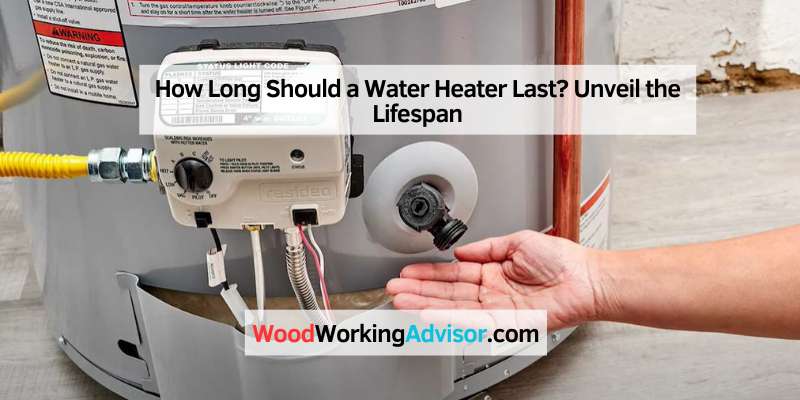
A water heater should last between 8 to 12 years on average with proper maintenance. However, with periodic maintenance, some tank-type water heaters can last up to 50 years, according to hot water expert Larry Weingarten.
Signs that indicate it’s time to replace a water heater include discolored water, unusual noises, leaking tank, inadequate heating, and sediment build-up. Your water heater is an essential appliance that provides hot water for various household activities, including bathing, washing clothes, and cleaning dishes.
Therefore, it’s crucial to know how long a water heater should last to plan for its replacement and avoid unexpected breakdowns. We’ll look at the average lifespan of a water heater, factors that affect its longevity, signs that show it’s time to replace it, and tips for extending its lifespan.
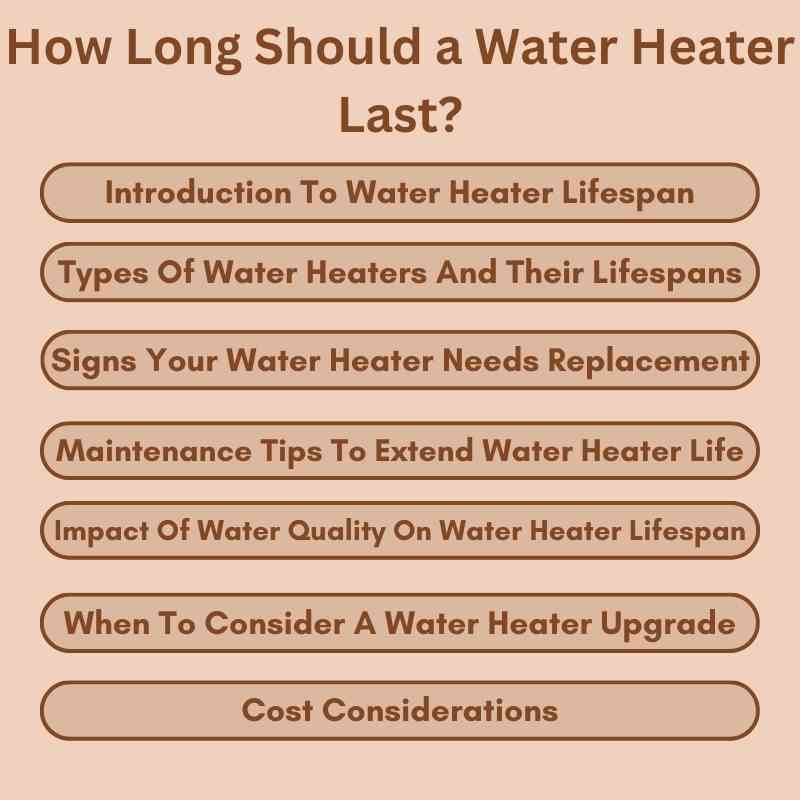
Introduction To Water Heater Lifespan
A water heater’s lifespan typically ranges from 8 to 12 years, but proper maintenance can extend it to 15 years. Signs of an aging water heater include lukewarm water, unusual noises, and leaks. Regular inspection and timely replacement are essential to ensure efficient hot water supply.
When it comes to the lifespan of a water heater, it’s important to know what factors can influence its longevity and what average lifespan expectations are. Understanding these factors can help homeowners make informed decisions about when to replace their water heaters and ensure they have a reliable source of hot water for their daily needs.
Factors Influencing Longevity
Several factors can affect the lifespan of a water heater. These include:
- Quality of Installation: Proper installation by a professional plumber can ensure that the water heater operates efficiently and lasts longer.
- Maintenance: Regular maintenance, such as flushing the tank and inspecting the heating elements, can help prevent issues and extend the lifespan of the water heater.
- Water Quality: The quality of the water supply can impact the lifespan of a water heater. Hard water with high mineral content can cause sediment buildup and corrosion, leading to premature failure.
- Usage Patterns: The frequency and duration of hot water usage can also affect the lifespan of a water heater. A larger household with high hot water demand may put more strain on the system.
Average Lifespan Expectations
The average lifespan of a tank-type water heater typically ranges from nine to twelve years. However, with proper maintenance and care, it is possible to extend the lifespan of a water heater to as long as fifty years, as noted by hot water expert Larry Weingarten. Regular maintenance, such as flushing the tank annually and inspecting the sacrificial anode rod, can help prevent sediment buildup, corrosion, and other issues that can shorten the lifespan of the unit.
It’s important to keep an eye out for warning signs that may indicate the need for a water heater replacement. These signs include lukewarm water, discolored water, water around the base of the unit, unusual noises, and inadequate heating. If any of these signs are present, it may be time to consider replacing the water heater to ensure efficient and reliable hot water supply.
By understanding the factors that influence water heater longevity and having realistic expectations about average lifespan, homeowners can make informed decisions about their water heater maintenance and replacement needs. Regular maintenance and prompt replacement when necessary can help ensure a continuous supply of hot water and avoid unexpected disruptions.
Types Of Water Heaters And Their Lifespans
When it comes to water heaters, understanding the different types and their respective lifespans can help homeowners make informed decisions about maintenance and replacement. Let’s explore the lifespans of gas and electric water heaters, as well as tankless water heaters.
Gas Vs. Electric Water Heaters
Gas and electric water heaters are the two main types found in most homes. Gas water heaters typically have a lifespan of 8 to 12 years, while electric water heaters can last slightly longer, averaging 10 to 15 years.
Tankless Water Heater Lifespan
Tankless water heaters, known for their energy efficiency and space-saving design, have a longer lifespan compared to traditional tank water heaters. On average, tankless water heaters can last 20 years or more with proper maintenance.
Signs Your Water Heater Needs Replacement
Is your water heater not performing as well as it used to? Are you experiencing lukewarm water, discolored water, or leaks around the base of the unit? These are all signs that your water heater may be nearing the end of its lifespan and in need of replacement. In this section, we will explore each of these signs in detail.
Lukewarm Water Issues
If you find that your once-hot showers have turned lukewarm, it could be an indication that your water heater is on its way out. A decrease in water temperature can be caused by a variety of factors, such as a faulty heating element, sediment buildup, or a malfunctioning thermostat. However, if you have ruled out these common issues, it may be time to consider replacing your water heater altogether.
Discolored Water
Have you noticed that the water coming out of your faucets has a rusty or brownish tint? This discoloration could be a result of internal corrosion within your water heater tank. Over time, minerals and sediment can accumulate and cause corrosion, which not only affects the quality of your water but also indicates potential damage to the tank itself. If you are consistently experiencing discolored water, it’s a clear sign that your water heater needs to be replaced.
Leaks And Water Around The Base
Discovering water pooling around the base of your water heater is a cause for concern. Leaks can occur due to cracks or fractures in the tank, deteriorating seals, or faulty valves. Ignoring these leaks can lead to further damage, such as water damage to your home or even flooding. If you notice any signs of leaks or water around the base of your water heater, it is crucial to address the issue promptly and consider replacing your water heater to avoid potential disasters.
In conclusion, if you are experiencing lukewarm water, discolored water, or leaks and water around the base of your water heater, it is likely time to replace your unit. Ignoring these signs can lead to further damage and inconvenience in the future. It is always recommended to consult a professional plumber to assess the condition of your water heater and provide expert advice on the best course of action.
Maintenance Tips To Extend Water Heater Life
When it comes to extending the life of your water heater, regular maintenance is key. By performing simple maintenance tasks, you can significantly increase the lifespan of your water heater. Here are some essential maintenance tips to help you maximize the longevity of your water heater.
Regular Inspection And Cleaning
Regular inspection and cleaning are crucial for maintaining the efficiency and longevity of your water heater. Inspect the unit for any signs of corrosion, leaks, or rust. Clean the exterior of the water heater and ensure that the area around it is free from dust and debris. This will help prevent the accumulation of dirt and maintain optimal performance.
Anode Rod Replacement
The anode rod plays a vital role in preventing corrosion within the water heater tank. Over time, the rod can deteriorate and become less effective. Regularly check the condition of the anode rod and replace it if it shows signs of wear. This simple step can significantly prolong the life of your water heater by preventing rust and corrosion.
Sediment Flushing Techniques
Sediment buildup can reduce the efficiency of your water heater and lead to premature failure. Flushing the tank to remove sediment is an essential maintenance task. Follow the manufacturer’s instructions to safely flush the tank and remove any accumulated sediment. This will help maintain the heater’s efficiency and extend its lifespan.
Impact Of Water Quality On Water Heater Lifespan
The lifespan of a water heater can be significantly affected by the quality of the water that it heats. Hard water, which is water that contains high levels of minerals such as calcium and magnesium, is a common challenge for water heaters. When hard water is heated, the minerals can form a layer of sediment at the bottom of the tank. Over time, this sediment can build up and reduce the efficiency of the water heater, leading to higher energy bills and a shorter lifespan for the appliance.
Hard Water Challenges
Hard water can create several challenges for a water heater, including:
- Reduced efficiency due to sediment buildup
- Increased energy consumption and higher bills
- Corrosion of the tank and heating elements
- Reduced water pressure
- Shorter lifespan of the water heater
Solutions For Sediment Buildup
Fortunately, there are several solutions available to prevent or address sediment buildup in a water heater:
- Regular maintenance: Flushing the tank periodically can help remove sediment and improve efficiency.
- Water softener: Installing a water softener can help reduce the mineral content of the water and prevent sediment buildup.
- Anode rod replacement: Replacing the anode rod in the water heater can help prevent corrosion and extend the lifespan of the appliance.
- Upgrade to a tankless water heater: Tankless water heaters do not store water and therefore do not accumulate sediment, making them a good option for areas with hard water.
By taking steps to address the impact of water quality on a water heater’s lifespan, homeowners can help ensure that their appliance lasts as long as possible and operates efficiently throughout its lifespan.
When To Consider A Water Heater Upgrade
Considering a water heater upgrade is necessary when your current water heater is reaching the end of its lifespan. On average, tank-type water heaters last between 9 to 12 years, but with proper maintenance, they can last up to 50 years.
Look out for signs such as discolored water, unusual noises, leaks, inadequate heating, or sediment build-up, as these indicate that it may be time for a replacement.
As a homeowner, it’s essential to know when to consider a water heater upgrade. The average lifespan of a tank-type water heater is nine to twelve years. However, with proper maintenance, you can extend the life of your water heater up to fifty years. If your water heater is reaching the end of its life or not performing efficiently, it’s time to upgrade. Here are some factors to consider before upgrading your water heater.
Advancements In Water Heater Technology
Advancements in water heater technology have made newer models more efficient and long-lasting than older ones. Newer models include tankless water heaters, which provide hot water on demand, and heat pump water heaters, which use electricity to move heat from the air or ground to heat the water. These advancements in technology have made water heaters more energy-efficient, saving you money on your energy bills.
Energy Efficiency Considerations
Energy efficiency is an essential factor to consider when upgrading your water heater. Newer models are more energy-efficient than older ones, which can save you money on your energy bills. Look for a water heater with an Energy Star rating, which means it meets energy efficiency guidelines set by the U.S. Environmental Protection Agency. Additionally, upgrading to a tankless water heater can provide energy savings since it only heats water as needed, reducing standby losses.
In conclusion, upgrading your water heater can provide energy savings, better performance, and increased efficiency. Factors to consider before upgrading include advancements in water heater technology and energy efficiency considerations. By upgrading to a newer, more efficient model, you can save money on your energy bills and have hot water when you need it.
Cost Considerations
When considering the lifespan of a water heater, it’s crucial to also factor in the cost considerations associated with its replacement. Understanding the average costs of replacement and the benefits of investing in a new water heater can help homeowners make informed decisions about maintaining their hot water supply.
Average Costs Of Replacement
Replacing a water heater involves various costs, including the price of the new unit, installation expenses, and potential additional upgrades to the plumbing system. The average cost of a new water heater ranges from $500 to $1500, depending on the type and size of the unit. Professional installation can add around $500 to $1000 to the total cost, and any necessary modifications to the plumbing or electrical systems may further increase expenses.
Investing In A New Water Heater
Investing in a new water heater can bring numerous benefits, including improved energy efficiency, reduced operating costs, and reliable hot water supply. Newer models often come with advanced features that enhance performance and longevity, such as enhanced insulation, digital controls, and corrosion-resistant materials. While the initial investment may seem significant, the long-term savings from lower energy bills and decreased maintenance needs can make it a worthwhile decision for homeowners.
Choosing The Right Water Heater
When it comes to choosing the right water heater for your home, there are several factors to consider. Two important considerations are the capacity and size of the water heater, as well as whether you should opt for a tank or tankless system.
Capacity And Size
The capacity and size of your water heater are crucial for ensuring an adequate supply of hot water for your household needs. It’s important to choose a water heater with a capacity that can meet your daily hot water demands.
If you have a smaller household with minimal hot water usage, a water heater with a smaller capacity may suffice. On the other hand, larger households with multiple bathrooms and high hot water demands may require a water heater with a larger capacity.
Additionally, the physical size of the water heater is important for installation purposes. You need to consider the available space in your utility area or basement to ensure the water heater can fit comfortably.
Selecting Between Tank And Tankless
Another important decision to make is whether to choose a tank or tankless water heater. Each option has its own advantages and considerations.
A traditional tank water heater stores and heats a specific volume of water in a tank. These water heaters are typically more affordable and are suitable for households with lower hot water demands. However, they can take up more space and may experience standby heat loss.
Alternatively, tankless water heaters heat water on demand as it passes through the unit. These systems are more energy-efficient as they eliminate standby heat loss. They are also compact and can be mounted on the wall, saving valuable floor space. However, tankless systems are generally more expensive upfront.
Ultimately, the choice between tank and tankless water heaters depends on your specific needs, budget, and preferences.
In conclusion, when choosing the right water heater, it’s important to consider the capacity and size of the unit, as well as whether a tank or tankless system is more suitable for your household. By taking these factors into account, you can ensure a reliable supply of hot water for your daily needs.
Frequently Asked Questions
What Are Signs That Your Hot Water Heater Is Going Out?
Signs of a failing hot water heater include lukewarm water, discolored water, leaks, unusual noises, and age.
How Do You Know When A Hot Water Heater Needs To Be Replaced?
Signs that a hot water heater needs to be replaced include discolored water, unusual noises, leaking tank, inadequate heating, and sediment buildup. On average, tank-type water heaters last around 9 to 12 years, but with regular maintenance, they can last up to 50 years.
Can A Hot Water Heater Last 20 Years?
Yes, a hot water heater can last up to 20 years with proper maintenance. However, the average lifespan of a tank-type water heater is 9 to 12 years. Signs of wear and tear, such as discolored water, unusual noises, leaks, inadequate heating, or sediment buildup, may indicate that it’s time to replace the unit.
Should I Replace A 15 Year Old Water Heater?
Typically, a water heater lasts for about 10-15 years. If your water heater is 15 years old or older, it might be time to replace it. Signs of wear and tear, such as leaks or strange noises, can also indicate the need for a new water heater.
Consider consulting a professional plumber to assess your water heater’s condition.
Conclusion
The lifespan of a water heater can vary, but with regular maintenance, it can last for many years. Signs that indicate the need for a replacement include lukewarm water, discolored water, water around the base, unusual noises, and an old unit.
While the average life expectancy is around 9 to 12 years, proper care and periodic maintenance can extend it to 50 years or more. When it comes to replacing your water heater, it’s best to consult with a reputable plumber to ensure a smooth and efficient transition.