How to Get Rid of Wood Roaches Outside (What Actually Works)
Wood roaches (genus Parcoblatta) are outdoor insects that live in leaf litter, mulch, and rotting wood, and they rarely survive more than a few days indoors – so a real infestation inside your home is unlikely. Their yard population still needs the damp, woody harborage removed and entry points sealed, because spray-only fixes fail once diatomaceous earth or boric acid gets wet outdoors. This guide covers what wood roaches actually are, which control methods have real evidence behind them, and how to seal your home safely.
What Wood Roaches Actually Are
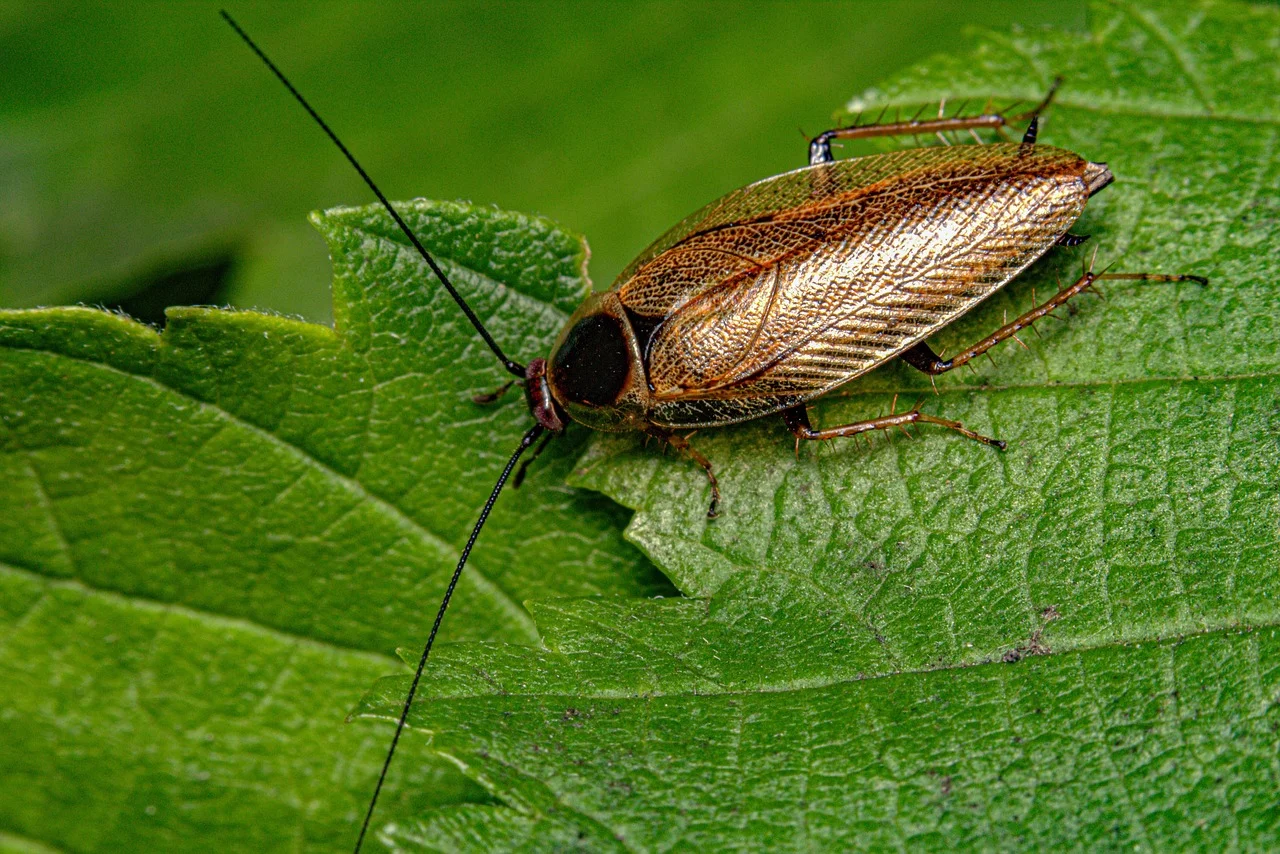
A wood roach is an outdoor cockroach in the genus Parcoblatta – a group with 12 species in North America and 7 found in Pennsylvania alone, according to Penn State Extension. Unlike the German cockroach, wood roaches lack the two dark stripes running down the thorax, and unlike the American cockroach, they stick to wooded, outdoor habitat rather than moving indoors to nest. Treat a wood roach sighting as a yard habitat issue, not a home infestation.
Adult males are tan with full wings and fly readily toward outdoor lights, especially during spring and early-summer mating season. Females are darker, have short stubby wings, and rarely fly – so if something buzzed against your porch light and landed on its back, it was almost certainly a male looking for a mate, not a house-hunting pest. According to NC State University Extension, wood roaches do not reproduce indoors and typically die within days inside from dehydration and starvation – they are accidental invaders, not an infestation. Outdoors, they are decomposers that break down dead wood and leaf litter, and they are a genuine food source for wildlife such as the red-cockaded woodpecker.
Why Wood Roaches Gather Near Your House
Wood roaches follow moisture, food, and shade. The closer those three things sit to your foundation, the closer the roaches come. Common attractants include:
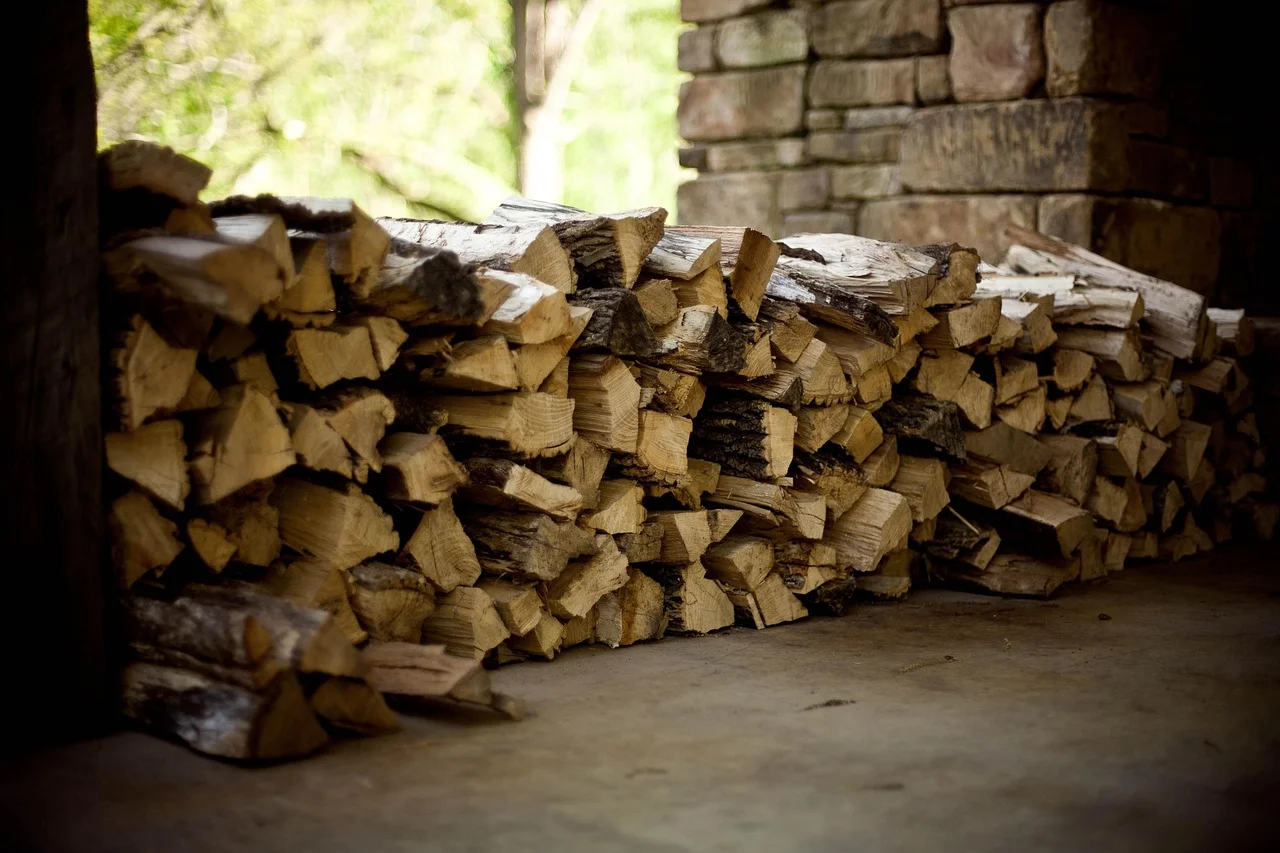
- Firewood stacks: Piles against the house or garage are prime nesting spots, especially once bark starts to loosen and hold moisture.
- Leaf piles or mulch: Decaying organic matter next to the foundation is their food source.
- Outdoor lights: Flying males are drawn to porch and garage lights, which pulls them within a few feet of entry points.
- Moist areas: Leaky hoses, clogged gutters, or poor drainage create the damp conditions wood roaches need to survive.
Move firewood at least 20 feet from the house and elevate it off the ground on a rack, so air can dry the bottom layer. Always inspect firewood before bringing any indoors – it is the single most common way an outdoor wood roach ends up inside.
Do Home Remedies Actually Work? What the Research Says
Most wood-roach advice online repeats the same short list of home remedies without saying where the evidence actually comes from – or whether it survives outdoor conditions. Here is what the research supports and where it breaks down in a yard:
| Method | Real Evidence | Holds Up Outdoors? |
|---|---|---|
| Food-grade diatomaceous earth | Lab studies show it kills German, American, and Oriental cockroaches by damaging their exoskeleton | No – the tested species and conditions were indoor and dry; DE stops working almost immediately once rain or dew wets it |
| Boric acid | Well-documented as a desiccant and stomach poison when roaches groom it off their legs | Same limitation as DE – effective indefinitely while dry, inactive once wet |
| Peppermint or cedar oil spray | A 2001 Auburn University lab trial found mint oil repelled and showed toxicity to American and German cockroaches over 14 days | Partial – real effect exists but is short-lived and was never field-tested on wood roaches outdoors; expect to reapply weekly |
| Mothballs | No controlled study supports outdoor roach control, and naphthalene mothballs are not labeled for open broadcast outdoor use | No – short-lived odor at best, and using them off-label around a yard is a label violation, not just a weak fix |
The pattern above is the real information gap in most wood-roach articles: the products marketed for yard use have solid lab data against indoor pest species under dry conditions, not against Parcoblatta in a humid outdoor yard. That is exactly why habitat removal – moving wood, clearing leaf litter, fixing moisture – does more long-term work than any spray or powder alone.
For a dry, protected spot like the base of a woodpile rack or along a foundation overhang, food-grade diatomaceous earth is still worth using as one layer of control – it just needs reapplying after every rain.
Best Food-Grade Diatomaceous Earth Pick
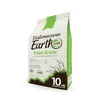 |
DiatomaceousEarth Food Grade Diatomaceous Earth – 10 lb (OMRI Listed) – $36.99 A 10 lb bag covers a full foundation perimeter and woodpile rack for multiple reapplications, which matters since this guide’s own research shows DE needs reapplying after every rain to keep working outdoors.
|
As an Amazon Associate we earn from qualifying purchases.
Safe Pesticide Use Around Kids and Pets
Wood roaches are not dangerous enough to justify heavy chemical treatment, so the safest approach is the habitat and sealing work in this guide first, with any pesticide as a last, targeted step. The EPA’s pest control safety guidance recommends asking whether a pesticide is actually needed before applying one, and always reading the label before treating any area pets or children use – the label is the legal instruction, not a suggestion.
If you do use a labeled outdoor perimeter product, the National Pesticide Information Center advises removing pet bowls, toys, and bedding from the treatment area beforehand and keeping pets and kids off treated ground until it dries or for the time stated on the label. Diatomaceous earth and boric acid are both low-hazard when kept dry and used as directed, but boric acid should still be kept away from areas pets lick or dig, since it works as an ingested stomach poison, not just a contact powder.
📊 Only males fly toward lights – females have short, stubby wings and rarely leave the ground, so an evening light-drawn roach at your door is almost always a male, not a breeding colony moving in. Source: NC State University Extension, 2025
Step-by-Step Guide to Get Rid of Wood Roaches Outside
Work through removal, repulsion, and prevention in that order – skipping straight to sprays without removing the habitat is why most DIY attempts fail within a month.
- Inspect your yard at night: Use a flashlight to spot roaches in woodpiles, mulch, or near lights. Droppings or egg cases (dark, purse-shaped capsules) confirm activity.
- Remove attractants: Move firewood at least 20 feet from the house and elevate it off the ground. Rake leaves and clear mulch back from the foundation.
- Apply diatomaceous earth in dry, covered spots: Sprinkle food-grade DE under woodpile racks and along foundation overhangs where it stays dry. Reapply after any rain.
- Set sticky traps: Place traps near light sources or woodpiles to monitor activity and catch wandering roaches. Check weekly.
- Reduce outdoor lighting: Switch porch and garage bulbs to yellow or sodium-vapor, which attract fewer flying insects, and add motion sensors instead of leaving lights on all night.
- Seal entry points: Caulk gaps and rotted wood around doors and windows, install weatherstripping, and cover vents and chimneys with fine mesh.
This process takes a weekend but keeps roaches away for months when you stay on top of moisture and debris. Sticky traps are your best gauge of whether it is actually working – a dropping trap count over two to three weeks means the habitat changes are paying off.
Preventing Wood Roaches From Returning
Stopping roaches before they settle in saves far more time than treating an established population. These habits keep a yard unappealing year-round:
- Keep the yard clean: Regularly clear leaves, grass clippings, and debris, and trim shrubs back from the house.
- Fix leaks and drainage: Repair dripping hoses or spigots and make sure gutters drain away from the foundation instead of pooling against it.
- Store firewood properly: Keep it dry, elevated on a rack, and at least 20 feet from the foundation.
- Check deliveries: Inspect any firewood, mulch, or cedar chips before they go anywhere near the house.
- Screen openings: Cover foundation vents and chimneys with fine mesh so roaches and other insects cannot walk straight in.
If you would rather target the roach population across a larger wooded lot or acreage instead of just the area near the house, see our companion guide on repelling wood roaches from your land, which covers perimeter-scale strategies for bigger properties.
Common Mistakes to Avoid
These are the errors that keep DIY wood-roach control from working:
- Treating instead of removing: Spraying or dusting without moving firewood and clearing leaf litter first just treats the symptom.
- Using DE or boric acid on open, wet ground: Both go inactive fast once rained on – save them for covered, dry spots.
- Leaving lights on all night: Constant outdoor lighting keeps drawing flying males toward your doors and windows.
- Using mothballs outdoors: Not labeled for open broadcast use, weak evidence of working, and a real hazard to pets that dig them up.
- Ignoring small gaps: A quarter-inch crack under a door or a torn vent screen is enough for a wandering roach to get inside.
Frequently Asked Questions
Are wood roaches harmful?
No. Wood roaches do not bite, do not spread disease the way indoor pests can, and cannot reproduce inside a home. They are a nuisance sighting, not a health risk – treat them as a yard habitat issue rather than an infestation.
Do wood roaches infest homes?
No. According to NC State University Extension, wood roaches do not reproduce indoors and typically die within a few days inside from dehydration. Any roach found inside wandered in accidentally, usually from firewood or an open door near an outdoor light.
What’s the difference between wood roaches and German or American cockroaches?
Wood roaches lack the two dark stripes on the thorax that mark German cockroaches, and unlike American cockroaches, they live exclusively outdoors in wood and leaf litter rather than nesting inside. Only males have full wings and fly; females are wingless or short-winged.
Does diatomaceous earth actually kill wood roaches outdoors?
The published efficacy data is against German, American, and Oriental cockroaches under dry, indoor lab conditions – not field-tested on wood roaches outdoors. DE can still help in dry, covered spots like under a woodpile rack, but it stops working within hours of getting wet, so it needs reapplying after rain.
Why are wood roaches near my house if they live outdoors?
They follow moisture, food, and light. Firewood, leaf litter, mulch, and porch lights placed close to the foundation pull outdoor populations right up to your door without any of them actually moving in.
When should I call a pest control professional?
If roaches persist after a full season of habitat removal and sealing, or you are seeing large numbers rather than occasional wanderers, a pro can inspect for a secondary issue like a moisture problem or gap you have missed.
Conclusion
Wood roaches are a yard habitat problem, not a home infestation – the fix is removing damp wood and leaf litter, sealing obvious gaps, and using diatomaceous earth or boric acid only where they can actually stay dry. Every woodpile we manage gets moved off bare ground and away from the foundation; it is the single change that most noticeably cuts evening roach sightings within a season. Stay consistent with yard cleanup and moisture control, and the roaches move on.
“Every woodpile we manage gets moved off bare ground and elevated away from the foundation – it’s the single change that most noticeably cuts evening roach sightings within a season.”
Sponsored / affiliate links. As an Amazon Associate I earn from qualifying purchases. I may earn additional commission from eligible campaigns.