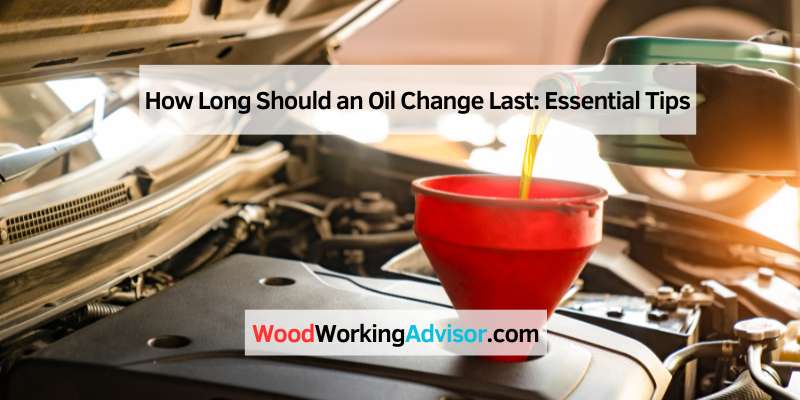
How Long Should an Oil Change Last: Essential Tips
An oil change should typically last for about 3,000 to 5,000 miles, or every 3 to 6 months. However, this can vary based on the vehicle’s make, model, and the type of oil used.
Regular oil changes are crucial to maintaining the engine’s performance and longevity. By following the manufacturer’s recommendations and monitoring your driving habits, you can determine the ideal interval for your oil changes. As a car owner, understanding the frequency of oil changes is essential for maintaining your vehicle’s health and performance.
Oil changes are vital for ensuring the proper lubrication and protection of the engine’s moving parts. We’ll explore the factors that influence the duration between oil changes, helping you make informed decisions to keep your car running smoothly.
The Importance Of Regular Oil Changes
Regular oil changes are vital for maintaining the health and longevity of your vehicle’s engine. The duration between oil changes depends on various factors such as the type of oil used, driving conditions, and the manufacturer’s recommendations. It is generally recommended to change your oil every six months or as advised by your vehicle’s manufacturer.
Why Oil Changes Are Crucial For Your Vehicle
Regular oil changes are a vital aspect of vehicle maintenance. They play a significant role in ensuring the smooth operation and longevity of your car’s engine. By regularly changing your oil, you can prevent unnecessary wear and tear, maintain proper lubrication, and enhance the overall performance of your vehicle.
The Impact Of Delayed Oil Changes
Delaying oil changes can have detrimental effects on your vehicle. Over time, the oil in your engine becomes contaminated with dirt, debris, and other impurities. This can lead to the formation of sludge, which can clog the engine and reduce its efficiency. Additionally, old and degraded oil loses its lubricating properties, causing increased friction and heat buildup within the engine. This can result in engine damage, reduced fuel efficiency, and costly repairs.
Importance Of Regular Oil Changes
Regular oil changes are essential to keep your engine running smoothly and efficiently. Here are some key reasons why oil changes should be a priority in your vehicle maintenance routine:
- Optimal Engine Performance: Fresh oil provides proper lubrication, reducing friction between moving engine parts and preventing excessive wear and tear. This helps maintain optimal engine performance and extends the lifespan of your vehicle.
- Improved Fuel Efficiency: Clean oil reduces engine friction, allowing it to operate more efficiently. This can lead to improved fuel economy, saving you money at the pump.
- Engine Protection: Oil acts as a protective barrier, preventing metal-to-metal contact and reducing the risk of engine damage. Regular oil changes ensure that your engine remains adequately protected.
- Prevention of Costly Repairs: Neglecting oil changes can result in significant engine damage, leading to expensive repairs or even engine replacement. Regular oil changes help identify potential issues early on, preventing major breakdowns and saving you money in the long run.
- Manufacturer’s Recommendations: Following the recommended oil change intervals specified by your vehicle’s manufacturer is crucial. These intervals are designed to maintain optimal engine performance and ensure warranty compliance.
In conclusion, regular oil changes are a fundamental aspect of vehicle maintenance. They not only help maintain optimal engine performance and fuel efficiency but also protect your engine from damage and costly repairs. By adhering to the recommended oil change intervals and using high-quality oil, you can keep your vehicle running smoothly for years to come.
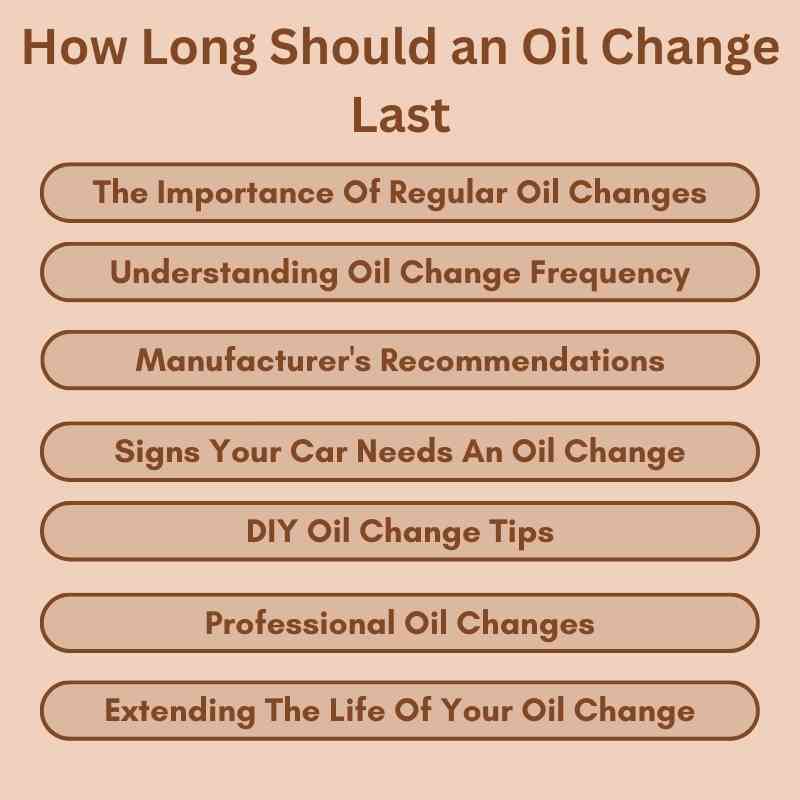
Understanding Oil Change Frequency
Mileage Vs. Time: What Guides Oil Change Schedules?
When it comes to maintaining your vehicle’s engine health, one of the key factors to consider is the frequency of oil changes. Many drivers wonder how often they should change their oil, and the answer depends on various factors.
The traditional rule of thumb for oil changes has been every 3,000 miles or every three months. However, with advancements in engine and oil technology, this guideline has evolved. Modern vehicles can often go longer between oil changes, thanks to improved oil quality and better engine performance.
Mileage is one of the primary factors that determine when you should change your oil. The more you drive, the more frequently you’ll need to change it. However, it’s essential to consider other factors as well, such as time.
Time is an often overlooked aspect of oil change frequency. Even if you don’t drive your vehicle frequently or cover long distances, the oil still deteriorates over time due to factors like temperature changes and contaminants. Therefore, it’s crucial to change your oil based on both mileage and time intervals.
| Mileage | Time |
|---|---|
| 3,000 miles | 3 months |
| 5,000 miles | 6 months |
| 7,500 miles | 9 months |
As shown in the table above, the recommended mileage and time intervals for oil changes can vary. It’s essential to refer to your vehicle’s owner’s manual or consult with a trusted mechanic to determine the specific recommendations for your make and model.
Synthetic Vs. Conventional Oil
Another factor that affects oil change frequency is the type of oil you use in your vehicle. There are two primary types of engine oil: synthetic and conventional.
Synthetic oil is a man-made lubricant that offers several advantages over conventional oil. It provides better protection against engine wear, performs well in extreme temperatures, and lasts longer. As a result, synthetic oil generally allows for longer oil change intervals compared to conventional oil.
On the other hand, conventional oil is derived from crude oil and requires more frequent changes. It may be a suitable choice for older vehicles or those with less demanding engine requirements.
Ultimately, the decision between synthetic and conventional oil depends on your vehicle’s specifications, driving habits, and manufacturer recommendations. Consulting with a qualified mechanic can help you make an informed choice.
By understanding the factors that guide oil change frequency, such as mileage and time intervals, as well as the differences between synthetic and conventional oil, you can ensure proper maintenance of your vehicle’s engine and enjoy optimal performance and longevity.
Manufacturer’s Recommendations
When it comes to determining the frequency of oil changes, following the manufacturer’s recommendations is crucial. These guidelines are designed to optimize the performance and longevity of your vehicle’s engine, ensuring it operates at its best while minimizing the risk of potential damage.
Following Your Vehicle’s Manual
Every vehicle comes with a manufacturer’s manual that provides specific instructions regarding oil change intervals. It typically outlines the recommended mileage or time intervals for oil changes based on driving conditions, climate, and the type of oil used.
Here’s a general overview of manufacturer recommendations for oil changes:
| Driving Conditions | Oil Change Interval |
|---|---|
| Normal | Every 5,000 to 7,500 miles or every 6 months |
| Severe | Every 3,000 to 5,000 miles or every 3 to 6 months |
Exceptions To The Rule
While adhering to the manufacturer’s recommendations is essential, there are exceptions to the standard guidelines. Certain factors may warrant more frequent oil changes, such as:
- Extreme driving conditions (e.g., towing, off-roading)
- Stop-and-go city driving
- Short trips and frequent cold starts
- Older vehicles with high mileage
It’s important to consider these exceptional circumstances and adjust your oil change schedule accordingly to ensure optimal engine health.
Signs Your Car Needs An Oil Change
Regular oil changes are crucial to keep your car running smoothly and efficiently. But how do you know when it’s time for an oil change? Your car will give you signs, both visually and in its performance, when it’s time for fresh oil. Additionally, your dashboard can provide valuable indicators that it’s time to schedule an oil change.
Visual And Performance Indicators
There are several visual and performance indicators that can signal the need for an oil change. These signs include:
- Dark and gritty oil on the dipstick
- Engine running louder than usual
- Exhaust smoke that is darker than normal
- Decreased fuel efficiency
- Unusual engine vibrations
What Your Dashboard Might Tell You
Your car’s dashboard can also provide important clues that it’s time for an oil change. Pay attention to the following dashboard indicators:
- Check engine light illuminated
- Oil change or service engine soon light activated
- Low oil pressure warning
- Engine temperature warning
Keeping an eye out for these visual and performance indicators, as well as paying attention to your dashboard, can help you stay on top of your car’s oil change needs and ensure your vehicle continues to operate at its best.
DIY Oil Change Tips
When it comes to DIY oil changes, one common question is how long should an oil change last. While synthetic oil can last longer, it’s important not to exceed the recommended time interval of six months to a year, especially for low mileage or short trip vehicles.
Make sure to follow the manufacturer’s guidelines to keep your engine running smoothly.
Changing the oil in your car is an essential part of regular vehicle maintenance. It can help extend the life of your engine and keep your car running smoothly. While many people choose to have their oil changed by a professional, it is possible to perform a DIY oil change at home. Here are some helpful DIY oil change tips, including the tools you’ll need and a step-by-step guide to get the job done.
Tools You’ll Need
Performing a DIY oil change requires a few basic tools. Here’s what you’ll need:
- Oil filter wrench
- Oil drain pan
- Funnel
- New oil filter
- New oil
- Rubber gloves
- Jack and jack stands (optional)
Step-by-step Guide
Now that you have your tools ready, it’s time to get started. Here’s a step-by-step guide to help you change your car’s oil:
- Warm up your engine by letting it run for a few minutes. This will help the oil flow more easily.
- Locate the oil pan underneath your car. Place the oil drain pan underneath the oil pan.
- Use the oil filter wrench to remove the oil filter.
- Wait for the oil to drain completely into the oil drain pan.
- Install the new oil filter by lubricating the gasket with clean oil and tightening it by hand.
- Use the funnel to pour the new oil into the engine. Be sure to check your owner’s manual to find out how much oil your car requires.
- Start the engine and let it run for a few minutes to circulate the new oil.
- Turn off the engine and check the oil level with the dipstick. Add more oil if necessary.
- Dispose of the used oil and oil filter properly.
Performing a DIY oil change is a great way to save money and take care of your car at the same time. With the right tools and a little bit of know-how, you can change your car’s oil in no time. Remember to always check your owner’s manual for specific instructions and recommendations for your vehicle.
Professional Oil Changes
The recommended time interval for an oil change varies depending on the manufacturer, but typically it’s every six months or a year, even if the motor is not driven many miles or on many short trips. Synthetic oil can last longer than conventional oil, but it’s essential not to extend oil changes beyond the recommended time interval.
Choosing The Right Service Provider
When it comes to getting an oil change, it’s important to choose the right service provider. While there are plenty of options out there, not all service providers are created equal. It’s important to do your research and find a provider that you can trust to do the job right. Look for a provider that has experience working with your make and model of car, and that uses high-quality oil and filters.
What To Expect During A Service
During a professional oil change service, you can expect the service provider to drain the old oil from your car and replace it with fresh, clean oil. They will also replace the oil filter, which helps to keep your engine running smoothly. Additionally, the service provider may perform a visual inspection of your car to check for any other issues that may need attention.
When it comes to how long an oil change should last, it depends on a variety of factors, including the make and model of your car, how often you drive, and the type of oil that you use. In general, it’s recommended to get an oil change every 5,000 to 7,500 miles or every six months, whichever comes first. However, it’s always a good idea to check your car’s owner’s manual for specific recommendations.
In conclusion, getting a professional oil change is an important part of maintaining your car’s health and longevity. By choosing the right service provider and understanding what to expect during a service, you can ensure that your car is running smoothly and efficiently. And remember, regular oil changes are key to keeping your car on the road for years to come.
Extending The Life Of Your Oil Change
Extending the life of your oil change is essential for maintaining the health of your vehicle. While the recommended interval for an oil change is typically every six months or a year, it is important not to exceed this timeframe, especially if your car is not driven frequently or on short trips.
Regular maintenance will help ensure optimal performance and longevity for your engine.
Effective Driving Habits
Effective driving habits can significantly extend the life of your oil change. Avoiding sudden accelerations and decelerations, maintaining a steady speed, and refraining from excessive idling can reduce the strain on your engine, thus extending the interval between oil changes.
Regular Vehicle Maintenance
Regular vehicle maintenance is crucial for prolonging the life of your oil change. Ensuring that your engine air filter, fuel filter, and PCV valve are regularly inspected and replaced as needed can help maintain the cleanliness of your oil, ultimately extending its lifespan.
Common Myths About Oil Changes
Oil changes are an essential part of car maintenance, but there are many misconceptions surrounding them. Let’s debunk some of the most common myths.
Debunking Misconceptions
Myth 1: You should change your oil every 3,000 miles.
Myth 2: Synthetic oil doesn’t need to be changed as often as conventional oil.
Myth 3: You can go a year without changing your oil if you don’t drive much.
Truth Behind Oil Change Intervals
Contrary to popular belief, the frequency of oil changes depends on several factors, such as the type of oil used, driving conditions, and the manufacturer’s recommendations.
It is equally important to not extend oil changes beyond the time interval recommended by the manufacturer.
While synthetic oil generally lasts longer, it’s crucial to adhere to the manufacturer’s guidelines, typically around 6 months to a year, especially for vehicles driven infrequently or on short trips.
Frequently Asked Questions
How Often Do I Really Need To Change My Oil?
You should change your oil every six months or as recommended by the manufacturer. Synthetic oil can last longer, but don’t exceed the recommended time interval.
Can You Go 2 Years Without Changing Oil?
It is not recommended to go 2 years without changing oil. Stick to the manufacturer’s recommended interval.
How Many Miles Can You Go Over An Oil Change?
It is important not to exceed the recommended time interval for an oil change, typically six months to a year. Synthetic oil may last longer, but it is still essential to follow the manufacturer’s guidelines. Driving conditions and mileage can also impact the frequency of oil changes.
How Soon Is Too Soon For An Oil Change?
It is recommended to change your oil every 3,000 to 5,000 miles, or every 6 months, whichever comes first. However, it is important to follow the manufacturer’s recommendation for your specific make and model. Extending oil changes beyond the recommended interval can cause engine damage.
Conclusion
The duration of an oil change depends on various factors such as the type of oil used, driving conditions, and the manufacturer’s recommendations. While synthetic oil may last longer, it is crucial not to exceed the recommended time interval. Changing the oil regularly, typically every six months or a year, ensures the longevity and optimal performance of your vehicle.
Remember, it’s always best to consult your manufacturer’s guidelines or seek advice from a trusted mechanic to determine the ideal frequency for your specific car.