Is Teak Oil Food Safe? No, Here’s What to Use Instead
No — treat commercial “teak oil” as not food safe by default, and use a product explicitly labeled food-safe (usually pure mineral oil or a mineral-oil-and-beeswax blend) on any cutting board, bowl, or utensil instead. “Teak oil” isn’t oil pressed from teak trees and isn’t one standardized formula — it’s a marketing name for a blended wood finish, and most commercial blends include ingredients that have no business touching food.
What’s Actually In a Bottle of “Teak Oil”
Actually Food-Safe (Unlike Most Teak Oil)
 |
Howard Butcher Block Conditioner, Food-Grade Mineral Oil – $9.18 The exact category this article recommends over teak oil — food-grade mineral oil with beeswax, safe for any surface that touches food.
|
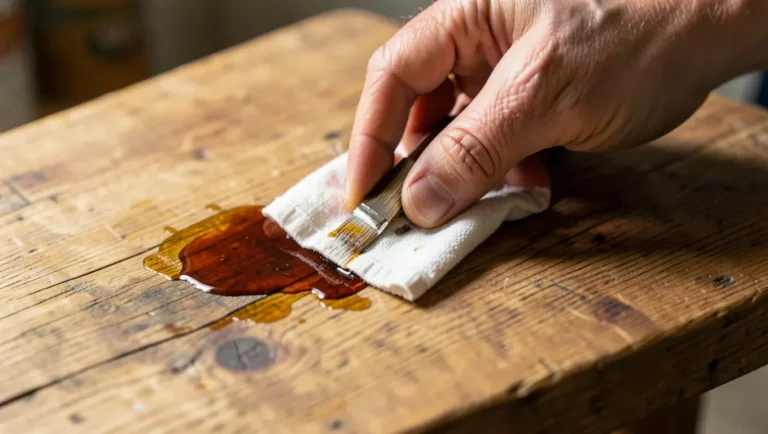
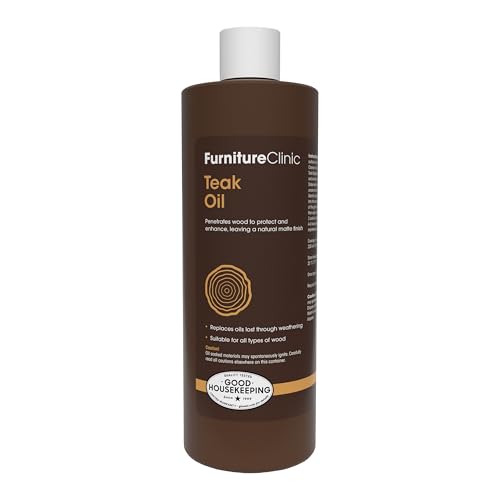
“Teak oil” is named for its intended use — on teak outdoor furniture and boat decks — not its origin. Most commercial products are a blend of a drying oil (typically linseed and/or tung oil) with varnish resins, mineral spirits as a solvent/thinner, and often metallic drying agents (compounds like cobalt or manganese naphthenate) that speed up curing. Those additives are exactly what makes teak oil good at what it’s actually designed for — penetrating and hardening quickly to protect wood left outdoors — and exactly why you shouldn’t assume it’s fine near food. There’s no single legal definition of “teak oil,” so formulations and their safety genuinely vary by brand; a handful of products are specifically reformulated and labeled food-safe, but they’re the exception, and you can’t tell which is which without checking the label.
A Related Trap: “Tung Oil” vs. “Tung Oil Finish”
This same naming confusion trips people up with tung oil, and it’s worth knowing since tung oil is one of the actual food-safe options. 100% pure tung oil, once fully cured, polymerizes into a hard, non-toxic film and is genuinely food-safe. But most bottles labeled “tung oil finish” on hardware store shelves are a blend — tung oil cut with varnish, thinners, and driers, similar to teak oil’s formula — and are not food safe despite the name on the label. If you specifically want tung oil for a food-contact project, check for “100% pure tung oil” on the label, not “tung oil finish.”
What’s Actually Food Safe
| Finish | Food safe? | Notes |
|---|---|---|
| Food-grade mineral oil | Yes | The standard choice — inert, won’t go rancid, covered under FDA food-contact regulations (21 CFR 178.3620) |
| Mineral oil + beeswax conditioner | Yes | Same safety as plain mineral oil, with beeswax adding a bit more surface protection |
| 100% pure tung oil (fully cured) | Yes | Must say “100% pure,” not “tung oil finish” |
| Walnut oil | Conditional | Food-safe when cured, but it’s a tree nut oil — a real allergy risk for anyone with a nut allergy using or eating off that surface |
| Plain coconut, olive, or vegetable oil | No, not recommended | These contain unsaturated fats that go rancid over time, unlike mineral oil, and can develop off-smells or support bacterial growth on a cutting surface |
| Teak oil (standard commercial blend) | No, by default | Contains solvents and metal driers not intended for food contact unless the specific product is labeled food safe |
The Allergy Risk Most Guides Never Mention
Walnut oil shows up on a lot of “food-safe wood finish” lists, and it is genuinely food-safe once cured — but it’s pressed from tree nuts, which makes it a real consideration if anyone using the item (or eating food prepared on it) has a tree nut allergy. This isn’t a hypothetical: nut-oil finishes on cutting boards and utensils have been flagged by allergists as a possible, if minor, exposure route. If the item is a gift, for a shared kitchen, or for a household with a known nut allergy, mineral oil is the safer default over walnut oil for this reason alone.
Where Teak Oil Is Still the Right Choice
None of this means teak oil is a bad product — it’s just the wrong product for anything that touches food. For outdoor teak furniture, boat decks, and non-food teak items, its fast-curing, weather-resistant formula is exactly what it’s designed for, and it does that job well. The line to draw is simple: food-contact surface, use something labeled food safe; everything else, teak oil is a legitimate and popular choice.
How to Tell If a Specific Product Is Food Safe
- Look for the words “food safe” or “food contact safe” printed on the label itself — not implied, not “natural,” explicitly stated.
- Check the ingredient list if provided. Mineral oil, beeswax, and carnauba wax are the ingredients you want to see. Solvents, driers, and “proprietary blend” with no ingredient disclosure are red flags for food-contact use.
- When in doubt, default to plain, USP-grade food mineral oil — it’s inexpensive, widely available, and there’s no ambiguity about its safety.
Frequently Asked Questions
Is teak oil food safe?
Not by default. Most commercial teak oil blends contain solvents and metallic drying agents not intended for food contact. Use it on outdoor furniture and boats, and use a product explicitly labeled food safe — typically mineral oil — for anything that touches food.
What wood oil is food safe?
Food-grade mineral oil is the standard choice, often combined with beeswax in a conditioner. 100% pure tung oil (not “tung oil finish”) is also food-safe once fully cured.
Is teak wood itself safe for food?
Yes, untreated teak wood is safe for cutting boards and utensils and is naturally moisture- and bacteria-resistant. The concern is with the finish applied to it, not the wood species itself.
Is walnut oil a good choice for a cutting board?
It’s food-safe once cured, but it’s a tree nut oil, which is a real allergy consideration for anyone with a nut allergy. Mineral oil is the safer default if the item will be shared or gifted.
Can I use coconut oil on a cutting board?
Plain coconut oil isn’t recommended — like other cooking oils, it can go rancid over time and develop off-smells. Fractionated coconut oil, with the unstable fats removed, doesn’t have this problem, but mineral oil remains the simpler, more standard choice.
Sponsored / affiliate links. As an Amazon Associate I earn from qualifying purchases. I may earn additional commission from eligible campaigns.