How Long Should Engineered Hardwood Acclimate?
Are you planning to revamp your floors with engineered hardwood? Before you dive into the installation process, there’s a crucial step you must not overlook: acclimation.
You might wonder, “How long should engineered hardwood acclimate before installing? ” This phase is vital to ensure your flooring looks stunning and lasts for years to come. Imagine investing in beautiful engineered hardwood only to face problems like warping or gaps after installation.
Understanding the acclimation process is your ticket to avoiding these pitfalls. By giving your flooring the right amount of time to adjust to its new environment, you safeguard your investment and ensure your floors look flawless and fit perfectly. This article will guide you through the acclimation process, providing you with clear, actionable steps. You’ll discover why acclimation matters, how long it typically takes, and how it ultimately impacts the durability and appearance of your floors. Stick around to learn how to make the most out of your engineered hardwood installation!
Credit: www.lifecoreflooring.com
Acclimation Basics
Acclimation helps hardwood adjust to its new home. It prevents cracks and warps. The wood needs to match the room’s temperature and moisture. This keeps it strong and stable. Without acclimation, floors might move. This causes gaps or lifts. Proper acclimation makes floors last longer. It is important for a smooth installation.
Several things change acclimation time. Room temperature is a factor. Moisture in the air matters too. The type of hardwood is important. Some woods need more time. Storing wood correctly helps. Keep it in a steady environment. Avoid big temperature swings. Weather can change acclimation time. Cold days slow the process. Warm days speed it up. Consider all these factors. They decide how long to wait.
Ideal Environment
Engineered hardwood needs the right temperature. The best range is 60 to 80 degrees Fahrenheit. This helps the wood settle well. It should be stored in this temperature for at least 48 hours. This way, the wood won’t shrink or expand much. Keep the room at a steady temperature. Avoid big changes in heat or cold. This can damage the wood.
Humidity is very important for wood. It should be between 30% and 50%. Too much moisture makes the wood swell. Too little makes it shrink. Use a humidifier or dehumidifier if needed. Monitor humidity with a gauge. This keeps the wood stable and looking good. Proper humidity ensures long-lasting floors.
Recommended Timeframes
Engineered hardwood needs time to acclimate before installation. Each manufacturer provides specific guidelines. Always check the instructions on the packaging. Some brands recommend 48 hours of acclimation. Others may suggest up to 72 hours. Ensuring proper conditions is key. Keep the wood in the installation room. Maintain room temperature and humidity levels. This helps the wood adjust to its environment. Following these steps prevents warping and gapping.
Most experts agree on a minimum of 48 hours for acclimation. Some installers prefer 72 hours or more. The wood should be in its installation area. This stabilizes its moisture content. Use a moisture meter to check levels. The room should have stable temperature and humidity. Avoid drastic changes in conditions. Proper acclimation ensures a smooth installation. It helps avoid future issues.
Preparation Steps
Make sure the room is ready for the new floor. Clean the area thoroughly. Check that the room’s temperature is stable. Keep it between 60°F and 80°F. Humidity should be around 30% to 50%. This helps the wood adjust.
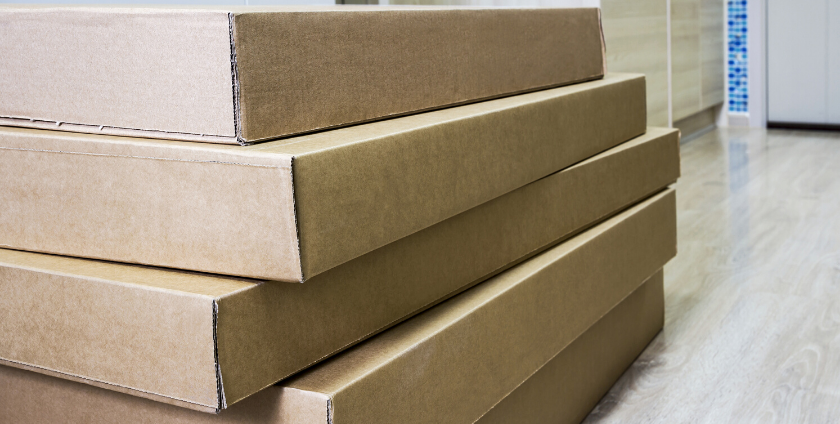
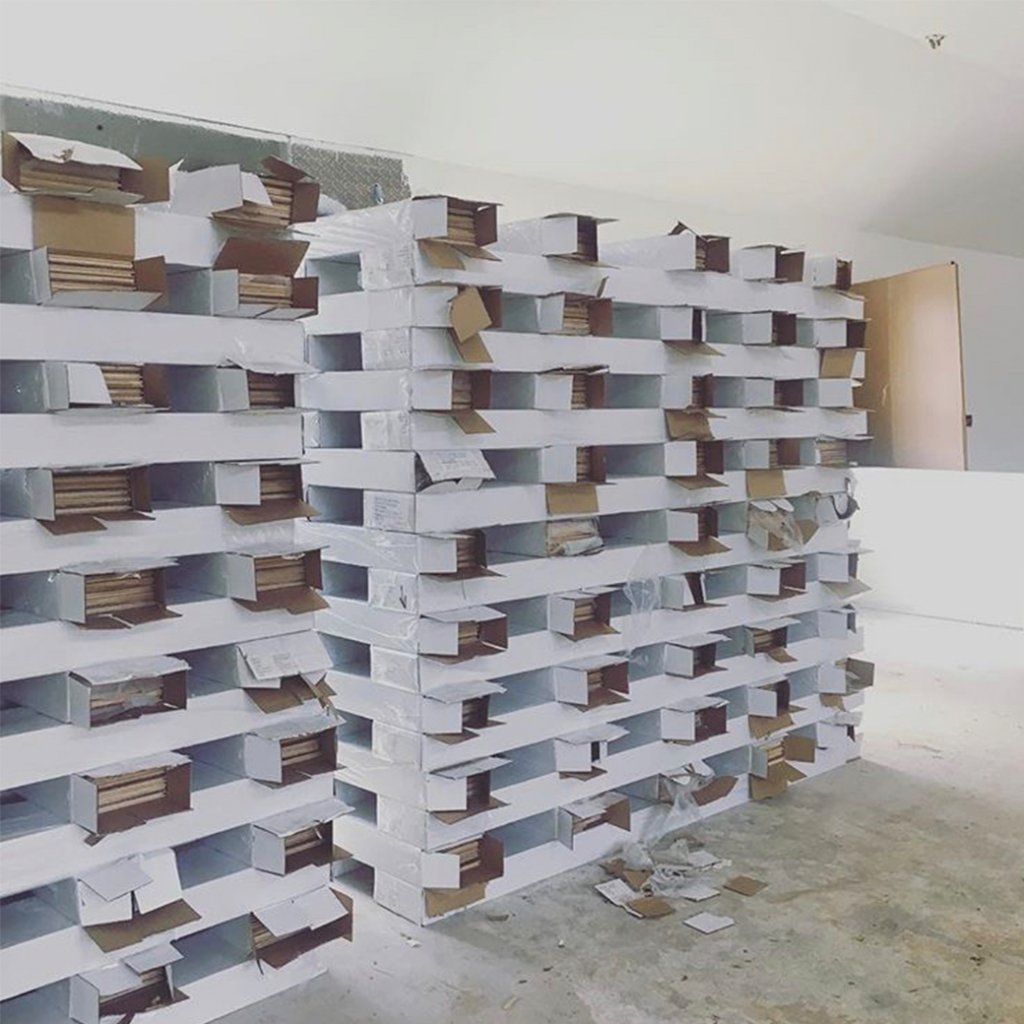
Stack the hardwood in the room. Do not open the boxes yet. Leave them for at least 48 hours. This is called acclimation. The wood needs time to get used to its new home. Check the condition of the boxes. They should be dry and intact. Rotate the boxes every 12 hours. This helps air flow around the wood.
Monitoring Acclimation
Engineered hardwood needs time to adjust to its new environment before installation. Typically, this acclimation period lasts 48 to 72 hours. Proper acclimation helps prevent warping and ensures the floor remains stable and beautiful over time.
Signs Of Proper Acclimation
Engineered hardwood needs time to adjust. This is called acclimation. Check the wood for changes in shape. Look for swelling or shrinking. These are signs the wood is adjusting. Proper acclimation helps the wood fit well. This prevents gaps or buckling later.
Using Moisture Meters
A moisture meteris a helpful tool. It measures water in the wood. The wood should have the same moisture as the room. This is important before installing. Use the meter to check often. Wait until the numbers match. This ensures the wood is ready.
Common Mistakes
Engineered hardwoodneeds time to adjust. It should rest in the new space. This helps avoid problems later. People often skip this step. They install the floor too fast. This can cause gaps or warping. Allow 48 to 72 hoursfor acclimation. It’s a simple but important rule.
The room’s temperature and humiditymatter. They impact the wood’s shape. Ignoring these can lead to trouble. Check the room’s conditions. Make sure they are steady. Keep the room at normal levels. This avoids future issues.
Post-acclimation Tips
Engineered hardwoodshould be ready for installation. Check all tools first. Ensure the room is clean and dry. This helps the wood stay perfect. The floor must be smooth. Fix any bumps or holes. Double-check the humidity levels. It should be stable. Keep it between 30% and 50%. Follow the manufacturer’s instructions.
Installation Readiness
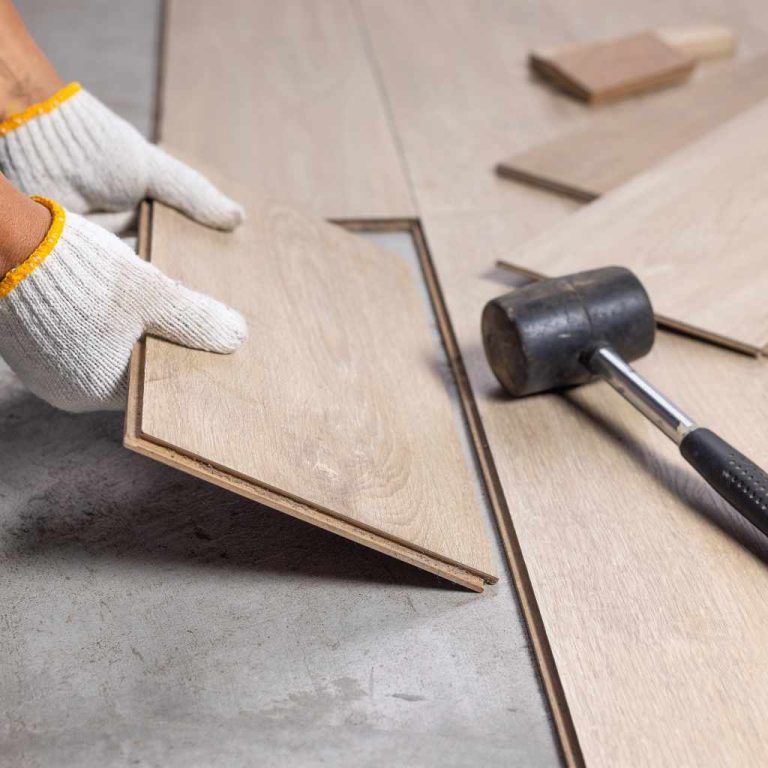
Lay out all boards. Let them breathe. This helps them adjust. Arrange them in the pattern you want. Use spacers for gaps. They need space to expand. Use a saw for cutting. Wear gloves for safety. Protect your eyes too. Check the alignment. Make sure everything fits tight.
Maintaining Optimal Conditions
Keep the room temperature steady. It should be between 60 and 80 degrees. Avoid sudden changes. They can harm the wood. Use a humidifier if needed. Keep windows closed. Stop drafts from changing the air. Follow these steps for the best results.
Credit: www.lifecoreflooring.com
Frequently Asked Questions
How Long Should Engineered Hardwood Acclimate?
Engineered hardwood should typically acclimate for 3 to 7 days. This allows the wood to adjust to the room’s temperature and humidity. Proper acclimation helps prevent future warping or gaps. It’s crucial to follow the manufacturer’s guidelines for the best results.
Always place the planks in the installation area during this period.
Why Is Acclimation Important For Engineered Hardwood?
Acclimation is crucial for ensuring the stability of engineered hardwood. It allows the wood to adjust to the room’s conditions, reducing the risk of expansion or contraction after installation. Without proper acclimation, the floor could develop gaps or buckle, leading to costly repairs.
Always prioritize this step before installation.
Can You Speed Up The Acclimation Process?
It’s not recommended to rush the acclimation process. Speeding it up can lead to improper adjustment, causing future issues like warping or gaps. Always follow the manufacturer’s guidelines. Ensure the room is at normal living conditions with stable temperature and humidity for the best results.
What Factors Affect Acclimation Time?
Several factors influence acclimation time, including room temperature, humidity, and the type of subfloor. The manufacturer’s recommendations should always be considered. Additionally, the geographical location and current weather conditions can also play a role. Proper acclimation ensures the longevity and performance of your engineered hardwood.
Conclusion
Acclimating engineered hardwood is crucial for a successful installation. This process ensures the wood adjusts to your home’s climate. Typically, it takes 3 to 7 days. Your patience during this time prevents future problems. Warping or gaps can ruin your floors.
Always check the manufacturer’s guidelines for specific advice. Following these steps leads to beautiful, long-lasting floors. Enjoy your new, stunning hardwood without stress. Remember, proper preparation makes all the difference. Your efforts now will pay off later. Happy installing and enjoy the beauty of your home!