Natural Rubber Rug Pad for Hardwood Floors: Does It Stain?
Genuine 100% natural rubber rug pads do not stain or discolor hardwood floors — the amber “nicotine” stains blamed on rubber pads almost always come from PVC or synthetic-rubber blends loaded with plasticizers. Refinishing a floor after plasticizer staining runs about $1,200, and the damage often doesn’t show for months. This guide covers how to verify a pad is truly natural rubber, the right thickness and size, and when to skip rubber pads altogether.
Insert your Affiliate Disclosure reusable block here.
Quick Answer
Yes, but only if it’s genuine 100% natural rubber (sometimes labeled “natural latex”) — not a synthetic-rubber or PVC blend. Real natural rubber contains no plasticizers, so it won’t leave the amber stains associated with cheap “rubber-backed” pads. Check the label for “100% natural rubber” or “natural latex,” and skip rubber pads on LVT/LVP or floating floors.
Does a Natural Rubber Rug Pad Stain Hardwood Floors?
Best Natural Rubber Rug Pad Pick
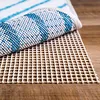
Slip-Stop Ultra Stop Natural Rug Pad
A low-profile, open-weave pad made from natural rubber with no plasticizers or adhesives — trims easily to custom shapes.
- Best for: Buyers who want confirmed 100% natural rubber, not a felt+rubber blend
- Why we picked it: Made in the USA, backed by a 10-year guarantee, and priced lower than most felt+rubber combo pads
- Main drawback: Thinner than felt+rubber pads, so it adds grip but not much cushioning
Compare more rug pad options
 Option 1 RugPadUSA Dual Surface Felt + Rubber
|
 Option 2 BAGAIL Felt + Natural Rubber Pad
|
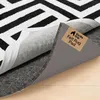 Option 3 Gorilla Grip Felt + Rubber Pad
|
As an Amazon Associate we earn from qualifying purchases.
No — genuine natural rubber does not stain hardwood, but the confusion is understandable. Most of the horror stories about “rubber pads ruining my floor” actually involve budget rug grippers made from PVC (vinyl) or synthetic rubber, not pure natural rubber. Those materials contain plasticizers — softening chemicals that migrate out of the backing over time and react with a floor’s polyurethane finish, leaving the amber or orange discoloration sometimes called “nicotine staining.”
Genuine natural rubber, tapped from the hevea tree, has no plasticizers to leach. It grips through surface tension and dense cell structure, not tackiness, so it doesn’t bond to a finish the way an adhesive-backed pad can.
📊 Refinishing a hardwood floor after plasticizer staining costs roughly $1,200 on average. — Source: RugPadUSA
“There may be a synthetic rubber backing on the carpet, or under-pad. If these were made with cheap plasticizers they may have migrated into the floor finish.”
— WoodFloorDoctor.com, flooring Q&A resource
How to Tell If a Pad Is Genuine Natural Rubber
Natural rubber rug pad is a floor-protection product made from coagulated latex sap that grips through friction rather than adhesive. The word “rubber” alone on a label doesn’t guarantee that — synthetic rubber and PVC are often sold under the same generic term. Four checks separate the real thing from a look-alike:
- Read the exact wording: Look for “100% natural rubber” or “natural latex” on the packaging. “Rubber” or “non-slip backing” by itself is a red flag — it’s often PVC or a synthetic blend.
- Check for a GOLS certification: The Global Organic Latex Standard verifies at least 95% organically grown natural latex and caps harmful additives. Not every honest pad carries it, but if a listing mentions GOLS, that’s a strong signal.
- Smell it: Genuine natural rubber has a faint, earthy latex smell. A sharp plastic or solvent odor points to PVC or a petroleum-based synthetic.
- Check the return policy for “acceptable for use with hardwood”: Reputable natural rubber brands print this directly on the packaging because they’ve tested it against wood finishes; vague “works on all floors” language usually hasn’t been.
Why Natural Rubber Works So Well on Hardwood
Beyond not staining the floor, natural rubber’s density and open-cell structure give it two practical advantages over foam, felt-only, or PVC alternatives.
If you are weighing rubber against felt or a combo pad for a specific rug and room, see our full breakdown of carpet and rug pad types for hardwood floors for a side-by-side comparison.
Grip Without Adhesive
Natural rubber holds a rug in place through surface tension and weight, not tack. That means it can be lifted, moved, and reused across rooms without leaving residue — something adhesive-backed and some PVC pads can’t do once they’ve been down a season.

Cushioning That Protects the Finish
A dense rubber layer absorbs foot traffic and furniture pressure before it reaches the floor, reducing the fine scuffing and dulling that shows up under rugs in high-traffic hallways and entryways within a year or two of going bare.
Choosing the Right Thickness and Size
Thickness by Traffic Area
Aim for at least 1/4 inch of thickness for a pad that will actually cushion foot traffic, not just grip. A thinner, low-profile pad (around 1/8 inch) works fine under a doorway or in a low-traffic spot where a rug needs to sit nearly flush with the floor. In hallways, entryways, and under furniture, the thicker 1/4-inch pads reduce wear on both the rug and the finish underneath.
Sizing Rule and Custom Cuts
Cut the pad about 1 inch smaller than the rug on every side. That keeps the pad hidden under the rug’s edge so it doesn’t peek out or catch a foot, while still supporting the entire footprint of the rug. Most natural rubber pads ship in standard sizes (3’x5′, 5’x8′, 8’x10′) and can be trimmed with scissors to fit an odd-shaped or runner-style rug — measure the rug first, then the floor space, and cut to the smaller of the two if they don’t match.
When Not to Use a Rubber Rug Pad
Natural rubber is the safer choice for finished solid and engineered hardwood, but it isn’t universal. Manufacturers generally advise against natural rubber rug pads on LVT/LVP (luxury vinyl) flooring, since the two materials can react with each other over time even without added plasticizers. It’s also not recommended on floating floors, where the extra grip can restrict the floor’s normal expansion and contraction, or in rooms with radiant floor heating, sustained high heat can soften and prematurely degrade the rubber. For those situations, a certified felt-only pad rated for the specific flooring type is the safer pick — check the flooring manufacturer’s own rug-pad guidance before buying.
How to Install and Maintain a Natural Rubber Rug Pad
Installation Steps
- Clean the floor: Sweep or vacuum the area so no grit gets trapped under the pad, where it can act like sandpaper under foot traffic.
- Confirm the finish is fully cured: Wait until a newly finished or refinished floor has fully cured, per the finish manufacturer’s timeline, before placing any rug pad.
- Unroll and flatten: Lay the pad flat and let it relax for a few minutes before trimming — it may hold a slight curl from packaging.
- Trim to size: Cut the pad about 1 inch smaller than the rug on all sides using sharp household scissors.
- Center the rug on top: Position the rug so the pad is fully hidden underneath, then smooth out any wrinkles by hand.
Cleaning and Care
Vacuum the pad occasionally with a brushless attachment to remove grit that works its way through the rug. If it needs a deeper clean, hand-wash with cool water and a mild detergent, then air-dry flat away from direct sun and heat — both can accelerate rubber breakdown over years of use. Skip hot water, bleach, and fabric softener, which degrade natural rubber faster than normal wear does.
Natural Rubber vs. Felt vs. PVC: Which Backing Should You Buy?
| Backing Material | Floor-Safe? | Grip | Best For |
|---|---|---|---|
| 100% Natural Rubber | Yes — no plasticizers | Strong | Finished solid/engineered hardwood |
| Felt + Natural Rubber Combo | Yes | Strong + cushioned | High-traffic rooms, heavy rugs |
| 100% Felt (no backing) | Yes | Weak alone | Layering under a rubber or grip pad |
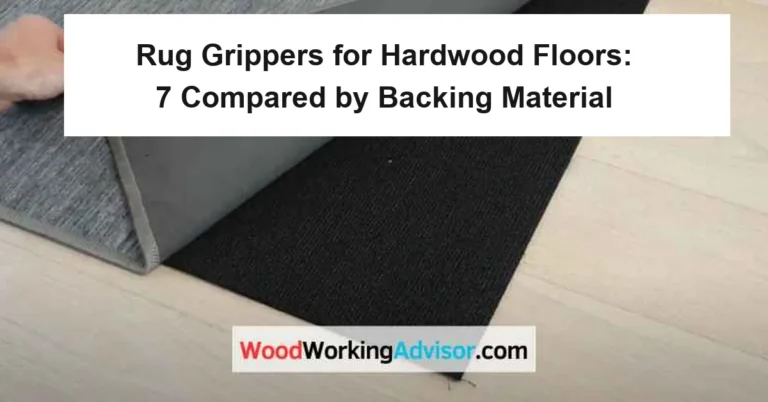
| PVC / Synthetic Rubber | Risk of staining | Strong (adhesive-like) | Carpet or tile only — avoid on hardwood |
Frequently Asked Questions
Are rubber-backed rug pads safe for hardwood floors?
Yes, as long as the backing is genuine 100% natural rubber or natural latex. Synthetic rubber and PVC backings are the ones linked to amber staining and finish damage — check the label before buying.
Does a natural rubber rug pad stain hardwood floors?
No. Genuine natural rubber contains no plasticizers, so it doesn’t leach the chemicals that cause amber discoloration. Staining complaints almost always trace back to PVC or synthetic-rubber blends mislabeled or sold generically as “rubber.”
What thickness rug pad is best for hardwood floors?
1/4 inch is the standard recommendation for cushioning and durability in normal-traffic rooms. A thinner 1/8-inch pad works for low-traffic spots or doorways where the rug needs to sit closer to the floor.
Can I use a natural rubber rug pad on engineered hardwood or LVT/LVP flooring?
Engineered hardwood with a sealed finish is generally fine. LVT/LVP (luxury vinyl) is different — most manufacturers advise against natural rubber pads on vinyl flooring, so use a pad specifically labeled safe for LVT/LVP instead.
What size rug pad should I buy?
Buy a pad about 1 inch larger than your final trimmed size needs to be, then cut it down so it sits roughly 1 inch smaller than the rug on all sides. This keeps the pad hidden under the rug’s edge.
How do I clean a natural rubber rug pad?
Vacuum it with a brushless attachment to remove grit, or hand-wash with cool water and mild detergent for a deeper clean. Air-dry away from direct sun and heat, and avoid hot water, bleach, and fabric softener, which break down natural rubber faster.
Conclusion
A genuine 100% natural rubber pad is one of the few rug-pad materials that protects hardwood floors without any risk of the amber staining that gives “rubber” pads their bad reputation — as long as you confirm the label before buying. Check thickness against your traffic level, trim to size, and skip rubber entirely on LVT/LVP or floating floors. For more on keeping rugs from sliding in the meantime, see our guide to stopping rugs from sliding on hardwood, or browse our full hardwood flooring guide for care and repair topics.
Sponsored / affiliate links. As an Amazon Associate I earn from qualifying purchases. I may earn additional commission from eligible campaigns.