Wood Care & Protection: Cleaning, Repair & Pest Defense
For outdoor pieces specifically, see our full breakdown of how to seal outdoor wood furniture, including which sealant type actually fits your wood species.
ragraph”>Keeping wood in good shape comes down to three things: cleaning it correctly, repairing damage early, and protecting it from moisture and pests. This guide covers how to remove marks and stains, fix rot and water damage, seal wood against moisture, and defend against termites — so your wood lasts for decades.
The same cleaning and moisture-avoidance principles apply to smaller wood goods too, not just furniture and structures — see our guide to caring for a wooden hair comb for a compact example.
Quick Answer
Protect wood by keeping it clean and dry, sealing it against moisture, repairing rot and water damage early, and watching for termites. Remove water rings and scratches promptly, seal end-grain and ground contact, and keep wood off bare concrete.
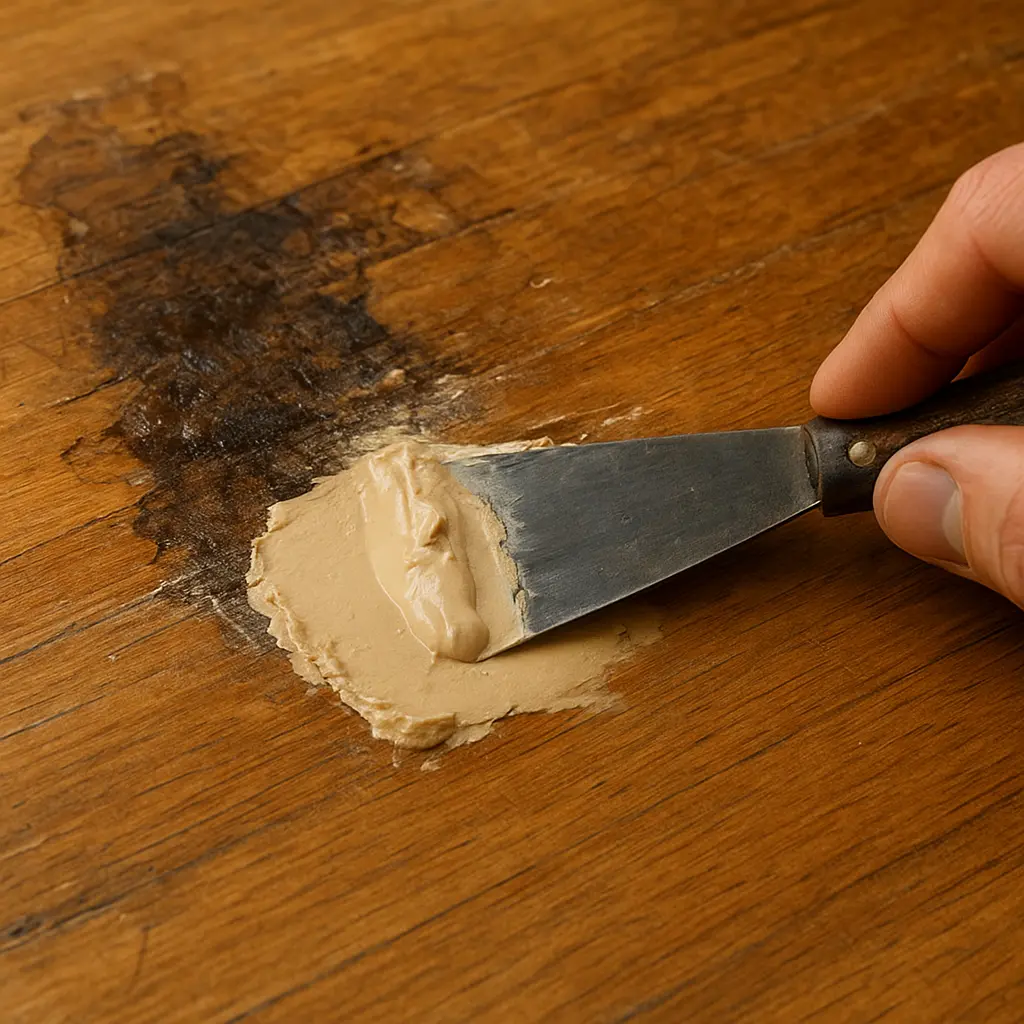
Cleaning & removing marks
Most surface damage is fixable. Learn how to get water rings out of wood and remove scratches from wood furniture before they become permanent. Floors need a gentler routine than furniture — see our guide on how to clean cherry wood floors without dulling the finish, or our broader step-by-step hardwood floor cleaning guide for other wood species. For a periodic full deep clean rather than routine upkeep, see how to deep clean hardwood floors without causing damage. For black scuff marks specifically (as opposed to a cut in the finish), see our removing scuffs from hardwood floors guide. To stop furniture from causing these marks in the first place, see our guide on protecting hardwood floors from furniture. If a floor scratch has already happened, our hardwood scratch repair guide covers finish-only fixes vs. deeper gouges.
Repairing damaged wood
Catch damage early. See how to fix water-damaged wood, repair a rotting wood post without replacing it, repair a damaged wooden door, fill holes in wood, and fill large gaps in wood trim. For the epoxy process itself — consolidant vs filler, mixing, and depth limits — see our wood rot repair epoxy guide. For finish-level damage — scratches, water rings, cloudy haze — rather than the wood itself, see our furniture finish repair guide. For cracked cabinet doors specifically, see how to fix cracks in wood cabinets. For impact dents and dropped-object holes in a hardwood floor specifically, see how to fill hardwood floor holes.
Protecting wood from moisture & rot
Moisture is wood’s biggest enemy. Seal it properly — know what to seal pine with and how to apply spar urethane for outdoor protection. Keep wood off damp surfaces: what to put between concrete and wood prevents wicking and rot. Understanding heartwood vs sapwood also helps, since heartwood resists decay better. Left unchecked, trapped moisture also invites mold — see our guide on how to remove mold from rough cut wood if it has already taken hold.
Termite & pest protection
Termites can destroy wood from the inside. Learn to spot termite-infested wood, identify black wingless termites, and know what termite wings around the house mean — early detection saves structural wood. Species selection matters too — some woods, like sal wood used for door frames, resist termites naturally thanks to their dense grain and resinous oils, reducing how often you need to treat or replace them. For a natural, DIY-friendly deterrent for ants, moths, and other household pests (not termites) — and a look at how well cedar actually repels ants versus an established colony — see our cedarwood oil pest control guide. Wood roaches are a separate nuisance entirely (they can’t breed indoors) — see what repels wood roaches naturally for the DIY sprays and barrier methods that work on them.
Creative wood care: wood burning
Beyond protection, wood can be decorated. Pyrography (wood burning) is a popular craft — start with these free wood burning stencil patterns for beginners.
Protecting outdoor wood
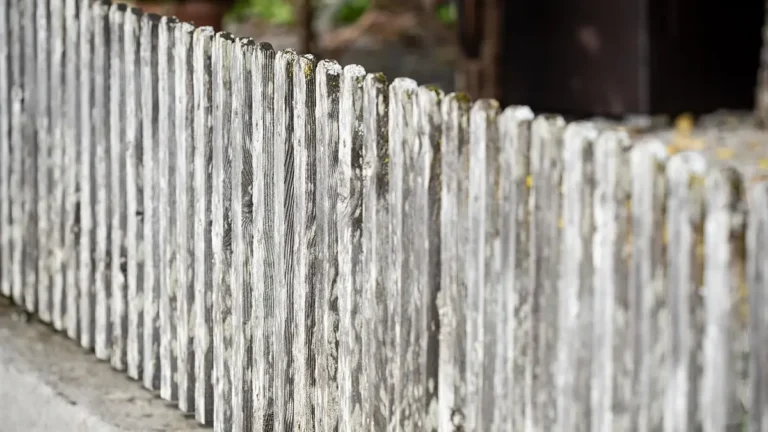
Outdoor wood faces sun, rain, and ground moisture. Protect it by sealing end grain (where water enters fastest), applying a UV-resistant finish like spar urethane or a penetrating deck oil, and re-coating every one to two years. Keep wood off bare soil and concrete, ensure good drainage, and choose naturally rot-resistant species (cedar, redwood, teak) or pressure-treated lumber for ground contact. This end-grain vulnerability is even more extreme on cut wood slices, which are almost entirely end grain — see our guide to preserving wood slices for slice-specific drying and sealing steps. The same end-grain sealing and spar urethane approach also applies to a whole log kept with the bark on — see how to preserve wood logs with bark for the full bonding and sealing process.
When to refinish vs repair
Clean first, repair second, refinish last. If the finish is intact but dull, a clean and re-coat is enough. If the finish is worn, cracked, or greyed, strip and refinish. Only cut out and replace wood when rot is soft and structural — surface damage and small rot pockets can be filled and refinished.
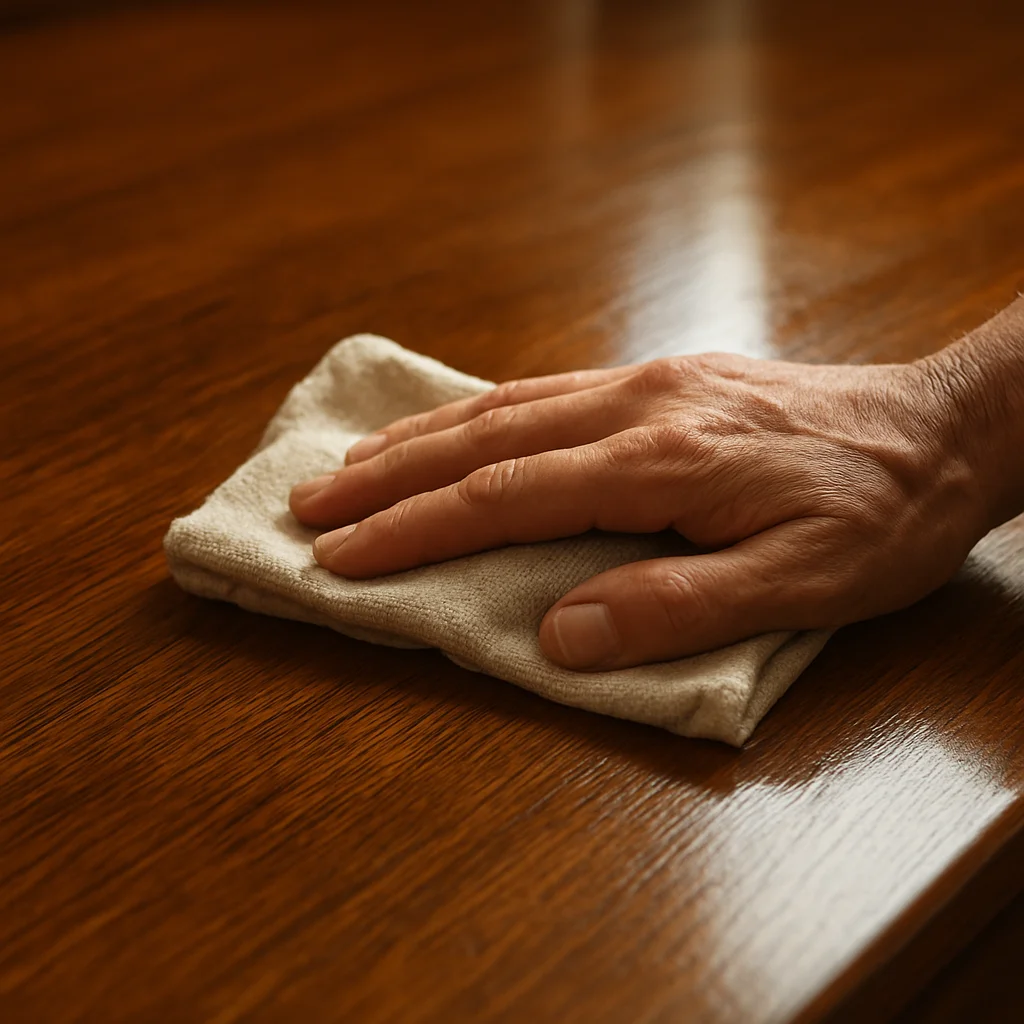
A simple wood care routine
- Weekly: dust with a soft dry cloth; wipe spills immediately.
- Monthly: clean with a barely-damp cloth and a wood-safe cleaner — never soak wood.
- Yearly: re-oil or re-wax interior pieces; re-seal outdoor wood and decks.
- Always: use coasters and trivets, and keep wood out of direct sun and away from heat vents to prevent drying and cracking.
Key wood care terms
Dry rot is fungal decay that breaks down dry-seeming wood, leaving it cracked and crumbly; needs moisture to start but spreads in still, humid air.
Wet rot is fungal decay in wood that stays damp, leaving it soft, dark, and spongy — more common and localized than dry rot.
End grain is the exposed, porous ends of a board where the fibers are cut; it absorbs water fastest and must be sealed.
Moisture content is the percentage of water in wood; stable indoor wood sits at 6-8%, and high moisture invites rot and movement.
Spar urethane is a flexible, UV-resistant film finish made for outdoor and marine wood that expands and contracts with the weather.
Heartwood is the older, denser inner wood of a tree that resists decay far better than the outer sapwood.
Removing specific stains and marks
Different marks need different fixes:
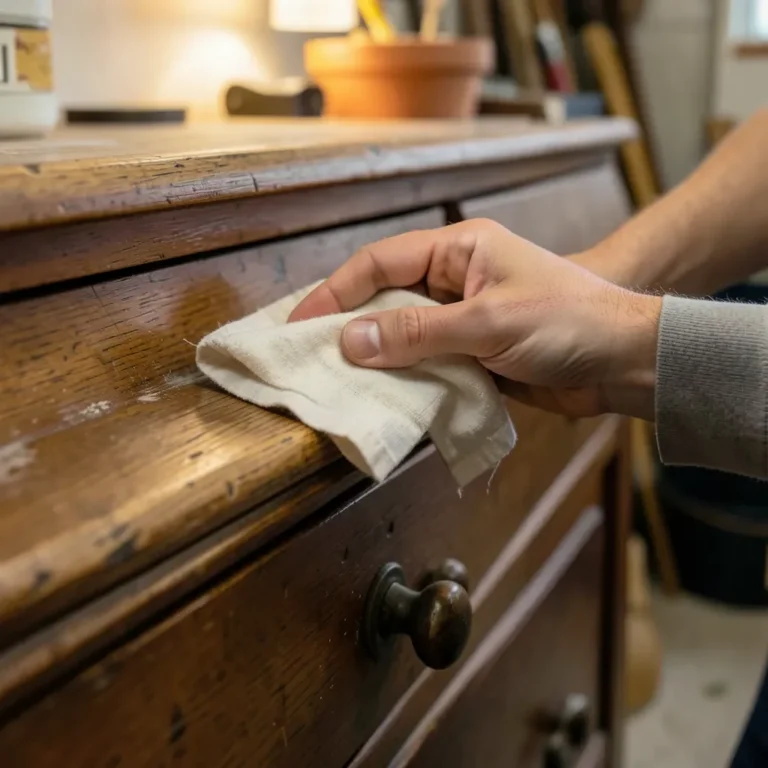
- White rings/cloudiness — moisture trapped in the finish (not the wood). Draw it out with gentle heat (a hairdryer or an iron over a cloth) or rub in a little mayonnaise or non-gel toothpaste.
- Dark rings — water has penetrated into the wood; these usually need light sanding and refinishing, or a wood bleach (oxalic acid).
- Grease/oil — blot, then clean with a mild dish-soap solution on a barely-damp cloth.
- Ink or marker — dab with rubbing alcohol on a cotton swab, working from the outside in.
- Heat marks — treat like white rings; gentle heat or an oil rub often lifts them.
- Tree sap — freeze it hard with an ice cube for 10 to 15 minutes, then scrape gently with a plastic tool. See our full guide on removing tree sap from a hardwood floor for finish-safe methods.
- Hardened resin or pitch — once sap cures into a hard, amber blob, ice alone will not lift it. See our guide on how to remove resin from wood for solvent and heat-gun methods.
Reviving dry, dull wood
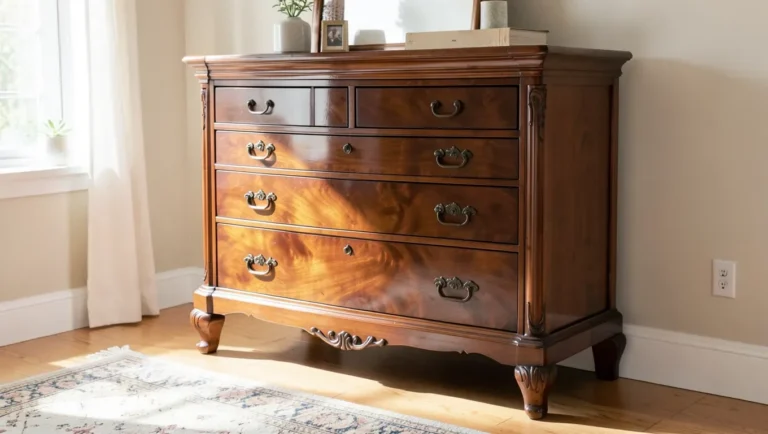
Wood that looks grey, dull, or thirsty has usually lost its oils or built up grime. Clean it first with a wood-safe cleaner, let it dry, then feed it: a coat of furniture oil, conditioner, or paste wax restores depth and sheen on oil-finished pieces — see our guide on conditioning mahogany furniture specifically for the beeswax-and-oil method and a monthly schedule. Once several coats have built up, that wax eventually needs a full strip before refinishing — see our guide on how to remove paste wax from furniture. For film-finished furniture, a quality polish or a light re-coat does the job. Avoid silicone-based sprays, which build up and complicate future refinishing. Some species change color as part of natural aging rather than just fading — ash, for example, ambers on its own over several years, so see our breakdown of how ash wood ages before assuming a golden tone means it needs reviving.
How to restore a weathered deck
- Clean: sweep, then apply a deck cleaner and scrub or pressure-wash gently (low pressure to avoid gouging).
- Brighten: apply a deck brightener to restore the greyed wood’s natural color and open the pores.
- Repair & sand: replace rotten boards, set popped nails/screws, and lightly sand rough spots.
- Dry: let the deck dry 2-3 sunny days before sealing — see how long wet wood takes to dry for realistic timelines on other outdoor wood projects.
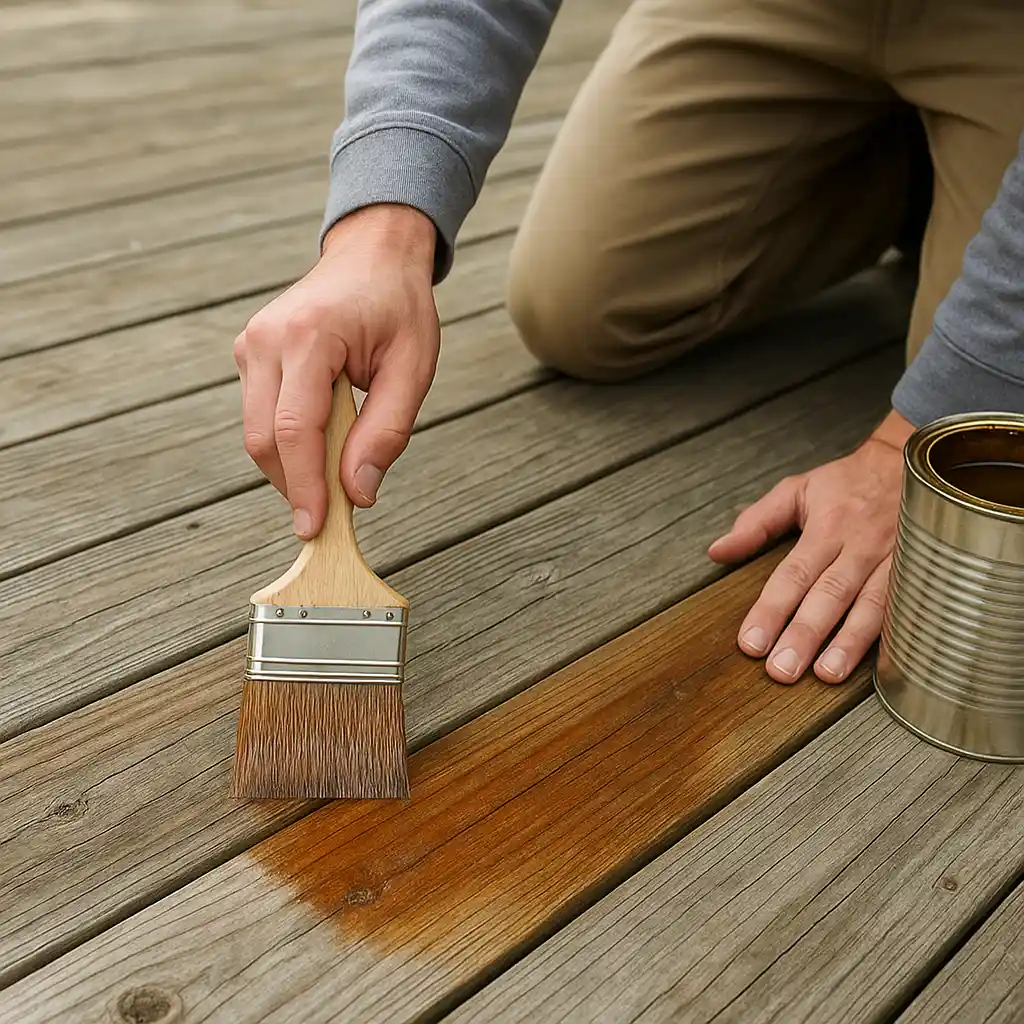
- Seal/stain: apply a penetrating deck stain or sealer with a roller or sprayer, working a few boards at a time.
Controlling humidity to protect wood
Because wood moves with moisture, stable indoor humidity is the cheapest protection there is. Aim for 40-50% relative humidity year-round. Too dry (winter heating) causes cracks and gaps; too humid causes swelling and mold. Keep wood away from heat vents, radiators, and direct sun, and use a humidifier in winter or a dehumidifier in damp seasons to hold the range steady. Wide slabs and live-edge tabletops move more than narrow boards and are especially prone to cracking from these swings — see how to prevent wood slabs from cracking for slab-specific drying and end-sealing steps.
Frequently asked questions
How do you protect wood from rotting?
Keep wood dry and sealed. Seal end-grain and any ground or concrete contact, apply a water-repellent finish like spar urethane outdoors, and ensure good drainage and airflow so moisture never sits on the wood.
How do you get white water rings out of wood?
For fresh rings, gently heat the spot (a hairdryer or iron over a cloth) to draw out trapped moisture, or rub in a little mayonnaise or toothpaste. Deep rings may need light sanding and refinishing.
What are the signs of termites in wood?
Look for hollow-sounding or crumbling wood, mud tubes, discarded wings near windows, tiny holes with sawdust-like frass, and blistered or sagging surfaces. Swarming winged termites indoors is a strong warning sign.
What should you put between concrete and wood?
Use a moisture barrier — pressure-treated lumber, a sill gasket, or a strip of self-adhesive flashing — between concrete and wood. Concrete wicks moisture, which rots untreated wood in direct contact.
Can you repair rotted wood without replacing it?
Yes, for non-structural rot. Remove the soft wood, let it dry, apply a liquid wood hardener, then fill with epoxy wood filler, sand, and refinish (see our guide to hiding wood filler after staining for a seamless blend). Structural rot should be assessed and usually replaced.
What’s the difference between dry rot and wet rot?
Wet rot occurs in wood that stays damp, leaving it soft and spongy in a localized spot. Dry rot is a fungus that spreads through drier wood and masonry, cracking it into cubes — it is more destructive and harder to stop.
How often should you reseal outdoor wood?
Reseal outdoor wood and decks every 1-2 years, or as soon as water stops beading on the surface. High-sun and high-rain areas need more frequent recoating to prevent greying and rot.
How do you get white heat or water rings off a wood table?
White rings are moisture trapped in the finish, not the wood. Draw it out with gentle heat (a hairdryer or an iron over a cotton cloth), or rub in a little non-gel toothpaste or mayonnaise, then buff. Dark rings have reached the wood and need sanding or wood bleach.
What humidity level is best for wood furniture and floors?
Keep indoor relative humidity around 40-50% year-round. Below that, wood dries, cracks, and gaps; above it, wood swells. Use a humidifier in dry winters and a dehumidifier in damp seasons to stay in range.
Sponsored / affiliate links. As an Amazon Associate I earn from qualifying purchases. I may earn additional commission from eligible campaigns.