How Long To Let Glue Dry On Wood: Proven Best Method
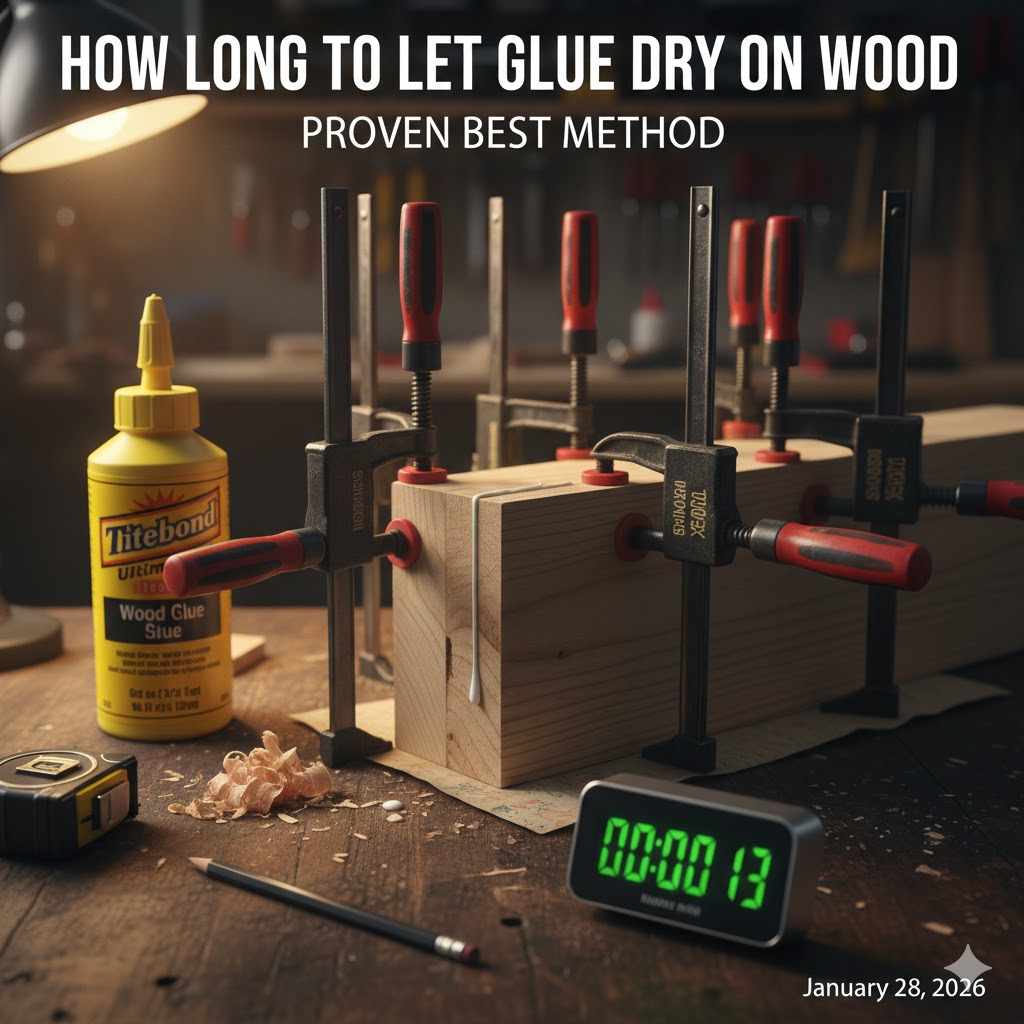
For most common wood glues, you should clamp the wood for 30 to 60 minutes and wait a full 24 hours for the glue to fully cure and reach maximum strength. While the joint may feel solid after a few hours, waiting the full day ensures a strong, durable bond that will stand the test of time.
Hello there, fellow maker! Md Meraj here, your friend in the workshop. If you’ve ever glued two pieces of wood together, you’ve probably asked the big question: “Is it dry yet?” It’s a simple question, but the answer is so important for making strong, lasting projects.
Getting impatient and moving on too quickly can lead to weak joints that fall apart. No one wants that! But don’t worry. I’m here to clear up the confusion and show you a simple, proven method. Together, we’ll explore exactly how long to let glue dry, why it matters, and how you can get perfect results every time.
Understanding Wood Glue: More Than Just “Drying”
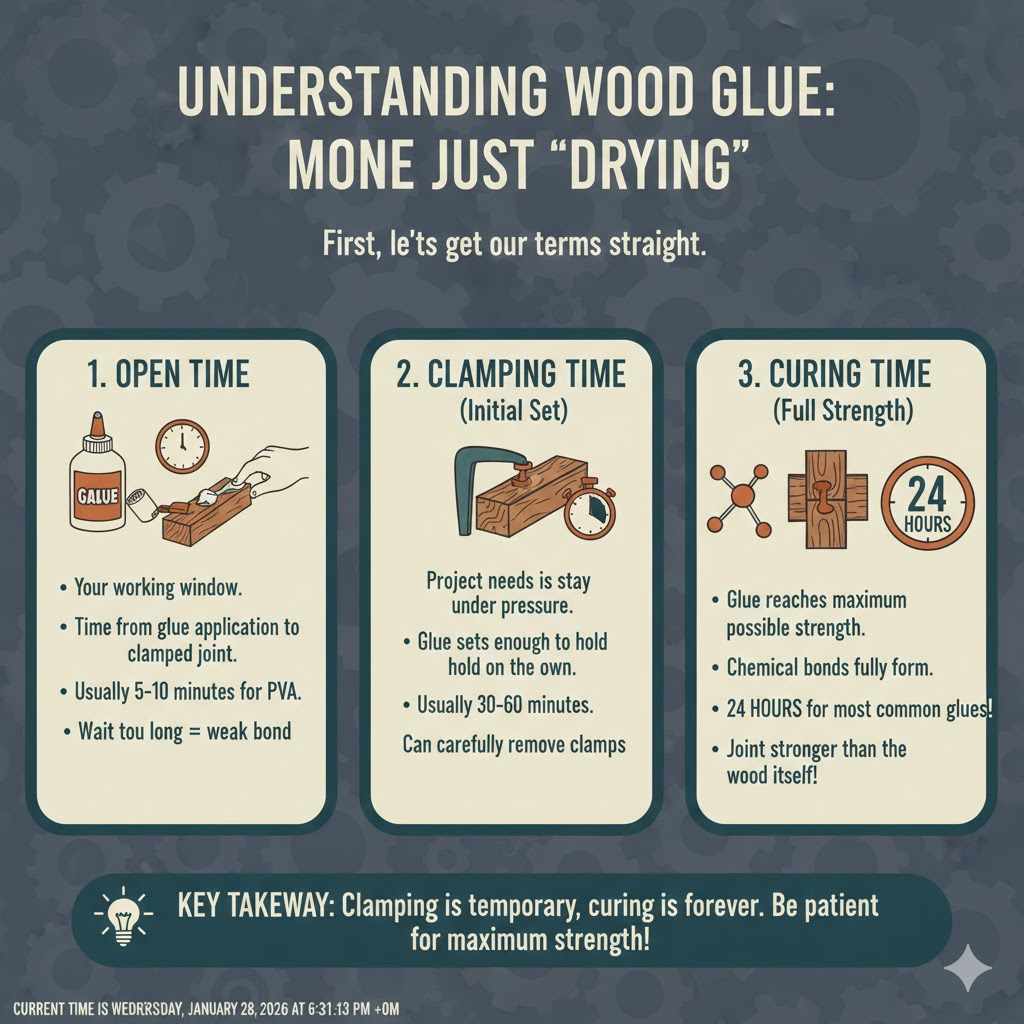
First, let’s get our terms straight. When we talk about glue “drying,” we’re really talking about three different stages. Knowing these will help you understand what’s happening with your project.
1. Open Time
This is your working window. It’s the amount of time you have from when you first apply the glue to when you need to have your wood pieces joined and clamped. For most yellow or white wood glues (PVA glues), this is usually around 5-10 minutes. If you wait too long, the glue will start to form a skin and won’t create a strong bond.
2. Clamping Time (Initial Set)
This is the amount of time the project needs to stay under pressure from clamps. During this stage, the glue sets enough to hold the pieces together on its own. It’s not at full strength yet, but it’s strong enough that you can carefully remove the clamps. This is usually between 30 and 60 minutes for basic projects.
3. Curing Time (Full Strength)
This is the most important and often overlooked stage. Curing is the total time it takes for the glue to reach its maximum possible strength. During this period, the remaining moisture or solvents in the glue evaporate, and the chemical bonds fully form. For almost all common wood glues, the full cure time is 24 hours.
Think of it like this: After clamping, the joint is strong enough to handle. But after curing, the joint is often stronger than the wood itself!
What Affects How Long Wood Glue Takes to Dry?
Not all glue-ups are the same. Several factors can change how long your project needs to set and cure. Being aware of them will make you a much more confident woodworker.
Type of Wood Glue
The type of glue you use is the biggest factor. There are many different formulas, and each has its own recommended drying time. We’ll dive deeper into this with a handy chart below.
Temperature and Humidity
Wood glue cures best in a warm, dry environment. Most manufacturers recommend using their products at room temperature, around 70°F (21°C).
- Cold Temperatures: Cold slows down the chemical reaction, so the glue will take much longer to dry and cure. If it’s below 50°F (10°C), most PVA glues won’t bond properly at all.
- High Humidity: Since most wood glues dry by evaporation, high humidity in the air slows this process down. Your project will need more time to cure.
Type of Wood
Wood is a natural material, and its properties matter. Porous woods like pine or poplar have lots of tiny holes that absorb the water from the glue quickly, speeding up the initial set. Denser, oily woods like teak or rosewood are less absorbent and may require longer clamp times.
Amount of Glue Applied
A common beginner mistake is to use way too much glue, thinking “more is stronger.” In reality, you want a thin, even layer. A thick layer of glue takes much longer to dry because the moisture in the middle is trapped. It can also make the joint weaker and cause the pieces to slip around in the clamp.
Airflow
Good air circulation helps carry away moisture as the glue dries. A stuffy, closed-off room can slow down curing time, while a well-ventilated space (but not a drafty one!) can help things along.
A Quick Guide to Common Wood Glues
Let’s look at the most common types of wood glue you’ll find at the hardware store. This table breaks down their typical drying times, but always remember to read the instructions on the bottle for your specific product!
| Glue Type | Clamping Time | Full Cure Time | Best For |
|---|---|---|---|
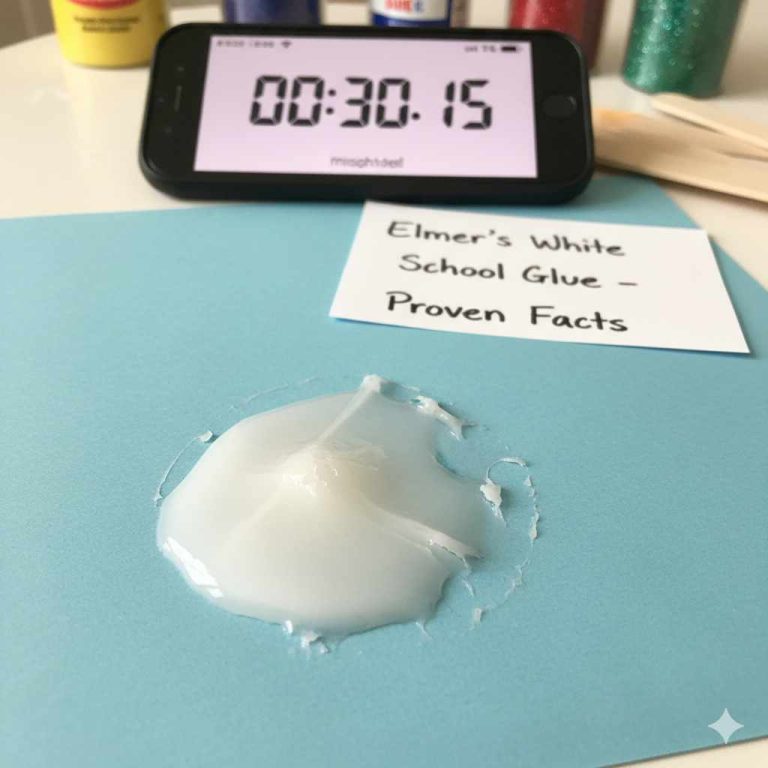
| PVA (e.g., Titebond, Elmer’s) | 30-60 minutes | 24 hours | General indoor woodworking, furniture, crafts. |
| Polyurethane (e.g., Gorilla Glue) | 1-2 hours | 24 hours | Outdoor projects, bonding different materials. |
| Epoxy (2-part) | Varies (30 mins to 12 hrs) | 24-72 hours | Filling gaps, super-strong bonds, structural repairs. |
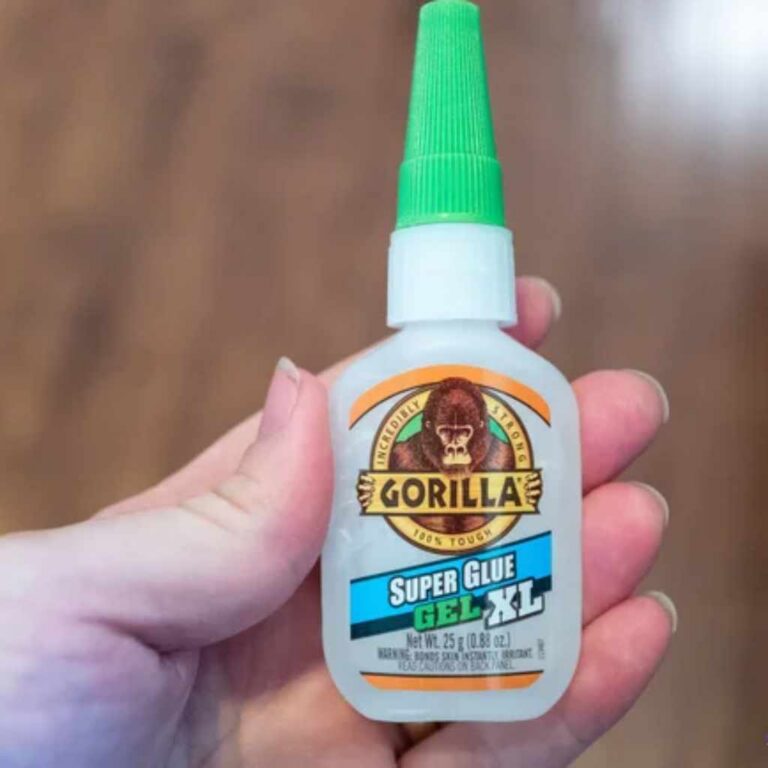
| Cyanoacrylate (Super Glue) | Seconds to 2 minutes | 24 hours | Small, quick repairs, jigs, temporary holds. |
| Hide Glue | 1-2 hours | 24 hours | Antique restoration, instrument making (reversible bond). |
The Proven Best Method: A Step-by-Step Guide to Gluing Wood
Ready to get it right every single time? Follow these simple steps for a strong, reliable glue joint. This is the method I use for nearly all my projects, and it’s never let me down.
Step 1: Prepare Your Surfaces
A good bond starts with good preparation. Your wood surfaces should be:
- Clean: Free of any dust, oil, or debris. Wipe them down with a clean cloth.
- Dry: The wood must be dry. Wet or damp wood will not bond well.
- Well-Fitted: The two pieces of wood should fit together snugly without any large gaps. Glue is a binder, not a gap filler. Do a “dry fit” first (assemble without glue) to make sure everything lines up perfectly.
Step 2: Apply the Right Amount of Glue
Squeeze a small bead of glue onto one of the surfaces. You don’t need a lot! Then, use a small brush, a silicone spreader, or even your finger to spread the glue into a thin, even layer that covers the entire joint surface. You’re looking for a semi-translucent film, not a thick white puddle.
Step 3: Clamp It Right
Press the two pieces of wood together and slide them back and forth just a little to ensure the glue is evenly distributed. Then, apply your clamps.
The goal of clamping is to apply firm, even pressure to close the joint—not to squeeze all the glue out. A good indicator is seeing a tiny, uniform bead of “squeeze-out” along the entire seam. If glue is dripping everywhere, you’ve used too much glue or clamped too tight. If there’s no squeeze-out, you may need more glue or more pressure.
Step 4: Clean Up the Squeeze-Out
It’s much easier to clean up wet glue than dry glue. Take a clean, damp cloth (not soaking wet!) and wipe away the small bead of excess glue from the joint. This saves you a lot of scraping and sanding later on.
Step 5: Be Patient – The Waiting Game
This is where it all comes together. Follow these time guidelines for the best results:
- Leave the clamps on for at least 30-60 minutes. For larger joints or in cooler temperatures, leaving them on for a few hours is even better.
- After removing the clamps, you can carefully handle the project, but avoid putting any stress on the new joint.
- Let the project sit undisturbed for a full 24 hours. This allows the glue to cure completely and reach its maximum strength. After 24 hours, you’re ready to sand, finish, and use your beautiful new creation!
For a deeper dive into the science of wood adhesives, the USDA Forest Products Laboratory offers incredibly detailed resources that are trusted by professionals worldwide.
How Your Workshop Environment Changes Everything
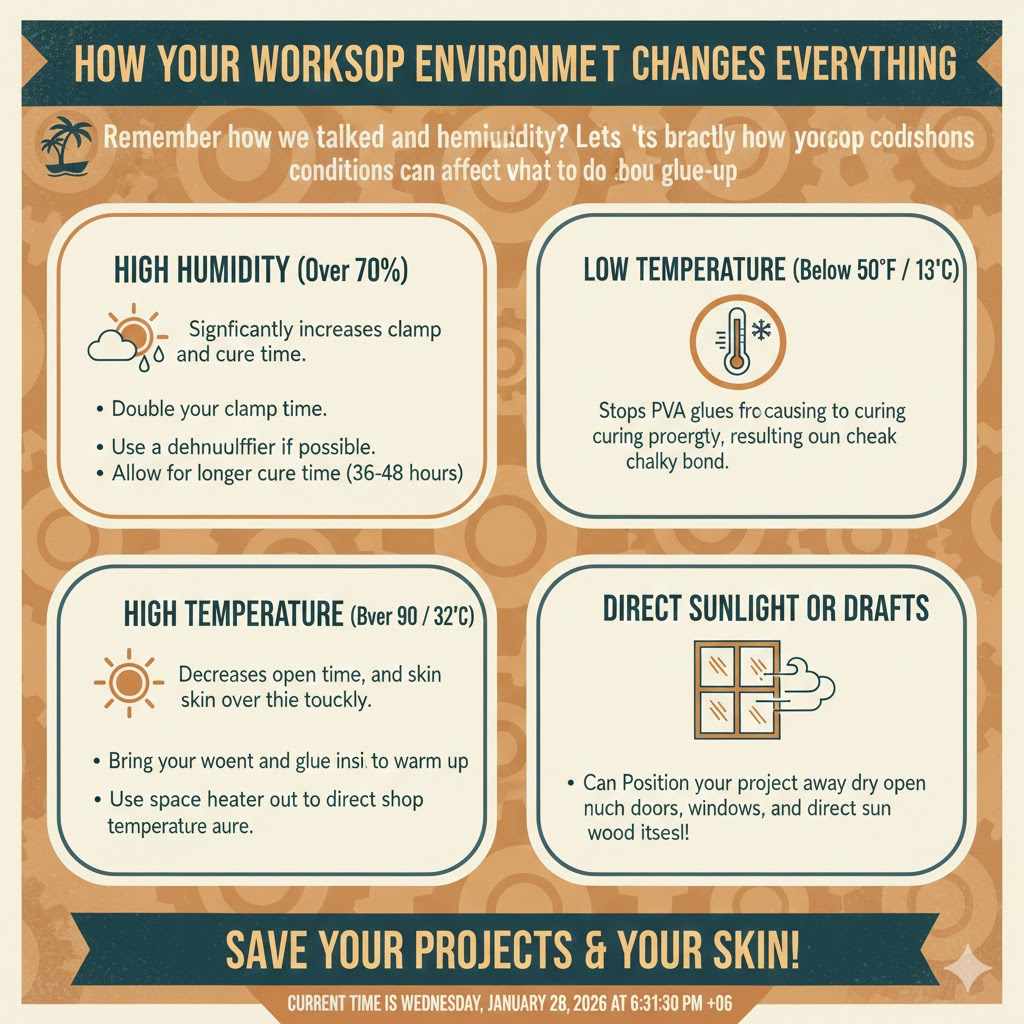
Remember how we talked about temperature and humidity? Let’s break down exactly how your workshop conditions can affect your glue-up and what to do about it.
| Workshop Condition | Effect on Drying Time | What to Do |
|---|---|---|
| High Humidity (Over 70%) | Significantly increases clamp and cure time. | Double your clamp time. Use a dehumidifier if possible. Allow for a longer cure time (36-48 hours). |
| Low Temperature (Below 50°F / 10°C) | Stops PVA glues from curing properly, resulting in a weak, chalky bond. | Do not attempt a glue-up. Bring the wood and glue inside to warm up, or use a space heater to raise the shop temperature. |
| High Temperature (Over 90°F / 32°C) | Decreases open time, causing glue to skin over too quickly. | Work quickly and in smaller sections. Keep your glue bottle out of direct sunlight. |
| Direct Sunlight or Drafts | Can cause one side of the glue to dry much faster than the other, creating a weak bond. | Position your project away from open doors, windows, and direct sun while it cures. |
Frequently Asked Questions (FAQ)
Can I make wood glue dry faster?
Yes, to a certain extent. Using a fan to create gentle airflow and slightly increasing the room temperature can help speed up the process. However, you should never use a heat gun or hair dryer, as this can dry the glue too quickly on the surface, trapping moisture inside and weakening the bond. The best method is always patience!
What happens if I don’t clamp the wood?
Clamping is essential for a strong bond. It pulls the two pieces of wood tightly together, ensuring maximum surface contact and forcing the glue deep into the wood fibers. Without clamps, you will likely have gaps in the joint, resulting in a very weak and unreliable bond that can easily fail.
How can I tell if the wood glue is fully cured?
Unfortunately, there isn’t a visual indicator. The glue will look and feel hard long before it is fully cured. The most reliable way is to simply wait the recommended 24 hours. After this time, the chemical process is complete, and the joint has reached its maximum design strength.
What’s the best wood glue for outdoor projects?
For outdoor projects, you need a waterproof glue. Look for glues rated as ANSI/HPVA Type I waterproof, like Titebond III, or use a polyurethane glue like Gorilla Glue. These are designed to withstand moisture, rain, and temperature changes without failing.
Is old wood glue still good to use?
It depends. Most wood glues have a shelf life of one to two years. If your glue is thick, lumpy, or has a stringy texture like cottage cheese, it has gone bad and should not be used. It won’t create a strong bond. Always store your glue at room temperature with the cap on tight.
Can I use wood glue as a gap filler?
No, standard PVA wood glues are not effective gap fillers. They are designed for tight-fitting joints and shrink as they dry, which can crack and weaken in a large gap. For filling gaps, it’s better to use a two-part epoxy or a wood filler product designed for that purpose.
How much glue squeeze-out is normal?
A small, consistent bead of glue along the entire joint line is the perfect amount of squeeze-out. It tells you that you’ve used enough glue to cover the surfaces and have applied adequate clamping pressure. If glue is running and dripping everywhere, you’ve used too much.
Conclusion: The Secret Ingredient is Patience
And there you have it! The next time you’re in your workshop, you’ll know exactly how long to let glue dry on wood. It’s not just about waiting; it’s about understanding the process—from preparing your wood to applying the right pressure and, most importantly, giving your project the time it needs to cure fully.
Remember the simple rule: 30-60 minutes in clamps, 24 hours to cure.
By following these steps and being patient, you’re not just sticking two pieces of wood together. You’re building something strong, durable, and beautiful that you can be proud of for years to come. Happy building!