How to Remove Hide Glue from Wood: Quick & Easy Tips
Hide glue is water-soluble by design – that reversibility is its whole point as a traditional woodworking adhesive – so warm water and heat, not chemical solvents, are the real way to remove it. Dampen the glue with warm water (or moist heat from an iron over a damp cloth), let it soften for a few minutes, then scrape gently with a plastic scraper. No harsh chemicals needed for most jobs.
Identifying Hide Glue Before You Start
Best Heat Gun For Glue Removal
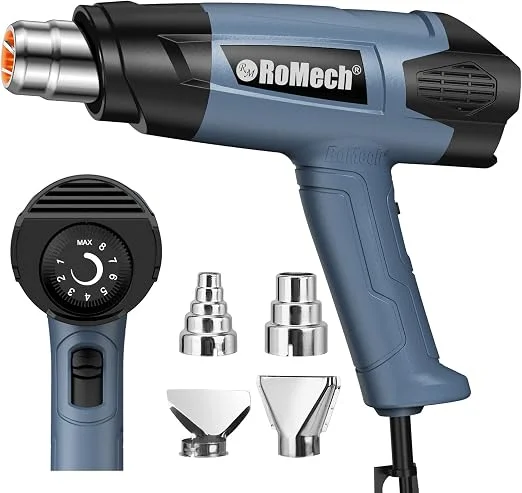 |
ROMECH Variable-Temperature Heat Gun – $21.95 For thick, stubborn glue buildup where an iron isn’t practical – low-temperature control matters here so you soften the glue without scorching the wood.
|
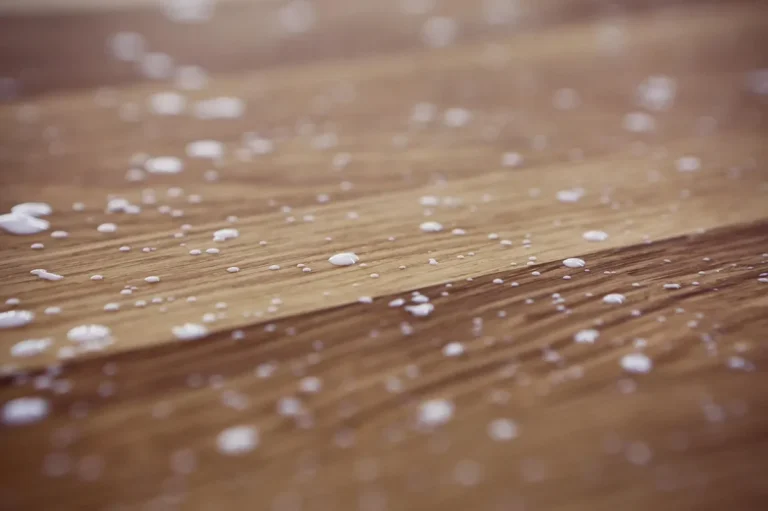
- Look: a slightly cloudy, amber-to-yellowish residue, often with a somewhat glossy or glassy look when dry.
- Feel: hard and brittle once fully cured – it can chip or flake rather than feeling soft or rubbery like modern PVA (yellow/white) glue.
- Water test: dab a hidden spot with a damp cloth and wait a minute. If it softens, turns tacky, or the surface starts to swell slightly, that confirms hide glue – PVA glue doesn’t re-soften with water once cured, which is the key difference.
Removal Method 1: Moisture And Heat (Start Here)
This is the correct, glue-appropriate method, not just the gentlest one – it works precisely because hide glue is designed to be reversible with moisture and heat.
- Dampen a cloth with warm water and lay it directly over the glue residue. Let it sit for several minutes to soak in.
- For faster results, place a warm iron (low-medium heat) over the damp cloth for a few seconds at a time – the combination of moisture and heat softens the glue much faster than water alone.
- Scrape gently with a plastic scraper or putty knife once softened, working in the direction of the grain. Avoid metal scrapers on a finished surface – they scratch.
- Repeat as needed for thick or old buildup. Multiple gentle passes beat one aggressive one.
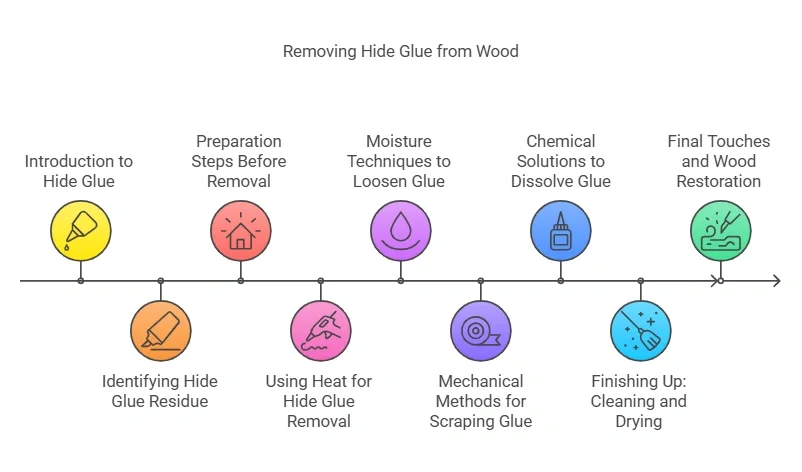
Removal Method 2: Mechanical Scraping
- Use a plastic scraper whenever possible – it won’t scratch the wood the way a metal scraper can, especially on a finished surface.
- Always scrape with the grain, not against it, using light, controlled pressure – splintering and tear-out come from forcing a scraper across the grain, not from the tool itself.
- For fine detail work in tight spots (like inside a joint), a brass brush is gentle enough not to gouge the wood while still working through softened glue.
- Combine with Method 1 – scraping goes faster and cleaner on glue that’s already been softened with moisture/heat than on glue scraped cold and dry.
When Chemical Solvents Actually Help – And When They Don’t
Skip acetone for this job – it’s not the right tool. Acetone is a solvent for lacquer, some plastics, and certain adhesives, but hide glue is a protein-based animal glue that responds to water and heat, not organic solvents. Using acetone here risks damaging a finish for no real benefit on the glue itself.
- Vinegar (diluted, mildly acidic) can help soften old hide glue somewhat, mainly by adding moisture, similar to plain water – it’s not a dramatically stronger solvent, just a household option some woodworkers prefer.
- Denatured alcohol is sometimes used for very stubborn, aged glue after moisture alone hasn’t worked, but test on a hidden area first – it can affect certain finishes.
- For the vast majority of hide glue removal jobs, water and heat alone (Methods 1 and 2 above) are enough – reach for a solvent only if those genuinely haven’t worked after real effort.
Cleanup And Preparing For Refinishing
- Wipe the area with a clean, damp cloth to remove any remaining residue or dust from scraping.
- Let the wood air dry completely – rushing this before sanding or refinishing can trap moisture under a new finish.
- Sand lightly with fine-grit sandpaper in the direction of the grain to smooth the surface before applying any new finish or glue.
Frequently Asked Questions
How Do You Identify Hide Glue On Wood?
Look for a cloudy, amber-to-yellowish residue that’s hard and brittle when fully cured. The clearest test: dab a hidden spot with a damp cloth and wait a minute – hide glue softens or turns tacky with water, while cured PVA (yellow/white) glue does not.
What Tools Are Needed To Remove Hide Glue?
A damp cloth, a warm iron or heat gun for moist heat, and a plastic scraper or putty knife. Because hide glue is water-soluble by design, these simple tools handle most jobs without needing chemical solvents.
Does Acetone Dissolve Hide Glue?
Not effectively. Hide glue is a protein-based animal glue that responds to water and heat, not to solvents like acetone, which is meant for lacquer and certain plastics. Using acetone risks damaging a finish without meaningfully helping remove the glue.
Can Hide Glue Damage Wood Surfaces?
Removed carelessly, yes – metal scrapers can scratch a finish, and excess heat can scorch wood. Removed with moisture, gentle heat, and a plastic scraper, hide glue comes off without damage, which is part of why it remains a favorite for repairable furniture joints.
Conclusion
Hide glue removal comes down to working with the glue’s own nature: it’s water-soluble by design, so warm moisture and gentle heat do the real work, with a plastic scraper to finish the job. Save chemical solvents for the rare case where that genuinely isn’t enough, not as a first move.
Sponsored / affiliate links. As an Amazon Associate I earn from qualifying purchases. I may earn additional commission from eligible campaigns.