Can Turpentine Remove Paint? Oil-Based Yes, Latex No
Turpentine dissolves wet or fresh oil-based paint and varnish, and brush cleanup is its main job. It will not strip cured latex or acrylic paint, and nothing we read lists it as a stripper for dried paint of any kind. It is also a flammable liquid with harmful vapors. This guide covers what turpentine does to each paint type, how it differs from mineral spirits, what to use on cured paint, and the safety rules.
Can Turpentine Remove Paint? The Short Answer
Best Wet Oil Paint Thinner Pick
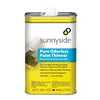 |
Sunnyside Pure Odorless Paint Thinner, 1 Quart ($10.29) A thinner for the job this guide says turpentine does well: wet oil-based paint and brush cleanup. The maker lists it as slow-evaporating and combustible, and says it is not for latex paint or for stripping cabinets.
|
As an Amazon Associate we earn from qualifying purchases.
Yes for wet oil-based paint, no for latex, and “slowly if at all” for cured paint. Turpentine is a thinner: it keeps oil-based paint liquid and helps clean tools while the paint is still wet. Sunnyside, the maker of the pure gum spirits we looked at, lists thinning oil-type paints and cleaning brushes, rollers and trays as its uses. It is not described as a paint stripper.
A few paint-supply blogs say turpentine can also soften dried oil paint better than mineral spirits, and Real Milk Paint’s thinner comparison says the same. That is a claim about solvent strength, not a label instruction, so test a hidden spot first and expect effort. For cured paint on furniture, trim or cabinets, a real stripper is the safer and faster tool, as the later sections show.
Turpentine vs Each Paint Type: What Actually Happens
This is the part most pages blur together. What matters is which paint you have and whether it is still wet. The “use instead” column is where most readers will end up.
| Paint and condition | Turpentine result | Use instead |
|---|---|---|
| Wet or fresh oil-based paint, stain or varnish | Works: thins and cleans it. This is what turpentine labels are written for | Turpentine, or a paint thinner (see the pick above) |
| Dried oil-based paint | Uncertain. Some blogs say it softens it; no maker we read lists it as a stripper | A paint stripper. Test turpentine on a hidden spot first if you want to try |
| Wet latex or acrylic paint | Wrong tool. Sunnyside’s thinner page says it is not suitable for latex or water-based paints | Water-based cleanup, per the paint can |
| Cured latex or acrylic paint | Not what it is for; nothing we read lists it for this | A stripper that names latex on the label, e.g. Smart Strip Advanced lists latex, oil and acrylic |
| Shellac or lacquer finish | Not covered by the labels we read | See our denatured alcohol guide |
| Many layers on trim or cabinets | Too slow and too hazardous to use by the bucket | Chemical stripper, heat or sanding; see how to strip old paint from wood |
First Step: Find Out What Paint You Are Dealing With
Turpentine only makes sense on oil-based paint, so confirm it before you buy or open anything. The common home check is the alcohol rub test. Dampen a cotton ball with rubbing alcohol and rub a hidden spot firmly for 10 to 15 seconds. If paint comes off on the cotton, it is latex. If nothing changes, it is oil-based, according to the Proud Paintbrush guide to the test.
If the paint is old, treat lead as a real possibility before you scrape, sand or strip it. Our guide to the best way to remove paint starts with the lead check, so we will not repeat it here.
Gum Turpentine vs Mineral Spirits vs Paint Thinner
The words get used loosely at the store, so here are the actual label details we found. Sunnyside publishes both a turpentine page and a paint thinner page, which makes a clean side by side.
| Pure gum turpentine | Odorless paint thinner | |
|---|---|---|
| Source | Distilled from pine tree resins, per Sunnyside | A highly refined solvent; the maker calls it a “refined, premium solvent” |
| Odor | Strong, per Sunnyside | None, per Sunnyside |
| Evaporation | Medium | Slow |
| VOC | 863 g/L | 761 g/L |
| Listed uses | Thin oils and art-grade paints; clean brushes, rollers, spray equipment and trays | Thin oil-based paint, stain and varnish; clean brushes and equipment; dissolve grease and oil |
| Limits stated | Not for sale in California | Not for latex or water-based paint; will not strip cabinets; not for sale in California |
| Fire class | Flammable liquid (flash point about 91 F on Sunnyside’s data sheet; varies by product, read your can) | Listed as combustible |
Two cautions about the commonly repeated advice. First, some blogs say turpentine is “less oily” than mineral spirits and that mineral spirits “only works on wet paint.” We found that in secondary sources, not in any maker material, so treat it as a rule of thumb. Our page on whether mineral spirits leave a residue goes deeper on that point. Second, Klean-Strip is explicit that its odorless mineral spirits “is not a paint stripper,” so the same limit applies to the whole thinner family. For the broader thinner question, see can paint thinner remove paint.
One buying note: a can labeled “turpentine substitute” or “turpentine alternative” is a different product from gum turpentine, so read the label for what it is made from and which paints it is rated for.
How to Use Turpentine on Wet Oil Paint (Spills, Splatters, Brushes)
Use it where it is strongest: paint that has not cured. Work outdoors or with the garage door open, away from pilot lights and anything that can spark.
- Check the paint type: run the alcohol test above on the old surface, or confirm the can says oil-based or alkyd.
- Gear up: Sunnyside’s data sheet calls for impervious gloves and chemical splash goggles, so wear both.
- Test a hidden spot: dab a little on a rag and confirm it does not dull or lift the finish under the paint.
- Blot, then wipe: pick up wet paint with a clean rag first, then dampen a fresh rag with a small amount of turpentine and wipe in one direction.
- Brushes: Sunnyside lists brushes, rollers, spray equipment and trays among its turpentine uses; clean oil-based paint tools right after use, working the solvent through the bristles and combing out the paint.
- Handle the rags safely: do not bunch or pile them. Follow the rag rules in the safety section below.
Turpentine is mainly a wet-paint tool. If the stain has already dried hard, stop pouring solvent on it and move to the stripper section.
When Turpentine Fails: Use a Stripper for Cured Paint
Cured paint is a hardened film, not a liquid to be thinned. Strippers exist for that. Sherwin-Williams says Smart Strip Advanced removes up to 15 layers of acrylic, latex, oil and water-based paints, varnishes, stains and coatings, usually in one application, and recommends a test area to check compatibility and find the dwell time. Sunnyside says its 2-Minute Remover Advanced gel handles latex and oil-based paint, lacquer, shellac, varnish, epoxy and polyurethane and is methylene chloride free, but it is also marked flammable and carries a California cancer and reproductive harm warning.
Which stripper fits depends on the surface and the paint:
- Painted wood trim and furniture: our guide to removing finish from wood compares stripping, sanding and heat.
- Painted cabinets: how to get paint off cabinets covers the rules for flat and detailed doors.
- Latex on wood: removing latex paint from wood separates fresh, dried and cured paint.
- Citrus stripper left a sticky residue: see cleaning off Citristrip residue.
- Wondering whether the old methylene chloride strippers are still sold: can you still buy methylene chloride paint remover.
Turpentine Safety: Read This Before You Open the Can
Safety note: everything in this section comes from the data sheets and agencies named. Read the label on your own can; it controls over anything here.
Flash point varies by product. For Sunnyside Pure Gum Spirits of Turpentine (item 87016 pint, 87032 quart), the retail data sheet lists a flammable liquid, Class IC, with a flash point of 91 F (tag closed cup) and an auto-ignition temperature of 476 F. Savogran Gum Turpentine’s data sheet lists 97 F, and the New Jersey Department of Health fact sheet gives 95 F (35 C). A newer Sunnyside sheet linked from the same product page, written for a laboratory-grade turpentine oil, lists 35 C (95 F), so the published figures run from about 91 F to 97 F. That is within reach of a hot garage or a sunny day, so do not assume it needs heating to ignite. Read the flash point on your own can.
Health hazards, per the sheets named here: harmful or fatal if swallowed, because it can get into the lungs (Savogran lists an aspiration hazard, Category 1); irritating to eyes, skin, nose and throat; vapor can cause dizziness, headache and nausea; and it can cause a skin allergy, after which very low later exposure can bring itching and rash (New Jersey Department of Health). The OSHA legal limit is 100 ppm over an 8-hour shift; ACGIH recommends a stricter 20 ppm, per the same fact sheet. Some retail sheets still print the older 100 ppm figure.
- Fire: keep it away from heat, sparks, open flames and hot surfaces, with no smoking. Sunnyside’s use and safety sheet adds that the vapors are heavier than air and can travel to other rooms or low areas, that they can linger 30 minutes or more after use, and that you should shut off stoves, heaters and pilot lights until the smell is gone. NFPA also says flammable and combustible liquids should not be used near an open flame and should be kept in original, tightly capped containers, never glass.
- Fumes: Sunnyside says not to use it in confined areas such as basements or bathrooms, and to open doors and windows for cross ventilation. If your eyes water or you get a headache or dizziness, get fresh air or wear a NIOSH-approved respirator.
- Skin and eyes: wear impervious gloves and splash goggles. Wash skin with soap and water. For eyes, rinse with running water for at least 15 minutes (the stricter standard), then get medical attention. That 15-minute figure is on Sunnyside’s retail data sheet, Savogran’s sheet, the New Jersey Department of Health fact sheet and MedlinePlus. One Sunnyside laboratory-grade sheet says 10 minutes; do not stop at 10.
- Swallowing: do not induce vomiting, and call a poison center or physician immediately. In the US, the Poison Help line is 1-800-222-1222 (free and confidential), also listed by MedlinePlus. Have the product name and the amount ready, and follow their advice on drinking water or milk.
- Children and pets: Sunnyside’s label says to keep it out of reach of children. Store it in the original labeled container, closed after each use, in a cool, well-ventilated place away from heat and ignition sources, and never decant it into an unlabeled bottle.
- Disposal: Sunnyside says to contact a household hazardous waste program or your local or state environmental agency for unused product. Do not pour it on the ground or down a drain. See also can paint thinner go down the drain.
Oily rags can ignite by themselves
NFPA’s fire tip sheet says the oils in oil-based paints and stains release heat as they dry, and a pile of rags traps that heat until it can cause a fire. It also lists paint thinner as a combustible liquid. Turpentine itself is covered by its maker: Sunnyside’s use and safety sheet says rags or other waste containing turpentine, paint or varnish are subject to spontaneous combustion, and its retail data sheet says turpentine can oxidize in air and build up heat in a confined space. NFPA’s steps for paint-wet rags: never leave them in a pile; take them outside to dry, hung or spread out and weighed down away from buildings; then put the dried rags in a metal container with a tight cover, filled with a water and detergent solution, kept cool and out of sunlight. Sunnyside’s sheet says to promptly discard waste in a water-filled, closed metal container. The US Fire Administration says to store oily and solvent-wet rags in a tightly sealed metal container and then discard them. Check with your town for how to dispose of them.
One honest gap: the National Park Service rag alert we read covers cooking, linseed and motor oil rags (never store them in a pile; use metal containers with self-closing lids) and does not mention solvents, so for turpentine rags rely on the Sunnyside sheet, NFPA and the US Fire Administration above.
Turpentine and Paint Removal: Common Questions
Does turpentine remove dried paint?
It may soften dried oil-based paint, according to some paint-supply sources, but the makers we read list turpentine only for thinning oil-type paint and cleaning tools. For cured paint, use a stripper and test a hidden spot first.
Will turpentine remove latex paint?
No. Turpentine and similar thinners are sold for oil-based paint. Sunnyside’s paint thinner page says its thinner is not suitable for latex or water-based paints. Use a stripper that names latex on the label for cured latex.
Is turpentine the same as paint thinner or mineral spirits?
No. Sunnyside describes its gum turpentine as distilled from pine resin, while its paint thinner is a refined solvent. Odor, evaporation rate and VOC level differ on the labels. “Paint thinner” is also a looser term, so read the can.
Can I use turpentine to clean paint brushes?
Yes, for oil-based paint. Sunnyside lists cleaning brushes, rollers, spray equipment and trays as uses for its pure gum turpentine. It does not suit latex paint, so use water-based cleanup there. Wear gloves and ventilate.
Is turpentine toxic?
Yes. Turpentine data sheets list it as harmful or fatal if swallowed because it can get into the lungs, as an irritant to eyes, skin and airways, and as a possible skin allergen. For poisoning, call 1-800-222-1222.
How do I get rid of rags soaked in turpentine and paint?
Do not bunch them. Spread them flat outdoors to dry, then put them in a metal container with a tight lid filled with water and detergent, per NFPA, and check your local disposal rules.
The Bottom Line
Use turpentine for wet oil-based paint and brush cleanup, do not expect it to strip cured paint, and never reach for it on latex. When the paint has cured, a stripper that lists your paint type is the right tool. Whatever you use, keep it away from flame, ventilate, wear gloves, and treat every solvent rag as a fire risk. Sources: Sunnyside’s data sheet for Pure Gum Spirits of Turpentine, the New Jersey Department of Health fact sheet, Sherwin-Williams Smart Strip Advanced and MedlinePlus.
Sponsored / affiliate links. As an Amazon Associate I earn from qualifying purchases. I may earn additional commission from eligible campaigns.