How Many Ash Tree in UK: Unveiling the Current Count
Have you ever strolled through a park and marveled at the graceful beauty of ash trees? These majestic trees are a staple in the UK’s landscape, offering shade and shelter to wildlife and humans alike.
But have you ever wondered just how many ash trees are sprinkled across the UK? Understanding the presence of these trees isn’t just a matter of curiosity; it’s crucial for conservation efforts and ecological balance. You’ll uncover the surprising numbers behind the ash tree population in the UK.
Discover why these trees are vital to your environment and what you can do to help preserve them. You’ll also delve into the threats they face and what the future holds for them. Keep reading to find out how this knowledge impacts not only the natural world but your daily life as well.
Credit: www.forestresearch.gov.uk
Ash Tree Population In The UK
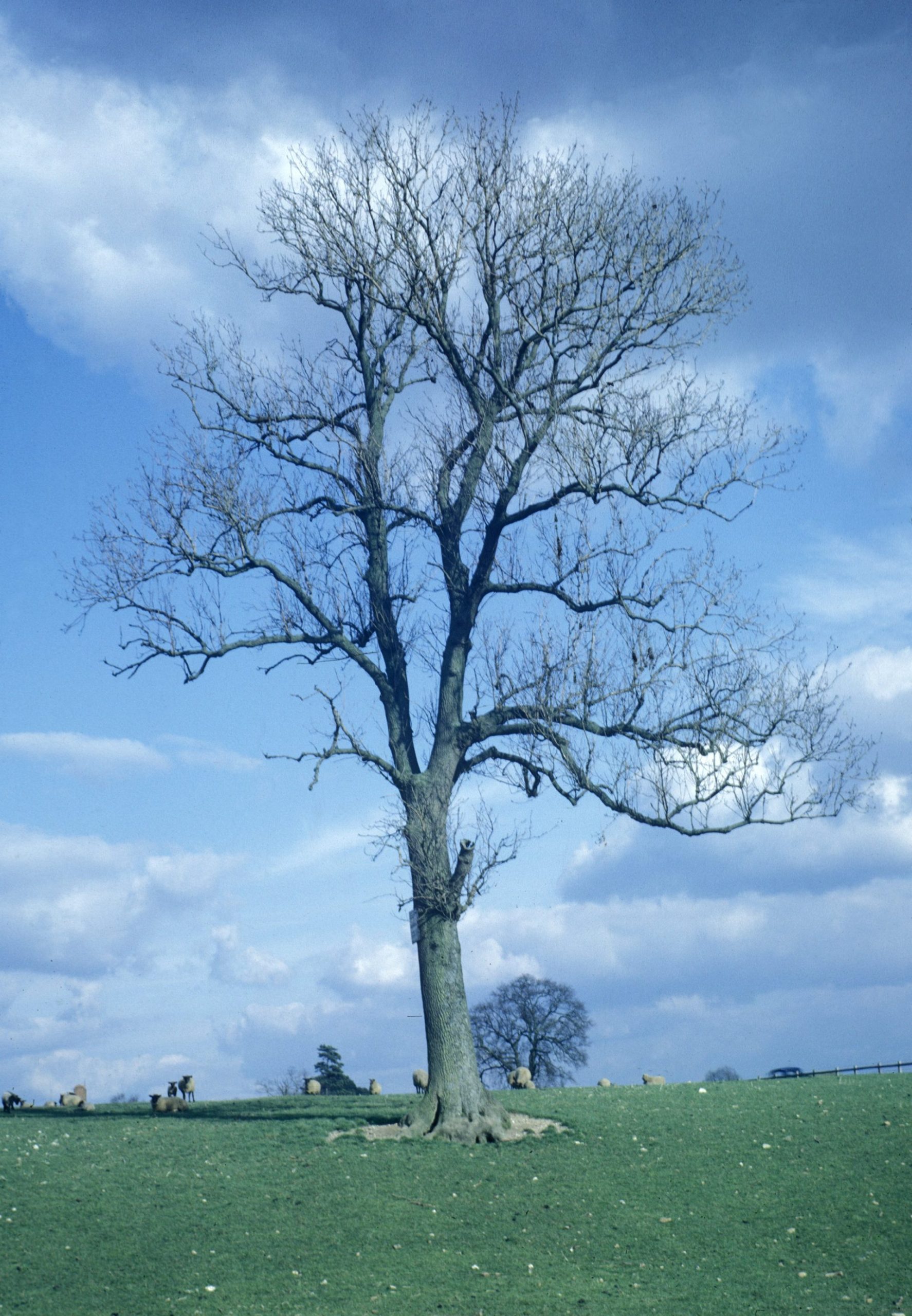
The UK has many ash trees spread across forests and parks. Ash trees are important for the environment. They help clean the air. They also provide homes for animals. But these trees face a big problem. A disease called ash dieback is spreading fast. It is killing many ash trees. Experts say many trees could die. Some forests might lose 70% of their ash trees. This is very sad for nature. People are trying to save the trees. They plant new trees to replace the sick ones. They hope these new trees will stay healthy. Protecting ash trees is important for all of us. Every little effort counts.
Impact Of Ash Dieback
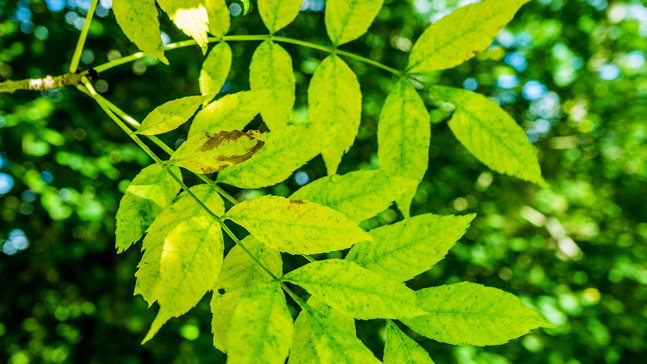
Ash Dieback is a disease affecting ash trees in the UK. It is caused by a fungus. This fungus spreads quickly. It damages the leaves and bark. The disease makes trees weak. Weak trees can break easily. This is dangerous for people.
Ash Dieback has reduced the number of ash trees. Many trees have died. Some are sick. Healthy ash trees are rare now. Forests look different. There are fewer ash trees. Wildlife is affected too. Animals lose their homes. Plants lose shade. The ecosystem changes.
Research And Surveys
Experts use surveys to count ash trees. They visit forests and parks. They look for ash tree signs. They write down numbers and locations. Maps help to find tree spots. Technology is also used. Drones fly over areas. They take photos of trees. Computers count trees from photos. This helps in accurate counting.
Many ash trees grow in the UK. Surveys show thousands of ash trees. Big forests have many trees. Cities also have ash trees. Some trees are dying. A disease affects ash trees. Researchers study this problem. They try to save the trees. New methods may help them. The future of ash trees is a concern.

Credit: www.treeguideuk.co.uk
Conservation Efforts
The government cares for ash trees in the UK. They make plans to protect them. These plans help keep the trees safe. Laws are made to stop tree cutting. This helps the trees grow stronger. Experts watch the trees and check their health. They try to stop diseases from spreading. Important programs help plant new ash trees. This keeps the tree number high.
Communities help save ash trees too. People join groups to plant more trees. These groups teach others about tree importance. They hold events to clean tree areas. Volunteers check for sick trees. They tell experts if they see problems. Schools teach children about nature. Kids learn how to care for trees. Everyone works together to keep ash trees healthy.
Future Projections
Estimations suggest that the UK’s ash tree population faces a decline due to ash dieback disease. Projections indicate a significant reduction in numbers, affecting ecosystems and biodiversity. Understanding these trends is crucial for conservation efforts.
Potential Recovery
The ash tree might come back. Scientists work to save them. New methods could help them grow strong again. Disease-resistant trees are planted. They might survive better. People care for these trees. They water them and protect them. Efforts are in place to save these trees. It’s hard but possible. The trees can return. They need time and care. Nature can heal. Recovery is slow but hopeful.
Long-term Implications
The future holds questions. Loss of ash trees affects wildlife. Birds and animals miss their shelter. The ecosystem changes. New plants may fill the gap. Forests might look different. People must adapt to this change. Wood industries might suffer. Less ash wood means fewer products. Builders might use different materials. The economy might shift. Long-term effects are tricky. Everyone must think and plan.
Credit: www.woodlandtrust.org.uk
Frequently Asked Questions
How Many Ash Trees Are There In The UK?
The UK has around 80 million ash trees. This number includes trees in woodlands, parks, and urban areas. Ash trees are vital for biodiversity, but they face threats from ash dieback disease. Efforts are ongoing to monitor and protect these trees.
How Many Ash Trees Are In The Us?
The U. S. had approximately 8 billion ash trees before the emerald ash borer invasion. This beetle significantly reduced their numbers. Current estimates vary due to ongoing damage, but ash trees remain widely found across various regions. Conservation efforts are underway to preserve and protect remaining ash tree populations.
Are Ash Trees Rare In The UK?
Ash trees are not rare in the UK. They are common and widely distributed. Ash is one of the most prevalent tree species in British woodlands. It plays a crucial role in the ecosystem. However, ash dieback disease threatens their population.
Conservation efforts are ongoing to protect them.
Are Ash Trees Protected In The UK?
Ash trees in the UK aren’t generally protected. Specific sites may have protection under local conservation laws. Check local regulations before any tree work.
Conclusion
Ash trees hold an important place in the UK’s landscape. Their numbers have been affected by disease. Efforts are ongoing to protect these trees. Communities and experts are working together. Awareness and action are key to their survival. Understanding their importance can inspire conservation.
Every tree counts in maintaining biodiversity. The future of ash trees depends on collective effort. Stay informed and support local initiatives. Protecting these trees helps preserve nature’s balance. Let us cherish and safeguard our ash trees. Their presence enriches our environment.