Firewood BTU Chart by Species: Heat Rankings and Uses
Dense hardwoods usually give the most heat per cord. Oak, hickory, ash, maple, and locust are strong choices; pine and poplar burn faster and cooler. If you ignore species, moisture, and split size, you can buy more wood, get less heat, and create more creosote or smoke. This guide compares BTU per cord, seasoning time, splitting difficulty, and best uses for stove, fireplace, and fire pit firewood.
Firewood species decision table


Use this as a buying guide, not a lab chart. The BTU figures below are per full cord, and the seasoning ranges assume split wood stacked off the ground with airflow and a top cover. Where source figures vary, the range is shown so you can compare species without treating one number as universal.
| Species | BTU per cord | Seasoning time | Splitting difficulty | Best use |
|---|---|---|---|---|
| Hickory | 28.0 to 35.0 million | 12 to 24 months | Hard | Stove heat |
| White oak | 25.7 to 29.1 million | 18 to 24 months | Hard | Long stove burns |
| Black locust | 27.9 million | 12 to 24 months | Moderate to hard | Stove heat |
| Sugar maple | 24 to 25.5 million | 9 to 15 months | Moderate | Stove heat, fireplace |
| White ash | 23.6 to 24.2 million | 6 to 12 months | Easy | Mixed use, easy handling |
| Beech | About 27 million | 12 to 18 months | Moderate | Stove heat |
| Birch | About 20 to 22 million | 6 to 12 months | Easy to moderate | Fireplace, quick shoulder-season fires |
| Red oak | About 24 to 28 million | 18 to 24 months | Hard | Stove heat |
| Ponderosa pine | 15 million | 6 to 12 months | Easy | Kindling, quick-start fires |
| Douglas-fir | 20.7 million | 6 to 12 months | Easy to moderate | Quick-start fires, light stove use |
That table separates heat potential from real buying value. Hickory, oak, maple, and locust sit near the top for heat per cord. White ash earns a place because it splits easily and still gives useful heat. Softwoods rank lower on heat, but they still solve a real problem when you need fast ignition.
What does BTU mean in firewood?
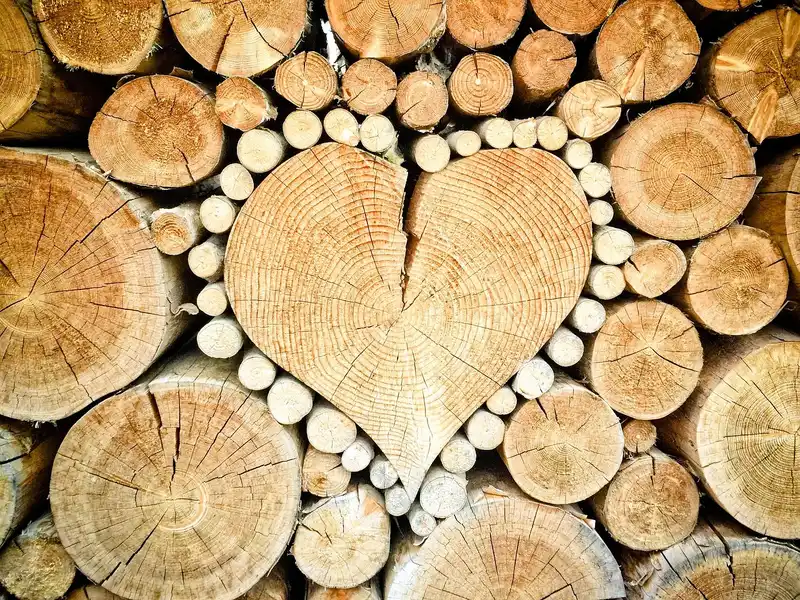
BTU numbers show heat output per cord, so they help you compare species on the same unit. A full cord is 128 cubic feet stacked, or 4 feet high, 8 feet wide, and 4 feet deep. That is the baseline used for most comparisons, while a face cord is about one-third of a full cord and 16 inches deep.
Why a full cord is the comparison baseline
Firewood can look similar in a pile and still deliver very different heat. A full cord gives a standard volume, which makes BTU comparisons more useful than price per loose pile or truckload. Without that baseline, one seller’s “cord” may hide less wood than another seller’s cord-sized stack.
Why dense wood usually stores more heat
Dense hardwoods contain more combustible material in the same stacked volume. That is why hickory, oak, maple, and locust are common top picks. They burn longer, usually make better coals, and suit overnight stove burns better than lighter wood that flashes fast and fades sooner.
Why source numbers can differ
Different charts do not always agree because they may use different moisture assumptions, tree growth conditions, or measurement methods. One chart lists white oak at about 29.1 million BTUs per cord, while another shows white oak at about 25.7 million BTUs per cord. That spread is a reminder to compare ranges, not memorize one number as universal.
Which firewood burns the hottest?
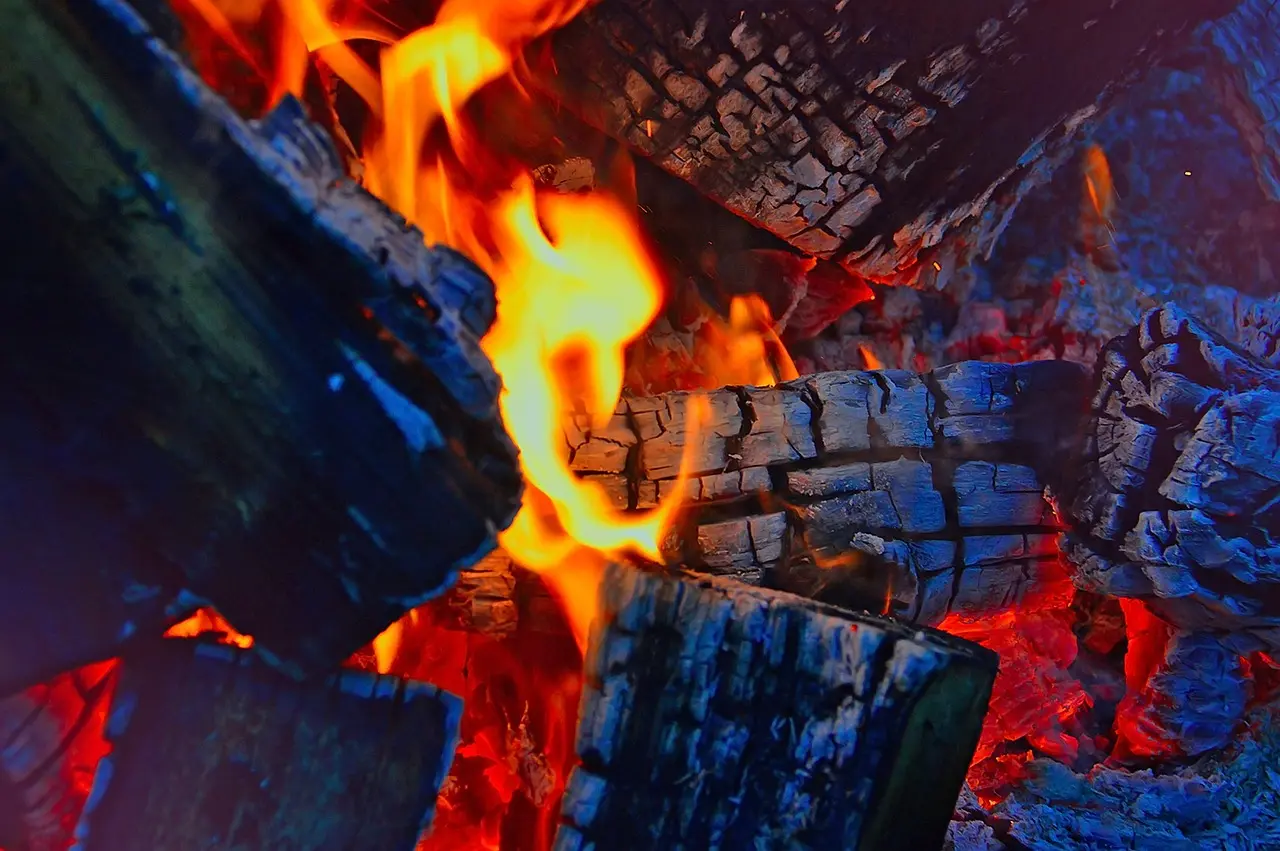
Hickory, oak, maple, and locust usually sit at the top of common firewood charts, with hickory often near the highest end. For a buyer, the better question is whether the hottest wood also fits the appliance, the seasoning window, and the amount of splitting you want to do before winter.
Where hickory, oak, and maple fit
Hickory is one of the hottest common firewoods, with charts placing it around 28 to 35 million BTUs per cord, and one chart listing 28.0 million BTU per full cord. Oak also ranks high, with white oak listed at 29.1 million BTUs per cord and another chart showing 25.7 million BTUs per cord. Maple sits a little lower, at 25.5 million BTUs per cord on one chart.
Where ash, beech, and birch fit
White ash lands slightly below those top woods, at 23.6 to 24.2 million BTUs per cord, but it remains a strong choice because it splits easily and gives less smoke than many species. Beech usually belongs in the same general high-heat group. Birch sits lower on heat but lights faster, so it is useful when quick fire starts matter more than long coal beds.
Picture a homeowner choosing between a pile of dry white ash and a pile of green oak for a weekend stove burn. The ash may deliver less total heat on paper, but if the oak is still wet, the ash can put more usable heat into the room and create less smoke. That is why BTU per cord is only part of the decision.
High BTU is not the same as best stove output
Appliance efficiency and moisture content change what you actually feel. A dense species with poor seasoning can underperform a lighter species that is dry and split correctly. In a stove, the best heat often comes from dry, dense hardwoods fed in a way that keeps combustion hot enough to burn cleanly.
How moisture changes usable heat
Moisture is the main reason firewood heat output drops in real use. The practical target is 20% moisture content or less. Green wood can be about 50% moisture, and that extra water must be driven off before the wood can give off its full heat.
Why wet wood burns poorly
Wet wood spends heat on evaporation instead of warming the room. That leads to weak flames, more smoke, and more creosote buildup in the chimney or flue. Even a high-BTU species can feel disappointing if it is too wet or split too large to dry properly.
How to check before you buy
- Use a moisture meter on a fresh split face, not the outside bark.
- Look for 20% moisture content or less for normal burning.
- Ask how long the wood has been split and stacked.
- Inspect the ends for cracks and the weight for dryness.
- Expect denser species to need more time than softwoods.
Suppose a load of oak looks seasoned because the outside is gray and checked. If the seller stacked it in a tight pile with no airflow, the core can still read too wet. That is why a meter matters more than appearance.
Seasoning time by species
Most firewood needs 6 months to a year, and many dense hardwoods need longer. Oak is the classic example. Red oak is said to hold about as much heat as 159 gallons of heating oil, but that value only helps if the wood is seasoned well enough to burn cleanly and hot.
How to stack and dry wood faster
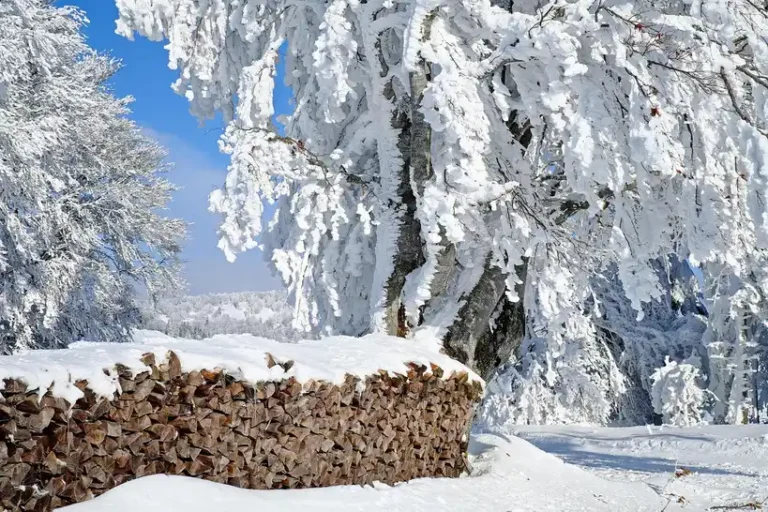
Split the wood first so air can reach the interior. Stack it off the ground, leave space between rows, and top-cover the stack so rain stays off while the sides stay open to moving air. Dense hardwoods such as oak and hickory may need 18 to 24 months, while ash and some softwoods can be ready sooner.
Typical seasoning ranges buyers can expect
White ash often dries in 6 to 12 months. Sugar maple commonly needs about 9 to 15 months in one chart. White oak and red oak often need 18 to 24 months. Softwoods usually dry faster, but quick drying does not make them higher heat fuels.
What wood is best for your fire?
The right choice depends on the appliance and the job you want the wood to do. For long stove burns, dense hardwoods win. For a fireplace, a cleaner split and a calmer flame matter more. For fire pits and quick starts, easier-lighting wood can be the better buy.
Best choices for wood stoves
For stove heat, start with white oak, hickory, black locust, and sugar maple. These species deliver high heat per cord and useful coal beds. If supply is limited, white ash is a practical fallback because it splits easily and still provides good heat with less effort.
Best choices for fireplaces
For fireplaces, sugar maple, birch, and white ash can be easier to manage because they light more predictably and are less demanding to split and season. Hickory and oak still work well, but they can be slower to get going if the draft is weak or the wood is not fully dry.
Best choices for fire pits and quick-start fires
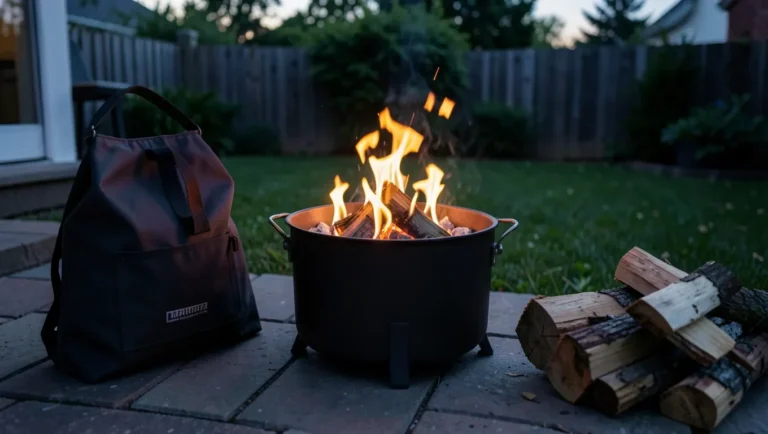
For quick-start fires, pine, Douglas-fir, and other softwoods are useful because they light fast. They burn out faster and deliver lower BTU values than dense hardwoods, so they are better as kindling or short fires than as primary heat wood. That is useful when you want fast flame, not overnight heat.
A common first-timer mistake is buying a cheap stack of softwood for a basement stove and expecting it to heat the house all evening. The fire starts easily, then fades too soon. For that job, dry hardwood is the better purchase even if the price per cord is higher.
Frequently asked questions
What is the BTU rating for firewood by species?
BTU ratings compare heat output by species for the same cord volume. Dense hardwoods usually rank highest, with hickory, oak, maple, and locust near the top. White ash also performs well. Lower-density woods such as pine and Douglas-fir carry fewer BTUs per cord, so they burn out sooner.
Which firewood species burns the hottest per cord?
Hickory is commonly listed among the hottest common firewoods, with charts placing it around 28 to 35 million BTUs per cord. White oak and black locust also rank near the top. The exact ranking changes across charts, but dense hardwoods consistently outrank softwoods for total heat per cord.
How many BTUs are in a cord of oak firewood?
Oak is usually listed around 24 to 29.1 million BTUs per cord, depending on the chart and oak type. White oak appears at 29.1 million BTUs per cord in one source and 25.7 million in another. Red oak is also high, but it needs long seasoning before it performs well.
How does moisture content change firewood BTU output?
Moisture cuts usable heat because part of the fire’s energy goes into drying the wood during combustion. A practical target is 20% moisture content or less. Green wood can be about 50% moisture, which means more smoke, weaker flames, and a higher creosote risk in the chimney or flue.
Which firewood species are easiest and hardest to split?
White ash is one of the easier woods to split, which makes it appealing when handling time matters. Hickory and oak are much harder, and sycamore is specifically noted as difficult to split. If you need wood fast, easier-splitting species can be a better purchase than a denser but stubborn log.
Is softwood ever okay to burn indoors?
Yes, but it is usually better for kindling, quick starts, or short burns than as the main fuel in a stove or fireplace. Softwoods light fast because they are less dense, but they also burn out faster and usually carry fewer BTUs per cord than hardwoods. Dry wood still matters most.
How long does firewood need to season before burning?
Most firewood should season from 6 months to a year, and dense hardwoods often need longer. Oak can take 18 to 24 months, while ash often dries sooner. Split wood, stack it off the ground, keep air moving through the pile, and top-cover it so rain does not reset the drying process.
Sponsored / affiliate links. As an Amazon Associate I earn from qualifying purchases. I may earn additional commission from eligible campaigns.
 DGAGA Wood Burning Paste Wood Burning Gel for Heat Gun Heat Activated Paste for Craft Chalk Paste for Wood Burning Etching Marker Stencil Wood Working Tools and Accessories on Wood,Canvas,Denim 4 OZ
 Wood Burning Paste Wood Burning Gel for Heat Gun with Mini Squeegees Heat Activated Paints for Craft Chalk Paste for Wooden Burner Etching Marker Stencil Woods Working Tools and Accessories on Wooden