2 by 2 Wood Price in Nigeria (2026): Cost Per Length & Type
2 by 2 wood in Nigeria typically costs NGN 500 to NGN 900 per 12-foot length for softwood, and NGN 350 to NGN 700 for common hardwood species like Afara — but online per-piece listings often show NGN 1,200 to NGN 3,000, since those are usually shorter pre-cut pieces sold with delivery built in. Paying the wrong “unit” for the comparison you’re making can make identical wood look 3x more expensive than it is. This guide breaks down the real price range by wood type and unit, and shows how the naira’s slide since 2021 has moved these numbers.
Quick Answer
Expect to pay roughly NGN 500-900 per 12 ft length of 2 by 2 softwood at a Lagos-area timber yard in 2026, and NGN 350-700 for hardwood sold the same way — but always confirm whether a quoted price is per length or per shorter cut piece before comparing vendors, since that single mix-up explains most of the “wildly different price” listings you’ll find online.
What Determines the Price of 2 by 2 Wood in Nigeria?
Four factors do most of the work in setting the number you’re quoted: wood species (softwood versus hardwood), the unit being sold (a full 12 ft length versus a shorter cut piece), your location relative to a major timber market, and how far the naira has moved against the dollar since the vendor last restocked or since fuel/transport costs last rose.
- Species. Common softwoods (often sold locally as “white wood”) are the cheapest tier. Hardwoods used for roofing and structural work, like Afara (Terminalia superba) and Opepe (Nauclea diderrichii), cost more per length because they’re denser, slower-growing, and more resistant to rot and insect attack.
- Unit sold. A “length” is a full ~12 ft piece straight from the sawmill or timber yard. A “piece” on an online marketplace listing is very often a shorter cut — sometimes a third or half of a full length — which is why per-piece prices online can look 2-3x higher than per-length yard prices for what looks like the same product.
- Location. Lagos, Onitsha, and other major timber-market hubs generally have the most competitive per-length pricing because supply is concentrated there. Prices rise the further you are from a market hub, since transport cost gets added at every stage.
- Currency and fuel costs. Even wood grown and milled inside Nigeria isn’t insulated from naira depreciation — chainsaw blades, diesel for sawmills and haulage trucks, and vehicle maintenance are all priced against a currency that has moved sharply since 2021 (see the price-history table below).
How to Judge Wood Quality Before You Buy
Price alone doesn’t tell you whether a length of 2 by 2 is worth buying. Before handing over cash at a timber yard, check the wood itself:
- Look down the length for bowing, twisting, or cupping — sight along one edge from end to end rather than just glancing at the face.
- Check for cracks, splits, and loose knots at the ends especially, since that’s where drying stress shows up first.
- Check moisture content if you can. Wood sold straight off a truck is often still wet inside even if the surface looks dry, and it will shrink, warp, or split after you’ve already built with it. A basic pin-type moisture meter (below) gives you a number in seconds instead of a guess.
- Negotiate on volume, not on a single piece. Most yards give a meaningfully better per-length price once you’re buying 20+ pieces for a full job rather than one or two.
Best Wood Moisture Meter Pick
 |
General Tools MMD4E Pin-Type Wood Moisture Meter A pocket pin-type meter you can use on any timber purchase, anywhere — exactly the moisture check described above, in a tool that works whether you’re buying 2 by 2 at a Lagos timber yard or lumber anywhere else.
|
As an Amazon Associate we earn from qualifying purchases.
2 by 2 Wood Price by Type: Softwood vs Hardwood (2026)
Here’s how the two main categories compare on a per-length basis at a typical timber-market vendor, based on the sourced data points below. Treat these as a realistic range, not a fixed quote — always confirm current pricing with a local vendor before budgeting a job.
| Type | Typical price per 12 ft length (2026) | Best for |
|---|---|---|
| Softwood (“white wood”) | NGN 500 – 900 | Non-structural framing, formwork, temporary bracing |
| Afara (hardwood) | NGN 400 – 700 | Roofing battens, general carpentry |
| Opepe (hardwood) | NGN 500 – 800 | Roofing members exposed to more moisture/insect risk |
| Pre-cut retail piece (online) | NGN 1,200 – 3,000 | Small jobs where delivery matters more than unit price |
Why Online Prices Look So Different From Timber-Yard Prices
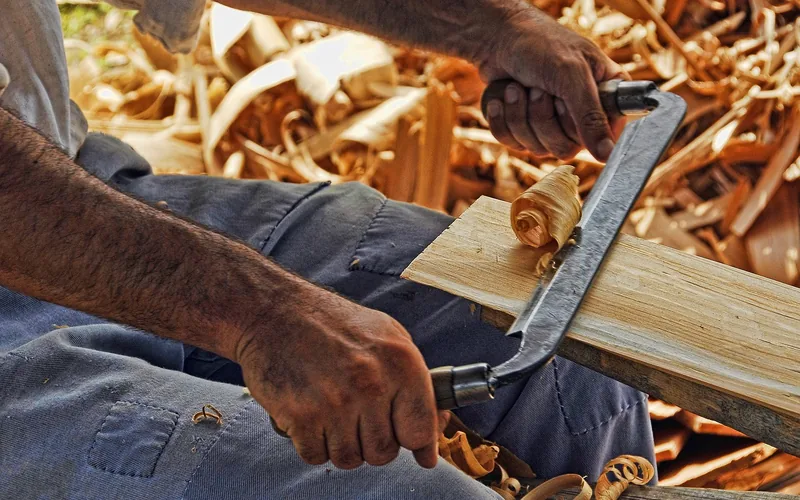
If you’ve compared prices across a few sources and gotten numbers that don’t agree at all, you’re not imagining it. A timber yard usually quotes “per length” — a full ~12 ft piece straight off the stack. An online marketplace listing usually quotes “per piece,” which is frequently a shorter cut sized for a specific job (roofing battens, furniture legs, shelving supports) and almost always includes a delivery markup baked into the number.
That’s why you’ll see a 12 ft length at NGN 600 from a Lagos timber yard sitting next to an online listing for NGN 2,200 that looks like the “same” 2 by 2 wood — the second number is very likely a shorter piece, delivered, from a vendor whose margin has to cover packaging and transport on a small individual order instead of a bulk yard sale.
How 2 by 2 Wood Prices Have Moved Since 2021
Nigerian building-materials pricing doesn’t move in a straight line, but the direction has been consistently upward since 2021, largely tracking the naira’s exchange-rate slide rather than any change in the wood itself.
| Period | Reported price (2 by 2, per 12 ft length) | Source |
|---|---|---|
| Early 2021 | NGN 350 (hardwood) / NGN 600 (softwood) | Lagos building-materials price list |
| 2024 | NGN 500 – 700 | Nigerian building-materials pricing roundup |
| 2025-2026 | NGN 500 – 900 (yard); NGN 1,200 – 3,000 (online, per cut piece) | Current vendor listings |
📊 The naira depreciated 40.9% against the US dollar in 2024 alone, closing the year at roughly NGN 1,535/$1 versus NGN 907/$1 at the end of 2023 — Source: Nairametrics, Dec 2024. That kind of currency move is the biggest single driver behind naira-denominated wood prices climbing even when local supply hasn’t changed.
Best Wood Types for Roofing in Nigeria
Afara (Terminalia superba) is a hardwood commonly used for roofing in Nigeria, valued for its strength, workability, and resistance to rot and insect attack relative to softwood. Opepe (Nauclea diderrichii) is a denser hardwood also used for roofing members, prized for durability in more exposed or humid conditions. Both cost more per length than softwood, but for structural roofing work the extra durability is usually worth the premium over a building’s lifespan.
Where Prices Vary Most Across Nigeria
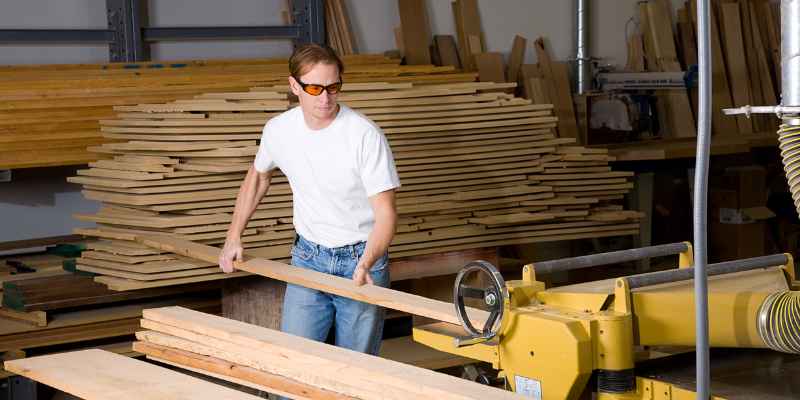
Lagos and other major timber-hub cities tend to have the most competitive per-length pricing because supply is concentrated there and vendors compete directly. As you move further from a hub — smaller towns, or areas that rely on wood trucked in from a distant market — expect the same length to cost noticeably more, since transport and middleman markup stack on top of the base price at every step. If you’re pricing a large job, it’s worth calling two or three yards in the nearest hub city before committing to a local vendor’s first quote.
For a related Nigerian building-materials comparison, see how MDF board pricing in Nigeria is affected by many of the same import and currency factors.
Frequently Asked Questions
How much is 2 by 2 wood per length in Nigeria?
A standard 12 ft length of 2 by 2 wood in Nigeria typically costs NGN 500 to NGN 900 for softwood and NGN 350 to NGN 700 for common hardwood species like Afara, as of 2026 timber-yard pricing. Prices vary by location, vendor, and how recently the naira has moved against the dollar.
Why do online listings show a much higher price than timber yards?
Online marketplace listings usually sell a shorter cut piece rather than a full 12 ft length, and they build delivery and packaging cost into the price. That’s why a NGN 600 timber-yard length and a NGN 2,000+ online “piece” can both be accurate quotes for the same species.
What is the difference between 2 by 2 hardwood and softwood prices?
Hardwood species like Afara and Opepe generally sit in a similar or slightly lower per-length price range than softwood in the Nigerian market, but they cost more in practice once you factor in their greater durability and lower long-term replacement cost for structural and roofing uses. Softwood is cheaper up front but wears and rots faster in exposed applications.
What is the standard length of 2 by 2 wood in Nigeria?
The standard length sold at Nigerian timber yards is approximately 12 feet (about 3.6 meters), sometimes referred to simply as “a length.” Online retailers sometimes sell shorter pre-cut pieces instead, which is a separate unit from the yard-standard length.
Which wood is best for roofing in Nigeria, Afara or Opepe?
Both are commonly used and both outperform softwood for roofing. Opepe is denser and holds up slightly better in more humid or insect-prone conditions, while Afara is easier to work and is often the more widely available and slightly cheaper option. For most residential roofing jobs in Nigeria, either is a reasonable choice.
Conclusion
2 by 2 wood in Nigeria has no single “current price” — it depends on species, whether you’re buying a full length or a cut piece, your distance from a timber-market hub, and how the naira has moved since the vendor last restocked. Use the NGN 500-900 per-length range above as your starting budget for softwood, expect hardwood to sit close to or slightly under that for the same length, and always confirm the unit (length vs. piece) before comparing two quotes. Whether you’re buying for roofing, framing, or general carpentry, checking moisture content and sighting each length for warp before you pay will save more money than chasing the single lowest quoted price.
Sponsored / affiliate links. As an Amazon Associate I earn from qualifying purchases. I may earn additional commission from eligible campaigns.