How Much Does a Wood Fence Cost in 2026? Real Price Per Foot
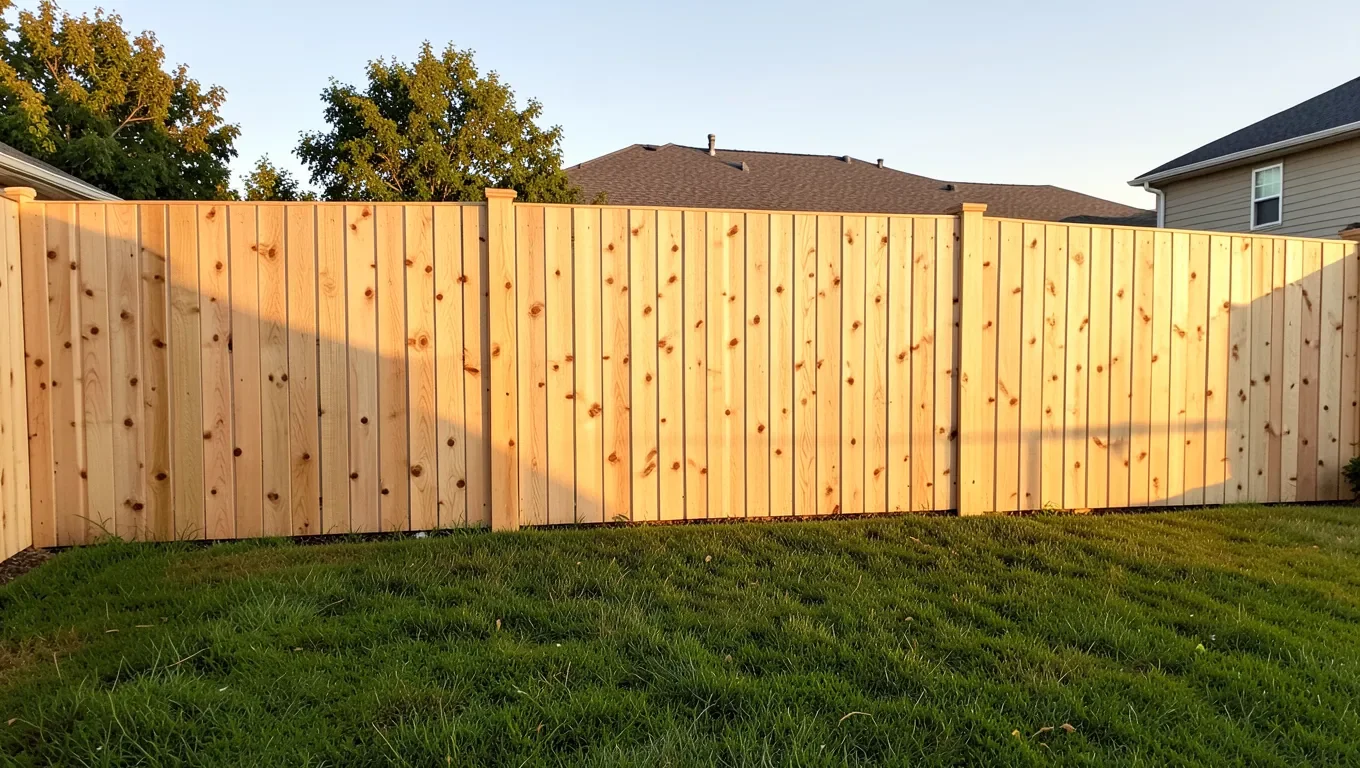
A wood fence costs $15 to $65 per linear foot installed, but that range hides the number that actually matters to your budget: wood species alone can swing the price by 3x, and fence height and labor decisions swing it further still. A 150-foot pressure-treated pine privacy fence can run under $3,000 in materials for a DIY build, while the same run in redwood installed by a crew can top $9,000. Below is the real breakdown – by species, height, labor, and add-ons – instead of one vague average.
What Actually Drives the Price of a Wood Fence
Protect Your New Fence Investment
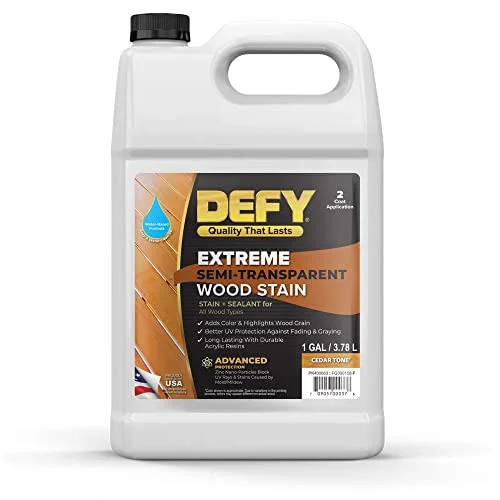 |
DEFY Extreme Wood Stain & Sealer, Cedar Tone (1 Gal) – $54.54 Whatever species you install, the biggest cost mistake homeowners make is skipping the sealer – a $2,000 cedar fence with no UV/moisture protection can gray and warp in a few seasons.
|
Five variables set the final price of any wood fence project, and they compound – a tall privacy fence in redwood with a custom gate isn’t just “more expensive,” it’s expensive on every axis at once:
- Wood species – pressure-treated pine, cedar, and redwood aren’t interchangeable prices; redwood can cost roughly triple what pressure-treated pine costs for the same linear foot.
- Fence height and style – a 6-foot privacy fence uses roughly twice the lumber of a 3-foot picket fence, and taller fences need bigger, deeper-set posts.
- Labor vs. DIY – installation labor alone typically runs $5 to $20 per linear foot, meaning a DIY build can cut 25-40% off the total.
- Gates and hardware – each gate adds its own posts, hinges, and often a separate installation charge on top of the linear-foot rate.
- Site conditions – slope, rocky or clay soil, tree roots, and removal of an old fence all add labor hours a flat per-foot quote may not include.
Cost by Wood Species
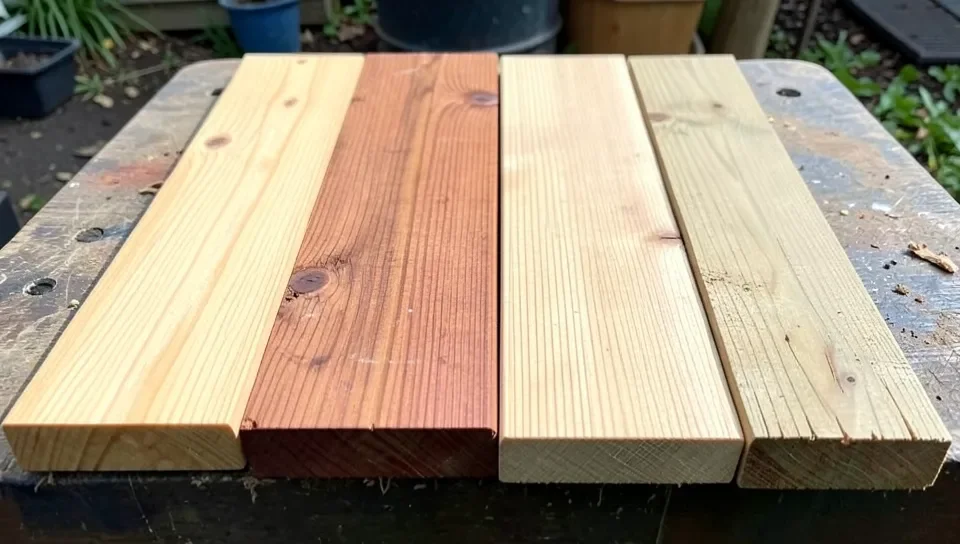
Species is the single biggest lever on price, because it changes both the material cost per board and how long that board lasts before it needs replacing.
| Wood Species | Installed Cost (per linear ft) | Typical Lifespan |
|---|---|---|
| Pressure-treated pine | $18 – $38 | 15 – 20 years |
| Spruce / utility-grade softwood | Generally at or below pine pricing | 10 – 15 years |
| Cedar | $25 – $55 (most 6-ft runs: $30 – $45) | 20 – 30 years |
| Redwood | $40 – $65 | 25 – 40 years |
| Composite (wood-alternative) | $55 – $85 | 25 – 30+ years, minimal maintenance |
Cedar and redwood cost more up front, but both resist rot and insects naturally, so you’re not budgeting for stain, sealer, and board replacement nearly as often as you would with pressure-treated pine. Composite isn’t wood at all – it’s wood fiber and recycled plastic – but homeowners cross-shopping it against real lumber should know it typically runs 2 to 3 times the cost of a comparable pine or cedar fence. If you’re trying to decide between cedar and pressure-treated lumber for a project beyond just fencing, our cedar vs. pressure-treated comparison breaks down the rot-resistance and long-term maintenance differences in more depth.
Cost by Fence Height and Style
Height and board style change the total almost as much as species does, because they change how much lumber goes into every linear foot – not just how tall the boards stand.
- Picket fences (3-4 ft): the cheapest style, often $12 to $25 per linear foot installed, since boards are shorter, spaced with gaps, and posts don’t need to resist as much wind load. If you’re comparing picket board spacing and styles, see our wood fence picket guide.
- Rail/split-rail fences: low material use per foot, usually landing near the bottom of the overall $15-$50 range, but they offer no privacy.
- Privacy fences (6 ft, solid boards): the most common residential style and the baseline for most of the per-foot ranges above – roughly double the lumber of a picket fence at the same length.
- Shadowbox / board-on-board fences: alternating boards on each side of the rail use 15-25% more lumber than a single-layer privacy fence for the same run, since both faces get boards.
Labor Cost vs. DIY Installation
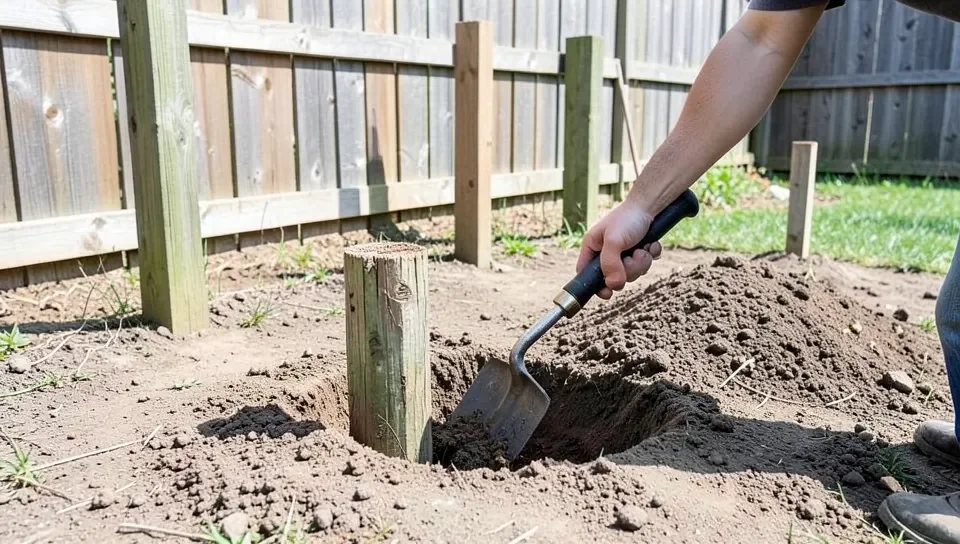
Of the $15 to $65 per linear foot total, roughly $10 to $30 is materials and $5 to $20 is labor – meaning labor typically makes up 25% to 40% of the bill on a professionally installed fence. That’s the portion a DIY build eliminates, but it isn’t free labor in practice: digging post holes below the frost line, setting posts plumb in concrete, and keeping a 100+ foot run straight is genuinely time-consuming work, usually a full weekend or more for an average backyard.
Post count matters more to your total than most people expect, because every post is a hole, a bag of concrete, and hardware – not just a board. Before you price out labor or materials, use our fence post spacing calculator to get an exact post count for your fence’s length and style, since spacing that’s too tight can add several posts – and several hundred dollars – to a run that didn’t need them.
Gates, Hardware, and Other Add-Ons
A per-linear-foot quote usually assumes a straight, uninterrupted run – gates and extras get priced separately:
- Gates: a single walk gate typically adds a few hundred dollars beyond the per-foot rate, since it needs two heavier posts, hinges, and a latch rather than standard line posts.
- Permits: many municipalities require a permit for fences over a certain height, which can add a flat fee on top of material and labor.
- Old fence removal: tearing out and hauling away an existing fence is commonly billed separately from new installation.
- Site prep: sloped yards, rocky or clay soil, and tree roots near the fence line can all add labor hours a flat quote didn’t anticipate.
- Finish: staining or sealing isn’t always included in an installer’s quote – budget separately for it, since skipping it shortens the lifespan of even a premium species.
Real-World Example: Pricing a 150-Foot Backyard Fence
Here’s how the same 150-foot, 6-foot-tall privacy fence prices out across the three most common species, using the installed per-foot ranges above:
| Species | Rate Used | 150 ft Total (Installed) |
|---|---|---|
| Pressure-treated pine | $18 – $38 / ft | $2,700 – $5,700 |
| Cedar | $30 – $45 / ft | $4,500 – $6,750 |
| Redwood | $40 – $65 / ft | $6,000 – $9,750 |
Going DIY on that same pressure-treated run – cutting out the $5 to $20 per foot labor portion – drops the total to roughly $1,500 to $4,500 in materials alone, which is why species choice and the labor-vs-DIY decision are the two levers worth spending the most time on before you order lumber.
Tips to Lower Your Wood Fence Cost
- Get at least three quotes. Labor rates for the same job can vary significantly between local contractors – comparing quotes is the single easiest way to avoid overpaying on the labor half of the bill.
- Consider pressure-treated pine with a good sealer instead of cedar or redwood if budget is the priority – a well-maintained pine fence sealed every 1-2 years can close most of the lifespan gap with untreated cedar.
- Buy preassembled panels where your local code allows them – they cut on-site labor time versus building board-by-board.
- Do the demolition and cleanup yourself even if you hire out the build – removal of an old fence is often billed as a separate line item you can DIY to shave off cost.
- Seal it on schedule. Reapplying a stain and sealer every 1-2 years protects the wood from the UV and moisture damage that otherwise forces early board replacement – cheaper than replacing sections of an unsealed fence a few years in.
Frequently Asked Questions
How much does a wood fence cost per linear foot?
Installed wood fences typically run $15 to $65 per linear foot, with most residential privacy fence projects landing between $20 and $50 per foot depending on wood species, height, and local labor rates.
What is the cheapest wood to use for a fence?
Pressure-treated pine and utility-grade spruce are the least expensive common fencing woods, generally starting under $20 per linear foot installed for a 6-foot privacy fence, though they have a shorter lifespan (roughly 15-20 years) than cedar or redwood.
Is it cheaper to build a wood fence yourself or hire a contractor?
DIY installation is cheaper, since labor typically makes up $5 to $20 of every linear foot – roughly 25% to 40% of the total installed price. A DIY build still requires renting or buying post-hole tools, concrete, and enough time to keep long runs straight and posts plumb.
How much more does cedar cost than pressure-treated pine for a fence?
Cedar typically costs 30-70% more than pressure-treated pine per linear foot installed, but it also lasts roughly 5-10 years longer and doesn’t require chemical pressure-treatment, which some homeowners prefer for yards where pets or kids will be in regular contact with the fence.
Whichever species and style you land on, the numbers above are ranges for a reason – get a written, itemized quote from at least two local installers before committing, so you can see exactly how much of your total is materials, labor, and add-ons like gates or permits.
Sponsored / affiliate links. As an Amazon Associate I earn from qualifying purchases. I may earn additional commission from eligible campaigns.