How Thick Should MDF Be for Countertops: Expert Guide
Are you planning a kitchen remodel or simply looking to upgrade your countertops? Choosing the right material is crucial, and MDF (Medium Density Fiberboard) is a popular choice for its affordability and versatility.
But how thick should MDF be for countertops to ensure durability and aesthetic appeal? This decision can impact not only the look of your kitchen but also its functionality over time. Imagine having a countertop that looks stunning but doesn’t hold up to daily wear and tear.
You deserve a kitchen that balances beauty with practicality. Dive into this guide to discover the ideal MDF thickness for your countertops, ensuring you make a choice that’s both smart and stylish. Your kitchen transformation begins here!
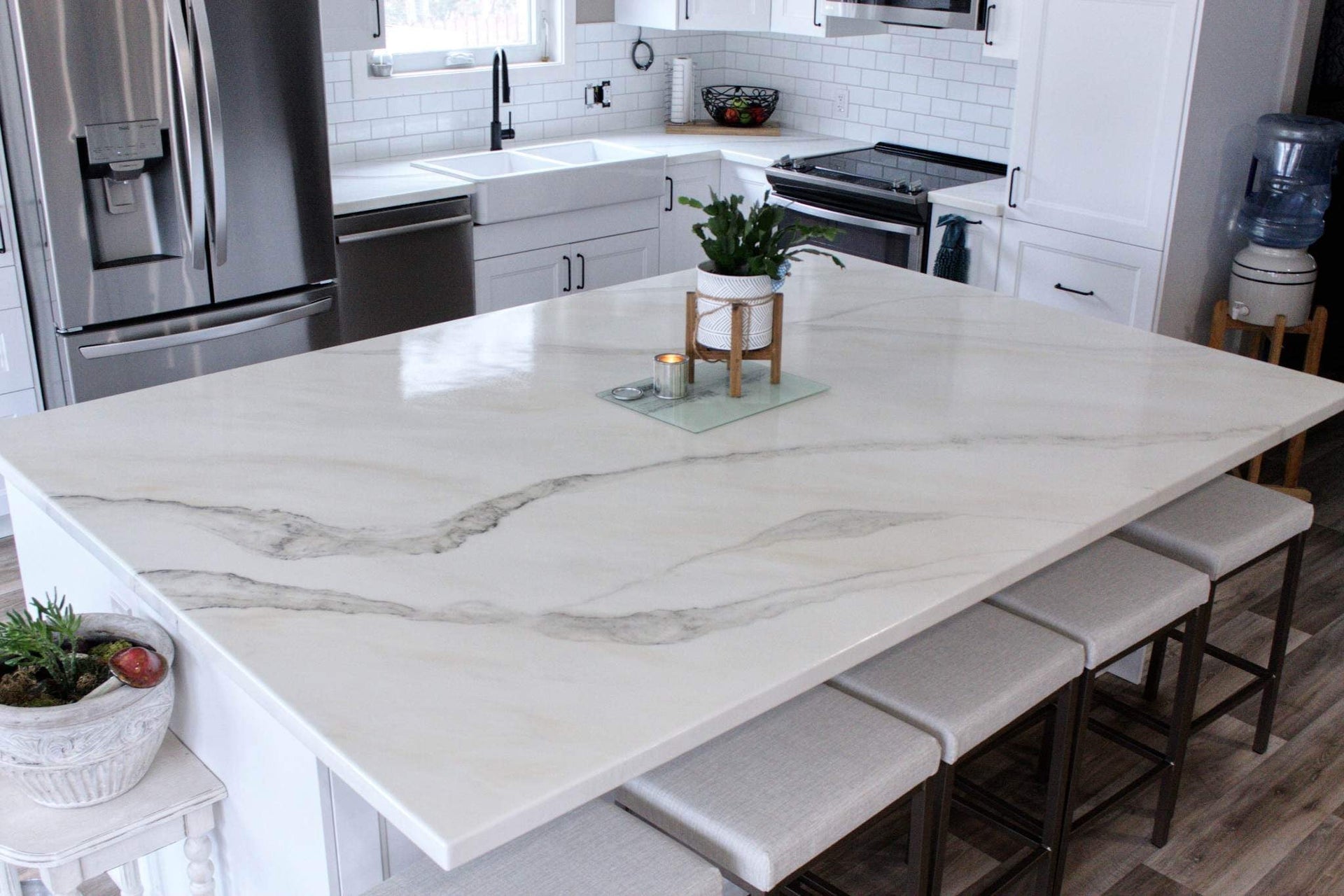
Credit: stonecoatcountertops.com
Choosing The Right Mdf Thickness
Choosing the right MDF thickness is important. It affects the strength and look of your countertops. Weight is a big factor. Thicker MDF can hold more weight. Usage is important too. If the countertop is for a kitchen, it needs to be strong. Budget also plays a role. Thicker MDF costs more money. Design can be a factor. Some designs need thicker material. Location is another point. Humid areas might need thicker MDF to stay strong.
MDF comes in different thickness options. 1/2 inch is thin. It is good for light use areas. 3/4 inch is common. It is strong and works for most kitchens. 1 inch is very strong. It is used for heavy use areas. Each thickness has its own best use. Make sure to pick the right one for your needs.
Advantages Of Using MDF For Countertops
MDF is cheaper than solid wood. This makes it a good choice. You save money on materials. It is also easy to find. Many stores sell MDF. You can buy it in big sheets. This means less waste. You do not need to buy extra.
MDF is easy to shape. You can cut it with simple tools. Make different designs with it. Paint it in any color. It looks good in kitchens. If you want a special look, choose MDF. It is also smooth. No bumps or rough spots. This makes painting easy.
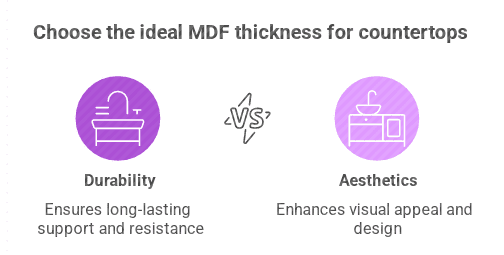
Impact Of Thickness On Durability
Thickness affects the durability of MDF countertops. Thicker MDF offers better resistance against daily wear. It can handle scratches and dents better. Thin MDF might show damage quicker. Thicker MDF can support heavy objects easily. It does not bend under pressure. This gives it a longer lifespan.
Resistance To Wear And Tear
MDF with more thickness resists wear and tear. It stays smooth for longer periods. Less thickness might lead to chipping. Thick MDF is ideal for busy kitchens. It handles spills and stains well. Regular cleaning keeps it looking new. Thin MDF might need frequent replacements. Choosing thick MDF is wise for busy areas.
Long-term Stability
Thick MDF ensures long-term stability. It stays firm over time. Thin MDF might warp or bend. This affects its appearance and usefulness. Thick MDF does not change shape easily. It stays flat and strong. Long-term use demands thick MDF. It stays reliable for many years.

Credit: solidwoodtops.co.uk
Installation Considerations
MDF countertops need strong support. This keeps them from sagging. Use sturdy brackets or beams. These hold the weight well. Space them evenly under the countertop. This gives even strength. Without support, countertops can break.
Edges of MDF need protection. This stops water damage. Use laminate or veneer for covering edges. These materials are easy to apply. They also look nice. Paint can also seal edges. This helps in keeping moisture away. Always choose a smooth finish for a neat look.
MDF Vs Other Materials
MDF is softer than real wood. It can scratch easily. Other materials like granite are much tougher. They do not scratch much. MDF can bend under heavy weight. Granite stays strong. Wood is stronger than MDF too. It can hold more weight. MDF needs careful handling. Wood and granite are more durable.
MDF is cheaper than granite. MDF is also cheaper than wood. Granite costs a lot more. Wood is also more expensive. MDF is easy to clean. Granite needs special cleaning. Wood needs polishing. MDF does not need much care. Granite and wood need more care. Choose MDF for a simple option. Pick granite for luxury.

Credit: www.2thesunnyside.com
Expert Tips For Selecting MDF Thickness
Consulting Professionals is a good idea for choosing MDF thickness. Experts know what works best for countertops. They can suggest the right thickness for your needs. Usually, MDF comes in various thicknesses. Thicker MDF is stronger but costs more.
Thinner MDF might not be as strong. Ask professionals about the environment where the countertop will be used. Kitchens and bathrooms need different MDF types. Professionals can also advise on sealing and finishing MDF. This helps in protecting it from damage. Their advice ensures you pick the right MDF for your project.
Common Mistakes to Avoid include choosing the wrong thickness. Many people pick MDF that’s too thin. This can make countertops weak and break easily. Some choose MDF that’s too thick. It can be more expensive than needed. Not consulting experts is another mistake. They know what works best. Also, ignoring the environment can lead to damage. Kitchens and bathrooms need special care. Always consider these factors when selecting MDF.
Frequently Asked Questions
What Thickness MDF For Countertop?
Use 1-inch thick MDF for countertops to ensure durability and support. Thicker MDF provides better resistance to sagging. Always seal and protect the surface to guard against moisture and wear. Proper installation is crucial for lasting performance and appearance.
Can You Use MDF For A Countertop?
MDF can be used for countertops but is not ideal for wet areas. It lacks durability and water resistance. Seal it properly to prevent damage. Consider alternatives like laminate or solid surface for better longevity and performance. MDF is suitable for decorative and low-impact areas.
How Thick Should My MDF Be?
Choose MDF thickness based on your project needs. Use 1/4 inch for lightweight tasks. Opt for 1/2 inch for general use. Go for 3/4 inch for heavy-duty applications. Always consider the load and purpose before selecting MDF thickness.
Is MDF Better Than Plywood For Countertops?
MDF is less durable and moisture-resistant compared to plywood for countertops. Plywood offers better strength and longevity. MDF is smoother, ideal for painted finishes. Plywood withstands heavy use and humidity better, making it a superior choice for countertops. Consider your specific needs and budget when choosing materials.
Conclusion
Choosing the right MDF thickness for countertops matters. Thicker MDF offers durability and stability. It supports heavy objects without bending. Thinner MDF may work for light use. Think about your needs before deciding. Consider the weight and use of items on the countertop.
Thicker MDF is often best for kitchens. It can handle regular use and stress. Always balance cost with quality. A strong countertop lasts longer and looks better. Remember, proper thickness ensures your countertop performs well. Make the right choice for your space and needs.