How to Age Redwood Quickly: 4 Methods That Actually Work
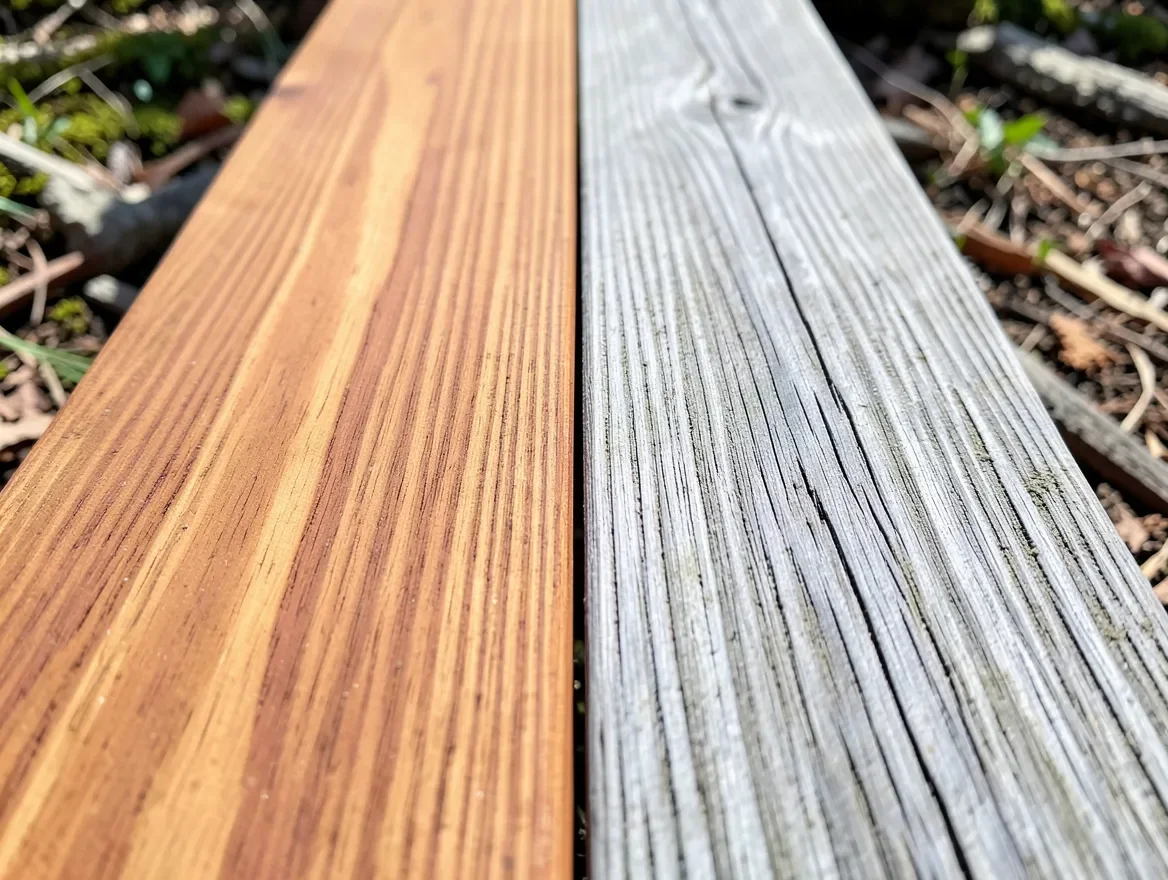
To age redwood quickly, wash it with a baking-soda-and-water solution for a fast, even grey cast, or brush on a vinegar-and-steel-wool solution for a deeper weathered look — both work in a few hours, not the months natural sun and rain exposure takes.
Freshly milled redwood starts out a warm reddish-brown, and it only reaches that classic silver-grey patina after one to three years outdoors, as UV light breaks down the surface lignin and rain washes the byproducts away. Both fast methods below work by triggering a real chemical reaction in the wood itself, not by painting a grey color on top of it. If you’d rather skip the chemistry entirely and let sunlight and rain do the work over months instead, see our guide on how to turn redwood grey naturally.
Quick Answer: Two Ways To Age Redwood Fast
Redwood is unusually rich in tannins compared to most construction lumber, which is exactly what makes it age fast artificially. A baking soda wash (baking soda dissolved in water, nothing else mixed in) raises the wood’s surface pH just enough to grey it within a few hours. A vinegar-and-steel-wool solution goes further: the acetic acid in vinegar dissolves iron from the steel wool into iron acetate, which then reacts with the wood’s own tannins to form a grey-black compound similar to what natural weathering produces over years. If you’d rather not mix anything yourself, a ready-made wood weathering accelerant does the same tannin reaction in one bottle:
Fastest No-Mix Aging Pick
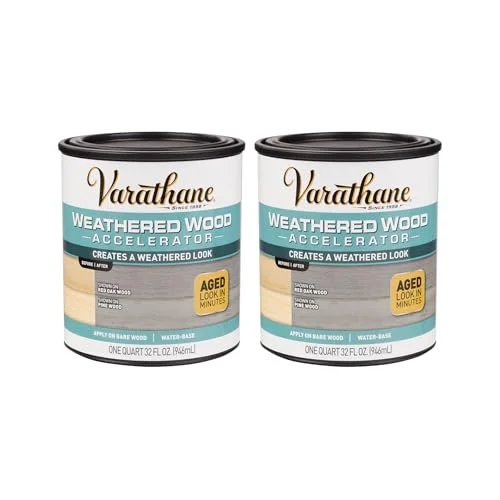 |
Varathane Weathered Wood Accelerator (2-Pack) – $32.41 Brush it on bare redwood for the same grey, weathered color as the DIY vinegar-and-steel-wool method, with no 24-hour soak required.
|
What You Need Before You Start
Sand the redwood down to bare, unsealed wood first — any existing stain, sealant, or mill glaze blocks both reactions from reaching the tannins underneath. 120-150 grit is enough; you’re not trying to remove wood, just open the grain.
Wear gloves and safety glasses for either method — vinegar solutions can irritate skin with repeated contact, and baking soda dust irritates eyes. Work outdoors or somewhere ventilated, and test any solution on an offcut or a hidden corner first, since the final shade depends on how much tannin your specific board has.
Method 1: The Baking Soda Wash (Fastest, Mildest)
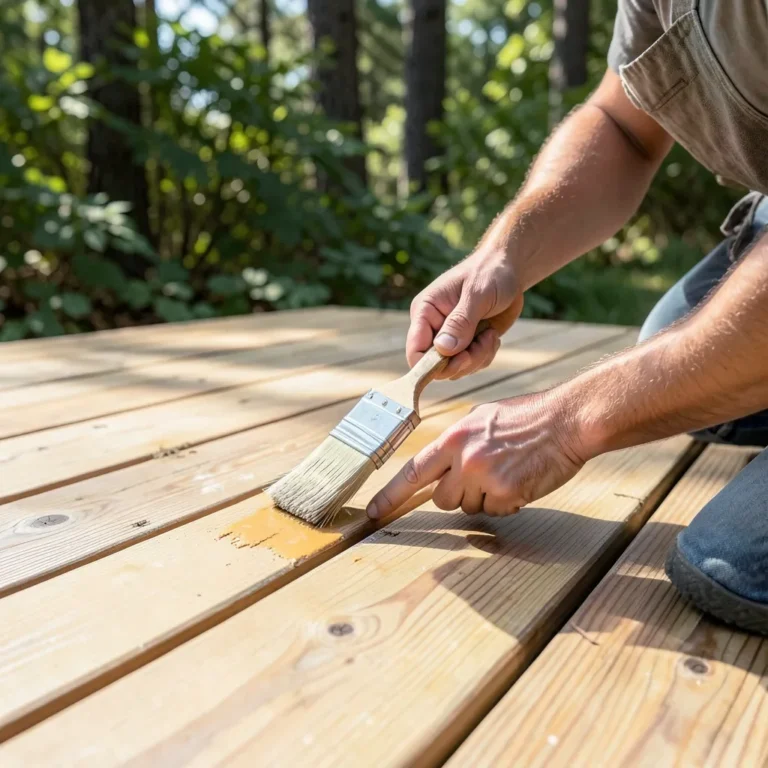
Dissolve 1/4 cup of baking soda into 1 quart of warm water and stir until it’s fully dissolved — don’t add vinegar to this mixture, the two cancel each other out into salt water and defeat the point. Brush the solution generously onto bare redwood with a natural-bristle or foam brush, working with the grain.
Let it sit for 20-30 minutes, then rinse with clean water and let the board dry fully (a few hours in the sun, or overnight indoors). Expect a soft, even grey cast — lighter and more uniform than the vinegar-and-steel-wool method, and a good choice if you want a subtle weathered look rather than a dramatic one.
Method 2: Vinegar And Steel Wool (The Deeper Weathered-Grey Look)
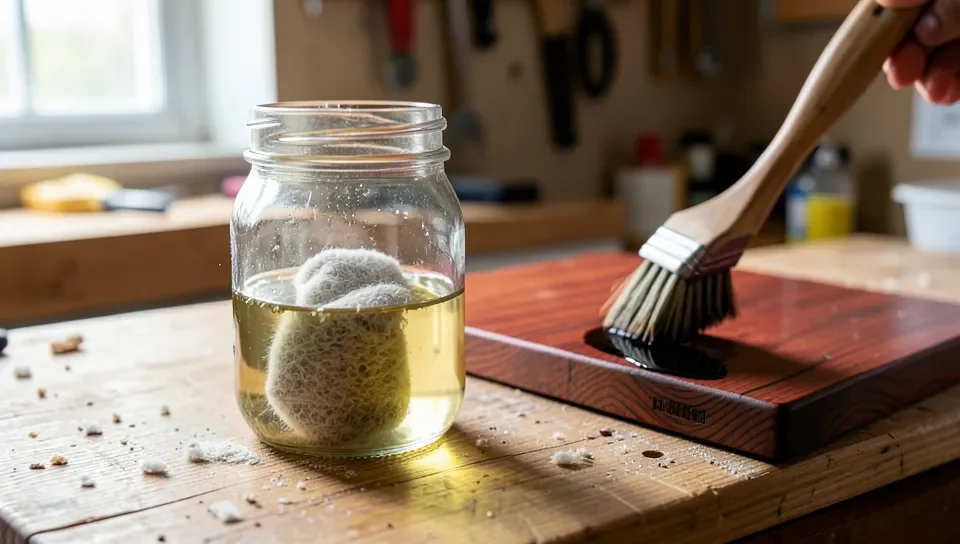
Drop a pad of 0000 steel wool into a jar of plain white vinegar and let it sit for 24 hours — the acid slowly dissolves the steel into the vinegar, turning it a pale yellow-brown. That liquid is now an iron acetate solution.
Strain out the leftover steel wool and brush the solution onto bare redwood. Within 15-60 minutes you’ll see the wood shift toward grey-black as the iron acetate reacts with the tannins — the same tannin-and-iron chemistry that’s been used to ebonize oak for centuries, and it works especially well on tannin-rich woods like redwood, cedar, and white oak. Let it dry fully before deciding on a second coat; the color keeps deepening slightly as it cures.
Skip The Mixing: Ready-Made Wood Weathering Accelerants
If you don’t want to brew your own solution, bottled wood weathering accelerants use the same basic tannin reaction in a single ready-to-use formula — you brush it onto bare wood and get a grey, weathered look in minutes instead of waiting on a DIY mix to sit overnight. They’re water-based and low-odor, and the final shade still depends on your redwood’s own tannin content, so test an offcut first just like with the DIY versions.
If You Have Time, Let The Sun Do It
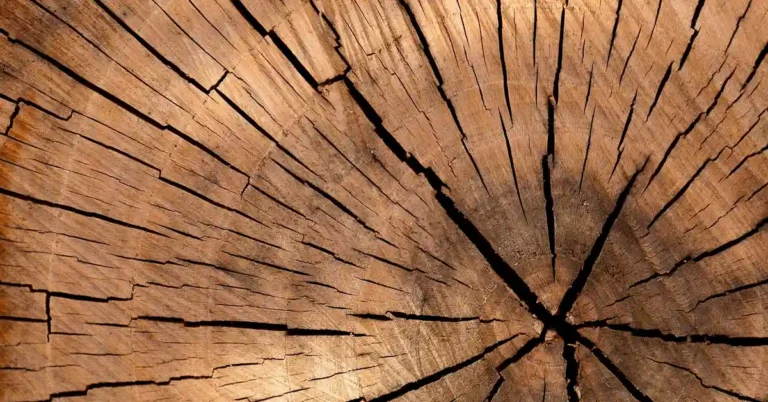
None of the fast methods above are necessary if the redwood isn’t going somewhere visible right away. Left unsealed outdoors, redwood greys on its own as UV light breaks down lignin at the surface and rain carries the byproducts away — usually a noticeable shift within a few months, and a full silver-grey patina within one to three years depending on your climate and sun exposure. That process also protects the wood, since the greyed surface layer resists further UV damage better than fresh wood does. For the full natural timeline and how to keep the color even as it weathers, see our guide on how to turn redwood grey naturally.

What Artificial Aging Can’t Fake
Be honest with yourself about what these methods actually do: they change the color of the wood’s surface, not its texture. Years of real UV exposure and rain don’t just grey redwood — they physically erode the softer spring-growth grain faster than the harder summer-growth grain, which is what gives naturally weathered wood its slightly rippled, raised-grain feel under your hand.
A baking soda wash, a vinegar-and-steel-wool solution, or a bottled accelerant will all get you the grey color in an afternoon, but the surface will still feel as smooth as the day you sanded it. If texture matters as much as color — a tabletop or bench people will actually touch, for example — a light wire-brushing after the chemical treatment (going with the grain, not against it) gets you closer to the real thing than color alone.
Frequently Asked Questions
Can I Really Age Redwood In A Day?
Yes for color — both the baking soda wash and the vinegar-and-steel-wool solution visibly grey redwood within an hour to a few hours, and a bottled accelerant works in minutes. What you can’t compress into a day is the surface texture that comes from years of real weathering; the fast methods change color only.
Does Baking Soda Actually Age Redwood?
Yes, on its own. A baking soda wash raises the wood’s surface pH, which reacts with natural compounds in redwood to shift the color toward grey. Don’t combine it with vinegar in the same mix — the acid and base neutralize each other into salt water and stop working.
Why Use Vinegar And Steel Wool On Redwood?
Vinegar dissolves iron out of the steel wool into iron acetate, and iron acetate reacts strongly with the tannins that redwood, cedar, and oak are naturally rich in, producing a grey-black color similar to natural weathering. It’s a stronger, faster reaction than baking soda alone.
Will Artificially Aged Redwood Look Exactly Like Naturally Weathered Wood?
Close in color, not in texture. Chemical aging methods change the wood’s surface color but not its grain texture, which only develops from years of real UV and rain erosion. A light wire-brushing after the color treatment can help close that gap if texture matters for your project.
Conclusion
Aging redwood quickly comes down to picking the reaction that fits your project: a baking soda wash for a fast, subtle grey, vinegar and steel wool (or a bottled accelerant) for a deeper weathered color, or real sun exposure if you’re not in a hurry and want the texture to match too. Test on an offcut first, since your board’s own tannin content decides the exact shade you’ll end up with.
Sponsored / affiliate links. As an Amazon Associate I earn from qualifying purchases. I may earn additional commission from eligible campaigns.