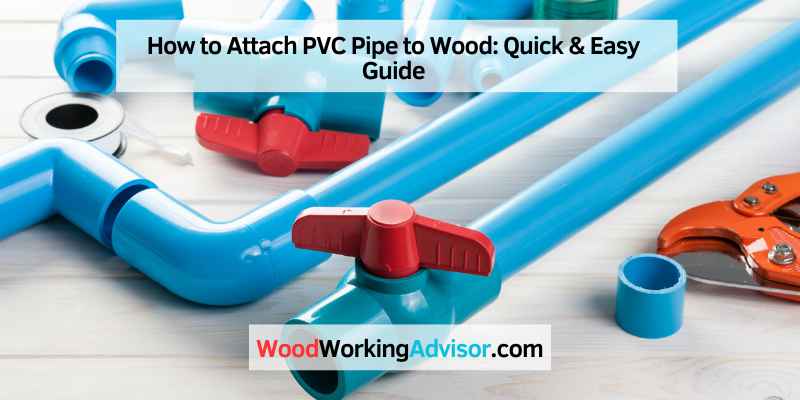
How to Attach PVC Pipe to Wood: Quick & Easy Guide
To attach PVC pipe to wood, use a combination of PVC cement and screws for a secure connection. First, apply the PVC cement to the pipe and wood surface, then insert the pipe into the fitting.
Next, drill pilot holes into the wood, and secure the pipe with screws. This method ensures a strong and durable bond between the PVC pipe and the wood, suitable for various DIY projects and plumbing applications. When working on DIY projects or plumbing tasks, it’s essential to know how to securely attach PVC pipe to wood.
Whether you’re building a structure, installing a water system, or creating a custom piece, understanding the proper techniques for joining these materials is crucial. In this guide, we’ll explore the step-by-step process of attaching PVC pipe to wood, ensuring a reliable and long-lasting connection for your projects.
Introduction To Pvc Pipe Applications
PVC pipes are versatile and can be easily attached to wood for various applications. With their durability and flexibility, PVC pipes provide a reliable solution for projects such as irrigation systems, furniture construction, and DIY projects. Discover the seamless integration of PVC pipe and wood for your next project.
Benefits Of Using Pvc Pipes
PVC pipes are known for their numerous benefits, making them a popular choice for various applications. Their lightweight nature and durability make them ideal for both indoor and outdoor projects. PVC pipes are resistant to corrosion, chemicals, and abrasion, ensuring a long lifespan. Additionally, their smooth interior surface allows for efficient fluid flow, reducing the risk of clogs and blockages. The cost-effectiveness and ease of installation further contribute to the widespread use of PVC pipes in different industries.
Why Attach Pvc Pipe To Wood?
Attaching PVC pipe to wood can be necessary for a variety of projects, such as constructing outdoor furniture, garden structures, or irrigation systems. The combination of PVC and wood allows for a versatile and sturdy framework that can withstand environmental elements. Whether it’s for practical or aesthetic purposes, securing PVC pipes to wood provides a solid and reliable base for various applications, ensuring stability and longevity.
Materials Needed For Attachment
To attach PVC pipe to wood, you will need a few materials including a drill, screws, PVC primer, and PVC cement. The primer and cement will help ensure a strong bond between the PVC pipe and the wood. Make sure to follow the instructions carefully to ensure a secure attachment.
Before you start attaching PVC pipe to wood, there are a few materials that you’ll need to have on hand. These include:
List Of Tools
- Measuring Tape
- Hacksaw or PVC Pipe Cutter
- Drill
- Spade Bit
- Screws
- Screwdriver or Drill Bit
- Silicone Sealant
Selecting The Right Pvc Pipe And Wood
It’s important to choose the right type of PVC pipe and wood when attaching them together. PVC pipes come in different sizes, so make sure you select the appropriate size for your project. The wood should also be sturdy enough to support the weight of the PVC pipe and any materials that will be attached to it.
When selecting the PVC pipe, look for pipes that are labeled as “Schedule 40.” This type of pipe is designed for pressure applications and is more durable than other types of PVC pipes. As for the wood, pressure-treated lumber is a good choice as it’s resistant to rot and decay.
Overall, with the right materials and tools, attaching PVC pipe to wood can be a simple and straightforward process. Just be sure to take your time and follow the steps carefully to ensure a secure and long-lasting attachment.
Preparation Steps
Before you can attach PVC pipe to wood, it is important to follow a few preparation steps to ensure a secure and durable connection. By taking the time to measure and mark, as well as prioritize safety precautions, you can complete the task with ease and confidence.
Measuring And Marking
Accurate measurements are key to successfully attaching PVC pipe to wood. Follow these steps to measure and mark the pipe:
- Using a tape measure, determine the desired length of the PVC pipe that needs to be attached to the wood.
- Make a mark on the pipe at the desired length using a pencil or marker.
- Ensure the mark is clear and easily visible.
Safety Precautions
Prioritize safety when working with PVC pipe and wood. Take these precautions to ensure a safe and injury-free process:
- Wear protective gloves to prevent injuries from sharp edges or splinters.
- Use safety goggles to shield your eyes from any potential debris or particles.
- Work in a well-ventilated area or wear a mask to avoid inhaling any dust or fumes.
- Keep the work area clean and free from any tripping hazards.
By following these preparation steps, you can ensure a smooth and successful process of attaching PVC pipe to wood. Remember to measure and mark accurately, and prioritize safety precautions to create a secure and durable connection.
Cutting And Shaping Pvc Pipe
To attach PVC pipe to wood, start by cutting and shaping the PVC pipe to the desired length and shape using a PVC cutter or saw. Once the pipe is prepared, use PVC adhesive to securely attach it to the wood surface, ensuring a strong and durable connection.
Best Practices For Cutting Pvc Pipe
When it comes to attaching PVC pipe to wood, cutting and shaping the pipe properly is essential for a secure and professional-looking installation. Follow these best practices to ensure accurate and clean cuts:
Cutting Pvc Pipe
To cut PVC pipe, you have several options. The most common methods include using a handsaw, a hacksaw, or a PVC pipe cutter. Here’s a breakdown of each method:
1. Handsaw:
– Use a fine-toothed handsaw specifically designed for cutting plastic.
– Place the pipe securely in a vise or clamp to prevent it from moving while cutting.
– Slowly and steadily saw through the pipe using long, smooth strokes.
– Apply gentle pressure to avoid cracking or splintering the pipe.
2. Hacksaw:
– Choose a hacksaw blade with fine teeth to ensure a clean cut.
– Mark the desired cut line on the pipe using a pencil or marker.
– Secure the pipe in a vise or clamp to keep it steady.
– Position the hacksaw blade perpendicular to the pipe and start sawing using short, controlled strokes.
– Apply even pressure to maintain a straight cut.
3. PVC Pipe Cutter:
– PVC pipe cutters are specifically designed for cutting PVC pipes and offer precise and effortless cuts.
– Measure and mark the desired cut length on the pipe.
– Open the PVC pipe cutter and place it around the pipe, aligning the cutting blade with the marked line.
– Squeeze the handles of the cutter firmly to cut through the pipe.
– Release the handles and repeat the process if necessary.
Smoothing Edges
After cutting the PVC pipe, it’s important to smooth the edges to ensure a proper fit and prevent any rough or sharp edges that could cause injury. Here’s how to do it:
1. Sandpaper:
– Use a fine-grit sandpaper or sanding block to gently sand the cut edges of the pipe.
– Hold the sandpaper at a slight angle and move it back and forth to smooth the rough edges.
– Continue sanding until the edges are smooth to the touch.
2. File:
– Alternatively, you can use a file to smooth the cut edges of the PVC pipe.
– Hold the file at a 45-degree angle and stroke it across the cut edge in one direction.
– Repeat the process until the edges are no longer sharp or rough.
Remember, wearing protective gloves and safety goggles is crucial when working with PVC pipes to avoid any injuries. By following these best practices for cutting and shaping PVC pipe, you’ll be able to attach it to wood confidently and achieve a clean and professional finish.
Drilling Holes In Wood And Pvc
When attaching PVC pipe to wood, drilling precise holes is crucial for a secure and durable connection. By following the right techniques and alignment tips, you can ensure a strong bond between the two materials.
Techniques For Precise Drilling
When drilling holes in wood and PVC, it’s essential to use the appropriate techniques to achieve precise results. Choosing the correct drill bit for the specific materials is crucial for clean and accurate holes. Additionally, maintaining a steady hand and applying consistent pressure during the drilling process helps to prevent any splintering or damage to the wood or PVC.
Alignment Tips
Proper alignment is key when attaching PVC pipe to wood. Marking the drilling locations accurately on both the wood and PVC ensures that the holes will align perfectly, allowing for a seamless connection. Using clamps or a vice to secure the materials in place during drilling helps to maintain alignment and prevents any movement that could result in misaligned holes.
Securing Pvc Pipe To Wood
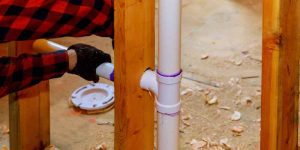
Attaching PVC pipe to wood can be done easily and securely using screws or adhesive. First, drill pilot holes into the wood, then insert the screws through the pipe and into the holes. Alternatively, use adhesive specifically designed for PVC and wood.
Choosing Fasteners
Step-by-step Attachment Process
Securing PVC pipe to wood involves selecting suitable fasteners and following a specific attachment method.
Choosing Fasteners
– Select corrosion-resistant screws or nails.
– Prefer stainless steel for durability.
– Avoid using regular steel due to rust.
– Ensure the fastener length is appropriate.
Step-by-step Attachment Process
1. Drill pilot holes in the wood.
2. Align the PVC pipe in position.
3. Insert the fasteners through the pipe.
4. Screw or nail the PVC pipe securely.
5. Check for tightness and stability.
By following these steps and using the right fasteners, you can effectively attach PVC pipe to wood.
Sealing And Finishing Touches
When it comes to attaching PVC pipe to wood, the sealing and finishing touches are crucial steps to ensure a secure and durable connection. By properly sealing the joint and conducting a final inspection, you can enhance the longevity and performance of the attachment.
Applying Sealant For Durability
To enhance the bond between the PVC pipe and wood, apply a waterproof sealant around the joint. Use a silicone-based sealant to prevent leaks and protect the connection from moisture. Apply the sealant generously and evenly to create a tight seal.
Final Inspection And Testing
- Inspect the sealant for any gaps or inconsistencies.
- Check for tightness of the connection by gently twisting the pipe.
- Test for leaks by running water through the pipe.
- Ensure the joint is secure and properly sealed before regular use.
Maintenance And Care Tips
Proper maintenance and care are essential to ensure the longevity and performance of your PVC pipe attached to wood. By following some simple tips, you can keep your setup in top condition for years to come.
Cleaning And Upkeep
- Regularly wipe down the PVC pipe and wood with a damp cloth.
- Use a mild soap solution to clean off dirt and grime.
- Inspect for any signs of mold or mildew and clean promptly.
- Apply a protective sealant to the wood to prevent water damage.
When To Replace Or Repair
- Check for any cracks, leaks, or damage to the PVC pipe.
- Inspect the wood for rot, warping, or weakening.
- If repairs are needed, address them promptly to avoid further damage.
- Consider replacing the PVC pipe or wood if damage is extensive.
Creative Projects Using Pvc And Wood
Discover exciting ways to combine PVC pipes with wood in your DIY projects. From home decor to outdoor applications, explore innovative ideas to attach PVC pipes to wood effortlessly.
DIY Home Decor Ideas
Enhance your living space with unique home decor pieces crafted from PVC pipes and wood.
Outdoor And Garden Applications
Elevate your garden with stylish and functional PVC and wood creations.
Troubleshooting Common Issues
When working with PVC pipe and wood, it’s common to encounter some challenges in getting the perfect fit. Let’s explore some troubleshooting techniques for common issues that may arise when attaching PVC pipe to wood.
Dealing With Misalignment
If you find that the PVC pipe and wood are not lining up correctly, try adjusting the positioning of the pipe and fittings. Check for any obstructions or inconsistencies in the wood surface that may be causing the misalignment. Ensure that the pipe and fittings are properly aligned before securing them to the wood. Use a level to make sure everything is straight and in the right position.
Addressing Loose Fittings
If you encounter loose fittings when attaching PVC pipe to wood, consider using PVC primer and cement to create a more secure bond. Apply primer to the inside of the fitting and the outside of the pipe, then apply cement to both surfaces before connecting them. This will help create a tighter seal and prevent fittings from becoming loose over time.
Advancements In Pvc To Wood Attachment
Attaching PVC pipes to wood has become easier and more efficient with the advancements in tools and techniques. Whether you are working on a DIY project or a professional installation, these innovations offer convenience, durability, and eco-friendly alternatives. Let’s explore some of the latest advancements in PVC to wood attachment.
Innovative Tools And Techniques
With the introduction of innovative tools and techniques, attaching PVC pipes to wood has never been easier. One such tool is the PVC pipe connector, which allows for a secure and reliable connection. These connectors are designed to fit snugly around the pipe and provide a tight seal, ensuring that the joint remains watertight and leak-free.
In addition to connectors, there are also specialized screws and fasteners that are designed specifically for attaching PVC pipes to wood. These screws have a unique thread design that provides excellent grip and prevents the pipe from slipping or coming loose. By using these specialized screws, you can ensure a strong and durable attachment that will withstand the test of time.
Another innovative technique is the use of adhesives. Certain adhesives are formulated to bond PVC to wood, creating a strong and permanent connection. These adhesives are easy to apply and provide an additional layer of security to the attachment. However, it’s important to choose an adhesive that is specifically designed for PVC to wood bonding, as not all adhesives are suitable for this purpose.
Eco-friendly Alternatives
As sustainability becomes increasingly important, eco-friendly alternatives for PVC to wood attachment have emerged. One such alternative is the use of recycled PVC pipes. These pipes are made from post-consumer or post-industrial PVC material, reducing the demand for new PVC production and minimizing environmental impact.
Additionally, there are now PVC-free alternatives available in the market. These alternatives are made from materials such as HDPE (high-density polyethylene) or PEX (cross-linked polyethylene), which are considered more environmentally friendly than PVC. These materials offer similar durability and flexibility as PVC, making them suitable replacements for certain applications.
By opting for these eco-friendly alternatives, you can contribute to a greener and more sustainable future while still achieving a reliable PVC to wood attachment.
Conclusion
The advancements in PVC to wood attachment have revolutionized the way we work with these materials. With innovative tools and techniques, as well as eco-friendly alternatives, you can now achieve a secure and sustainable attachment. Whether you are a DIY enthusiast or a professional contractor, these advancements offer convenience, durability, and peace of mind.
Frequently Asked Questions
How Do You Attach Pvc Pipe To Wood?
To attach PVC pipe to wood, drill a hole in the wood and push the end of the PVC pipe into it. Then, screw the pipe onto the wood using screws. Alternatively, use pipe clamps to attach the pipe securely to the wood.
What Is The Best Adhesive For Pvc To Wood?
The best adhesive for attaching PVC to wood is a two-part epoxy adhesive. It is waterproof, strong, and bonds well to both PVC and wood surfaces. Apply the adhesive to the PVC and wood surfaces, then press them together and allow the adhesive to dry.
Can You Use Pvc Cement On Wood?
PVC cement is not recommended for use on wood. It is designed to bond PVC pipe and fittings only. Instead, use a two-part epoxy adhesive or pipe clamps to attach PVC pipe to wood.
How Do You Seal Pvc To Wood?
To seal PVC to wood, use a silicone sealant. Apply the sealant to the joint between the PVC and wood surfaces, smoothing it out with a caulking tool or your finger. Allow the sealant to dry completely before using the joint.
Conclusion
Incorporating PVC pipes into wood projects is a versatile and practical skill. By following simple steps, you can securely attach PVC pipes to wood surfaces. This process ensures stability and durability in various DIY or professional applications. Enhance your projects by seamlessly integrating PVC pipes with wood for reliable results.