Is Composite Decking Slippery When Wet? Rain, Shade & Drainage Fixes
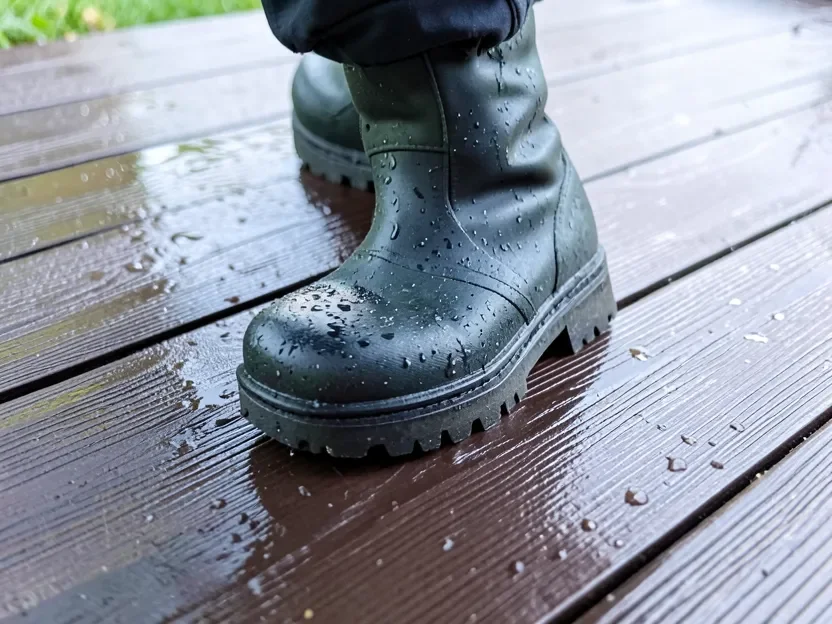
Yes, composite decking can get slippery when wet — especially older or budget composite with a smooth, uncapped surface, or any composite deck that has a film of algae, pollen, or dirt sitting on it. Modern capped composite with an embossed wood-grain finish resists this far better, but rain, dew, and shaded damp spots can still catch anyone off guard. Here’s what actually happens to a composite deck once it’s wet, why it’s different from a wood deck getting rained on, and what actually reduces the risk during rainy or shaded seasons.
What Actually Makes a Composite Deck Slick When It Rains
Best Composite-Safe Cleaner for Wet-Slip Prevention
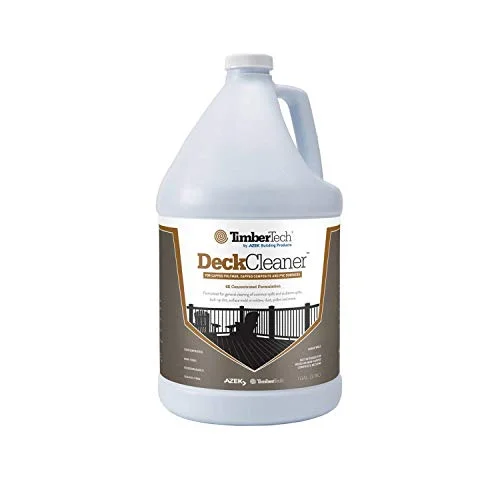 |
TimberTech Composite DeckCleaner – $37.99 A manufacturer-formulated cleaner made to strip the algae and pollen film that causes most wet-composite slip complaints, without damaging the cap layer.
|
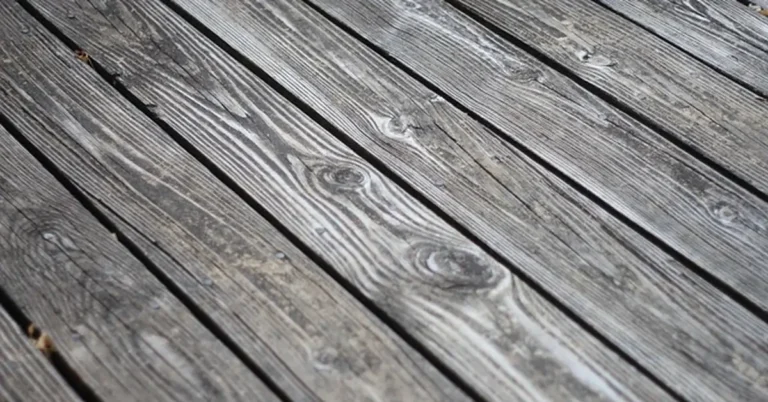
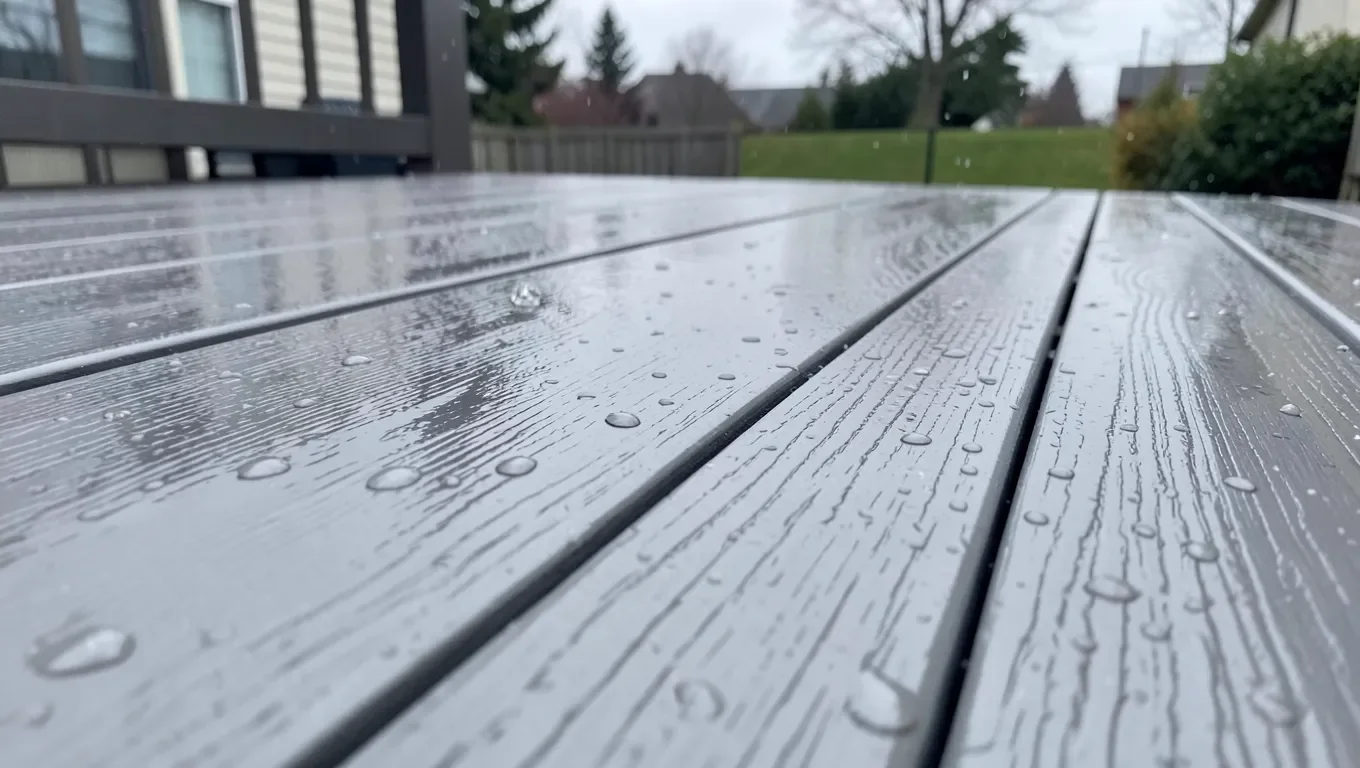
Composite decking doesn’t weather the way wood does. As wood ages outdoors, it develops raised grain and a rougher surface that actually helps bare feet and shoes grip it — composite doesn’t do that. Instead, a composite board’s wet-weather traction comes entirely from whatever texture was molded into the cap layer at the factory. On older or cheaper composite lines, that texture is often a flat, smooth plastic-based finish, and once rain sheets across it, friction drops fast. On newer capped boards, manufacturers now mold in a deep wood-grain embossing or a brushed finish specifically to create that directional grip when the surface is wet.
The other wet-specific factor is what’s sitting on top of the board, not the board itself. Composite doesn’t grow algae or mildew on the material — it grows on the thin layer of pollen, dirt, and organic debris that settles onto the surface over weeks. That film holds moisture and turns slick almost as soon as it’s wet, which is why a deck that looked fine in dry weather can feel dangerously slippery the first time it rains after a few weeks without cleaning.
Is Composite Really Worse Than Wet Wood?
It depends entirely on the age and finish of both surfaces, which is why this question doesn’t have one clean answer. A newly capped composite board with embossed texture generally out-grips wood in the rain, because that texture doesn’t wash away or wear down the way a wood finish does. But a smooth, older, or uncapped composite board can genuinely be more slippery than a weathered wood deck — wood picks up surface roughness as it ages and the grain raises, while smooth composite just gets slicker the wetter and dirtier it gets, since it never develops that texture on its own.
So “composite vs. wood” is really a proxy for a different question: how much built-in texture does your specific deck have, and how clean is it right now? A grimy, algae-dulled composite deck in a shaded yard can be more hazardous in the rain than a rougher, well-worn wood deck in full sun that dries within the hour.
Rain, Dew, and Seasonal Wet Conditions
Two things make a composite deck riskier during rainy stretches than a single wet afternoon would suggest: how long the surface stays wet, and where the water actually goes.
Drainage and Water Pooling
Composite boards are installed with a small gap between them specifically so water can drain through rather than sit on the surface. If that gap gets clogged with leaves, pine needles, or dirt — which happens gradually and is easy to miss — water starts pooling on top of the boards instead of draining away, and a pooled deck stays slick for hours after the rain actually stops. Clearing the gaps between boards each season, and making sure a gutter or downspout above the deck isn’t dumping extra runoff onto one section, does more for wet-weather safety than most people expect.
Shade and Morning Dew
A shaded section of deck under a tree canopy or next to the house can stay damp from morning dew long after the sun has dried the rest of the deck. That’s also exactly where algae and mildew take hold fastest, since the surface never fully dries between waterings. If one part of your deck is consistently the last to dry, treat it as the highest-risk zone and clean it on its own schedule rather than waiting for a whole-deck cleaning day.
Snow, Ice, and Freeze-Thaw
In winter, the wet-slip problem becomes an ice problem. Clear snow with a plastic shovel (a metal edge can gouge the cap layer), and use sand or a calcium-based ice melt rated safe for composite rather than rock salt, which can pit some cap finishes over repeated seasons. A deck that drains well in the fall also freezes less unevenly in the winter, since there’s less standing water left to turn to ice overnight.
Cleaning on a Schedule That Actually Prevents the Wet-Slip Problem
Since the algae/pollen film — not the composite itself — is what turns most decks slick in the rain, a cleaning schedule built around your climate matters more than a one-time deep clean. Two to four times a year is a reasonable baseline, with extra attention right before your region’s rainy season and again at the end of it. The product matters here too: a generic all-purpose cleaner or diluted bleach can dull or strip the embossed texture that’s giving your deck its wet-weather grip in the first place, which is exactly why manufacturers publish their own composite-safe formulas rather than leaving it to whatever’s under the sink.
A Simple Way to Check Your Own Deck’s Wet-Slip Risk
You don’t need lab equipment to get a rough sense of how risky your own deck is once it rains. Wet a section with a hose on a dry day, then walk across it in the shoes you’d normally wear outside. If your foot slides noticeably before catching, or you feel the need to shorten your steps to stay balanced, that section needs attention before the next real storm. Run the same test on a shaded area and a sun-exposed area separately — they often behave very differently, and it’s usually the shaded section that fails first. If a spot fails the test right after cleaning, the surface texture itself (not dirt or algae) is the limiting factor, and an anti-slip coating or traction tape — not more cleaning — is the fix at that point.
Quick Fixes If Your Deck Is Slippery Right Now
- Wear rubber-soled shoes outside, not sandals or dress shoes — footwear is a bigger factor in most reported deck slips than the decking material itself.
- Keep a handrail on any stairs — it won’t stop a slip, but it stops a slip from becoming a fall.
- Towel off or squeegee high-traffic spots after a storm if you know guests are coming over before the deck naturally dries.
- Check the board gaps for clogged debris after any storm that dumped a lot of leaves or needles onto the deck.
For a wider comparison of coefficient-of-friction ratings by brand, and for anti-slip tape and coating options if your deck needs more than cleaning, see our full step-by-step guide to making composite decking less slippery, or our full composite decking slip-resistance guide. If you’re troubleshooting a deck that stays slippery no matter what it’s made of, our general decking slip diagnosis guide covers causes beyond composite specifically.
Frequently Asked Questions
Why does my composite deck get slippery specifically after it rains?
Rain wets the thin film of pollen, dirt, and algae that builds up on the board surface between cleanings, and that film is what actually turns slick — not the composite material underneath it. A deck that’s been cleaned recently and drains well will feel far less slippery in the same rainstorm than one that hasn’t been cleaned in months.
Does composite decking drain water, or does it pool on the surface?
Composite boards are installed with small gaps between them so water drains through rather than sitting on top. If those gaps get clogged with leaves or dirt, water pools on the surface instead of draining away, and a pooled section stays slippery long after the rain stops.
Is a shaded composite deck more slippery than one in full sun?
Yes, generally. Shaded areas stay damp longer after rain or morning dew, and that extra moisture is exactly what algae and mildew need to take hold, which lowers traction further. Shaded sections of a deck are worth cleaning on their own, more frequent schedule.
How often should I clean composite decking to prevent it from getting slippery when wet?
Two to four times a year is a reasonable baseline for most climates, with extra cleanings timed just before and after your region’s rainiest season. Using a cleaner made for your specific composite brand matters, since a harsh generic cleaner can strip the textured finish that gives the board its wet-weather grip.
Conclusion
Composite decking can get slippery when wet, but the material itself is rarely the real problem — a clogged drainage gap, an algae film, or a smooth older board is usually the actual cause. Keep the gaps between boards clear, clean on a schedule with a composite-safe cleaner, and pay extra attention to shaded spots that stay damp longest, and rain stops being a safety issue on most modern composite decks.
Sponsored / affiliate links. As an Amazon Associate I earn from qualifying purchases. I may earn additional commission from eligible campaigns.
 SuperStructuring Plugs for Decking - 1/4" Trex Composite Decking Wood Plugs, Weather-Resistant, UV Protection, Hole Covers for Outdoor Home Improvement & Repair - Enhance Naturals Foggy Wharf, 100-PcSuperStructuring Plugs for Decking - 1/4" Trex Composite Decking Wood Plugs, Weather-Resistant, UV Protection, Hole Covers for Outdoor Home Improvement & Repair - Transcend Tiki Torch, 100-Pc