Can You Use a Magic Eraser on Wood? What the Label Says
A Magic Eraser is usually a bad choice for wood: Mr. Clean’s own label lists high gloss, polished, dark, satin, and bare wood as surfaces it does not recommend. It is melamine foam, a fine abrasive, and it can dull a finish in a few passes. This guide covers what the label says, which finishes are at risk, and what to use instead.
Can You Use a Magic Eraser on Wood? The Short Answer
Best Safe Wood Cleaner Pick
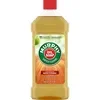 |
Murphy Oil Soap Wood Cleaner, 16 fl oz concentrate If the goal is dirt and grime on sealed wood, a non-abrasive cleaner does the job without sanding the finish the way a melamine eraser can.
|
The short answer is that you can physically do it, but the manufacturer does not recommend it on most wood, and the damage it causes is often worse than the mark you were trying to remove. Many sites say a Magic Eraser is “safe on finished wood if you test first.” That advice skips a detail: the label wording covers satin and high-gloss finishes, dark finishes, and bare or polished wood, which is most of what people own.
The one place a Magic Eraser is sometimes defensible is a hard, low-sheen film finish (a factory-cured coating on a cabinet, for example) with a stubborn mark that soap and water failed to lift. Even then, the safest order is soap and water first, abrasive last.
What a Magic Eraser Actually Is
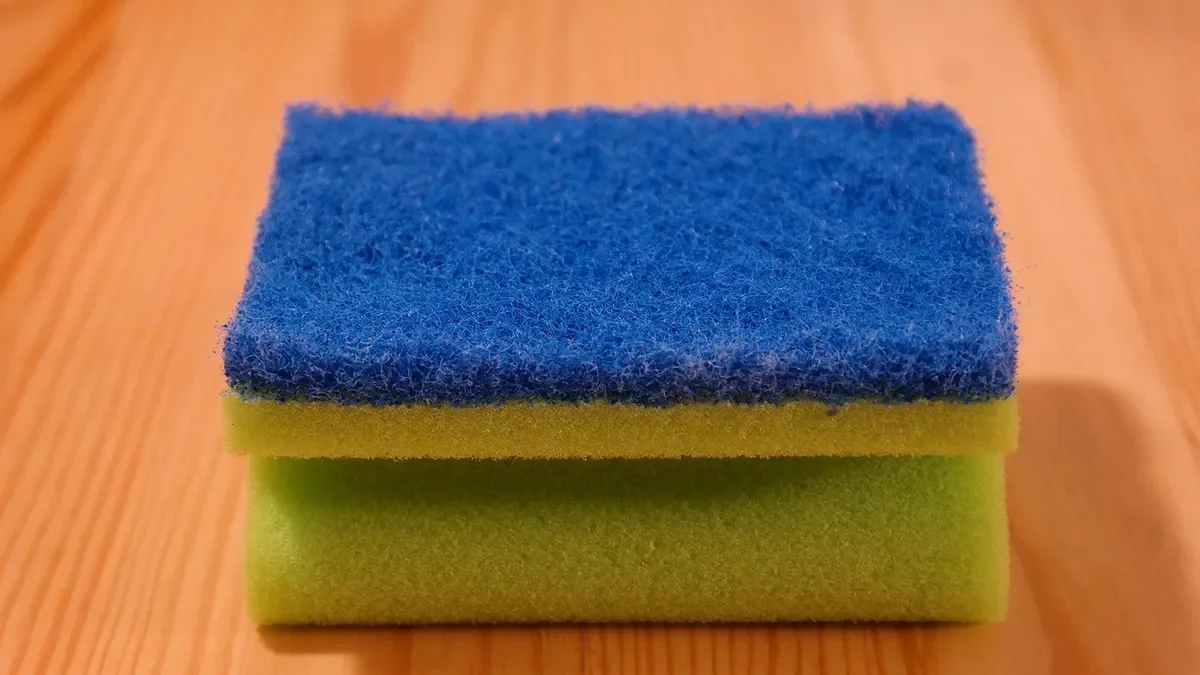
Mr. Clean Magic Eraser is a melamine foam pad. The maker describes the pad as having water-activated micro-scrubbers that reach into surface grooves and lift grease and soap scum. Independent cleaning guides describe the same mechanism as micro-abrasion, working much like a very fine sandpaper.
That explains the most common misunderstanding. The pitch that it cleans “without harsh chemicals” is true, but it does not mean gentle. A chemical cleaner dissolves grime; a Magic Eraser physically rubs a thin layer off the surface. On a tile or a painted wall that layer is dirt. On wood, the surface it rubs is often the finish, the thin protective coating that gives the wood its sheen and its resistance to moisture.
What the Mr. Clean Label Says About Wood
Mr. Clean’s how-to page for scuff removal carries this warning: not recommended for high gloss, polished, dark, brushed, satin, faux, bare/polished wood, and other surfaces. Here is how that list maps onto real wood surfaces:
| Wood surface | On the label? | Likely result | Better move |
|---|---|---|---|
| Bare or unfinished wood | Yes (bare wood) | Rubs and roughens the fibers, leaves an uneven patch | Vacuum or brush, then a barely damp cloth, dry at once |
| High-gloss or polished finish | Yes | Mirror shine turns into a dull, hazy patch | Soft cloth with mild soap, then furniture polish |
| Satin finish | Yes | Sheen shifts, visible when light hits at an angle | Microfiber with mild soap, wipe dry |
| Dark stains and finishes | Yes | Fine scratches show up as pale haze | Microfiber with mild soap; a touch-up marker only for actual scratches |
| Hard, low-sheen film finish (cabinet doors, trim) | Not named directly | Usually survives one light pass, but sheen can still change | Soap and water first; abrasive last, after a hidden-spot test |
| Waxed or oiled wood | Not named directly | Our inference: abrasion thins the wax or oil layer | Clean with a damp cloth, then re-wax or re-oil the area |
Only the first four rows come straight from the label. The last two are our judgment from how the product works, and that is why the hidden-spot test in the next section matters.
What Goes Wrong When You Use One on Wood
Dull patches from sheen loss
Finish sheen is created by a smooth, uniform surface. Abrasion scuffs that surface into millions of tiny scratches, and scratched surfaces scatter light instead of reflecting it, so the spot looks cloudy. Woodworking forum threads on Woodworking Talk and Houzz carry titles like “used Mr. Clean Magic Eraser on finished hardwood floors and now have cloudy marks” and “took off finish”, which is exactly the failure this mechanism predicts. If that has already happened to you, our page on fixing Magic Eraser marks on a wood floor covers the repair.
Roughened bare wood
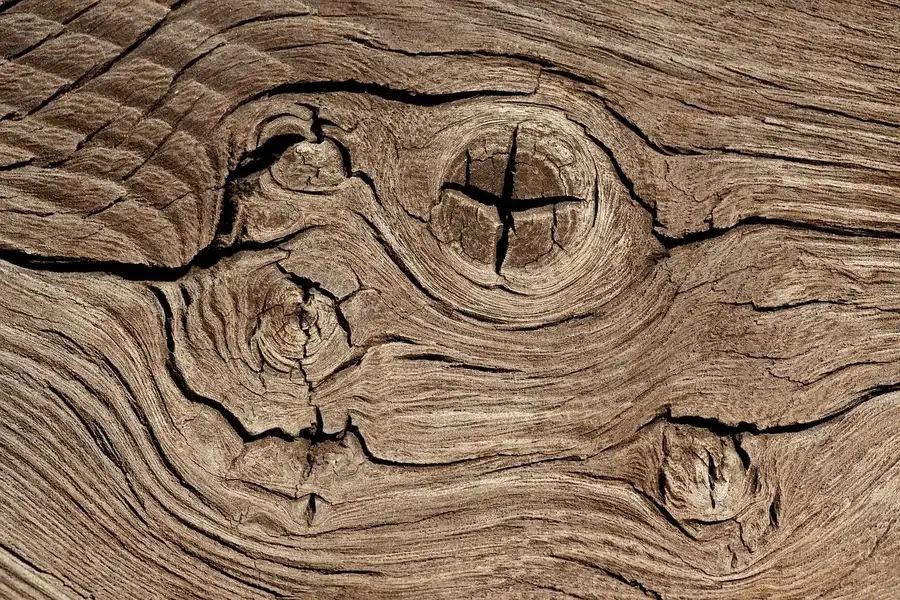
Unfinished wood has open pores and exposed fibers. An abrasive can tear at those fibers, leaving a patch that feels different from the surrounding wood and takes stain or finish differently afterward. Foam crumbs also break off as the pad wears, and residue can lodge in open grain. See our guide on cleaning unsealed wood for methods that leave the fibers alone.
Uneven results across a large surface
Because the pad wears away as you use it and pressure varies from stroke to stroke, a Magic Eraser leaves an uneven pattern on large panels. A single scrubbed spot on a tabletop often looks worse than the original smudge.
How to Test Your Finish Before Cleaning
Knowing what finish you have decides everything else. A common quick check is to put one drop of water on a hidden area: if it beads and sits on top, the wood likely has a film finish; if it darkens the wood or soaks in within a minute or so, the finish is probably thin, oiled, waxed, or missing. Treat this as a rough guide rather than a lab test.
- Pick a hidden spot: the back of a leg, inside a door, the underside of a shelf.
- Run a lightly damp soft cloth with a drop of dish soap over it first. If that lifts the mark, stop there.
- Only if it does not, and only on a hard film finish, try the eraser on the hidden spot with the lightest pressure.
- Let the spot dry completely and look at it from a low angle. Any dull patch or color change means do not use it on the visible surface.
If You Still Decide to Use One
Maybe the finish is a hard film, soap failed, and the mark is stubborn. If you go ahead, keep the damage small:
- Wet the pad, then wring it out until it is only damp; excess water on wood is its own problem.
- Use one or two light strokes along the grain, never circles, and stop the moment the mark lifts.
- Wipe the area with a clean damp cloth to remove foam residue, then dry it right away.
- Blend the surrounding sheen back with furniture polish or wax so the treated spot does not stand out.
- Do not use it on edges, carved details, veneers, or anything you cannot test first.
Veneer deserves special care because the wood layer is very thin, and rubbing through it cannot be fixed with polish.
Safer Ways to Clean Wood
For most grime, the gentlest option that works is the right one. House cleaning guides consistently recommend warm water with a few drops of mild dish soap on a damp, not wet, microfiber cloth, followed by immediate drying, and they warn against vinegar and lemon, since acids can dull a finish just as an abrasive does.
| Problem | Start with | Escalate to |
|---|---|---|
| Fingerprints, light grime | Damp microfiber | Mild soap solution, wipe dry |
| Sticky or greasy buildup on cabinets | Mild soap solution | A cleaner made for wood, diluted as directed |
| Scuff marks on a hard finish | Damp cloth and soap | Test a hidden spot before any abrasive |
| Dull, tired sheen | Clean first | Wax or furniture polish over a clean surface |
| Actual scratch in the finish | Do not scrub | Touch-up marker, wax stick, or a refinish |
For pieces that are cleaned often, a wood-safe cleaner is cheaper than repairing a ruined finish. Our page on the best way to clean woodwork covers trim and doors, cleaning oak cabinets covers kitchen cabinet grease, and Murphy wood cleaner and pets answers the safety question for homes with animals. For marked-up surfaces, see removing permanent marker from wood.
Wood Floors Are a Different Case
Floors get more foot traffic and more finish wear, so a sheen change stands out across a room. A Magic Eraser on a floor tends to leave a matte patch, and the label warning about polished and satin finishes applies directly, since most modern floors use a satin or semi-gloss polyurethane. Use our guides on removing scuff marks from wood floors and cleaning polyurethane floors instead.
Frequently Asked Questions
Can I use a Magic Eraser on finished wood furniture?
Only with real caution. Mr. Clean’s own label lists high gloss, polished, dark, satin, and bare or polished wood among the surfaces it does not recommend, which covers most finished furniture. If you try it anyway, test a hidden spot first and expect the sheen to change.
Will a Magic Eraser damage wood?
It can. A Magic Eraser is melamine foam that cleans by micro-abrasion, so on wood it can dull the finish, leave a hazy patch, or roughen bare fibers. Damage is most visible on glossy and dark finishes.
Can I use a Magic Eraser on unfinished wood?
No. Bare wood has no protective coating, and the label lists bare wood as a surface not recommended. Vacuum or brush off dust, then use a barely damp cloth and dry the wood right away.
What is a safer alternative to a Magic Eraser for wood?
A soft microfiber cloth that is damp, not wet, with a few drops of mild dish soap, dried immediately afterward, or a cleaner made for wood. Skip vinegar and lemon on finished wood, because acids can dull a finish too.
Bottom Line
Do not treat a Magic Eraser as a gentle wood cleaner. It is a fine abrasive, and the maker’s own label warns against it on bare wood and on high-gloss, polished, satin, and dark finishes. Start with a damp microfiber and mild soap, test any abrasive on a hidden spot, and use a wood-safe cleaner for regular upkeep.
Sponsored / affiliate links. As an Amazon Associate I earn from qualifying purchases. I may earn additional commission from eligible campaigns.