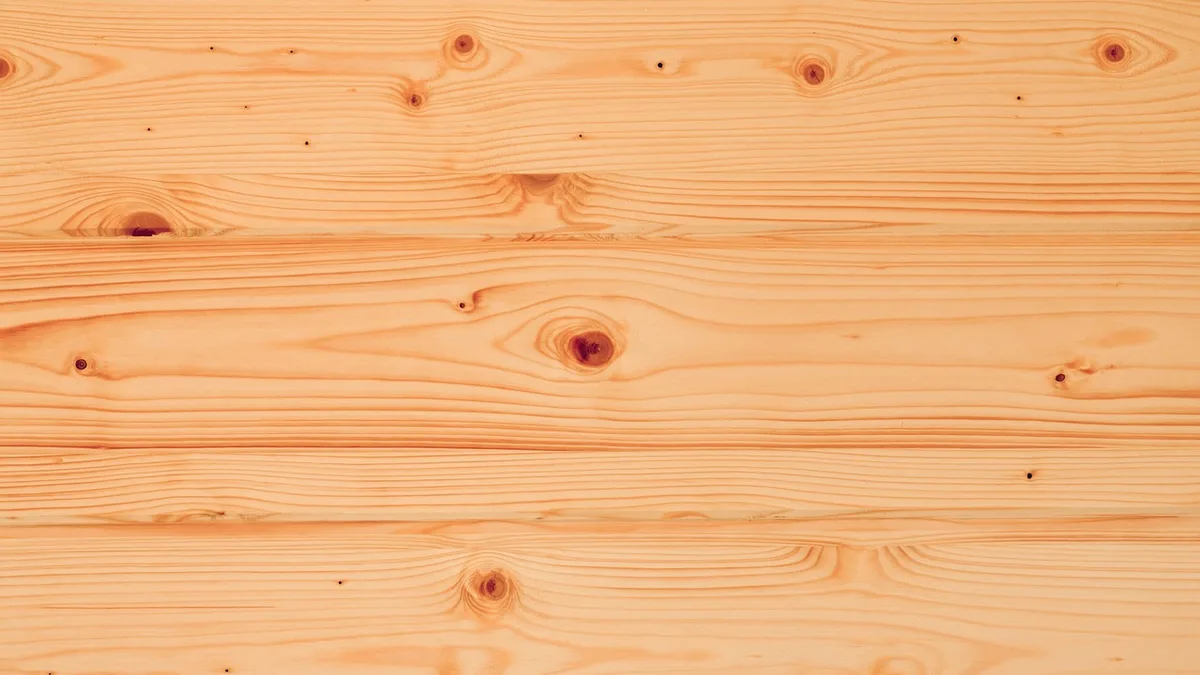
What to Seal Pine With: Sealer, Topcoat, or Both?
The best thing to seal pine with is a thin sealer coat of dewaxed shellac under a clear topcoat for indoor projects, and an exterior-rated spar urethane or penetrating sealer for outdoor projects. Pine is a resinous softwood that drinks finish unevenly, so the sealer step matters more here than on dense hardwoods.
This page is about sealer choice: what each layer does, which ones can safely go over each other, and how to match them to a fence, a tabletop, a ceiling or a stained project. If you want to compare the finishes themselves (clear coats, stains, wax), see our guide to the best finish for pine wood. For general care after sealing, see our wood care and maintenance guide.
Sealer, Topcoat, or Both? What Each Layer Does
Best Pine Sealer Coat Pick
|
Zinsser Bulls Eye SealCoat Universal Sanding Sealer, 1 Quart
|
People use “sealer” for several different jobs, and mixing them up is a common reason a pine project looks blotchy or peels. Knowing which job you need narrows the product list fast.
| Layer | Job on pine | Typical products | Use it when |
|---|---|---|---|
| Sanding sealer (barrier coat) | Evens out absorption and stiffens raised grain so the next coat goes on smoothly | Dewaxed shellac such as Zinsser SealCoat | Indoor pine, especially before stain or a water-based topcoat |
| Film topcoat | Builds a protective surface that resists scratches and moisture | Polyurethane, polycrylic, lacquer, spar urethane | Tables, shelves, floors, trim, outdoor furniture |
| Penetrating sealer | Soaks in and repels water without forming a thick film | Exterior penetrating sealers, oils | Fences, decks, rough or weathered boards |
| Knot and stain-blocking primer | Locks resin in the wood before paint or clear coats | Shellac-based primers | Knotty pine under paint or a water-based finish |
One practical detail: not all shellac is the same. Fine Woodworking points out that the natural wax in regular Bulls Eye shellac interferes with the adhesion of oil-based polyurethane and water-based finishes, which is why the dewaxed version exists. SealCoat is sold as a 2 pound cut, 100 percent wax-free shellac, and its maker says it is compatible with all clear finishes. If you want to mix your own, our shellac cut ratio calculator shows the batch math, and our roundup of the best shellac-based primers covers the paint-prep side.
Indoor Pine: Match the Sealer to the Project
| Project | Sealer step | Topcoat | Why |
|---|---|---|---|
| Pine tabletop or desk | 1 coat dewaxed shellac, sand lightly | Water-based polyurethane, 2 to 3 coats | Clear and non-yellowing over a light wood, and the sealer limits grain raise |
| Pine floor | Sealer coat only if staining | Oil-based polyurethane | Harder film for foot traffic, adds a warm amber tone |
| Stained pine furniture | Pre-stain sealer or conditioner | Clear topcoat after the stain dries | Cuts blotchy absorption on softwood |
| Tongue and groove ceiling or paneling | Seal every board face before install if you can | Water-based polyurethane or clear coat | Easier to coat grooves on the bench than on the ceiling |
| Knotty pine under paint | Shellac-based primer on knots | Paint | Blocks knot bleed-through |
The manufacturer lists SealCoat as a pre-stain sealer and wood conditioner for softwoods such as pine, and says it can be sanded after about 45 minutes with 120-grit or finer paper and recoated in under an hour. That speed is the practical reason many woodworkers use it: you can seal, scuff, and apply the first topcoat in the same afternoon. Our guide to stain colors on pine shows how stained pine looks, and how to seal wood after staining covers the step after color.
How Much Sealer Do You Need?
Coverage on the SealCoat data sheet is 400 to 600 square feet per gallon, which works out to roughly 100 to 150 square feet per quart for a single coat. These are the arithmetic results for common pine projects using that range.
| Pine project | Surface area | One sealer coat, quart used |
|---|---|---|
| 3 by 6 ft tabletop (top only) | 18 sq ft | about 12 to 18 percent of a quart |
| 4 by 8 ft shelf panel, both faces | 64 sq ft | about 43 to 64 percent of a quart |
| 10 by 12 ft ceiling in tongue and groove | 120 sq ft | about 0.8 to 1.2 quarts |
Pine edges and end grain drink more than faces, so budget a little extra. These figures cover one coat of the sealer only, not the topcoat.
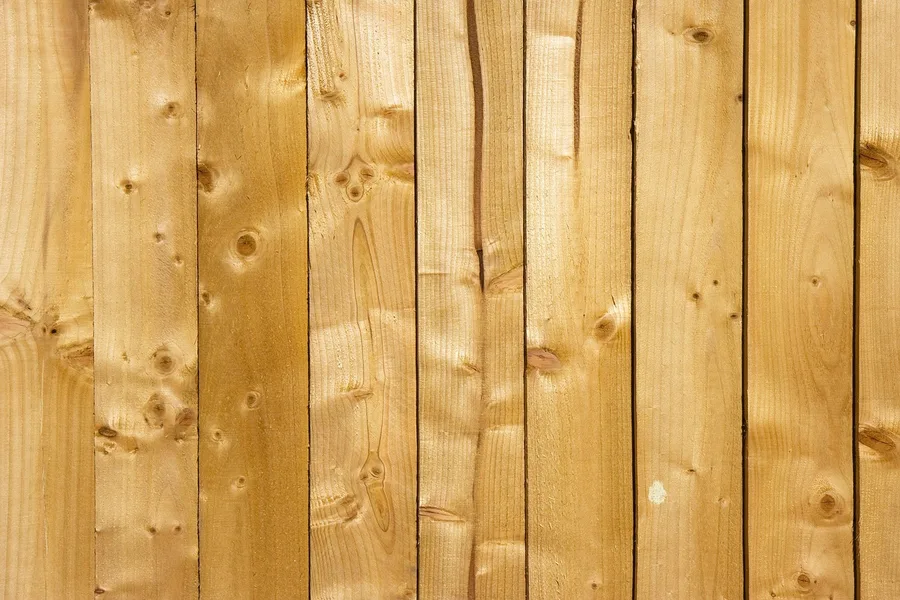
Preparing Pine for a Sealer
- Sand to 150 or 180 grit. Pine does not need a finer finish, and over-sanding can make stain take unevenly.
- Remove all dust. Vacuum, then wipe with a tack cloth.
- Spot-seal knots first. Resin in knots can bleed through, so use a shellac-based sealer or primer on them before any water-based finish.
- Check moisture. Sealing damp pine traps moisture. A moisture meter reading around 15 percent or lower is the usual target in the sources we reviewed.
- Test on scrap. Use a scrap from the same board, because pine varies a lot between boards.
A water-based topcoat will raise the grain on bare pine. A shellac sealer coat acts as a barrier between the water in the finish and the wood, which is why the sealer-then-sand step gives a smoother result than going straight to water-based polyurethane. See our guide on pine wood texture for how the grain behaves.
When Do You Seal a Pine Fence?
Fence timing is where advice disagrees the most, so here is what we found. Contractor and retailer guidance ranges widely depending on the wood and the product.
| Source type | Wait time reported | Applies to |
|---|---|---|
| Fence contractor guidance | Wait 4 to 6 months before staining or sealing | New pressure-treated fence |
| Fence contractor guidance | Seal, paint, or stain within about 30 days to 6 weeks | New fence, weather permitting |
| Fence contractor guidance | 3 to 4 months for posts, checked with a moisture meter | Pressure-treated posts |
| Wood care article | At least 2 to 4 weeks after installation | General new wood |
The numbers conflict because the real variable is moisture, not the calendar. Freshly pressure-treated lumber can hold a lot of water, and a clear sealer applied over wet wood can trap that moisture and slow drying. The same sources give the same field test: sprinkle water on the boards. If it beads up, the wood is not ready, so wait a few days and retest. The moisture meter target they quote is about 15 percent.
Best Season to Seal a Pine Fence
Pick dry, mild weather. Avoid direct midday sun, which can dry the sealer on the surface before it soaks in, and avoid sealing right before rain. Check the temperature range printed on the product you buy. See our note on what temperature is too cold to stain wood. For decks, see sealing a pressure-treated deck and how to clean a wood deck first.
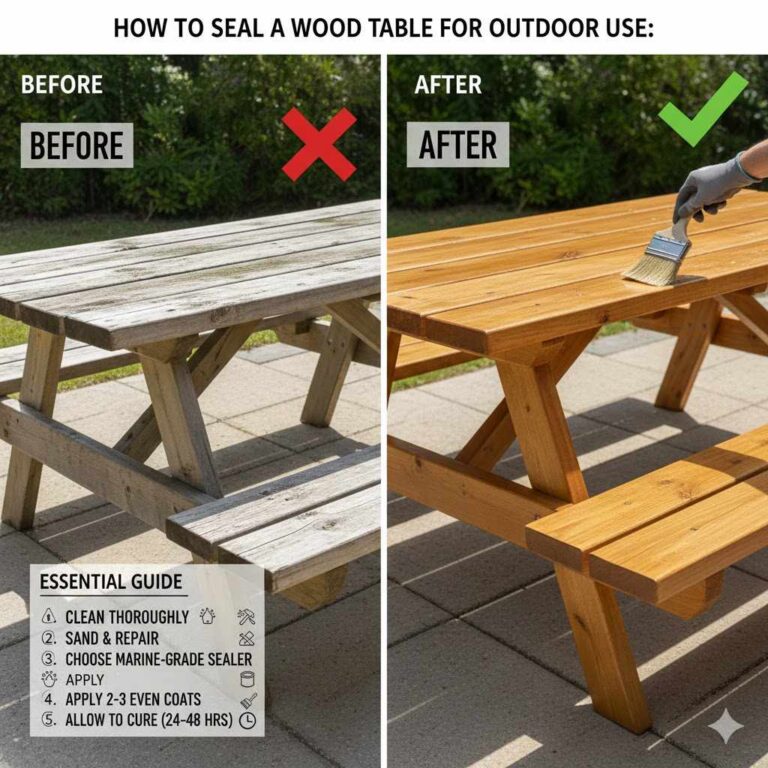
Use an exterior-rated penetrating sealer or spar urethane for fence boards. Do not use SealCoat outdoors, because it is labeled for interior wood.
Outdoor Pine: Penetrating Sealer or Spar Urethane?
| Choice | Best on | Trade-off |
|---|---|---|
| Exterior penetrating sealer | Fence boards, rough lumber, decks | Needs reapplying as it weathers, but easy to refresh without stripping |
| Spar urethane | Outdoor furniture, doors, trim | Forms a film that can crack or peel if water gets underneath, so check it every year |
| Interior polyurethane | Nowhere outside | It is not formulated for sunlight and weather exposure |
For vertical fence boards and decks, a penetrating product is easier to maintain because there is no film to sand off. For a pine chair or door that you want to look finished, spar urethane is the usual pick.
Common Mistakes When Sealing Pine
- Using regular (waxed) shellac under polyurethane or water-based finish, then wondering why the topcoat will not bond.
- Skipping the knot sealer under paint or a water-based clear coat.
- Sealing a new pressure-treated fence before the water test passes.
- Using an interior-only sealer outdoors.
- Skipping the scrap-board test on stained projects.
- Applying one thick coat instead of thin ones.
Frequently Asked Questions
What is the best sealer for pine wood?
It depends on where the pine lives. For indoor pine, a wax-free (dewaxed) shellac sealer coat under a clear topcoat is the most flexible combination, because the maker of Zinsser SealCoat states it is compatible with all clear finishes. For outdoor pine, use a product labeled for exterior use, such as spar urethane or an exterior penetrating sealer, because SealCoat is labeled for interior wood only.
Do I need to seal pine before staining?
It is strongly recommended. Pine is a softwood that absorbs stain unevenly, and the manufacturer lists SealCoat as a pre-stain sealer and wood conditioner for uneven penetration on softwoods such as pine. Always test on a scrap piece from the same board first.
Can I use regular shellac under polyurethane?
Not safely. Fine Woodworking notes that the natural wax in regular Bulls Eye shellac interferes with the adhesion of oil-based polyurethane and water-based finishes, and recommends the dewaxed version (SealCoat) when you plan to topcoat with those.
When can I seal a new pine fence?
Guidance varies a lot, from a few weeks to several months for pressure-treated pine. Use the water test instead of the calendar: sprinkle water on the boards, and if it beads up, wait and test again. Also confirm the wood is down to about 15 percent moisture with a moisture meter.
Should I seal the knots in pine?
Yes, if you are using a water-based clear finish or paint. Resin in knots can bleed through, so spot-seal them with a shellac-based sealer or primer first, let it dry, then continue with your normal coats.
How much sealer do I need for a pine project?
Check the coverage printed on the can. SealCoat is rated at 400 to 600 square feet per gallon, which is roughly 100 to 150 square feet per quart for one coat. A 3 by 6 foot pine tabletop (18 square feet on top) needs only a fraction of a quart for one coat.
Conclusion
For indoor pine, use a thin coat of dewaxed shellac, sand lightly, and add your clear topcoat. For a fence, use an exterior-rated penetrating sealer once the water test shows the boards have dried. Match the sealer to the job, and check each product label for interior or exterior use.
Sponsored / affiliate links. As an Amazon Associate I earn from qualifying purchases. I may earn additional commission from eligible campaigns.