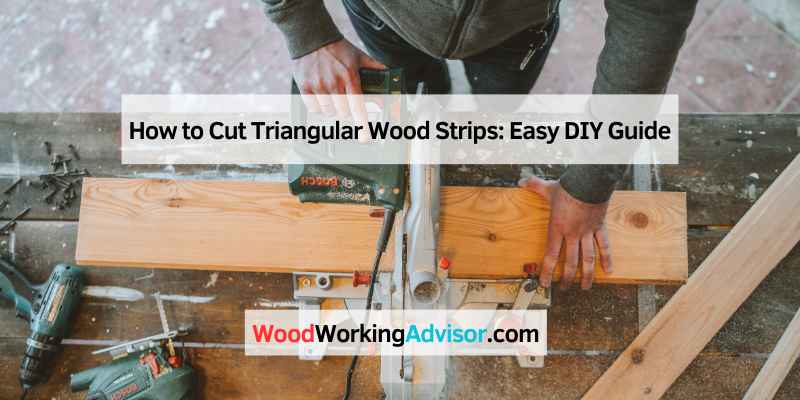
How to Cut Triangular Wood Strips: Easy DIY Guide
To cut triangular wood strips, use a miter saw or a table saw set at the desired angle. Measure the wood accurately and make clean, straight cuts for best results.
Cutting triangular wood strips is a common task in woodworking, often required for projects like trim work, furniture, or crafts. Achieving precise cuts can enhance the overall look and functionality of your project. Understanding the right techniques and tools is essential for success.
Triangular cuts can seem intimidating, but with the proper approach, you can create clean and accurate strips. This guide will walk you through the steps to ensure your cuts are precise and efficient. Whether you’re a seasoned woodworker or a beginner, mastering this skill will elevate your craftsmanship and expand your project possibilities.
Introduction To Triangular Wood Strips
Triangular wood strips are essential for many DIY projects. They add unique shapes and stability to creations. Understanding their importance can enhance your woodworking skills.
These strips are commonly used for:
- Framing structures like shelves and tables.
- Creating decorative elements in furniture.
- Building models for school projects.
- Making supports for various crafts.
Utilizing triangular wood strips can make your projects stand out. Their versatility is unmatched in woodworking.
Tools And Materials Required
Choosing the right wood is key for cutting triangular strips. Common choices include pine, cedar, and birch. Each type has unique properties. Pine is lightweight and affordable. Cedar offers natural resistance to weather. Birch is strong and smooth, ideal for detailed work.
Essential cutting tools include a hand saw, miter saw, and jigsaw. A hand saw is great for small projects. The miter saw provides precise angles. A jigsaw is useful for curves and intricate cuts. Don’t forget safety gear like goggles and gloves.
Safety First
Always wear protective gear before starting your project. Use safety goggles to protect your eyes. Ear protection is important if using loud tools. Wear a dust mask to avoid inhaling wood particles.
Keep your workspace organized and clean. Make sure you have enough room to work safely. Remove any clutter that can cause trips or falls. Have all tools and materials within reach.
Check your tools for any damage. Using damaged tools can lead to injuries. Ensure your cutting area is well-lit. Good lighting helps you see your work clearly.
Measuring And Marking
Measuring and marking triangular wood strips requires precision. First, gather your tools: a ruler, square, and pencil. Start by measuring the length of each side. Make sure to note the angles as well.
For accurate marks, use a square to draw straight lines. This ensures clean cuts later. Always double-check your measurements before marking.
Use a sharp pencil for clear lines. This helps prevent mistakes during cutting. Remember, accuracy is key when working with angles.
Practice these techniques to improve your skills. With time, marking and measuring will become easier.
Cutting Techniques
Using a handsaw is a simple way to cut triangular wood strips. Make sure to mark your measurements clearly. Hold the wood securely while cutting. Use smooth, steady strokes for best results.
Power tools can make the job quicker. A jigsaw works well for curved cuts. Always wear safety gear like goggles. Follow the tool’s instructions carefully. Keep your hands clear of the blade.
Achieving The Perfect Angle
To achieve the perfect angle for cutting triangular wood strips, use a miter saw. This tool helps create precise cuts. Begin by measuring the angle needed for your project. Mark this angle on the wood strip clearly.
Next, set the miter saw to match the marked angle. Make sure the blade is sharp for a clean cut. Secure the wood strip firmly to prevent movement. Always wear safety goggles for protection.
For manual cutting, use a hand saw and a miter box. Align the wood in the box and follow the marked angle. Cut slowly and steadily for the best results.
Sanding And Finishing
To achieve smooth edges on triangular wood strips, use fine-grit sandpaper. Start with 120 grit and progress to 220 grit. Sand in the direction of the grain for the best results. This method helps prevent scratches and keeps the wood looking nice.
After sanding, it’s time to apply a finish. Choose a finish that suits your project, like paint, stain, or varnish. Use a brush or cloth to apply evenly. Make sure to cover all surfaces, including edges and corners. Allow the finish to dry completely before using the wood.
Creative Projects With Triangular Strips
Triangular wood strips can transform your space with unique designs. Use them in home decor for a fresh look. Create a stylish wall art piece by arranging triangular strips in fun patterns. Paint or stain the strips for added flair.
Another idea is to make shelves using triangular strips. They can hold books or plants. Simple brackets can support these shelves. This adds a modern touch to any room.
For functional woodworking projects, consider building a wooden lamp. Triangular strips can form the base. Add a light fixture for a cozy ambiance.
Make a table centerpiece using triangular strips. Glue them together to form a geometric shape. Fill it with flowers or candles for a stunning display.
Troubleshooting Common Issues
To fix uneven cuts, check the saw blade. Ensure it is sharp and aligned. An improperly aligned blade can cause uneven edges. Use a straight edge to guide the cuts. This will help maintain a straight line.
For wood splintering, choose the right type of wood. Softer woods tend to splinter less. Always make a sacrificial cut first to protect the main piece. Using tape on the cut line can also reduce splintering. Cut slowly to avoid tearing the wood fibers.
Maintenance And Care For Tools
Keeping tools sharp is essential for good performance. A sharp tool cuts cleanly and requires less effort. Regularly check blades and edges for dullness. Use a whetstone or sharpening tool to maintain sharpness. Always follow manufacturer guidelines for sharpening.
Proper storage practices help maintain tool quality. Store tools in a dry place to prevent rust. Use a toolbox or pegboard for organization. Keep them away from moisture and extreme temperatures. Regularly clean tools after use to remove dirt and debris.
Conclusion And Further Resources
Cutting triangular wood strips is a simple task with the right tools. Always measure your wood before cutting. Use a saw that fits your skill level. A miter saw or hand saw can work well.
Keep your fingers safe by using clamps. This prevents slipping while cutting. Make sure to wear safety goggles to protect your eyes. Clean your workspace to avoid accidents.

Frequently Asked Questions
How Do I Measure For Triangular Wood Strips?
To measure for triangular wood strips, start by determining the desired dimensions. Use a measuring tape to outline the base and height. Ensure accuracy by marking your measurements clearly on the wood. A square or protractor can help achieve precise angles for your cuts.
What Tools Are Needed For Cutting Triangular Wood?
Essential tools for cutting triangular wood strips include a miter saw, measuring tape, and a square. A hand saw can also be used for manual cutting. Additionally, clamps will stabilize the wood, ensuring safer and more accurate cuts. Always prioritize safety by wearing protective gear.
Can I Cut Triangular Wood Strips By Hand?
Yes, you can cut triangular wood strips by hand. Using a hand saw, carefully follow your marked lines. Take your time to ensure accuracy and maintain even pressure while cutting. This method is effective, though it may require more effort than using power tools.
What Wood Types Are Best For Triangular Strips?
Pine, cedar, and plywood are excellent choices for triangular wood strips. These materials are lightweight yet sturdy, making them versatile for various projects. Additionally, they are easy to cut and handle. Always choose wood that suits your project’s specific requirements and aesthetic preferences.
Conclusion
Cutting triangular wood strips can enhance your woodworking projects. By following the right techniques and using the proper tools, you ensure precision and safety. Practice makes perfect, so don’t hesitate to experiment. With patience, you’ll master this skill and create beautiful, functional pieces for your home or workshop.
Happy woodworking!