How to Divide a Wood Panel into Specific Dimensions: Expert Tips
Imagine the satisfaction of creating a perfectly tailored wood panel, cut exactly to your specifications. Whether you’re a DIY enthusiast or a seasoned carpenter, knowing how to divide a wood panel into specific dimensions can transform your projects.
Picture the precision of clean, crisp cuts that fit seamlessly into your design. It’s not just about skill; it’s about the confidence of knowing you can tackle any project with ease. You’re not just cutting wood; you’re crafting something meaningful.
Ready to unlock the secrets of precision cutting? Stay with us as we unveil the steps to make your woodworking dreams a reality.
Choosing The Right Tools
Cutting wood needs the right tools. Measuring tape helps find correct sizes. Pencil marks where to cut. Circular saw cuts wood easily. Clamps hold wood steady. Workbench gives a flat surface. Square ensures straight lines. Sandpaper smooths rough edges.
Safety is very important. Safety glasses protect eyes from dust. Ear protection guards against loud noises. Gloves shield hands from sharp edges. Dust mask keeps lungs safe. Closed shoes protect toes from falling wood. Long sleeves cover arms.
Credit: www.naturewall.com
Measuring Techniques
Use a sturdy tape measurefor wood panels. Extend it fully. Hold the tape tight. Start from the edge. Read the numbers clearly. Note them down.
Use a sharp pencilfor marking. Make clear marks. Measure twice before marking. Double-check each mark. Keep the lines straight. Use a ruler if needed.
Planning Your Cuts
Wood has a special pattern called grain direction. It’s important to know this pattern. Cutting along the grain is easier. It makes the wood less likely to break. The grain can be straight or wavy. Check the grain before cutting.
Careful measuring is key. Measure twice, cut once. Many mistakes happen from wrong measurements. Using the right toolsis also important. Dull tools can ruin the wood. Always use sharp tools for clean cuts.
Executing The Cut
Different saws help cut wood panels. A hand sawis good for small jobs. It’s easy to use and handle. For bigger projects, use a circular saw. It cuts faster and straighter. A jigsawis great for curves and shapes. Each saw has its own purpose. Choose the right one for your task.
Always keep the wood panel steady. Use clampsto hold it tight. This stops it from moving. Mark the lines with a pencil. Follow these lines when cutting. A guide rail helps cut straight lines. It acts like a ruler for your saw. Ensure your hands stay safe. Wear glovesand keep fingers away from the blade.
Post-cut Adjustments
Edges need to be smooth after cutting wood panels. Use sandpaper for this. Start with coarse grit. Then switch to fine grit. This makes the edges smooth. Don’t rush the process. Slow and steady works best. Hold the sandpaper flat. Move in one direction. Check your work often. Ensure no rough spots remain. Smooth edges look nice. They also feel safe to touch.
Check the wood panel’s size after cutting. Use a measuring tape. Measure all sides carefully. Compare with the desired size. Ensure all sides match the plan. Small errors can occur. Fix them with a planer or sander. Double-check all dimensions. Accuracy is very important. Proper measuring prevents mistakes. It ensures the panel fits perfectly.

Credit: www.craftivaart.com
Maintaining Your Tools
Keeping tools clean makes them last longer. Wipe them after use. This helps remove dust and dirt. Store tools in a dry place. Moisture can cause rust. Use covers or cases for extra protection. Organize tools neatly on shelves. This helps find them easily. Proper storage saves time.
Sharp blades cut wood better. Dull blades make rough cuts. Use a sharpening stone to sharpen blades. Move the blade across the stone gently. Check for a sharp edge. Repeat if needed. Be careful when handling sharp blades. They can cause injuries. Regular sharpening keeps blades ready for work.
Credit: www.homedepot.com
Frequently Asked Questions
Can Wood Panels Be Cut To Size?
Yes, wood panels can be cut to size. Use appropriate tools for precise cuts, ensuring safety and accuracy. Custom sizing allows for better fit and design flexibility in various projects. Always measure twice and cut once for optimal results.
How To Work Out Panelling Dimensions?
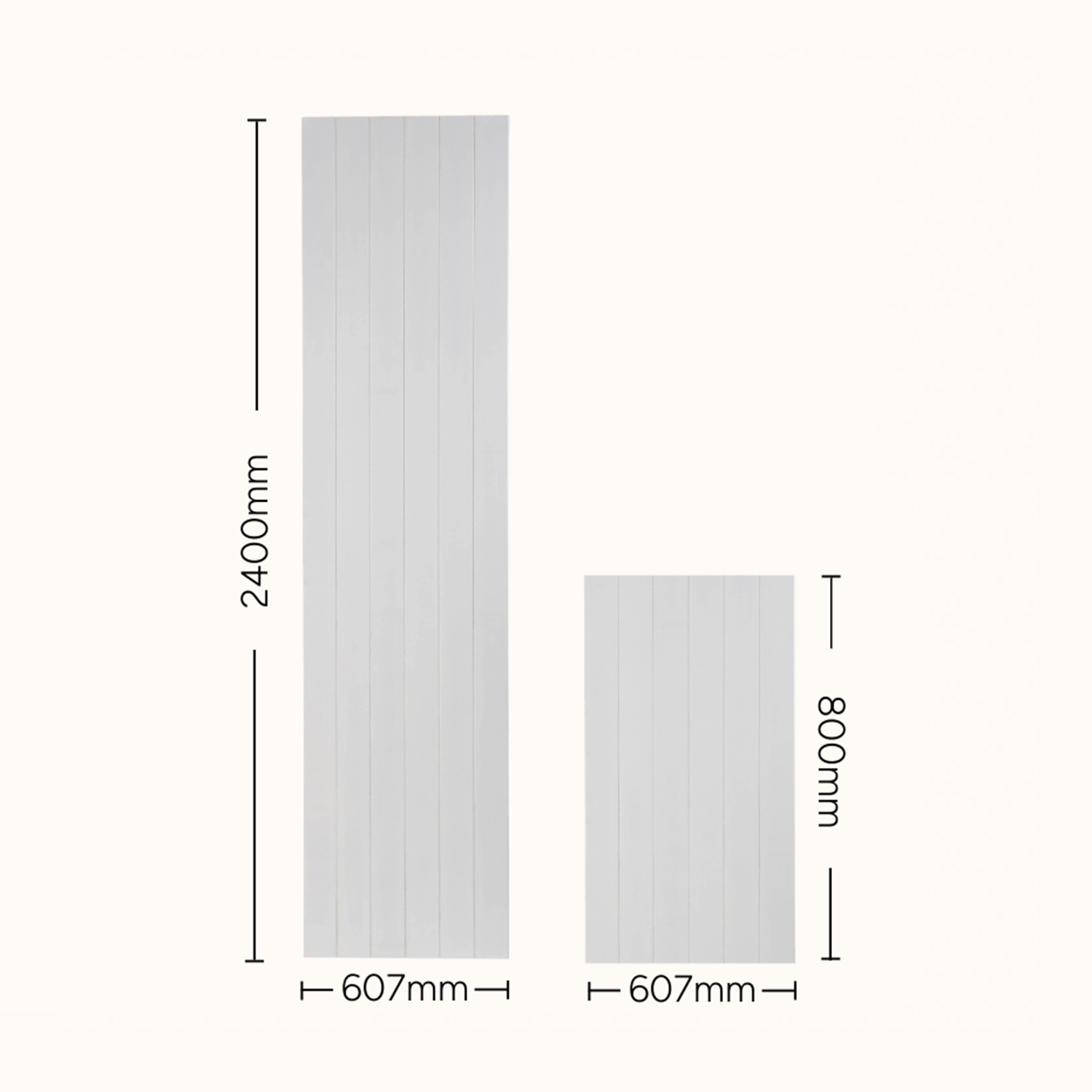
Measure wall height and width. Divide the wall into desired panel sections. Include spacing for gaps and trim.
How To Dimension A Piece Of Wood?
Measure the wood’s length, width, and thickness using a tape measure. Mark dimensions accurately. Use a square for straight edges. Cut with appropriate tools, ensuring precision. Double-check measurements to avoid errors.
How To Calculate Space Between Wall Panels?
Measure the total wall length and divide by the number of panels. Subtract panel width from this result for spacing. Adjust based on design preferences for consistent spacing. Use a level for accurate alignment. Ensure precision for aesthetics and functionality.
Conclusion
Cutting wood panels to specific sizes is quite straightforward. Measure carefully. Use the right tools for accuracy. Safety is key; wear protection. Double-check measurements before cutting. Mistakes can waste materials. Practice makes perfect, so don’t worry if it’s not flawless at first.
With time, you’ll gain confidence and skill. Remember, patience is essential. Following these steps ensures precise cuts. Your project will look professional and neat. Happy woodworking!