How to Fix Magic Eraser Marks on Wood Floor: Quick Tips
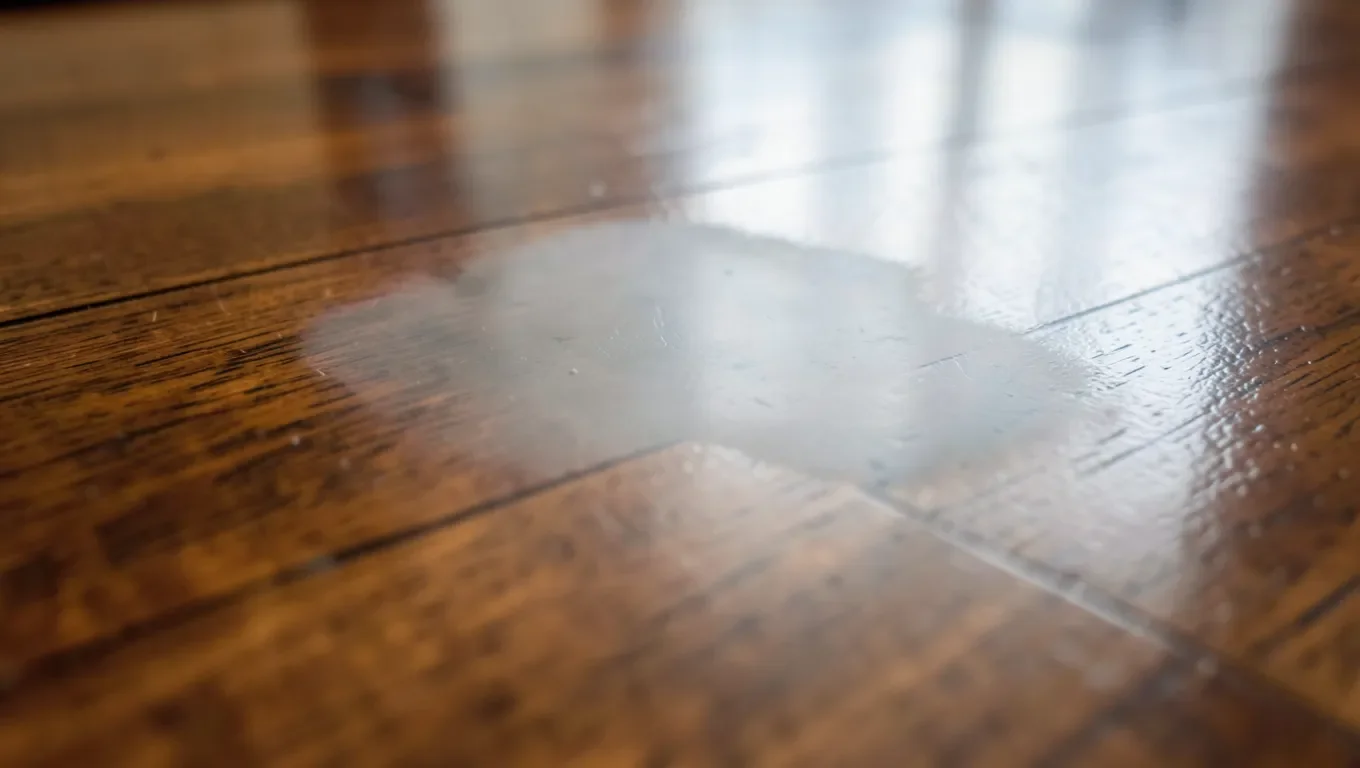
A “Magic Eraser mark” on a finished wood floor is almost always a dull, hazy patch, not a color mark or a scratch – the real fix is restoring the finish’s sheen with a matching floor polish, not sanding or wood fillers. Magic Eraser is melamine foam, an extremely fine abrasive – essentially micro-sandpaper – and on a polyurethane-finished floor it burnishes/dulls the glossy topcoat rather than actually marking the wood underneath.
Why This Is A Sheen Problem, Not A Color Problem
Best Hardwood Floor Polish
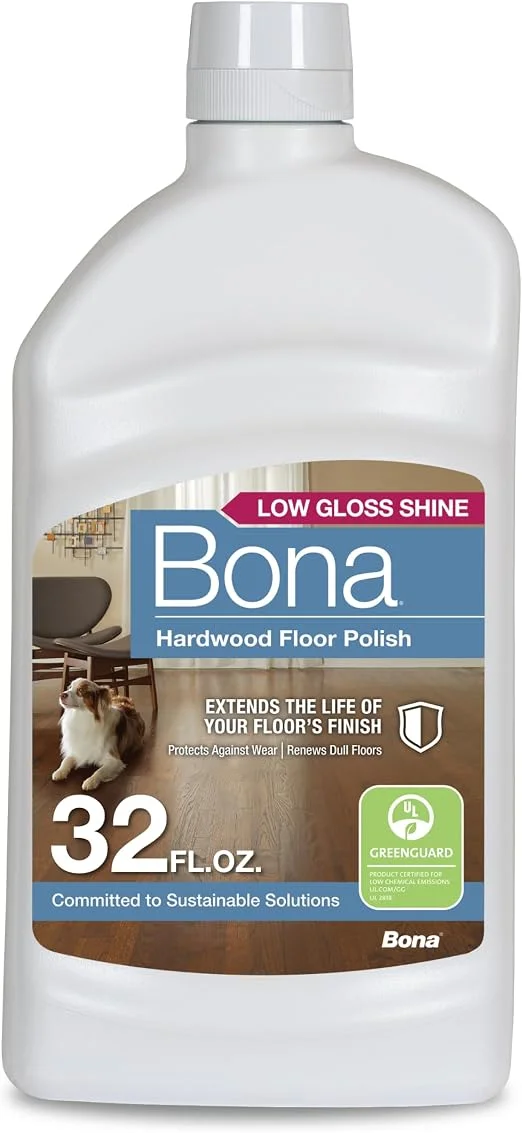 |
Bona Hardwood Floor Polish, 32oz – from $9.99 Directly renews the dull sheen a Magic Eraser leaves behind, available in low or high gloss to match your floor.
|
Most guides treat this like a scratch or stain and reach for wood fillers, stain markers, or sanding – but that’s the wrong toolkit for what’s actually happening. The abrasive foam creates thousands of microscopic scratches in the finish’s topcoat, scattering light instead of reflecting it evenly, which reads as a dull or hazy patch rather than a color change. Confirm this by looking at the spot from an angle in good light: if it looks matte/cloudy rather than differently colored, it’s a sheen issue.
The Real Fix: Match The Sheen
- Clean the area first with a floor cleaner appropriate for your finish, then let it dry completely.
- Apply a floor polish that matches your floor’s existing sheen (matte, satin, semi-gloss, or gloss) directly to the dulled spot, following the product’s directions.
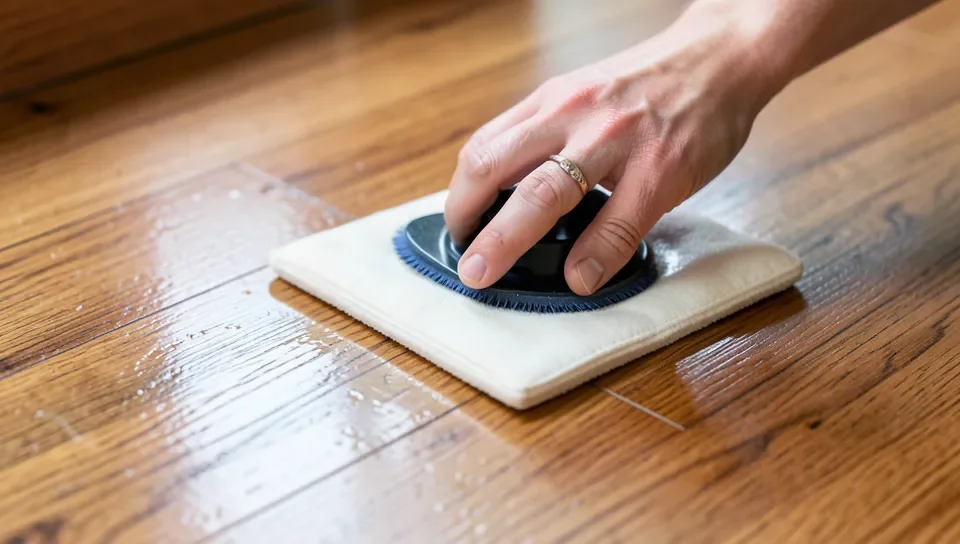
- Buff gently with a soft cloth in the direction of the grain to blend the treated area with the surrounding finish.
- If the spot still stands out after polishing, a second thin coat usually finishes evening it out – avoid piling on excess polish, which can create its own visible buildup.
When It Actually Is A Deeper Problem
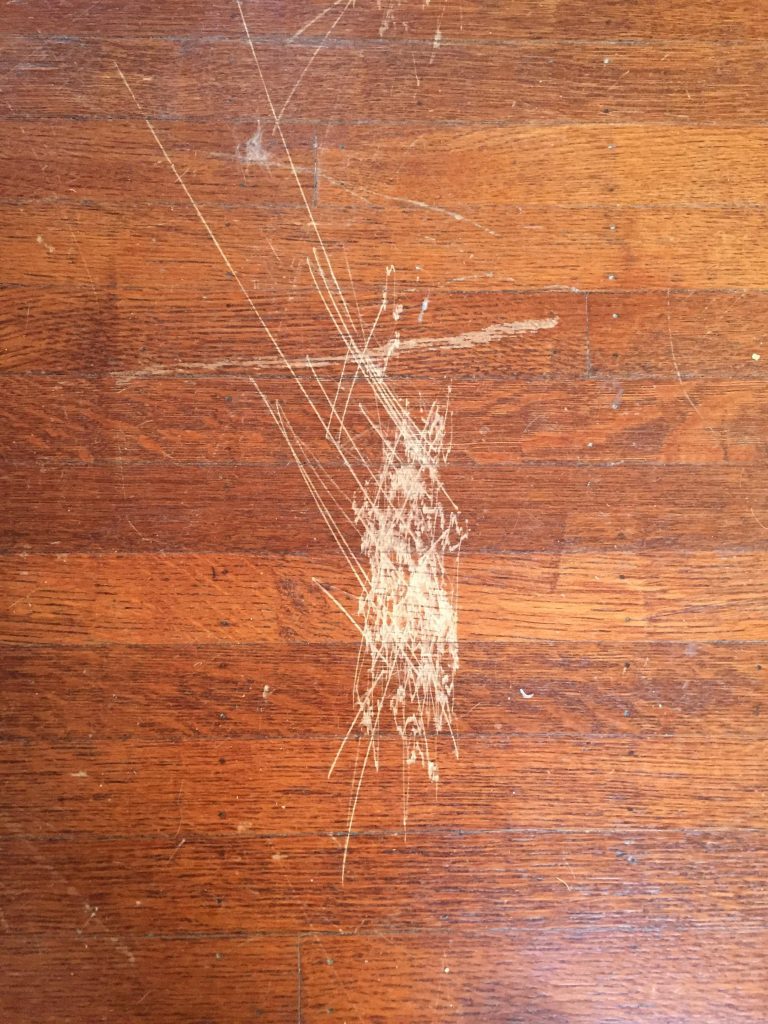
If you pressed hard or used the eraser repeatedly in one spot, it’s possible to actually wear through the finish down to bare wood, or leave a genuine scratch. In that case, polish alone won’t fix it:
- Finish worn through to bare wood: This spot needs a proper touch-up (matching stain if needed, then a compatible finish coat) rather than surface polish, since polish won’t bond well to bare wood the way it does to an existing finish layer.
- Genuine physical scratch or gouge: This is a different repair – a color-matched wood filler or touch-up marker for the scratch itself, then finish over it once repaired.
- Widespread dulling across a large area: If Magic Eraser use has dulled a large section (not just a spot), a full screen-and-recoat by a flooring professional may give a more even result than spot-polishing many individual areas.
Preventing This Going Forward
- Avoid Magic Erasers on finished wood floors entirely – they’re genuinely useful on many surfaces, just not on a glossy or satin wood finish.
- For tough spots on wood floors, use a cleaner formulated specifically for your floor’s finish type instead.
- If you must use an abrasive method on a stubborn spot, test on an inconspicuous area first and use the lightest possible pressure.
Frequently Asked Questions
How Do I Remove Magic Eraser Marks From Wood Floors?
Clean the spot, then apply a floor polish that matches your floor’s existing sheen and buff gently with the grain. This restores the dulled finish, since a Magic Eraser mark is almost always a sheen problem, not a color or depth problem that needs sanding or filler.
Can Magic Eraser Damage Wood Floors?
Yes – it’s a fine abrasive (melamine foam) that can dull a floor’s finish, leaving a hazy or matte-looking patch. On a polyurethane-finished floor, this is a sheen issue that’s fixed with matching polish, not wood repair techniques.
What Should I Do If The Dull Spot Persists After Polishing?
Apply a second thin coat of matching polish, buffing gently between coats. If the spot still stands out, or if you notice bare wood or an actual scratch beneath the dullness, it likely needs a proper finish touch-up or professional refinishing rather than more polish.
Is There A Safer Alternative To Magic Eraser For Wood Floors?
Yes – use a cleaner formulated for your floor’s specific finish type instead of an abrasive pad. For stubborn marks, a slightly damp microfiber cloth with the right cleaner handles most spots without risking the finish’s sheen.
Conclusion
A Magic Eraser mark on a wood floor is a dulled finish, not a wood scratch, and the fix follows from that: matching floor polish restores the sheen in most cases. Save the sanding, filler, and stain-marker techniques for actual gouges or worn-through finish spots, which are a genuinely different repair.
Sponsored / affiliate links. As an Amazon Associate I earn from qualifying purchases. I may earn additional commission from eligible campaigns.