What Takes Paint off Wood Floors (By Paint Type)
What actually works depends on the paint type: warm water and dish soap, or warmed vinegar, for latex (water-based) paint, and mineral spirits for oil-based paint – not the other way around. A heat gun softens either type for scraping once it’s fully cured. Skip the lemon-juice-and-cream-of-tartar or olive-oil-and-salt “remedies” floating around online – unlike vinegar’s mild acetic acid, which does measurably soften latex paint’s bond to wood (see our full breakdown of what vinegar can and can’t remove), those combinations have no real chemistry behind them for lifting cured paint.
Test for Lead Before You Sand or Heat It
FOR PAINT THAT WON’T BUDGE WITH SOLVENT ALONE
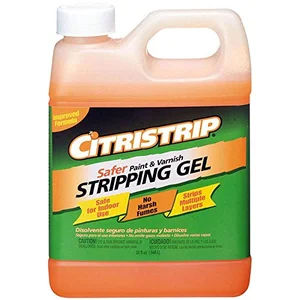 |
Citristrip Stripping Gel – $27.48 A gel clings to the spot instead of running, which matters on a horizontal floor surface where a thin liquid stripper just spreads out.
|
If the floor (or the paint on it) predates 1978, when lead was banned from residential paint, test it before sanding or using a heat gun – both methods create dust or fumes, and that’s how lead paint actually becomes a hazard. An EPA-recognized lead test swab from a hardware store (around $10) changes color if lead is present. If the test comes back positive, skip sanding and heat entirely and stick to wet methods (solvent on a cloth, not dry scraping), or see our full guide to removing paint from wood for the EPA’s lead-safe work practices. If the test is negative, every method below is fine with normal ventilation.
Identify the Paint Type
The right remover depends entirely on whether the paint is latex (water-based) or oil-based (alkyd/enamel), so check this before reaching for anything. Dab a cotton ball with denatured alcohol and rub gently on a small paint spot: if the paint softens or comes off on the cotton ball, it’s latex; if nothing happens, it’s oil-based. Fresh, still-wet spills are always easiest to identify since you likely watched the paint go down.
Removing Fresh (Still Wet) Paint
Blot, don’t wipe – wiping a wet spill spreads it across more of the floor. For latex paint, blot up as much as possible with a paper towel, then clean the area with a damp cloth and mild dish soap. For oil-based paint, blot first, then wipe with a cloth dampened in mineral spirits, working from the outside of the spill inward so you’re not enlarging it.
Removing Dried Latex (Water-Based) Paint
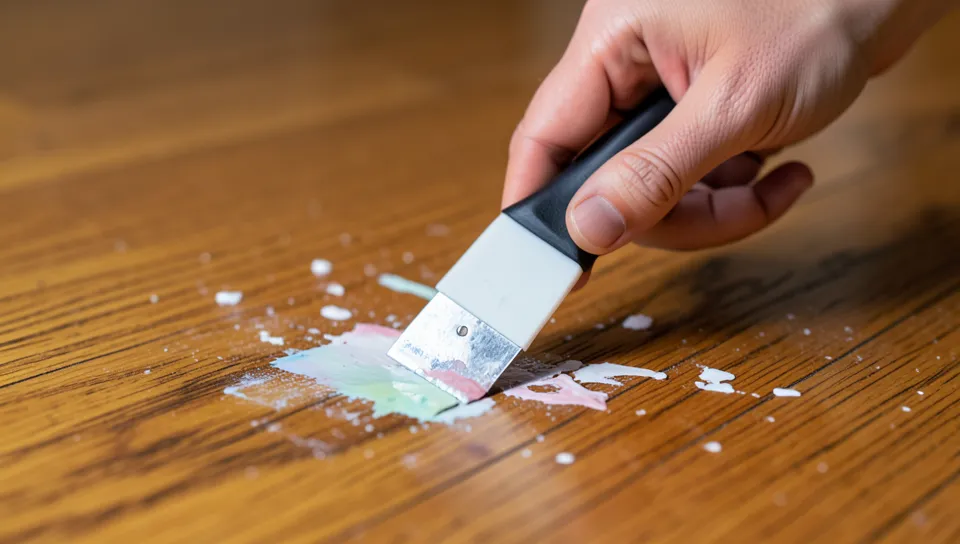
Soften dried latex paint with a rag soaked in warm water and a few drops of dish soap, or with a 1:1 warmed vinegar-and-water solution left on the spot for 15-20 minutes – the vinegar’s mild acetic acid breaks down the water-soluble binder in latex paint specifically, which is why it doesn’t do much for oil-based paint. Once softened, lift it with a plastic scraper or an old credit card held at a low angle, never a metal scraper, which can gouge the wood or finish underneath. For paint that won’t budge with soap or vinegar, a citrus-based stripping gel (see below) handles it without the fumes of a traditional chemical stripper.
Removing Dried Oil-Based Paint
Mineral spirits (paint thinner) is the standard solvent for cured oil-based paint – apply it to a cloth, not directly to the floor, and rub the spot until the paint lifts, then wipe the area clean and dry immediately. Acetone-based nail polish remover will also dissolve oil paint, but it’s more aggressive and can dull or discolor a polyurethane finish on contact, so reserve it for unfinished wood or truly stubborn spots, and always test in a hidden corner first.
Using a Heat Gun
A heat gun softens either paint type for scraping, and it’s often the fastest route for a thick, long-dried spill. Keep the nozzle moving constantly, holding it 4-6 inches from the surface, and use the lowest setting that still softens the paint – a heat gun held still or set too hot can scorch the wood grain in seconds, which is not reversible the way a paint stain is. As soon as the paint starts to bubble or soften, scrape immediately with a plastic scraper; letting it cool re-hardens it.
When to Sand Instead
Sanding should be the last resort, not the first attempt, because it removes wood finish along with the paint. If solvents and a scraper won’t fully clear a spot, hand-sand with 150-220 grit paper in the direction of the grain, working only the affected area rather than a wide swath. Sanding through to bare wood means that spot will need to be re-stained and resealed to match, so weigh that against just living with a faint mark or calling in a pro for a full refinish if the floor has widespread paint damage.
Test First, Every Time
Every method above, including plain soap and water, can affect a finish differently depending on what topcoat is on the floor (polyurethane, wax, oil finish, or shellac all react differently to solvents). Test any remover in a closet corner or under a rug before working on a visible area – a few minutes of testing is much cheaper than discovering a solvent clouded the finish across an open living room floor.
After the Paint Is Gone
Once the spot is clear, wipe the area with a barely damp cloth to remove any solvent residue, then dry it immediately. If the finish looks dulled or slightly etched where you worked, a small amount of matching floor polish or a very light coat of the floor’s existing finish (poly, wax, or oil) on just that spot usually blends it back in – a full-room refinish is rarely necessary for one paint spill unless the spill was large or the floor was already due for one.
Preventing the Next Spill
- Cover the floor with a canvas drop cloth, not plastic sheeting – plastic gets slippery and doesn’t absorb drips the way canvas does.
- Tape the drop cloth’s edges down so it can’t slide while you’re working.
- Pour paint into a tray rather than working straight from a full can, which is what causes most large spills.
- Clean any fresh drip immediately rather than letting it dry – wet paint takes seconds to wipe up; dried paint takes real effort.
Frequently Asked Questions
How do I get dried paint off hardwood floors?
Identify the paint type first. For latex, use warm soapy water or isopropyl alcohol to soften it, then lift with a plastic scraper. For oil-based paint, use mineral spirits on a cloth. A heat gun works on either type for thick, stubborn spots, but keep it moving to avoid scorching the wood.
How do you get dried paint off laminate or fake wood floors?
The same solvent approach works, but skip the heat gun since laminate’s wear layer can melt or warp under direct heat. Soften with warm soapy water or isopropyl alcohol, then lift gently with a plastic scraper, testing an inconspicuous area first.
How do I remove paint from wood without damaging the finish?
Always test your chosen method on a hidden spot first, since finishes react differently to solvents. Start with the gentlest option that might work (soap and water, then alcohol or mineral spirits) before moving to a stripping gel or sanding, which are more likely to affect the finish itself.
What is the best paint remover for hardwood floors?
For most spills, mineral spirits (oil-based paint) or isopropyl alcohol (latex paint) is enough. For thick or multi-layer dried paint that resists those, a citrus-based stripping gel like Citristrip removes it without the strong fumes of a traditional chemical stripper.
Bottom Line
Identifying whether the paint is latex or oil-based is the step that actually determines which remover will work – guessing wrong wastes time on a solvent that was never going to touch that paint type. Work from the gentlest effective method up to a stripping gel or careful sanding only if needed, test on a hidden spot first, and most paint spills come up without any lasting mark on the floor.
Sponsored / affiliate links. As an Amazon Associate I earn from qualifying purchases. I may earn additional commission from eligible campaigns.