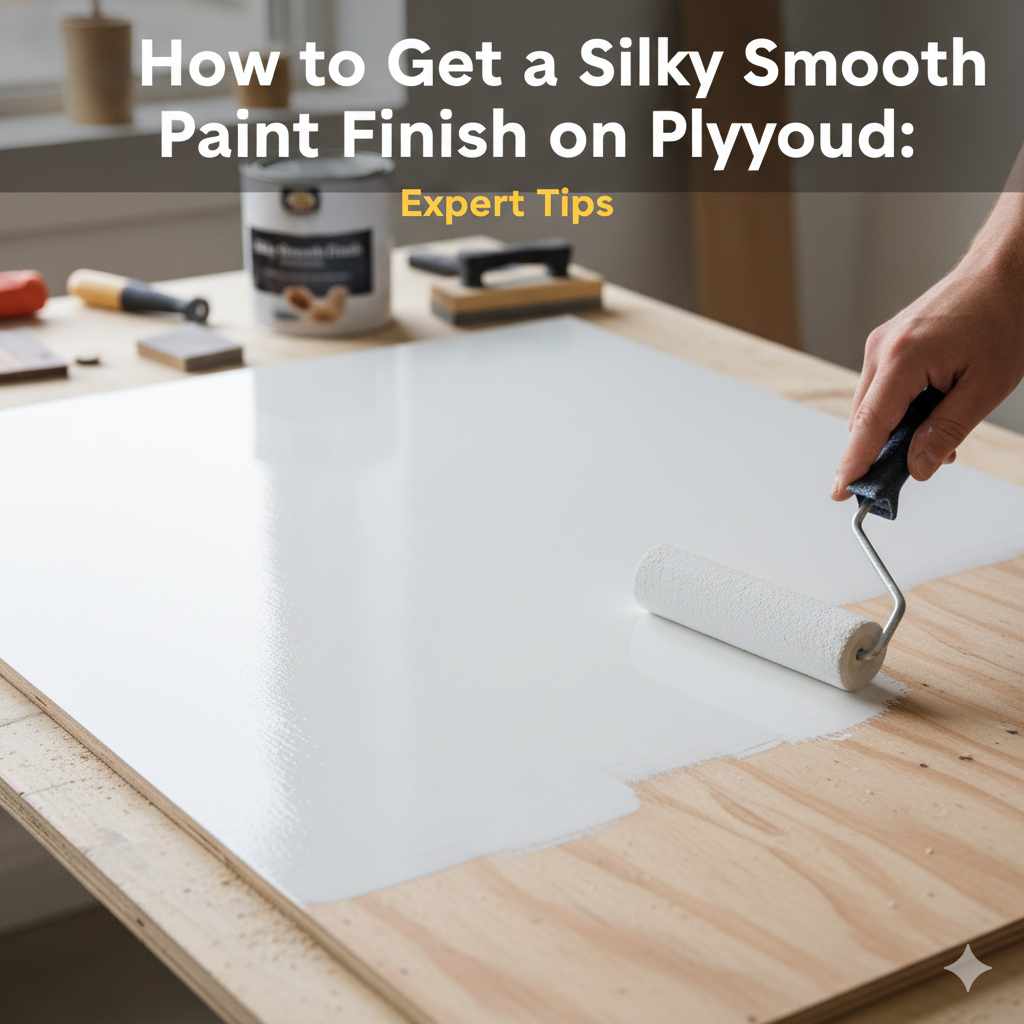
How to Get a Silky Smooth Paint Finish on Plywood: Expert Tips
Are you tired of struggling to achieve that perfect, silky smooth paint finish on your plywood projects? You’re not alone.
Many DIY enthusiasts and professionals alike find themselves frustrated with uneven textures and unsightly brush marks. But what if I told you there’s a way to transform your plywood into a flawless masterpiece? The secret lies in a few simple techniques that can make all the difference.
Imagine running your hand across a surface so smooth, it feels like it was done by a pro. Intrigued? Keep reading, because you’re about to discover the insider tips that will elevate your painting skills and give your projects the polished look they deserve. You won’t want to miss this!

Credit: danikoch.com
Choosing The Right Plywood
Plywood comes in different types. Each type has a unique feature. Softwood plywood is light and easy to cut. Hardwood plywood is strong and durable. Both are good for many projects.
Another type is marine plywood. It is water-resistant. Ideal for outdoor use. Flexible plywood bends easily. Useful for curved surfaces. Choose the right type for your project needs.
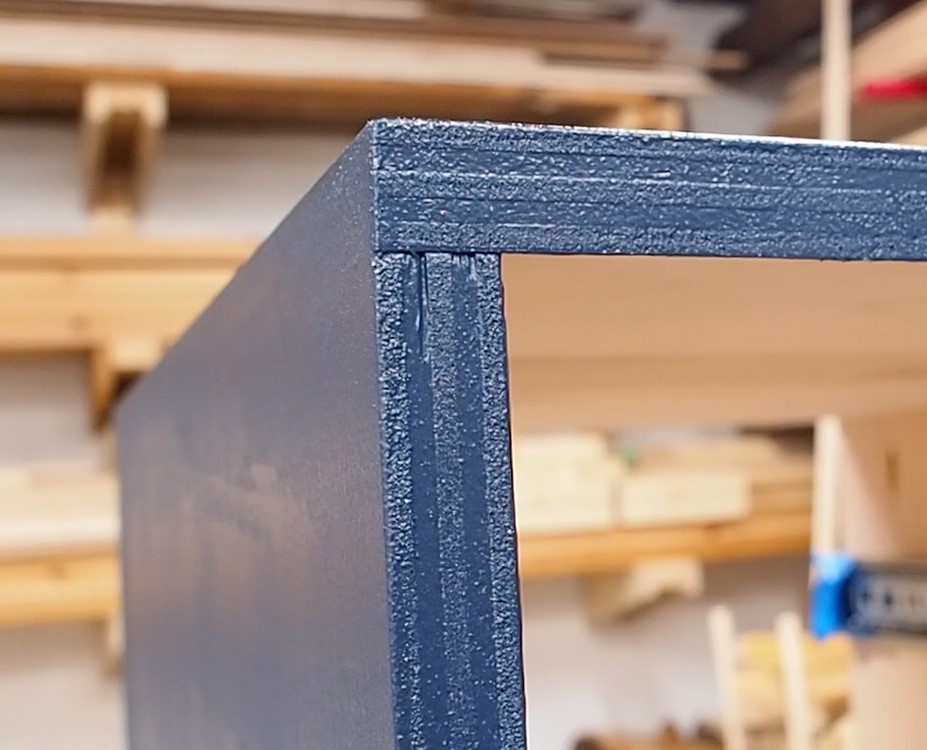
Quality matters for a smooth finish. Check the plywood’s surface. It should be smooth and even. No knots or holes. These imperfections affect the paint finish.
Look at the ply layers. More layers mean stronger plywood. Good for heavy use. Fewer layers are lighter. Better for small projects. Pick the quality that fits your purpose.
Credit: www.diymontreal.com
Preparing The Surface
First, remove all dirt and dust. Use a soft cloth or brush. Avoid scratches on the surface. Check for sticky spots and clean them. Use mild soap and water if needed. Make sure the plywood is dry before the next step.
Sand the plywood with fine-grit sandpaper. Move in small circles. This helps to make the surface smooth. Check edges and corners carefully. Use a sanding block for better control. Wipe off dust after sanding. Sanding helps paint stick well. It makes the surface ready for painting.
Applying Primer
Priming plywood offers many benefits. It helps paint stick better. This makes the surface smooth. Primer covers rough spots. It hides knots and grains. This gives a clean finish. Primer also protects wood. It keeps it safe from water. This stops warping and cracking. It saves time and money.
Choosing the right primer is important. Oil-based primers are good for plywood. They seal the wood well. Water-based primers dry fast. They are easy to clean. Use acrylic primerfor indoor projects. It is safe and has less smell. Read labels before buying. Make sure it suits your project.
Selecting Paint
Acrylic paint is good for plywood. It dries fast. It also cleans up easily with water. Oil-based paint is durable. It lasts longer on surfaces. This paint gives a smooth finish. Latex paint is another choice. It is flexible and resistant to cracking. Choose the type that suits your needs. Each type has its own benefits.
Choose light colors for a bright look. They make rooms feel bigger. Dark colors add warmth. They can make spaces feel cozy. Consider the room’s purpose. A bedroom might need calm tones. A study room can use bold colors. Match colors with furniture. This helps in creating harmony in the room. Test a small area first. This ensures you like the color on plywood.
Painting Techniques
Choosing the right tool is key. A brushgives you more control. It’s good for edges and corners. A rollercovers large areas fast. It creates a smooth finish.
Brushes might leave lines. Rollers can create a bumpy texture. Think about your project size. A mix of both tools works well. Remember to use light, even strokes.
Start with a thin coat. Let it dry completely. Sand the surface lightly. This removes bumps and dust. Add more layers for a rich look. Each layer should be thin.
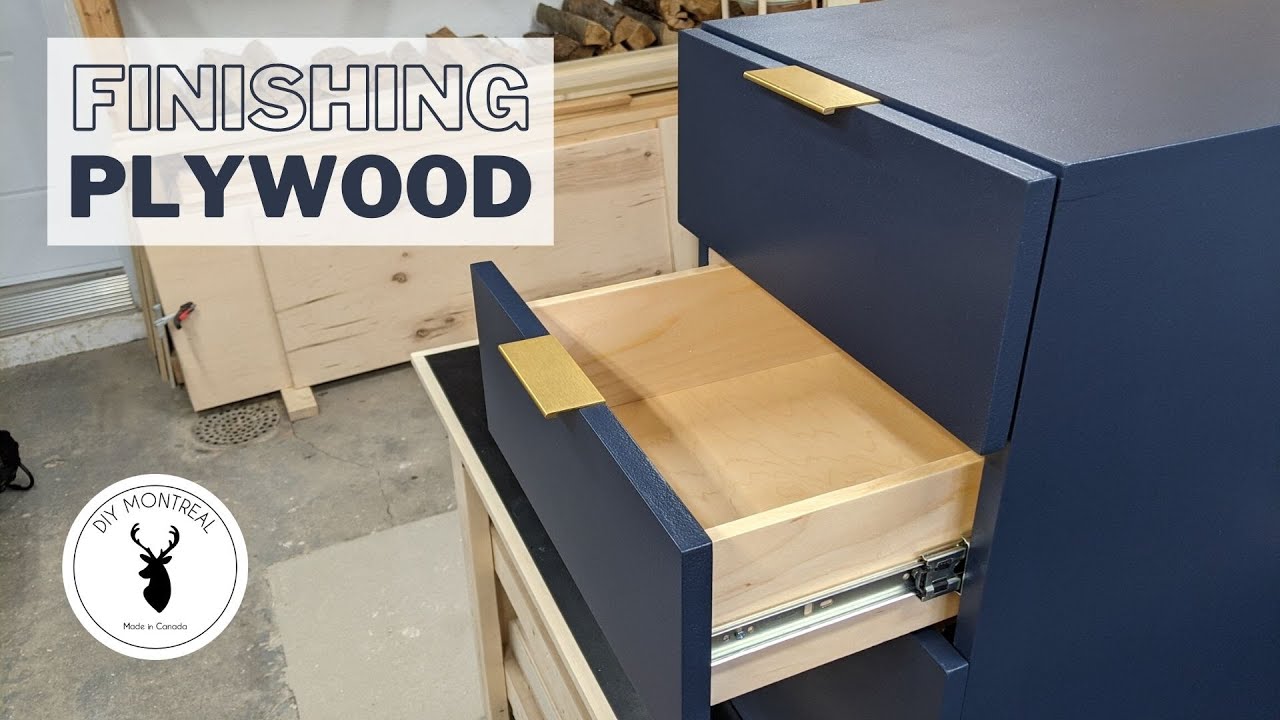
Too much paint can cause drips. Use at least two coats. Three coats can be even better. This makes the paint strong. Always allow drying time between coats.
Credit: www.youtube.com
Finishing Touches
Achieving a silky smooth paint finish on plywood involves careful sanding, priming, and using high-quality paint. Apply thin, even coats and allow each layer to dry fully. Finally, sand lightly between coats for a flawless surface.
Sealing The Paint
Sealing makes plywood paint last longer. Use a clear sealant for protection. This keeps the paint safe from scratches and water. A brush or roller works well for sealing. Apply a thin layer and let it dry. Avoid thick layers to prevent uneven finish. Once dry, your paint is ready for the next step.
Buffing For Shine
Buffing gives plywood a shiny look. Use a soft cloth or buffer. Rub gently in circles. This brings out the shine. Buffing makes the paint smooth. It feels nice to touch. Don’t press hard to keep the paint safe. Once done, your plywood looks amazing.
Common Mistakes To Avoid
Achieving a silky smooth paint finish on plywood requires careful attention to detail. Avoid using rough sandpaper and skipping primer. Ensure each paint layer dries completely before applying the next.
Over-sanding
Over-sanding can damage the plywood surface. The wood becomes too thin. This might cause uneven spots. Sand lightly for a smooth finish. Use gentle strokes. Check the surface often. Avoid wearing down the wood. Sand evenly across the entire area.
Incorrect Primer Use
Using the wrong primer can harm your finish. Choose the right primer for plywood. Some primers are too thick. Others are too thin. Test the primer on a small area. Make sure it covers well. Apply primer evenly to avoid blotches. Let it dry completely. A good primer helps the paint stick.
Maintenance Tips
Dust can make plywood look dull. Use a soft cloth to clean it. Wet the cloth slightly with water. Wipe the surface gently to remove dust. Avoid using harsh cleaners. They can damage the paint. Mild soap mixed with water is best. Dry the surface after cleaning. This keeps it shiny and smooth.
Scratches and chips can appear over time. They spoil the smooth finish. Use wood filler to fix them. Apply it to the damaged area. Let it dry completely. Sand the area lightly until smooth. Repaint the repaired area for a fresh look. Choose the same paint color for best results.
Frequently Asked Questions
How To Paint Plywood So It Looks Smooth?
To paint plywood smoothly, sand the surface thoroughly to remove imperfections. Apply a primer for better paint adhesion. Use a high-quality paint and brush or roller to ensure even coverage. Sand lightly between coats for a smooth finish. Seal with a clear coat for added protection and shine.
How To Make Plywood Look Glossy?
To make plywood glossy, sand it smoothly, then apply a wood sealer. Follow with multiple coats of high-gloss polyurethane, sanding lightly between coats. Finish with a polish or wax for extra shine.
How To Get Smooth Glossy Paint Finish On Wood?
To achieve a smooth glossy paint finish on wood, sand the surface thoroughly. Apply a primer, then sand again. Use high-quality glossy paint, applying thin layers. Sand lightly between coats. Finally, use a clear topcoat for extra shine and protection.
What Paint Finish Is Best For Plywood?
Semi-gloss or satin finishes are ideal for plywood. They offer durability and are easy to clean. These finishes enhance the wood’s natural beauty while providing protection. Use a primer before painting to ensure better adhesion and a smoother finish.
Conclusion
Achieving a smooth paint finish on plywood is simple with patience. Start with a clean surface and use the right primer. Sand between each coat to ensure an even texture. Choose quality paint for the best results. Let each layer dry fully before the next.
These steps will help you achieve a professional look. Enjoy the satisfaction of your handiwork. Your plywood can now shine with a silky finish. Practice makes perfect, so don’t rush the process. With time, painting plywood becomes easier and more rewarding.
Keep experimenting and learning!