How to Get a Thick Clear Coat on Wood: Pro Secrets!
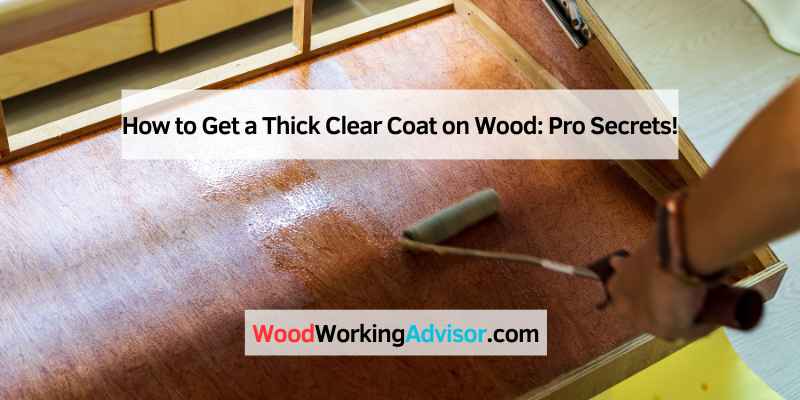
To achieve a thick clear coat on wood, use a high-quality polyurethane or epoxy finish. Apply multiple thin layers, allowing each to dry completely before adding the next.
Applying a thick clear coat to wood not only enhances its beauty but also provides essential protection. Clear finishes can guard against moisture, UV light, and everyday wear. Choosing the right product is crucial for achieving that glossy, durable finish.
Various options exist, including oil-based and water-based coatings. Each type has its benefits, such as drying time and ease of application. Proper preparation of the wood surface is equally important. Sanding, cleaning, and priming can significantly impact the final result. With the right techniques, you can create a stunning, long-lasting finish that highlights the natural grain of the wood.
Introduction To Clear Coating Wood
A thick clear coat on wood offers many advantages. It provides protection against scratches and water damage. A thick layer enhances the natural beauty of wood. It gives a glossy finish that many people love.
Common challenges include uneven application and air bubbles. These issues can affect the final look. Preparation is key to success. Sanding and cleaning the wood properly helps avoid problems. Choosing the right brush or sprayer is also important.
Proper drying time is essential. Rushing can lead to a messy finish. Always follow the manufacturer’s instructions for the best results. With care, achieving a thick clear coat is possible.
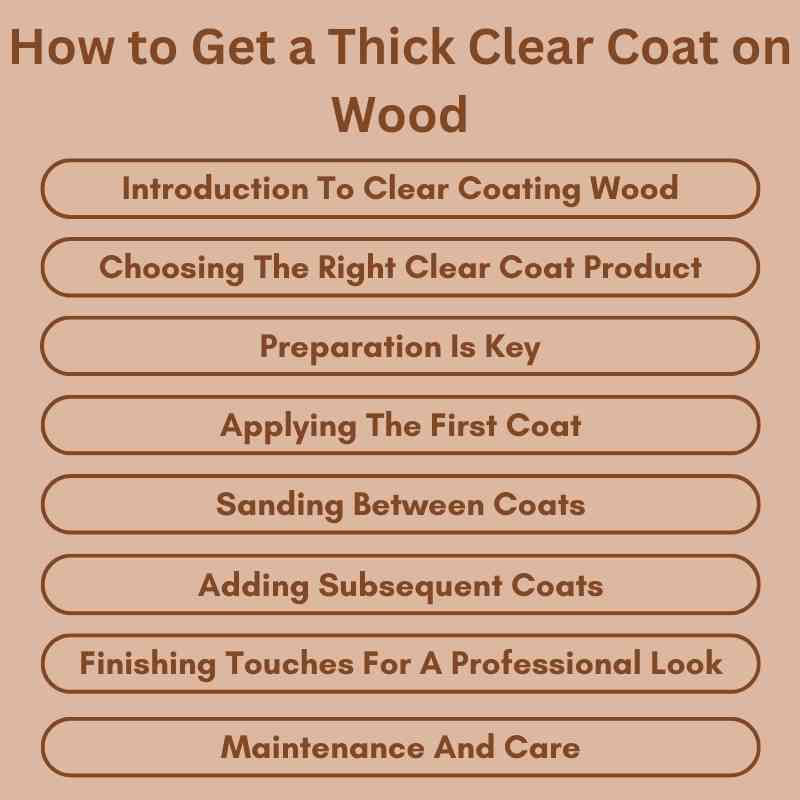
Choosing The Right Clear Coat Product
Choosing the right clear coat product is essential for a thick, durable finish. Different types of clear coats serve various purposes. Here are some common options:
| Type of Clear Coat | Features |
|---|---|
| Polyurethane | Resistant to scratches and chemicals. Great for high-traffic areas. |
| Varnish | Offers a warm finish. Good for exterior projects. |
| Lacquer | Dries quickly. Provides a high-gloss finish. |
| Shellac | Natural finish. Not water-resistant but easy to repair. |
Several factors impact your choice of clear coat. Wood type affects how the coat adheres. Environmental conditions can change the drying process. Consider the desired finish—matte, satin, or glossy. Always check application methods for best results.
Preparation Is Key
Start with a clean surface. Use a damp cloth to remove dust and dirt. Let the wood dry completely. This step is very important for a smooth finish.
Sanding is crucial for smoothness. Begin with coarse sandpaper, like 80-grit. Sand along the grain to avoid scratches. Move to finer sandpaper, like 220-grit. This helps create an even surface.
Always wear a mask while sanding. This keeps dust out of your lungs. After sanding, wipe the surface again. Use a tack cloth to pick up any remaining dust.
Applying The First Coat
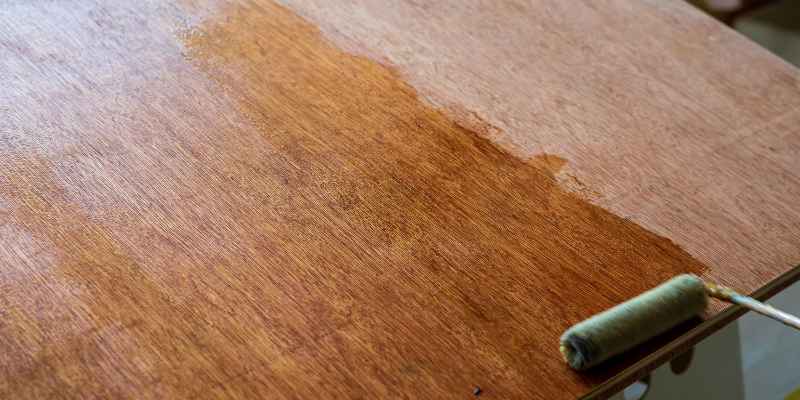
To achieve a thick clear coat on wood, gather the right tools. Use a high-quality brush or a roller for even application. Consider using a spray gun for a smooth finish.
Choose a polyurethane or varnish product for durability. Always follow the manufacturer’s instructions for the best results. Prepare the wood surface by sanding it well before application.
Drying times vary by product. Generally, allow 2 to 4 hours between coats. Ensure good ventilation during drying. Avoid applying in high humidity or extremely cold conditions for optimal results.
Sanding Between Coats
Sanding between coats is crucial for a smooth finish. It helps remove any bumps and imperfections. This process allows the next coat to adhere better. Skipping sanding can lead to a rough surface.
Proper sanding technique is essential. Use a fine-grit sandpaper, around 220 grit. Sand lightly to avoid damaging the wood. Always sand in the direction of the grain. Clean the surface after sanding to remove dust.
Use a vacuum or a damp cloth to wipe away debris. This ensures a clean surface for the next coat. Repeat this process between each layer for the best results.
Adding Subsequent Coats
To achieve a thick clear coat on wood, layering is key. Start by applying a thin layer of finish. Allow it to dry completely. Then, sand lightly to prepare for the next coat. Repeat this process several times. Each new layer adds thickness and depth to the finish.
Common pitfalls can ruin your project. Avoid applying too much product at once. This can lead to drips and runs. Don’t skip sanding between coats. Skipping this step can cause poor adhesion. Lastly, ensure the workspace is dust-free. Dust particles can settle on wet finishes.
Finishing Touches For A Professional Look
Polishing the surface gives wood a smooth and shiny finish. Use fine-grit sandpaper to remove any rough spots. Sand in the direction of the wood grain for the best results.
After sanding, clean the surface with a damp cloth. This step removes dust and debris. Allow the wood to dry completely before applying the clear coat.
Use a soft cloth or a buffer to apply the polish. This helps create a uniform shine. For best results, polish in small sections.
Protecting the clear coat is essential for durability. Use a top coat or sealant to guard against scratches. Regular maintenance keeps the finish looking fresh.
Maintenance And Care
To keep your wood looking great, regular cleaning is essential. Use a soft cloth to remove dust. Avoid harsh chemicals that can damage the finish. For spills, clean them up quickly to prevent stains.
It’s best to clean wood surfaces at least once a month. This helps maintain the clear coat’s shine. Always use gentle cleaners made for wood.
| Time Frame | Action |
|---|---|
| Every 6 months | Inspect the clear coat for damage. |
| Annually | Reapply the clear coat if needed. |
Reapplying clear coat keeps the wood protected. Look for signs of wear or fading. Doing this helps keep the wood looking new.
Frequently Asked Questions
How Do I Prepare Wood For A Thick Coat?
To prepare wood for a thick clear coat, start by sanding the surface. Use progressively finer grits to achieve a smooth finish. Clean off any dust or debris with a damp cloth. Ensure the wood is dry before applying the clear coat to prevent imperfections.
What Type Of Clear Coat Is Best For Wood?
Polyurethane is one of the best clear coats for wood. It offers durability and a glossy finish. Water-based polyurethane dries quickly and has low odor, while oil-based provides a richer finish. Choose based on your project needs and desired appearance.
How Many Coats Of Clear Finish Should I Apply?
Applying three to four coats of clear finish is ideal. Each coat builds thickness and enhances durability. Always sand lightly between coats for better adhesion. Follow the manufacturer’s instructions for drying times to ensure optimal results.
Can I Use A Spray Clear Coat On Wood?
Yes, a spray clear coat can be used on wood. Spraying provides an even finish and is easy to apply. Ensure you work in a well-ventilated area. Hold the can at the recommended distance for best results.
Conclusion
Achieving a thick, clear coat on wood elevates its appearance and durability. Follow the steps outlined to ensure a flawless finish. Patience and attention to detail are key. With the right techniques and materials, your wood projects will shine beautifully.
Enjoy the satisfaction of a professional-looking result!