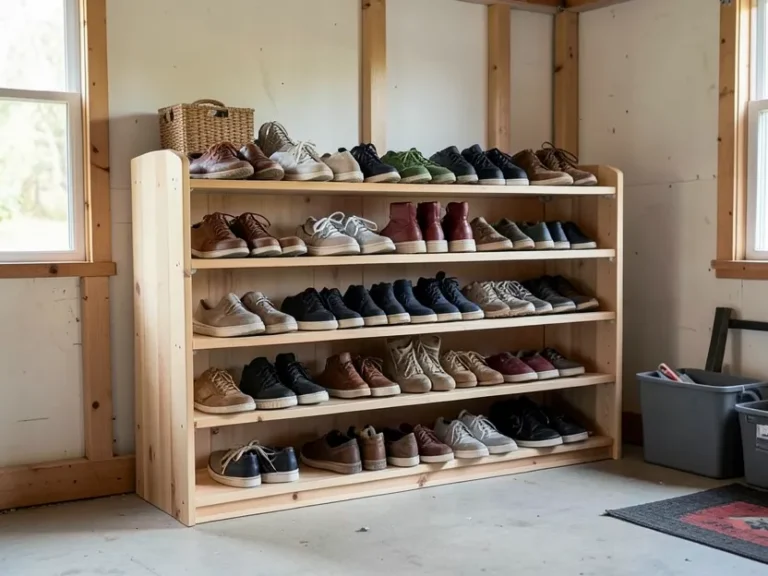
Can Floating Shelves Hold Books? Yes, With Limits
Floating shelves can hold books — typically 45 to 50 lbs per wall stud the bracket is anchored into, so a 3-foot shelf on two studs safely carries around 100 lbs. Skip the studs for a plastic drywall anchor alone, and that same shelf drops to under 25 lbs. This guide breaks down capacity by material and bracket, translates it into an actual number of books, and covers installation and the warning signs of overload.

How Much Weight Can Floating Shelves Actually Hold?
Best Floating Shelf Bracket Pick
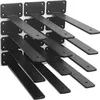
12-Pack Black Hidden L-Brackets, 10-Inch (1/5″ Thick Steel)
Rated to roughly 100 lbs per pair when anchored into studs — enough for a fully loaded 8-10″ deep bookshelf.
- Best for: Standard 8-10″ deep floating shelves loaded with books
- Why we picked it: Rated 100 lbs per pair into studs, and the 12-pack covers several shelves in one order
- Main drawback: Matte black finish only — won’t disappear on white or natural wood shelves
Compare more bracket options
 Best Budget 6-Pack 6″ Brackets, 160 lb Rated Capacity
|
 Best Concealed 8-Pack Fully Hidden Heavy-Duty Brackets
|
 Best for Deep Shelves 6-Pack 12″ Thick-Steel Brackets
|
As an Amazon Associate we earn from qualifying purchases.
The single biggest factor is what the bracket is anchored into, not the shelf itself. Each wall stud a bracket connects to adds roughly 45 to 50 lbs of capacity, so a 3-foot shelf mounted to two studs holds around 100 lbs before you even factor in the shelf material. Shelf thickness and material set a second ceiling on top of that.
| Shelf Material | Thickness | Stud-Mounted Capacity |
|---|---|---|
| Solid hardwood | 1.5″ | 30-50 lbs |
| Solid hardwood | 2″ | 40-65 lbs |
| Solid softwood | 1.5″ | 20-30 lbs |
| MDF or laminate | 3/4″ | 10-20 lbs |
| MDF or laminate | 1″ | 15-25 lbs |
Mounting hardware has its own range, and it caps the shelf’s real-world capacity even if the material could technically hold more:
- Hidden rod brackets: 25-50 lbs per shelf
- Visible L-brackets: 25-50 lbs per bracket, anchored into a stud
- French cleats: 50-100+ lbs, since weight is spread across the full width of the shelf
- Keyhole hangers: 10-25 lbs per hanger — the weakest option, best for décor rather than books
How Many Books Is That, Really?
Weight limits mean more once you translate them into actual books. Here’s roughly what a linear foot of shelf holds by book type, based on average published book weights:
| Book Type | Avg. Weight Each | Weight Per Linear Foot |
|---|---|---|
| Paperback novel | ~0.5 lb | ~9-10 lbs |
| Trade paperback | ~0.7 lb | ~10-11 lbs |
| Hardcover novel | ~1.2 lb | ~12-14 lbs |
| Hardcover textbook or reference | ~4 lb | ~16-20 lbs |
| Coffee-table / art book (stacked flat) | ~4.5 lb | ~14-18 lbs |
Run the math and a 3-foot shelf holding mostly paperbacks carries roughly 30 lbs — well inside the ~100 lbs a proper 2-stud mount provides. The same 3-foot shelf packed with hardcover textbooks or reference books can hit 50-60 lbs, which is exactly where thin MDF or a single drywall anchor starts to fail. If your books run heavy or oversized, size the bracket and shelf material to that reality instead of a generic “floating shelves are strong” assumption.
One more practical check: measure your tallest and widest books before buying a shelf. A shelf deep enough for paperbacks (6-8″) often can’t fit oversized hardcovers or art books without them overhanging the edge.
Wall Type and Bracket Matter More Than the Shelf
Standard wall framing places studs about 16 inches apart (up to 24 inches in some older homes), so most walls only offer a stud every foot and a half. A stud finder takes the guesswork out of locating them before you commit to a stud-mounted install.
When a stud genuinely isn’t available where you need the shelf, the anchor you choose still makes a large difference. According to Today’s Homeowner, plastic expansion anchors are rated for roughly 5-20 lbs, while metal toggle bolts can hold 25 lbs up to 100+ lbs depending on the bolt size. Neither replaces a stud, but a properly sized toggle bolt is the safer fallback for a lightly loaded shelf.
The bracket style you choose also changes how forgiving the install is. Hidden rod brackets and L-brackets need to land dead-center on a stud to hit their rated capacity; a French cleat spans a wider area and tolerates being slightly off-stud better, since the load is distributed across the cleat’s full length rather than concentrated at one or two points.
Installing a Floating Shelf for Books the Right Way
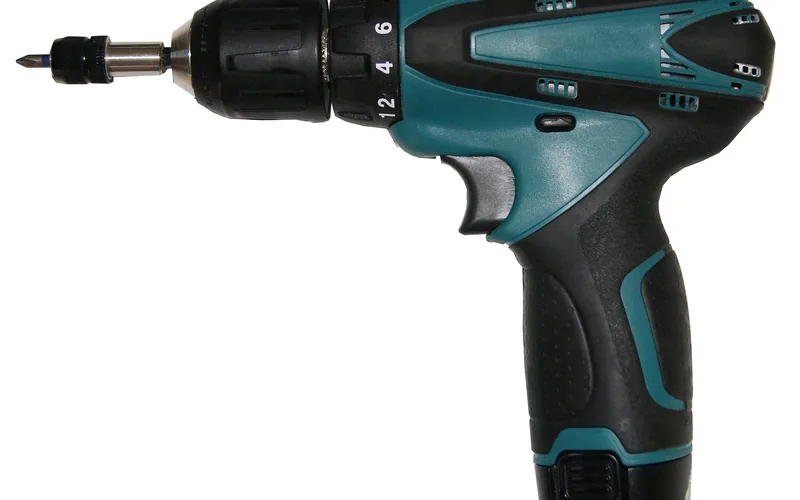
- Find and mark the studs: Run a stud finder along the wall where the shelf will go and mark the center of each stud with a pencil; standard framing puts studs 16 inches apart (up to 24 inches in some older homes).
- Choose a bracket rated for the load: Match the bracket to the expected weight — a hidden rod or L-bracket rated 25-50 lbs per stud connection for a light-to-medium book load, or a French cleat for a dense hardcover collection.
- Level and mark the bracket holes: Hold the bracket against the wall at the marked stud locations, check it with a level, and mark each screw hole with a pencil before drilling.
- Drill and drive lag screws into the studs: Pre-drill pilot holes into the stud centers, then drive lag screws or heavy-duty screws through the bracket into solid wood — not just drywall.
- Slide the shelf onto the bracket and secure it: Fit the shelf over the installed bracket, check it’s level, and add any set screws or adhesive the manufacturer specifies to lock it in place.
- Load gradually and recheck the level: Add books a few at a time rather than all at once, distributing weight evenly across the shelf length instead of stacking it all in the center, then recheck that the shelf is still level.
Signs Your Floating Shelf Is Overloaded
Test a new installation before fully loading it: add books gradually and watch for movement rather than loading the whole collection at once. A shelf approaching its limit usually gives warning signs before it fails outright.
- Visible bowing or a dip in the middle of the shelf
- Screws or the bracket working loose from the wall
- The shelf shifting, tilting, or wobbling when touched
- Cracks forming in the wall or drywall paper around the mount
📊 A single 1/4-inch metal toggle bolt can rate up to 90 lbs, but that rating drops sharply under dynamic load — repeated shifting, angled pulls, or vibration can cause a 100-lb-rated anchor to fail closer to 40 lbs. Source: Today’s Homeowner, drywall weight capacity guide.
If any of these signs show up, stop adding weight immediately, remove some books, and check whether the bracket actually landed on a stud. In our experience, the most common shop mistake isn’t a weak bracket — it’s mounting a rated bracket into a single drywall anchor because it “feels” solid when you test it empty. It holds fine at first, then slowly works loose over days or weeks once the shelf is fully loaded. If you can’t find a stud, use two properly sized toggle bolts per bracket, not one.
“The most common shop mistake isn’t a weak bracket — it’s mounting a rated bracket into a single drywall anchor because it feels solid when tested empty. Load it with a shelf of hardcovers and it works loose over days, not instantly.”
— WoodworkingAdvisor team, from installs we’ve seen fail and fix
Reinforcing a Sagging Shelf
A shelf that’s already sagging can often be saved without a full reinstall. Add a second bracket at the shelf’s midpoint if the span allows it, upgrade from keyhole hangers to a French cleat or heavier L-brackets, and re-anchor into a stud if the original mount missed one. Redistribute heavier books toward the ends of the shelf near the brackets rather than stacking them all at center, which cuts peak stress on the shelf by roughly 40% compared to center-loading.
Check floating shelves every few months for loose screws, wall anchors starting to back out, or new gaps between the bracket and wall. Catching a loosening mount early is a five-minute fix; catching it after the shelf has already dropped a stack of hardcovers is not.
Frequently Asked Questions
Can floating shelves support heavy books?
Yes — a floating shelf anchored into wall studs with a rated bracket can hold 45 to 50 lbs per stud, which is enough for most hardcover collections. The failure point is almost always the mount, not the books: a single drywall anchor without a stud caps out around 10 to 25 lbs, well below what a shelf of hardcovers weighs.
How much weight can floating shelves hold?
It depends on the stud count, bracket, and shelf material. As a rule of thumb, each wall stud a bracket is anchored into adds 45 to 50 lbs of capacity, so a 3-foot shelf on two studs holds roughly 100 lbs. Solid hardwood shelves 1.5 to 2 inches thick add 30 to 65 lbs on top of that; thin MDF or laminate shelves cut it to 10 to 25 lbs regardless of the bracket.
Do floating shelves sag over time?
Yes, if they’re overloaded or under-supported. Sagging usually comes from thin shelf stock, brackets that aren’t anchored into studs, or weight concentrated at the center instead of spread across the shelf. Doubling a shelf’s thickness makes it roughly eight times more resistant to sagging, which is why a 2-inch shelf holds a visibly straighter line than a 3/4-inch one of the same length.
What’s the best bracket type for a floating bookshelf?
Hidden rod brackets and L-brackets anchored into studs are the standard choice, typically rated 25 to 50 lbs each. French cleats spread weight across the full width of the shelf and can support 50 to 100+ lbs, making them the strongest option for a shelf carrying a dense hardcover collection.
Should I mount a bookshelf into drywall or wall studs?
Studs whenever possible. A plastic drywall anchor alone is rated for roughly 10 to 25 lbs, while a heavy-duty metal toggle bolt can reach 25 to 50 lbs or more — but neither compares to the 45 to 50 lbs per stud a direct stud mount provides. If a stud isn’t available where you need the shelf, use toggle bolts rated for the full expected load, not the shelf’s empty weight.
Conclusion
Floating shelves hold books just fine — the shelf is rarely the weak link. Anchor the bracket into a stud, match the bracket and material to the weight class of books you actually own, and load gradually while watching for the early warning signs of overload. Get the mount right and a floating shelf will carry a real book collection for years without a wobble. For more wall bookshelf layout ideas once the shelves are secure, see our full design guide.
Sponsored / affiliate links. As an Amazon Associate I earn from qualifying purchases. I may earn additional commission from eligible campaigns.