How to Get Adhesive off Wood Floor: Quick & Easy Tips
To remove adhesive from wood floors, start by scraping off excess adhesive with a wooden or plastic spatula. Next, apply an adhesive solvent suitable for wood, let it sit briefly, and rinse with clean water.
Removing adhesive from wood floors can be a challenging task, but it’s essential for maintaining their beauty. Adhesive residue can occur from old tiles, carpets, or even furniture. Fortunately, several effective methods exist to tackle this issue. Using the right tools and techniques helps restore your wood floor’s original look.
Common solutions include scraping, applying solvents, and natural remedies. In this guide, we will explore various methods to help you eliminate adhesive safely and efficiently, ensuring your wood floors remain in top condition. Embrace these practical tips to achieve clean and stunning floors.
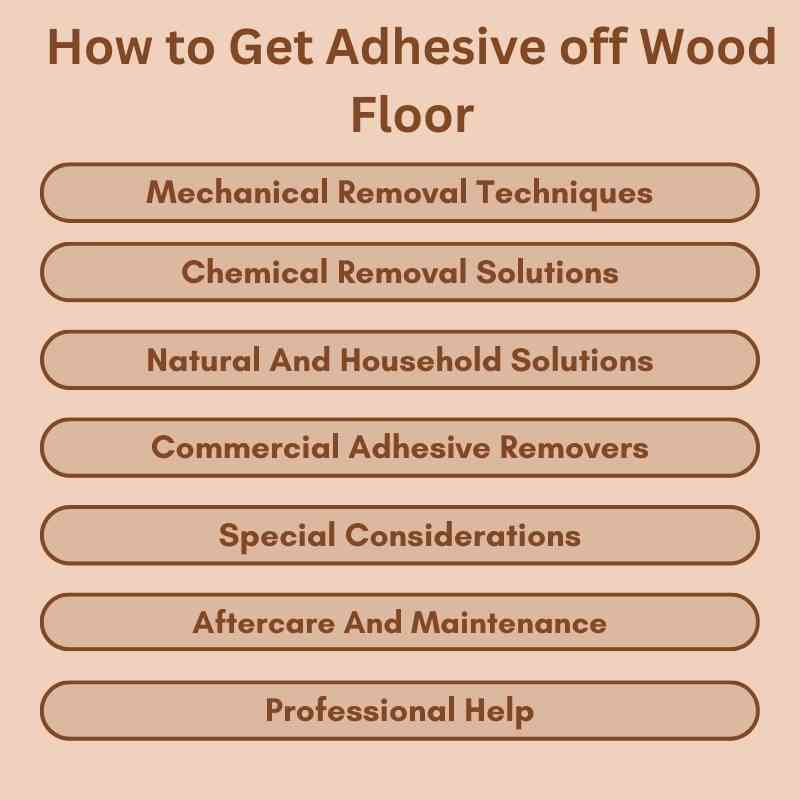
Mechanical Removal Techniques
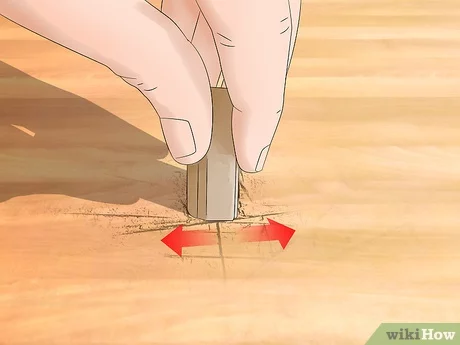
Mechanical removal techniques effectively eliminate adhesive from wood floors. Start by gently scraping the adhesive with a plastic spatula. For stubborn spots, consider using heat or a specialized adhesive remover to lift the residue without damaging the wood.
Scraping Off The Bulk
Using a plastic spatula is safer for wood floors. It won’t scratch the surface. Metal spatulas can be more effective but may damage the wood. Always start gently to avoid causing harm. If the adhesive is thick, try to peel it off first. Then, use the spatula for the remaining bits.
Using A Plastic Spatula Vs. A Metal One
Plastic spatulas are softer and less likely to scratch. They are ideal for delicate surfaces. Metal spatulas can remove tougher adhesives. Be careful to avoid gouging the wood. For best results, use both tools as needed.
Chemical Removal Solutions
Choosing the right adhesive solvent is essential for effective removal. Acetone works well on most adhesives. It evaporates quickly, minimizing damage to wood. Always test on a small area first.
Mineral spirits are another option. They effectively dissolve adhesives without harming the wood finish. Apply with a soft cloth and wipe away residue.
Application tips include wearing gloves for hand protection. Use a brush to apply the solvent evenly. Let it sit for a few minutes to break down the adhesive.
After treatment, rinse the area with clean water. This ensures no solvent residue remains. Ventilation is important to avoid inhaling fumes.
Natural And Household Solutions
Removing adhesive from wood floors can be straightforward with the right methods. Use a plastic spatula to scrape off excess adhesive, then apply a suitable solvent. Natural options like vinegar or mineral oil can also effectively break down stubborn residue without damaging the wood.
| For removing adhesive from wood floors, try using vegetable oil and warm soapy water. Another effective solution is vinegar or other natural oils. To start, scrape off excess adhesive and apply a suitable solvent. Rinse with water and protect your hands with gloves. Clean sticky residue with acetone or natural oils, then wipe with a damp cloth. For tough spots, consider using commercial adhesive removal products. |
Commercial Adhesive Removers
Choosing the right commercial adhesive remover for wood floors is essential. Look for products labeled as safe for wood. Check the ingredients to avoid harsh chemicals that may damage the finish. Brand reputation matters; consider well-reviewed options.
Using commercial removers requires caution. Always wear gloves to protect your hands. Test the product in a small area first. Apply the remover with a soft cloth or brush. Let it sit as instructed on the label. Afterward, clean the area with a damp cloth.
Ensure proper ventilation in the room. Avoid using heat sources near the remover. Store the product safely away from children and pets. Following these steps will help you safely remove adhesive without harming your wood floor.
Special Considerations
Different types of adhesives require specific removal methods. For glue residues, using a plastic spatula can help scrape off excess. Acetone works well for tougher adhesives. Apply it with a soft cloth, but ensure good ventilation.
Mineral spirits are another option. Use a rag to wipe the adhesive and follow up with a dry cloth. For sticky residues, vegetable oil or warm soapy water can be effective. Apply them gently to avoid damaging the wood.
Always test any product on a small area first. This prevents unwanted damage to your wood floor’s finish. Wearing gloves is important to protect your hands during the process.
Aftercare And Maintenance
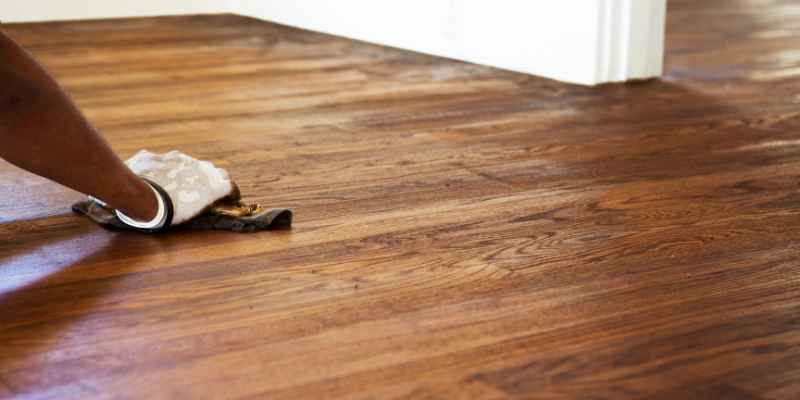
Cleaning the wood floor after removing adhesive is crucial. First, use a damp cloth to wipe away any remaining solvent. Make sure the cloth is clean and damp, not soaked. Next, apply a gentle wood floor cleaner using a soft mop. This helps to remove any lingering residue. Rinse the mop frequently to avoid spreading the adhesive. Finally, dry the floor with a soft towel. This step prevents water damage to the wood.
To prevent future adhesive messes, use protective mats in areas where spills might occur. Make sure to clean up any spills immediately to avoid them drying up. Avoid using adhesives that are not wood-friendly. If you must use adhesive, choose one that is easy to remove. It’s also a good idea to apply a protective coating to your wood floor. This coating can act as a barrier against sticky substances.
Professional Help
Removing adhesive from wood floors can be challenging, but professional help makes it easier. Experts utilize effective methods and safe products to restore your floor’s beauty without damage. Trusting skilled professionals ensures a thorough and efficient removal process, leaving your wood floor pristine.
When To Call In The Experts
Sometimes, removing adhesive from wood floors can be a tough job. If you have tried different methods and nothing works, it might be time to call in the experts. Professionals have special tools and solutions to handle stubborn adhesives without damaging your wood floor. They can make your floor look like new again.
Finding A Reputable Floor Care Professional
Finding a good floor care professional is important. Start by asking friends and family for recommendations. Check online reviews and ratings to find trusted experts. Make sure the professional is experienced in handling wood floors. This ensures your floor is in safe hands. Always ask for quotes and compare prices before making a decision.
Frequently Asked Questions
How Do You Remove Dried Adhesive From Hardwood Floors?
To remove dried adhesive from hardwood floors, scrape off excess with a plastic spatula. Apply an adhesive solvent suitable for wood, then wait a few minutes. Rinse the area with clean water. Always wear gloves for protection during this process.
What Is The Easiest Way To Remove Adhesive From Wood?
The easiest way to remove adhesive from wood is by using vegetable oil, heat, or warm soapy water. You can also apply nail polish remover or commercial adhesive removers specifically designed for wood. Always test in a small area first to avoid damage.
How To Remove Sticky Residue From Wooden Floor?
To remove sticky residue from wooden floors, apply acetone or mineral spirits on a cloth and gently rub the area. For tougher spots, use warm soapy water or vinegar. Always wipe the surface with a damp cloth afterward to ensure no residue remains.
What Removes Sticky Adhesive From Floor?
To remove sticky adhesive from floors, use acetone or mineral spirits on a cloth. Apply gently, then wipe clean. Vegetable oil and warm soapy water can also help. For tougher spots, commercial adhesive removers are effective. Always test in an inconspicuous area first.
Conclusion
Removing adhesive from wood floors can seem daunting, but it’s achievable with the right techniques. By using safe solvents and gentle scraping methods, you can restore your floor’s beauty. Regular maintenance will keep your floors looking pristine. Follow these steps, and enjoy a clean, adhesive-free surface in your home.