Can You Use Acetone to Clean Paint Brushes? Safety Limits
Yes, acetone will dissolve or soften a lot of paint on a brush, but it is rarely the right first choice. Brush makers tell you to follow the solvent named on the paint can, acetone vapor can be ignited on a day well below freezing, and a strong solvent can be hard on the glue and handle of a good brush. This guide covers when acetone is worth using, the real safety numbers, and a step-by-step method that keeps the brush and the shop in one piece.
Should You Use Acetone on a Paint Brush?
Treat acetone as a last-resort solvent for specific jobs, not a universal brush cleaner. A common myth is that acetone is just a “stronger mineral spirits.” It is a different solvent, and the coating on the brush decides which one belongs in the jar. Purdy points to mineral spirits or paint thinner for oil paint and varnish and denatured alcohol for shellac, and both Purdy and Wooster say to read the cleanup instructions on the can label (see the Purdy care guide and the Wooster cleaning tips).
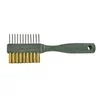 |
Best Brush Comb Pick Wooster 1832/1831 Painters Brush Comb: about $14 A two-sided hand tool for combing paint out of bristles before and after any solvent, so you need less acetone and less contact time.
|
As an Amazon Associate we earn from qualifying purchases.
Acetone vs the Right Solvent, by Coating
Match the coating on the brush to the cleaner. Acetone sits in the “only if” column for most finishes a woodworker uses.
| What is on the brush | Acetone? | Better first choice |
|---|---|---|
| Wet latex or acrylic paint | No | Warm water and soap (Purdy) |
| Dried latex or acrylic paint | Last resort, short contact only | Comb, then hot soapy water, worked quickly (Purdy) |
| Oil-based paint or varnish | Not first choice | Mineral spirits or paint thinner (Purdy) |
| Shellac | Not first choice | Denatured alcohol (Purdy) |
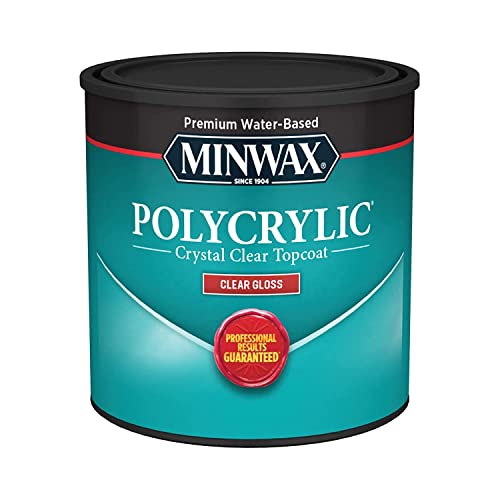
| Water-based polyurethane or polycrylic | No | Soap and water, see our polycrylic brush guide |
| Uncured two-part epoxy or super glue | Yes, before it cures (general practice) | Acetone works only while the glue is wet; cured glue usually means a lost brush |
The table is why acetone is a narrow tool. For a side-by-side of the two solvents people confuse most, read acetone vs paint thinner. For general technique with any solvent, start with our best way to clean a paint brush.
Acetone Safety Numbers From Government Data
Most brush-cleaning articles say “acetone is flammable” and stop. The published figures explain why it deserves more respect than the mineral spirits already in your cabinet. The values below come from the NIOSH Pocket Guide entry for acetone and PubChem.
| Property | Value | What it means in the shop |
|---|---|---|
| Flash point | About 0 F (-18 C); other sources list -4 F to 1 F | Vapor can ignite from a spark or pilot light on a freezing day |
| Flammable range in air | 2.5% to 12.8% by volume | A small, poorly ventilated space can reach this range quickly |
| Vapor density | 2.0 (air = 1) | Vapor is heavier than air and settles toward the floor |
| Boiling point | 133 F (56 C) | It evaporates fast, which is why it leaves brushes stiff and dry |
| Vapor pressure | 180 mmHg | Much of what you pour into an open jar ends up in the air |
| NIOSH recommended limit (8-hour average) | 250 ppm | The recommended limit is one quarter of the OSHA limit |
| OSHA legal limit (8-hour average) | 1,000 ppm | Set well above the level NIOSH recommends |
| IDLH (immediately dangerous to life or health) | 2,500 ppm, which is 10% of the lower explosive limit | Fire risk arrives at a concentration far below the flammable range itself |
Two facts change how you set up the job. First, because the vapor is about twice as heavy as air, it collects low, so the ignition sources to worry about sit near the floor: a water heater or furnace pilot, a space heater, or the spark from a switch or motor. Second, NIOSH lists irritation of the eyes, nose, and throat, headache, dizziness, central nervous system depression, and dermatitis as the health effects. Those are the reasons for working outdoors or with a fan pulling air out of an open door, not just “some ventilation.”
- Work outside or in a wide-open garage, away from any pilot light, heater, or running motor.
- Use a small amount in a glass or metal jar, and keep a lid nearby to cover it between dips.
- Protect your skin. Thin disposable nitrile gloves are commonly reported as a poor barrier against acetone, and butyl rubber is the usual recommendation, so check the glove maker’s chemical chart before you rely on any glove.
- Keep it off the wood. Acetone can mar finishes and dull surfaces, so see our notes on whether acetone damages wood and how to fix a spill.
What Acetone Does to a Brush
A quality brush is bristles, an adhesive that locks them into a metal ferrule, and a handle that is often painted or lacquered. Both Purdy and Wooster warn against letting water or moisture creep into the ferrule, since hot water can loosen that glue, and the same caution applies with even more force to a strong solvent. Acetone is very aggressive, so the safest habit is to keep the dip short, keep the liquid away from the ferrule and handle, and never leave a brush soaking overnight.
Natural bristles are the other casualty. They depend on their natural oils to stay flexible, and a strong solvent strips them, which can leave the tips dry and brittle. That is one more reason to use a purpose-made solvent for oil-based work and to keep acetone for the brush you are willing to risk. Synthetic (nylon or polyester) brushes are the usual choice for water-based finishes and generally cope with a quick solvent rinse better than natural hair, though repeated dips still wear them faster than soap and water.
How to Clean a Paint Brush With Acetone, Step by Step
Use this method only after you have ruled out the gentler choices in the table above.
- Set up outside with a hard, non-porous work surface. No flames, pilot lights, or running motors nearby.
- Comb out the paint first. Work a brush comb from the ferrule to the tips so the solvent only has to deal with what is left.
- Pour about an inch of acetone into a glass or metal jar. Avoid foam cups and thin plastic containers, since solvents can attack some plastics.
- Dip the bristles only, never the ferrule. Swish for 20 to 30 seconds, then lift the brush and press the bristles against the jar wall to see how much paint is loosening.
- Repeat in a second jar of clean acetone if paint is still coming out. Wooster advises changing solvent as it gets cloudy or dirty.
- Wipe on a rag and then wash with warm water and dish soap until the water runs clear, which finishes the job after any solvent step.
- Comb, reshape, and hang to dry with the bristles pointing down or lay it flat, and never put a wet brush into its keeper (Wooster).
Never hit a brush against a pail or your shoe to shake it out. Wooster warns that this can permanently damage the brush.
Safer Alternatives to Acetone
Mineral Spirits or Paint Thinner for Oil-Based Finishes
For oil-based paint, varnish, and oil-based polyurethane, the paint can will normally name mineral spirits or paint thinner, which is why it beats acetone as a first pass. Our acetone vs paint thinner comparison explains the differences in evaporation and strength.
Warm Water and Soap for Water-Based Finishes
Latex, acrylic, and water-based clear coats come off with warm water and soap if you clean them straight away. If paint has already dried in the bristles, our guide to getting dried acrylic paint out of brushes walks through the soak-and-comb method.
Buy Yourself Time Instead of Cleaning Right Now
If you have to stop mid-project, Wooster suggests wrapping a brush that is still wet with paint in plastic wrap or a plastic bag so it stays soft until you can clean it properly. That one step avoids most emergency acetone cleanups.
Disposal After Cleaning
Do not pour used acetone or brush-cleaning solvent down a drain. Keep it in a sealed, labeled container and take it to your local household hazardous waste collection. Local rules differ, so check yours. Our guides to disposing of paint thinner after cleaning brushes and whether paint thinner can go down the drain cover the same disposal logic for solvents.
Frequently Asked Questions
Can acetone ruin a paint brush?
It can. Acetone is a very strong solvent that can strip natural oils from bristles and harm the adhesive and finish on handles, so keep contact short and avoid soaking. Use it on a brush you can afford to lose.
Can I use acetone to clean a natural bristle brush?
It is not the best choice. Natural bristles depend on their oils to stay flexible, and acetone strips them. For oil-based paint, use the solvent named on the can, usually mineral spirits or paint thinner.
Is acetone flammable?
Yes. NIOSH lists its flash point at about 0 F and its flammable range at 2.5% to 12.8% in air. The vapor is about twice as heavy as air, so it settles low and can reach a pilot light or spark.
Does acetone remove dried latex paint from brushes?
It can soften dried latex, but comb the brush and try hot soapy water first, as Purdy recommends. Use acetone only as a last resort, with short contact.
What should I do after cleaning a brush with acetone?
Wipe it on a rag, wash with warm water and dish soap until the water runs clear, comb and reshape the bristles, then hang or lay the brush to dry before it goes in its keeper.
Is nail polish remover the same as acetone?
Only if the label says 100% acetone. Many nail polish removers contain other ingredients, so check the label and do not assume a scented or gentle remover will behave the same way.
Final Thoughts
Acetone can clean a paint brush, but it is a narrow, high-risk tool. Comb first, match the solvent to the coating, follow the can label, and save acetone for the brush you are prepared to sacrifice. If you do use it, work outside, keep the amounts small, and take the vapor seriously: a flash point near 0 F means it is far easier to ignite than most shop solvents. For everyday cleanup, warm soap and water or the solvent named on the can protects both the brush and you.
Sponsored / affiliate links. As an Amazon Associate I earn from qualifying purchases. I may earn additional commission from eligible campaigns.