How to Get Hair Dye Out of Hardwood Floor: Essential Guide
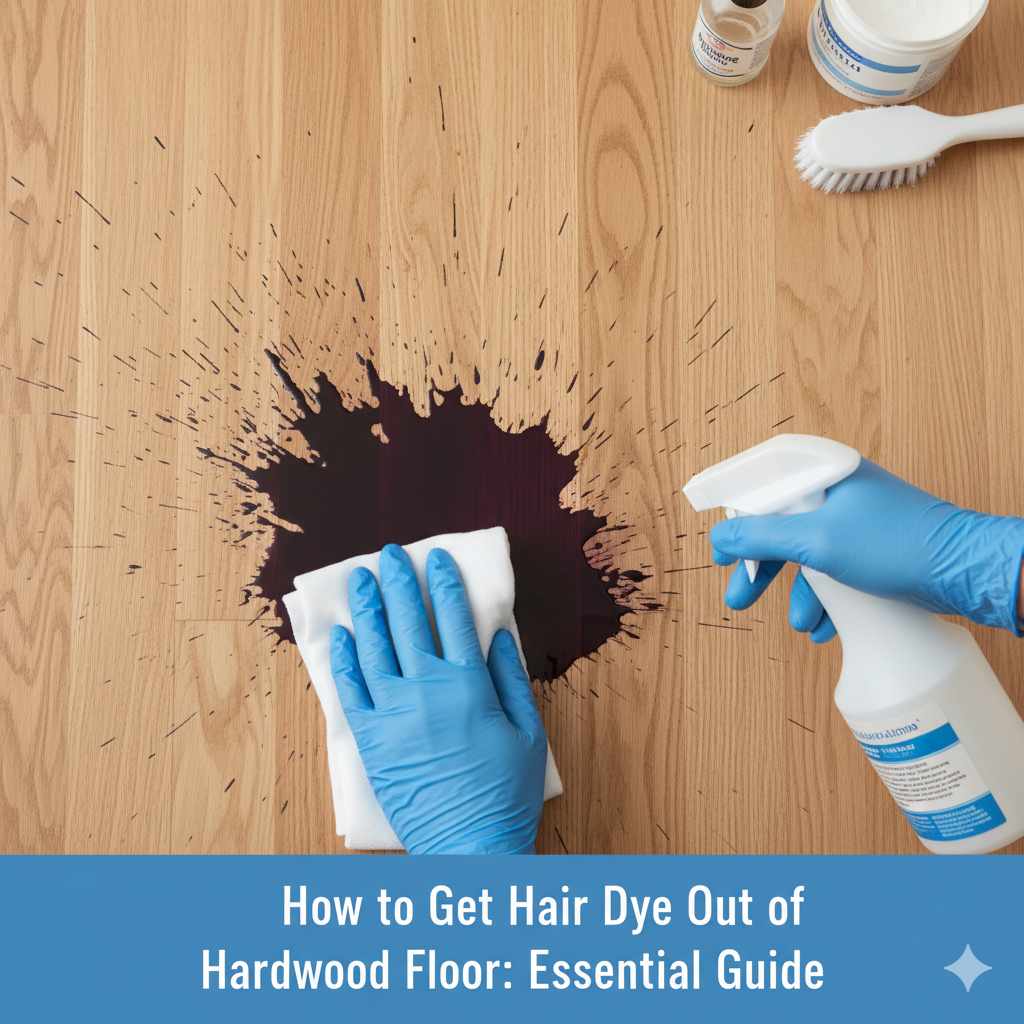
Removing hair dye from hardwood floors is manageable! Several gentle methods using common household items can lift stains. Start with the least abrasive option, like mild soap and water, and progress to more targeted solutions if needed, always testing in an inconspicuous spot first to protect your floor’s finish.
Oh no, a hair dye spill! It’s a common mishap many of us have faced, especially if you’re a regular at-home hair coloring enthusiast. Seeing that vibrant dye seep into the beautiful grain of your hardwood floors can send a chill down your spine. But don’t worry, fellow DIYers! As your woodworking mentor, I’m here to tell you that this isn’t a lost cause. With a few simple steps and the right approach, we can tackle this challenge together. We’ll walk through safe and effective ways to lift those stubborn dye stains, so your floors can look their best again. Let’s get your floors back to their original glory!
Understanding Hair Dye Stains on Hardwood
Hair dye, especially permanent varieties, contains pigments and chemicals designed to bind to hair. When this spills onto a hardwood floor, those same pigments can latch onto the porous surface of the wood. The type of finish on your hardwood floor plays a significant role in how the stain penetrates. A polyurethane or a similar surface finish acts as a protective barrier, making the stain sit on top and easier to remove. However, if the finish is worn, damaged, or you have an oil-finished or unfinished floor, the dye can soak in much deeper, making removal more challenging.
Understanding this is the first step. It tells us that acting quickly is crucial. The longer the dye sits, the more time it has to bond with the wood’s surface or even penetrate the finish. Different types of dyes (permanent, semi-permanent, temporary) can also behave differently. Permanent dyes are typically the most difficult to remove, while temporary dyes might come out with simpler methods. We’ll cover a range of solutions, starting with the gentlest and moving to more potent ones, ensuring we preserve the beauty and integrity of your hardwood.
Essential Tools and Materials
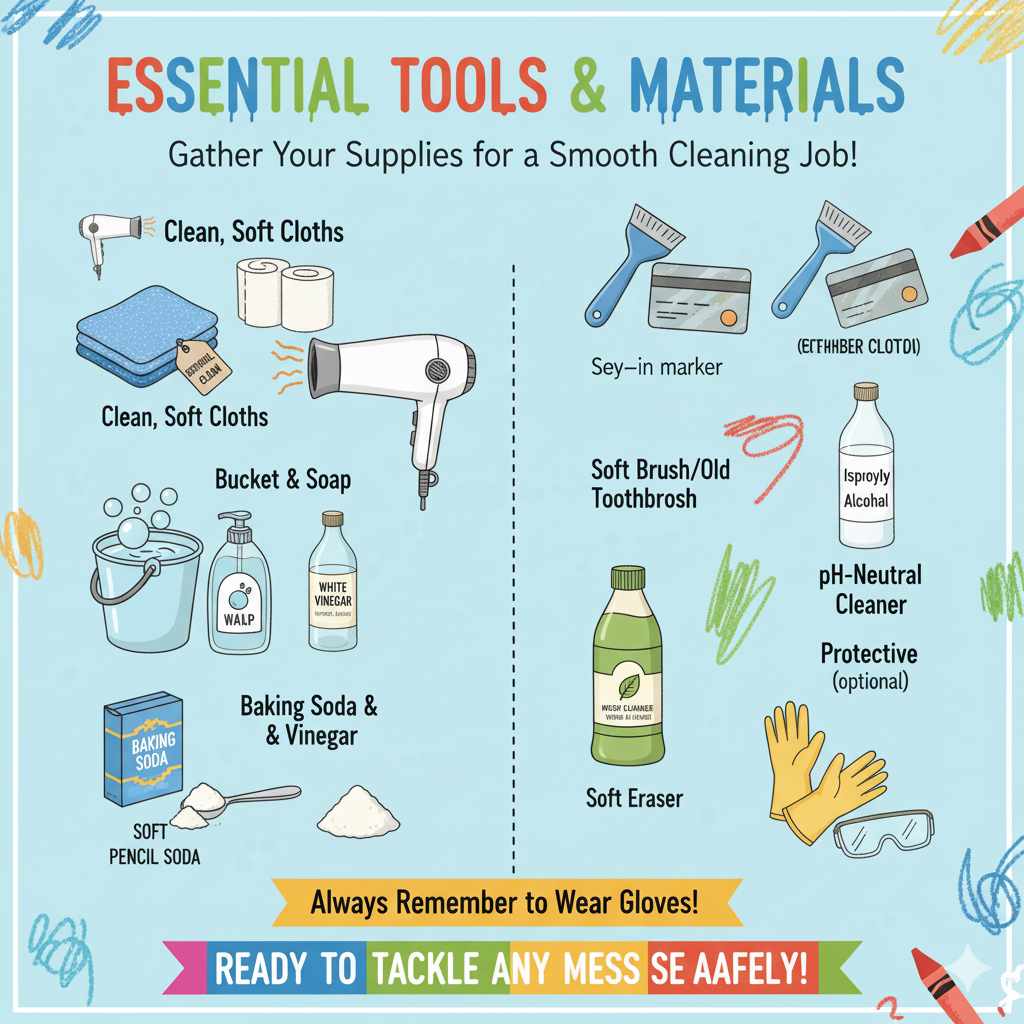
Before we dive into the cleaning process, let’s gather what you’ll need. Having everything ready makes the job smoother and less stressful. These are common items you likely have around the house, which is perfect for our budget-friendly DIY approach.
- Clean, soft cloths (microfiber is excellent)
- Paper towels
- A bucket or bowl
- Mild dish soap
- Warm water
- Baking soda
- White vinegar
- Rubbing alcohol (isopropyl alcohol)
- A soft-bristled brush or an old toothbrush
- Wood floor cleaner (specifically designed for your floor type)
- A pH-neutral cleaner (optional, but good for delicate finishes)
- Protective gloves
- Eyewear (optional, for added safety)
Always remember to wear gloves when working with cleaning solutions, especially those containing alcohol or vinegar, to protect your skin. And if you’re unsure about your floor’s finish, it’s always wise to have some extra caution.
Step-by-Step Guide: How to Get Hair Dye Out of Hardwood Floor
Here’s the action plan. We’ll move from the gentlest methods to slightly stronger ones. The key is patience and not scrubbing too aggressively, which could damage your floor’s finish.
Step 1: Act Fast and Blot the Excess
The moment you notice the spill, grab a clean, dry cloth or paper towel and gently blot up as much of the excess dye as possible. Do not wipe, as this can spread the stain further and push it deeper into the wood. Blotting helps lift the surface dye without working it into the surrounding area. If the dye is still wet, this step can make a huge difference in how much you have to clean later.
For larger spills, you might need several cloths. Keep turning the cloth to a clean section as you blot to avoid reapplying the dye. This initial blotting is your first line of defense and can significantly reduce the severity of the stain.
Step 2: Mild Soap and Water – The First Line of Defense
For many fresh or minor dye stains, a simple solution of mild dish soap and warm water can do the trick. This is the gentlest cleaning agent and least likely to harm your floor’s finish.
- Mix a few drops of mild dish soap into a bucket of warm water.
- Dip a clean, soft cloth into the soapy water. Wring it out thoroughly so the cloth is damp, not soaking wet. Excess water can be detrimental to hardwood floors, so this is crucial.
- Gently wipe the stained area with the damp cloth. Work from the outside of the stain inward to avoid spreading it.
- Rinse the cloth frequently in the soapy water and wring it out well.
- After cleaning, use a separate clean, damp cloth (rinsed in plain water) to wipe away any soap residue.
- Immediately dry the area thoroughly with a dry, soft cloth.
This method is excellent for water-based or semi-permanent dyes that haven’t had much time to set. It’s always best to start here to see if your problem can be solved with the mildest approach.
Step 3: Baking Soda Paste – For Slightly Stubborn Stains
If the soap and water method didn’t completely remove the stain, a baking soda paste can be your next step. Baking soda is a mild abrasive that can help lift stains without being overly harsh, provided it’s used correctly.
- In a small bowl, mix baking soda with just enough warm water to form a thick paste. It should be the consistency of toothpaste.
- Apply the paste directly to the hair dye stain.
- Let the paste sit on the stain for about 5–10 minutes.
- Using a soft-bristled brush or an old toothbrush, gently scrub the stained area in a circular motion. Apply minimal pressure.
- Wipe away the paste with a damp cloth.
- Rinse the area with a clean, damp cloth to remove all baking soda residue
- Dry the area thoroughly with a clean, dry cloth.
Remember to test this in an inconspicuous area of your floor first to ensure it doesn’t dull the finish. If you notice any dulling, stop immediately and rinse thoroughly.
Step 4: White Vinegar Solution – A Mild Acidic Approach
White vinegar is acidic and can help break down certain types of stains. However, it can also dull the finish on some hardwood floors, so this method requires caution and a thorough test run.
- Mix equal parts white vinegar and warm water in a bucket.
- Dampen a soft cloth with the vinegar solution, wringing it out very well.
- Gently blot or wipe the stained area. Avoid excessive rubbing.
- Let it sit for a minute or two, but don’t let it dry on the floor.
- Wipe the area with a clean cloth dampened with plain water to neutralize the vinegar.
- Dry the floor thoroughly with a soft, dry cloth.
It’s crucial to rinse away the vinegar completely with plain water. If your floor has a delicate or waxed finish, you might want to skip this step or dilute the vinegar even further. For more information on handling different wood finishes, resources from the Wood Floor Business can offer insights into protecting and maintaining various coatings.
Step 5: Rubbing Alcohol (Isopropyl Alcohol) – For Persistent Stains
Rubbing alcohol can be quite effective at dissolving tough stains, including some hair dyes. However, alcohol can strip finishes from wood, so this is a method to use with extreme care, and only on finishes that can tolerate it or in very small, controlled applications.
- Dip a cotton ball or the corner of a soft cloth into rubbing alcohol (70% isopropyl alcohol is usually sufficient).
- Gently dab the stained area. Do not soak the wood.
- Work quickly, dabbing the stain until it starts to lift.
- Immediately wipe the area with a clean, damp cloth to remove the alcohol.
- Dry the spot thoroughly with a soft, dry cloth.
Be very sparing with alcohol. If you see the finish softening or lifting, stop immediately. Always test this in a hidden area first! For a more in-depth understanding of wood treatments and finishes, the Forest Products Laboratory (FPL), a branch of the U.S. Forest Service, offers comprehensive research on wood properties and finishes.
Step 6: Commercial Wood Floor Cleaner – When in Doubt
If you’ve tried the DIY methods and the stain persists, a good quality commercial wood floor cleaner designed for your type of flooring might be the next best option. These cleaners are formulated to be safe for wood finishes.
- Read the product instructions carefully.
- Ensure the cleaner is suitable for your specific hardwood floor finish (e.g., polyurethane, wax, oil).
- Apply a small amount to a clean cloth, not directly to the floor.
- Gently work on the stain according to the product’s directions.
- Follow up by rinsing with a damp cloth and drying thoroughly.
Using a cleaner specifically made for hardwood floors can provide targeted cleaning power without risking damage. Always prioritize products that maintain the integrity of your wood’s seal.
Step 7: Professional Refinishing – The Last Resort
In rare cases, if the dye has deeply penetrated the wood and damaged the finish beyond repair, you may need to consider professional refinishing. This is the most involved solution, but it will restore your floor to its original beauty.
A professional can assess the damage and determine the best course of action, which might involve sanding down the affected area or the entire floor and applying a new finish. While this is a more costly option, it guarantees a flawless result for severely stained floors.
What NOT to Do When Removing Hair Dye
Just as important as knowing what to do is understanding what to avoid. Here are some common mistakes that can turn a small problem into a bigger one:
- Don’t use harsh chemicals: Avoid abrasive cleaners, bleach, ammonia, or strong solvents. These can damage the wood finish, discolor the wood itself, or create dull spots.
- Don’t use excessive water: Hardwood floors and a lot of water don’t mix well. Too much moisture can cause the wood to swell, warp, or lead to long-term damage.
- Don’t scrub aggressively: Vigorous scrubbing, especially with rough materials like steel wool, can scratch and remove the protective finish, leaving your floor vulnerable.
- Don’t use colored cloths: If the dye is stubborn, uncolored cloths are essential to ensure you’re not transferring dye from the cloth to the floor.
- Don’t ignore the finish type: Different finishes react differently to cleaning agents. Always consider what kind of finish you have before applying any solution.
Testing Cleaning Solutions: A Crucial Safety Measure
Before you apply any cleaning solution to the visible stain, always perform a patch test. This is non-negotiable for protecting your beautiful hardwood floors. Here’s how to do it:
- Choose an inconspicuous area of your hardwood floor. This could be inside a closet, under a rug, or in a corner that doesn’t get much traffic.
- Apply a small amount of the cleaning solution you plan to use to this hidden spot.
- Let it sit for the recommended time, or for at least as long as you plan to let it sit on the actual stain.
- Wipe the area clean with a damp cloth and then dry it thoroughly.
- Inspect the spot carefully. Look for any signs of discoloration, dulling of the finish, or damage to the wood itself.
If you notice any adverse effects, do not proceed with using that solution on the visible spill. Move on to a gentler method or consult a professional. This simple step can save you from making a costly mistake.
Maintaining Your Hardwood Floors After Cleaning
Once you’ve successfully removed the hair dye, it’s a good idea to give your floor a little TLC. This helps ensure the finish is protected and the area blends in seamlessly with the rest of your floor.
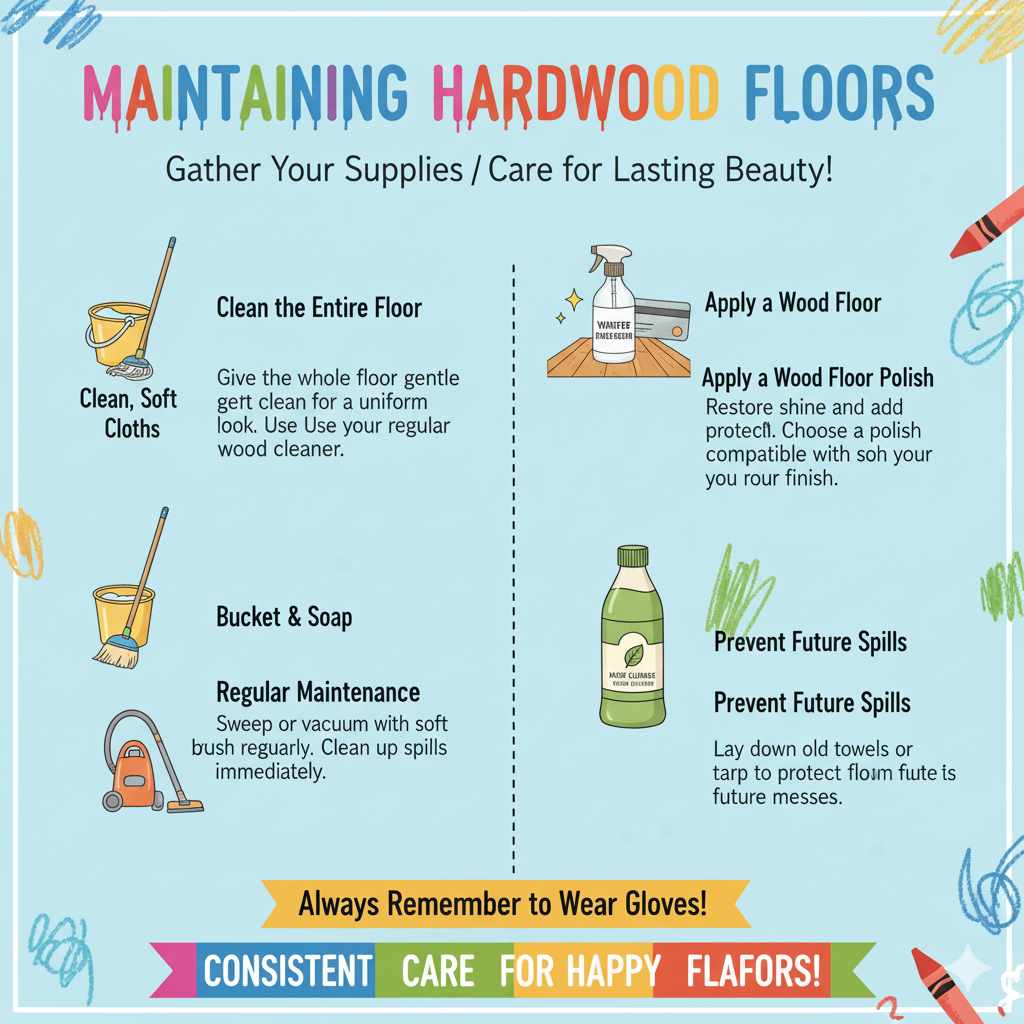
- Clean the Entire Floor: Consider giving your entire floor a gentle clean with your regular wood floor cleaner to ensure a uniform appearance.
- Apply a Wood Floor Polish (Optional): If your floor’s finish seems a bit dull after cleaning, a good quality wood floor polish can help restore some shine and add an extra layer of protection. Always choose a polish compatible with your floor’s finish.
- Regular Maintenance: Continue with your regular hardwood floor maintenance routine. This includes sweeping or vacuuming with a soft brush attachment regularly and cleaning spills immediately.
- Prevent Future Spills: When coloring your hair at home, lay down old towels or a tarp around your workstation to catch any drips and protect your floors from future accidents.
Consistent care and maintenance are the best ways to keep your hardwood floors looking beautiful for years to come.
FAQ: Your Hair Dye Stain Questions Answered
Q1: How quickly should I clean up a hair dye spill?
A1: It’s best to clean up hair dye spills immediately. The longer the dye sits, the deeper it can penetrate the wood and the harder it will be to remove. Acting fast is key!
Q2: Can I use nail polish remover to get hair dye out of hardwood?
A2: Generally, no. Nail polish remover is a strong solvent and can easily damage or strip the finish from hardwood floors, leaving behind a dull or discolored spot. It’s usually too harsh for wood finishes.
Q3: My hair dye stain is old and set in. What’s my best bet?
A3: For old, set-in stains, you might need to progress through the cleaning steps more rigorously. Start with baking soda paste, then white vinegar solution, and finally rubbing alcohol, always testing each step in an inconspicuous area. If these don’t work, professional refinishing might be necessary.
Q4: Will cleaning hair dye damage my floor’s finish?
A4: There’s always a risk, especially with harsher methods or if you scrub too hard. The key is to start with the gentlest method and work your way up, always testing first. Avoid abrasive scrubbers and strong chemicals. If you have a delicate finish like wax, be extra cautious.
Q5: What if I have a light-colored hardwood floor and the dye stained it dark?
A5: Light-colored floors can show dark dye stains prominently. The methods described above are still applicable. Patience and gentle scrubbing are vital. Sometimes, very light stains can be lifted with a specialized wood floor cleaner that contains a mild bleaching agent, but this should be used with extreme caution and tested thoroughly, as it can alter wood color.
Q6: Should I use a specific wood floor cleaner, or will any cleaner work?
A6: It’s highly recommended to use a cleaner specifically formulated for hardwood floors. These cleaners are designed to be pH-neutral or balanced for wood and won’t strip finishes. Using general household cleaners can sometimes be too harsh or leave residues that damage the floor over time.
Q7: What if the stain is still there after trying everything?
A7: If you’ve exhausted all safe DIY methods and the stain remains, it’s time to call in the professionals. A flooring specialist or a woodworking expert can assess the damage and recommend options like sanding and refinishing, which can fully restore your floor.
Conclusion
Dealing with a hair dye spill on your hardwood floor can be a moment of panic, but as we’ve explored, it’s a challenge that can almost always be overcome with the right approach. From quick blotting to using gentle, common household solutions, you have a toolkit at your disposal. Remember the golden rules: act fast, start with the mildest method, always test in an inconspicuous spot, and be patient. If DIY efforts hit a wall, don’t hesitate to seek professional help to restore your floor’s pristine condition.
By following these steps and understanding your floor’s finish, you can confidently tackle hair dye stains and keep your beautiful hardwood floors looking their best for years to come. Happy cleaning, and remember, a little care and the right technique go a long way in maintaining the craftsmanship of your home!