What Are the Best Cabot Stain Colors for Pine?
For pine, the safest Cabot stain colors are warm amber-browns, with semi-transparent or semi-solid opacity on most exterior projects. Skip very pale or grayish colors unless you want stronger grain contrast and possible yellowing. Wrong color or opacity can leave pine blotchy, pink, or oddly orange, especially on new lumber. This guide explains which Cabot color directions work best on pine, how opacity changes the result, and how to match the finish to decks, fences, and trim.
Matching warm stain colors to pine undertones

The best Cabot color directions for pine are warm browns, amber browns, and brown-red blends with enough depth to calm pine’s yellow, orange, or red cast. If you want the most predictable result, start with mid-tone wood colors instead of pale tints or cool grays, because pine often reads warmer after stain dries.
Which Cabot color directions usually work best on yellow, orange, and red pine?
Yellow pine usually takes warm brown tones best because they blend with the base color instead of fighting it. Orange pine often looks better with a brown-amber direction, while red pine usually needs a deeper brown or brown-red that reduces the red cast without pushing the board into muddy territory.
Use Cabot’s stain color selector on the product page when you want to narrow product type, opacity, and color family together. Cabot also provides a Color Visualizer for previewing finished color on exterior wood, which helps you compare Cabot stain directions before you commit to a full deck or fence.
When a natural wood tone is the safest choice
If you want pine to still look like pine, choose a natural-looking Cabot family with warm amber or light brown notes. That keeps grain visible and usually avoids the heavy color shift that can happen with darker or cooler stain choices. On bare pine, that is often the safest path.
Natural-looking does not mean colorless. A clear sealer can leave too much of pine’s uneven color exposed, while a light stain can still read patchy if the wood absorbs unevenly. For most exterior pine, a warm semi-transparent choice is safer than a fully clear finish.
When darker browns or gray-brown tones are a better fit
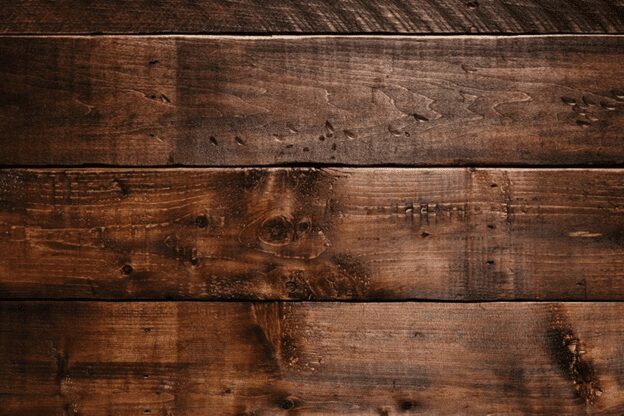
Darker brown or gray-brown Cabot colors make sense when you want to mute strong yellow or orange undertones, or when the project includes older boards with uneven color. They can also make weathered pine read more uniform. The tradeoff is simple: you gain tone control, but you lose some grain clarity.
Watch for muddy browns on pine. A very deep stain can flatten the wood and turn sapwood areas dull, while a cool gray-brown can shift toward green-gray on pine with strong yellow undertones. That is why the same Cabot color can look useful on one board and off on another.
How does pine change stain color?
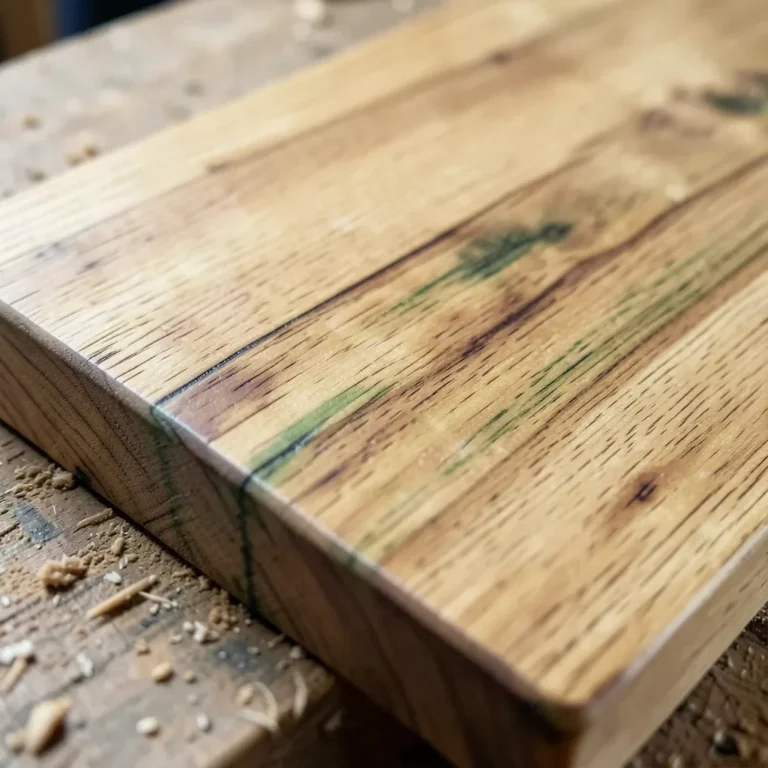
Pine changes stain color because it is a softwood with uneven absorption. Resin pockets, earlywood, and latewood do not take stain at the same rate, so the finish can come out blotchy or darker in some bands than others. Bare pine, aging pine, and previously stained pine all behave differently.
Why pine blotches when stain absorbs unevenly
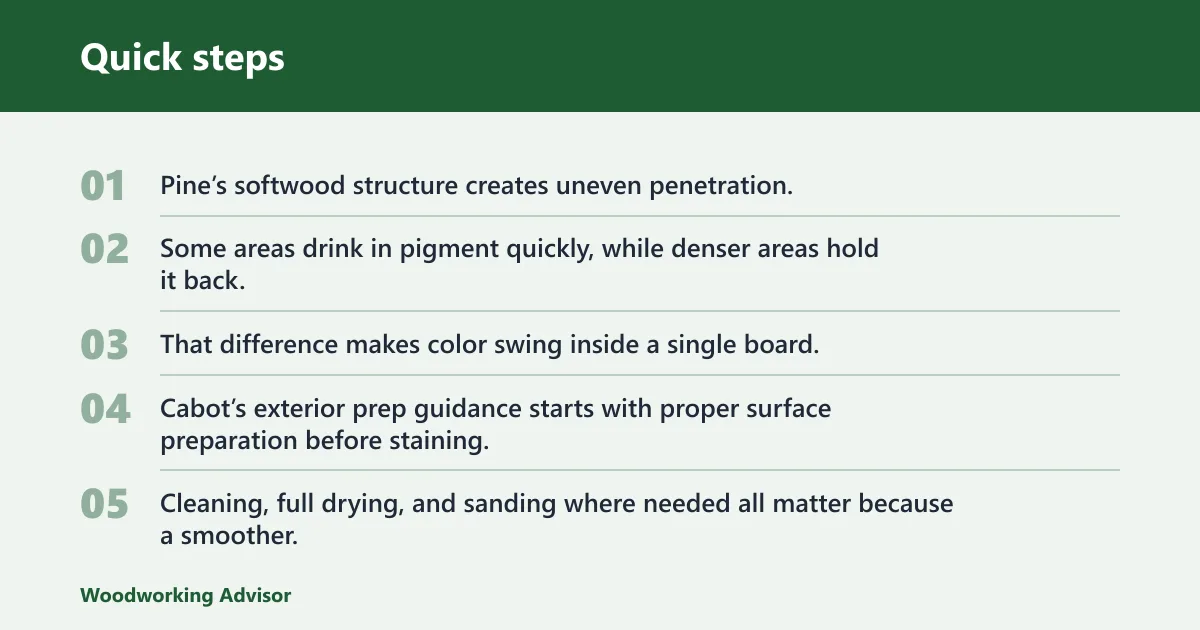
Pine’s softwood structure creates uneven penetration. Some areas drink in pigment quickly, while denser areas hold it back. That difference makes color swing inside a single board, especially when you use a light opacity or skip sanding in rough spots.
Cabot’s exterior prep guidance starts with proper surface preparation before staining. Cleaning, full drying, and sanding where needed all matter because a smoother, cleaner surface gives stain a better chance to penetrate more evenly. On pine, prep is part of color control, not an extra step.
How bare pine differs from previously stained pine
Bare pine usually shows the strongest undertone shift, because the new stain meets fresh wood directly. Previously stained pine can behave more like a tinted surface than raw lumber, so the new color may read deeper, cooler, or less even than expected. That is why a test board matters before you commit.
Suppose a 12-foot pine fence panel already has a faded brown coating. A new Cabot color that looked warm on bare sample pine may read darker and less orange on that older board, because the old finish changes absorption and color depth.
What undertone shifts to expect on exterior pine boards
On exterior pine boards, expect the final color to pull warmer than the lid color or digital preview in many cases. Yellow pine can turn richer gold, orange pine can look deeper brown-orange, and red pine can move toward rust-brown. Aging gray pine may need more color body to avoid a washed-out result.
A common first-timer mistake is choosing a gray-brown that looks balanced on screen and then applying it to yellow pine. The board can pick up a green-gray cast instead of the intended neutral look. That is not a Cabot problem alone; it is a pine undertone problem.
Cabot opacity for pine
Cabot’s opacity range matters as much as color. Cabot says its wood stain line offers color and opacity choices, and its homepage notes multiple opacities. On pine, clear, semi-transparent, and solid finishes each solve a different problem, so the right opacity depends on how much grain you want to see.
Clear and semi-transparent on pine grain
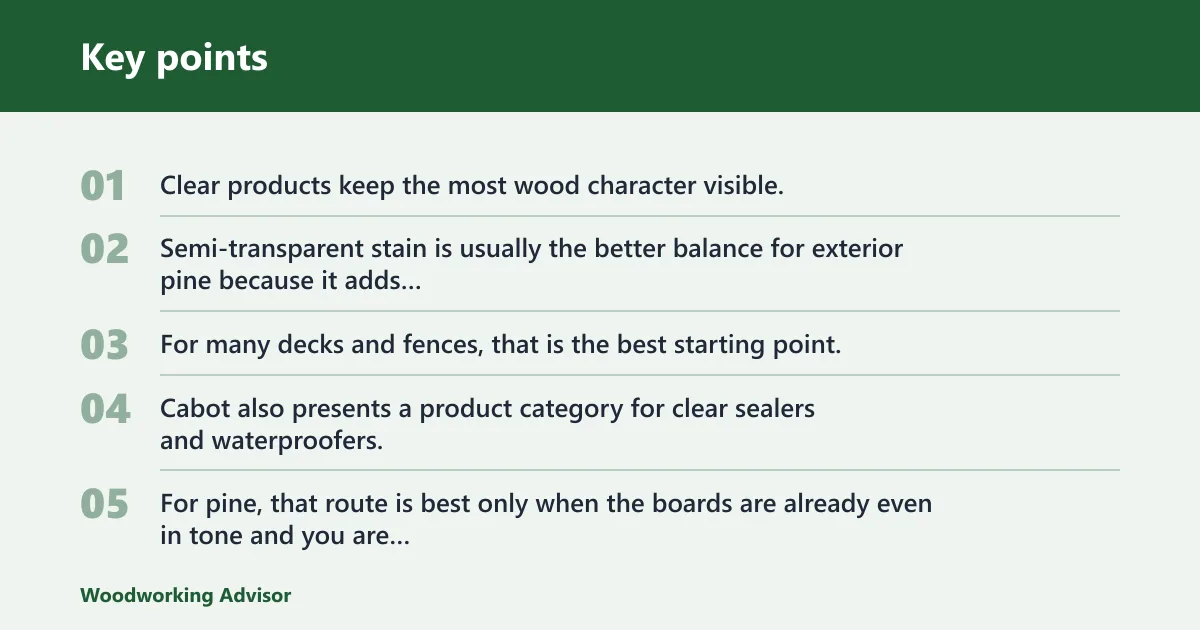
Clear products keep the most wood character visible, but they also reveal the most uneven color on pine. Semi-transparent stain is usually the better balance for exterior pine because it adds enough color to calm blotching while still showing grain. For many decks and fences, that is the best starting point.
Cabot also presents a product category for clear sealers and waterproofers, which makes sense when your goal is moisture control with very light color change. For pine, that route is best only when the boards are already even in tone and you are comfortable with visible grain contrast.
When solid stain helps control color problems
Solid stain is the strongest option for hiding pine’s color swings. It can reduce the look of yellow, orange, or red undertones and cover old color differences better than lighter opacities. It is often the safer choice when the surface is weathered, uneven, or previously finished.
The downside is simple: solid stain hides grain more completely. If you want pine to read like wood, a solid can go too far. Use it when color control matters more than open grain, such as on older fence boards or patchy trim.
How opacity changes grain visibility on decks, fences, and trim
Deck boards often work best with semi-transparent or semi-solid opacity, because heavier coverage can make the floor look painted. Fences can tolerate more opacity if the goal is uniformity. Trim usually needs the most careful balance, since it can look harsh if the finish is too opaque or too red.
| Project | Best opacity for pine | Why it fits |
|---|---|---|
| Deck boards | Semi-transparent to semi-solid | Helps even out tone while keeping wood character visible |
| Fences | Semi-transparent or solid | Better control for mixed boards and uneven weathering |
| Trim | Semi-transparent | Keeps detail visible without turning the surface flat |
Pine stain decision matrix
This decision matrix pairs pine tone problems with Cabot color direction and opacity choice. Use it as a quick filter before you buy, then confirm the result on a sample board. It is especially useful when you are comparing bare pine to older, previously stained lumber.
| Pine tone problem | Best-fit Cabot color family | Recommended opacity | Risk level | What failure to avoid |
|---|---|---|---|---|
| Yellow pine | Warm amber-brown | Semi-transparent or semi-solid | Medium | Cool gray tones that can read green-gray |
| Orange pine | Brown-amber or medium brown | Semi-transparent | Medium | Light stains that let orange show through too strongly |
| Red pine | Deeper brown or brown-red | Semi-solid or solid | High | Muddy browns that make the board look flat |
| Aging gray pine | Medium brown with warm undertone | Semi-solid or solid | Medium | Very light colors that leave weathering unevenly visible |
| Previously stained pine | Mid-to-deep brown family | Semi-solid or solid | High | Expecting a light opacity to cover old color shifts |
Should you use a Cabot visualizer?
Yes, but only as a first pass. The Cabot stain color selector helps narrow product, stain type, and color family on Cabot product pages, and the Color Visualizer can preview exterior wood color before you buy. Neither tool replaces an actual test board on your pine.
How the Cabot stain color selector narrows product and color choices
The selector is useful because it helps you sort by project needs instead of browsing every color at once. That matters on pine, where the product type and opacity often matter as much as the shade name. Start by matching exterior use, then narrow to the color family that fits the pine undertone.
How the Cabot Color Visualizer can preview exterior wood color
The visualizer can help you compare warm browns, neutral browns, and deeper tones before you open a can. That is useful for outdoor wood because lighting changes how pine reads across a porch, deck, or fence line. It is best for narrowing choices, not making the final call.
Why test boards still matter after using digital tools
Digital tools cannot show how your exact pine board will absorb stain. Test boards can. A sample cut from the same lumber bundle tells you more about blotching, undertone shift, and grain visibility than any screen preview. Test on the actual project wood whenever possible.
- Clean the pine and let it dry fully.
- Sand rough areas so absorption is more even.
- Apply the Cabot color you are considering to a test board.
- Let the sample dry completely before judging the color.
- Check it in shade and direct light before coating the whole project.
Cabot products that fit pine
Cabot has several exterior wood products that can fit pine, but each one solves a different problem. For decks, outdoor boards, or older surfaces, match the product to the substrate first. Then choose color and opacity to control pine’s undertone and grain visibility.
Australian Timber Oil for decks and outdoor wood
Australian Timber Oil is Cabot’s triple-oil protection option and is positioned for outdoor decks. That makes it a practical choice when you want a warm finish on pine with good penetration and a traditional wood look. It suits projects where grain should stay visible.
For pine deck boards, this is often the Cabot option to compare first if you want color depth without jumping to a full solid stain. Pair it with a warm semi-transparent family to avoid muddy color shifts.
Cabot Gold for a warmer exterior floor look
Cabot Gold is marketed with dual-UV protection and is aimed at a hardwood-floor look outdoors. On pine, that means it can help create a more refined, warmer floor appearance when you want the boards to read cleaner and more finished than a standard deck stain might allow.
Cabot says Cabot Gold resists cracking, peeling, scuffing, and scratching. That makes it worth considering for surfaces that see regular foot traffic, but the color still needs to fit pine’s undertone. Use a warmer family so the board does not swing orange or flat brown.
DeckCorrect for older but sound decks
DeckCorrect is a roll-on product for older decks that are structurally sound. It is a practical Cabot choice when the deck surface is weathered and you need more color control than a light stain can give. The roll-on format also suits bigger deck areas where speed matters.
DeckCorrect makes the most sense when the deck has visible wear but does not need replacement. If the wood is sound and the goal is to even out color, it can help cover pine’s patchy look better than a lighter finish.
Frequently asked questions
What are the best Cabot stain colors for pine?
The best Cabot stain colors for pine are warm amber-browns, medium browns, and brown-red families that calm yellow, orange, or red undertones. On most exterior pine projects, semi-transparent or semi-solid opacity gives the best mix of grain visibility and color control without making the wood look painted.
What Cabot stain looks most natural on pine?
The most natural look usually comes from a warm, medium amber-brown in a semi-transparent opacity. That keeps the pine visible while softening harsh undertones. Very light colors can look patchy, and very dark colors can flatten the wood, so the middle ground is usually the safest choice.
Which Cabot stain color hides pine’s yellow tone best?
Warm brown and brown-amber colors usually hide yellow pine best because they move with the base color instead of creating contrast. A cool gray or pale tone can leave the yellow showing through or even create a green-gray cast. For stronger correction, move toward semi-solid or solid opacity.
What Cabot stain color works for pine deck boards?
For pine deck boards, choose a warm brown family with semi-transparent or semi-solid opacity. That combination gives you enough color body to tame blotching while still keeping the deck looking like wood. Australian Timber Oil is worth comparing first for outdoor deck use.
Should I choose a solid or semi-transparent Cabot stain for pine?
Choose semi-transparent if you want visible grain and some natural movement in the wood. Choose solid if the pine is blotchy, weathered, or previously stained and you need stronger color correction. Semi-transparent is often the better first choice for new pine; solid is safer for problem surfaces.
How do I test Cabot stain colors on pine before buying?
Use a scrap from the same pine board if possible, then apply the same prep and stain method you plan to use on the project. Let it dry fully before judging the color. The Cabot Color Visualizer can narrow choices, but a real test board is still the most reliable step.
What Cabot stain color matches cedar-toned pine?
Cedar-toned pine usually looks best with a warm brown-red or amber-brown family that leans slightly red without becoming orange. The goal is to support the cedar-like warmth already in the wood. A medium semi-transparent stain is usually better than a pale or cool tone for this look.
Sponsored / affiliate links. As an Amazon Associate I earn from qualifying purchases. I may earn additional commission from eligible campaigns.