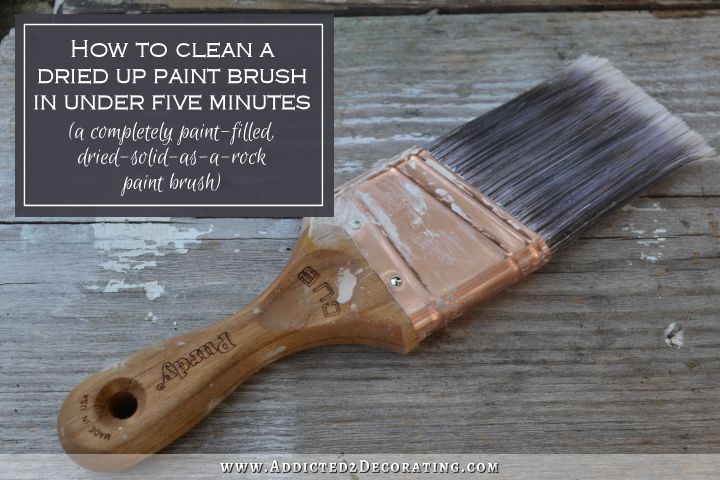
How to Remove Dried Paint From Brushes and Rollers (Fast)
Soak the brush or roller in warm soapy water (or a specialized cleaner) for 15-30 minutes, then work the dried paint out with a wire brush comb — don’t just scrub, comb from the base of the bristles outward.
Latex paint softens with warm water and dish soap; oil-based paint needs mineral spirits or a dedicated paint-brush cleaner instead. Either way, the trick isn’t soaking longer — it’s combing the softened paint out mechanically once it’s loosened. Here’s the full step-by-step for both paint types.
Essential Tools For Cleaning
Best Brush Cleaner Pick
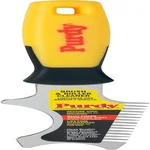 |
Purdy Contractor Brush & Roller Cleaner A stiff rust-resistant comb and scraper in one tool, built to work dried paint out of bristles fast.
|
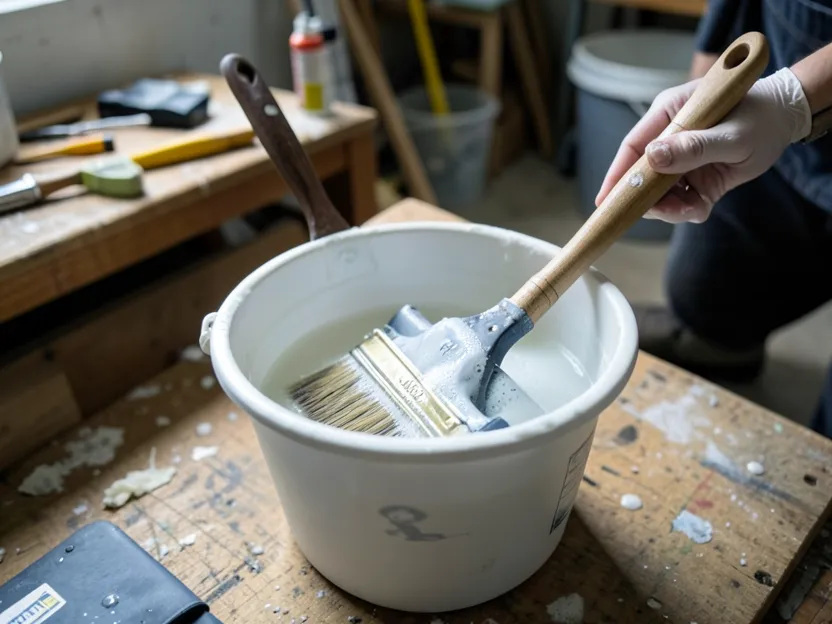
The tools that actually matter here are a metal-toothed brush comb (not a wire wheel — that’s too aggressive for bristles), a container deep enough to fully submerge the ferrule, and nitrile gloves rather than cotton ones, since mineral spirits soaks straight through cloth. A deep bucket works for oil-based cleanup where you need mineral spirits or a dedicated brush cleaner; a smaller basin is fine for latex paint, since dish soap and warm water handle it. If you’re working with mineral spirits or paint thinner, keep the area ventilated — the fumes build up fast in a closed garage.
Preparing The Work Area
Lay a drop cloth or a few flattened cardboard boxes under your work area first — combing out dried paint flings small flakes further than you’d expect, and dried latex chips don’t lift easily off carpet. If you’re using mineral spirits, work near an open window or garage door, since the vapors are heavier than air and settle into poorly ventilated corners. Diluted soapy water from latex cleanup can go down most municipal drains, but used mineral spirits and the rags soaked in it belong in a sealed metal container — oily rags balled up in a trash bag are a genuine spontaneous-combustion risk, not just a theoretical one.
Softening Dried Paint
Easily remove dried paint from brushes and rollers with vinegar or soapy water. Soak them for 30 minutes. Gently scrub away the softened paint for clean, reusable tools.
Using Water And Soap
This works for latex and acrylic paint, not oil-based. Fill a container with water as warm as your tap gets — not boiling, which can set some latex formulations instead of loosening them — and add a squirt of dish soap, a mild degreaser that cuts through the paint’s binder. Submerge the bristles or nap fully and let them sit for 15-20 minutes; the water will start clouding as paint lifts off. Work the bristles between your fingers every few minutes rather than waiting passively for the full soak — the mechanical agitation does more than the soaking alone.
Applying Paint Thinner
Water and soap won’t touch oil-based paint. For that you need mineral spirits (the odorless kind works as well as regular and smells far less aggressive) or a dedicated product. Pour just enough into a jar to cover the bristles, dip and swirl for 30 seconds, then wipe the loosened paint off with a rag before dipping again — reusing the same thinner without wiping just redeposits paint back onto the bristles. Two or three dip-and-wipe cycles usually clears a brush that’s sat a day or two; paint that’s fully cured for a week or more needs the longer soak-and-comb approach instead.
Cleaning Brushes
A natural or synthetic bristle brush holds up to repeated soak-and-comb cycles better than most people expect. Submerge just the bristles — not the ferrule glue joint, which can loosen with prolonged soaking — in warm soapy water for latex or mineral spirits for oil paint, then work a metal-toothed comb from the base of the bristles toward the tip; combing the other direction just packs loosened paint back down near the ferrule. Rinse under running water until it runs clear, reshape the bristles with your fingers, and lay the brush flat or hang it bristle-down to dry — standing it bristle-up in a jar while wet lets water run into the ferrule and soften the glue over time.
Foam brushes tear if you comb them, so skip the comb entirely. Swirl the foam in warm water and repeatedly squeeze it between your fingers like a sponge — that squeezing action is what actually pushes paint out of the foam’s open cells, not the soaking. Most craft-store foam brushes cost a dollar or two, so once the foam has started to compress or tear after a few cleanings, replacing it costs less than the time spent trying to salvage it.
Cleaning Rollers
A roller nap holds far more paint than it looks like it does, so plan on more soak time than a brush needs — 20-30 minutes minimum for latex, longer for anything that’s sat more than a day. After soaking, run a 5-in-1 tool or the back edge of a butter knife along the nap to squeeze out softened paint before rinsing, then finish under running water, rolling the cover against the tub wall or a stiff brush to work water all the way through the nap rather than just across the surface. A roller that still releases color when squeezed after rinsing needs another soak cycle, not more scrubbing.
The roller frame — the wire cage and handle — rarely needs more than a wipe-down with a damp rag, since paint mostly gets on it from drips rather than direct contact. If paint has dried onto the wire cage itself, a plastic scrub pad clears it without scratching the frame’s coating the way a wire brush would.
Preventing Future Build-up
Eliminate dried paint from brushes and rollers by soaking them in warm, soapy water. Gently scrape off the remaining paint with a brush comb or an old toothbrush. Regular cleaning prevents future build-up, ensuring your tools remain efficient for upcoming projects.
Proper Storage Tips
How you store a brush matters almost as much as how you clean it. Hanging bristles-down — through a hole drilled in the handle, or a clip — keeps the bristles straight under their own weight instead of bending against a shelf, which is what causes the permanent curve you see in old neglected brushes. Roller covers should stand on end rather than lie flat, since resting the roller’s weight on one flattened side leaves a permanent dent in the nap that shows up as a stripe in your next paint job. A cardboard brush sleeve, the one it came in or a rolled-up sheet of the same, keeps dust out between uses.
Regular Maintenance Practices
The habit that saves the most tools is cleaning within the hour, not at the end of the day. Latex paint that’s been drying for 20 minutes still wipes and rinses out easily; the same paint at the two-hour mark has already started forming a skin that needs real scrubbing to break through. If you can’t get to cleanup right away, wrapping a brush or roller tightly in plastic wrap and setting it in the fridge keeps the paint workable for several hours — that trick stops working once the paint has actually dried, which is when you’re back to soaking and combing.
Handling Stubborn Paint Residue
Commercial paint removers use stronger solvents than dish soap or standard mineral spirits, and they’re worth reaching for once a tool has sat dried for more than a few days. Follow the ventilation instructions on the label specifically — some of these are strong enough that the fumes alone can cause headaches in an enclosed bathroom or closet, not just a garage.
Vinegar and baking soda are the two household options worth trying before buying a specialty product. Heat white vinegar until it’s hot but not boiling, soak the brush for about an hour, then comb — the acetic acid softens dried latex almost as well as a store-bought remover, though it does nothing for oil-based paint. Baking soda dissolved in boiling water works on the same principle for stubborn latex residue, but treat the boiling-water step with real caution; a splash of boiling water is a worse injury than the paint you’re trying to remove.
Frequently Asked Questions
How To Get Old Dried Paint Out Of Brushes?
Remove dried paint by soaking brushes in vinegar for an hour. Then, rinse with warm water. Use a comb to remove stubborn paint particles. Repeat if necessary for thorough cleaning. Store brushes properly to prevent future drying.
How To Get Dried Paint Out Of A Rolling Paint Brush?
Soak the roller in warm, soapy water for 30 minutes. Use a brush comb to loosen dried paint. Rinse thoroughly and let it dry. For stubborn paint, use a brush cleaner or mineral spirits. Always wear gloves and work in a well-ventilated area for safety.
Can You Save A Paint Brush With Dried Paint?
Yes, you can save a paint brush with dried paint. Soak the brush in vinegar or paint thinner. Use a comb or brush cleaning tool to remove the softened paint. Rinse thoroughly with warm, soapy water. Let the brush dry completely before storing it.
Does White Vinegar Remove Paint From Brushes?
Yes, white vinegar can remove paint from brushes. Soak the brush in vinegar for an hour. Rinse with warm water. This method works best for water-based paints. For stubborn stains, repeat the process. Vinegar is a natural and affordable cleaning solution.
Conclusion
The fastest path to clean tools is still the simplest one: soap and warm water within the hour for latex, mineral spirits for oil-based paint, and a comb to do the mechanical work soaking alone can’t finish. A $10 brush cleaned properly after every use will outlast a $30 brush that gets left to dry solid a few times — the bristles themselves rarely wear out before neglect ruins them.
Sponsored / affiliate links. As an Amazon Associate I earn from qualifying purchases. I may earn additional commission from eligible campaigns.