How to Identify Mahogany Wood: Expert Tips & Tricks
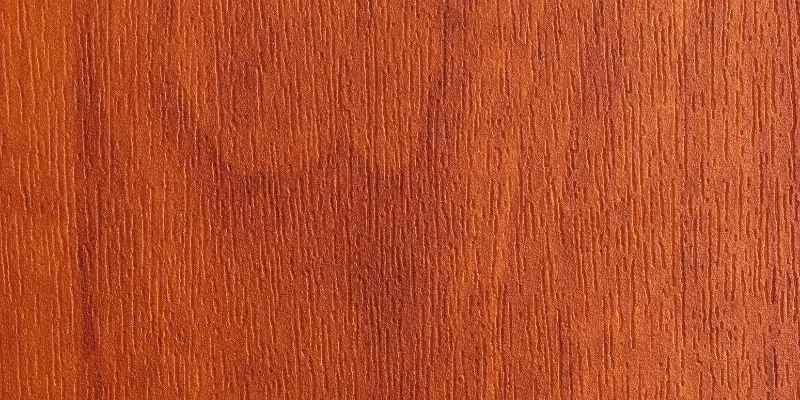
To identify mahogany wood, look for its rich reddish-brown color and straight, fine grain. A distinct sweet aroma often accompanies mahogany, setting it apart from other woods.
Mahogany is a highly sought-after hardwood known for its beauty and durability. Originating from tropical regions, this wood has been prized for centuries in furniture making and cabinetry. Its warm, rich tones add elegance to any space. Mahogany also boasts excellent workability, making it a favorite among carpenters and woodworkers.
Unique grain patterns enhance its visual appeal, ensuring each piece is one-of-a-kind. Understanding how to identify mahogany can help you choose quality materials for your projects. Whether for crafting or home décor, recognizing this wood’s characteristics is essential for any woodworking enthusiast.
Introduction To Mahogany Wood
Mahogany wood is highly sought after for its beauty and durability. This rich, reddish-brown timber has a long history in furniture making and craftsmanship. Understanding its unique features helps in identifying authentic mahogany.
Characteristics Of Mahogany
Mahogany has several distinct characteristics:
- Color: Deep reddish-brown hue.
- Grain: Straight, fine, and even texture.
- Weight: Dense and heavy.
- Durability: Resistant to rot and insects.
- Workability: Easy to cut and shape.
These features make mahogany a popular choice for high-quality furniture and cabinetry.
Historical Significance
Mahogany wood has a rich history dating back centuries. It was first discovered in Central America. European colonists prized it for its beauty and strength.
In the 18th and 19th centuries, mahogany became a symbol of luxury. Many famous pieces of furniture were crafted from this wood. Mahogany has played a vital role in craftsmanship.
Today, it remains a favorite among woodworkers and artisans. Sustainable sourcing is crucial to preserve this precious resource.
Types Of Mahogany
Identifying different types of mahogany wood is essential. Each type has unique features. Knowing these differences helps in selecting the right wood for your project.
Genuine Mahogany
Genuine mahogany, also known as Swietenia macrophylla, is highly valued. This type comes from Central and South America. It has a rich, reddish-brown color that deepens over time.
- Characteristics:
- Fine, straight grain.
- Durable and resistant to decay.
- Excellent for furniture and cabinetry.
- Uses:
- High-end furniture.
- Musical instruments.
- Boat building.
African Mahogany
African mahogany is sourced from various African trees. It is often less expensive than genuine mahogany. The color ranges from light brown to dark reddish-brown.
| Feature | Description |
|---|---|
| Grain Pattern | Interlocked with a medium texture. |
| Durability | Moderately durable; good resistance to rot. |
| Common Uses | Furniture, doors, and cabinetry. |
Philippine Mahogany
Philippine mahogany is a term for several species. It is popular in the Philippines and Southeast Asia. The wood is light and easy to work with.
- Characteristics:
- Lightweight and flexible.
- Reddish-brown to yellowish-brown color.
- Often has a straight grain.
- Uses:
- Boat building.
- Low-cost furniture.
- Interior trim and paneling.
Physical Properties
Identifying Mahogany wood relies heavily on its unique physical properties. Understanding these characteristics helps in distinguishing it from other woods.
Color Variations
Mahogany wood showcases a range of beautiful colors. The heartwood is typically a rich reddish-brown, while the sapwood is lighter, often yellowish or white.
- Heartwood: Reddish-brown to deep mahogany
- Sapwood: Pale yellow to white
- Color darkens with age and exposure to light
Grain Patterns
The grain of Mahogany wood is distinct and captivating. It often features a straight grain, but can also show waves or interlocking patterns.
- Straight grain: Common and easy to identify
- Wavy or interlocked grain: Less common, adds uniqueness
- Fine texture: Smooth surface ideal for finishing
Density And Hardness
Mahogany is known for its impressive density and hardness. This makes it durable and suitable for furniture and cabinetry.
| Property | Value |
|---|---|
| Density | 32-40 LBS/ft³ |
| Janka Hardness Rating | 1,500 LBS |
These properties contribute to Mahogany’s strength and longevity. It resists wear and tear effectively.
Assessing Wood Quality
Identifying mahogany wood requires careful assessment of its quality. Quality determines durability and appearance. Use these methods for a reliable evaluation.
Visual Inspection
Start with a visual inspection. Look for these key features:
- Color: Mahogany has a rich, reddish-brown hue.
- Grain: It shows straight, fine grain patterns.
- Knots: Few to no knots indicate higher quality.
- Finish: A smooth finish suggests good craftsmanship.
Compare with images of authentic mahogany. This helps spot differences. Fake mahogany often looks dull or has irregular patterns.
Touch And Texture
Next, consider the touch and texture. Feel the wood surface:
- Softness: Real mahogany feels smooth and warm.
- Weight: It is heavier than many other woods.
- Density: A dense feel indicates quality.
Run your hand over the wood. Look for any rough spots. These can signal poor quality or fake wood.
Smell Test
The smell test can also help identify mahogany. Fresh mahogany has a sweet, pleasant scent. It stands out from other woods:
- Odor: Distinctive, sweet aroma.
- Comparison: Other woods may smell musty or bland.
Sniff the wood closely. If it lacks a sweet smell, it may not be mahogany.
Differentiating Mahogany
Identifying mahogany wood can be tricky. Many woods look similar. Knowing the key features helps. This section covers how to differentiate mahogany from other types of wood.
Comparing With Other Woods
Mahogany has unique characteristics. Here’s how it compares with other woods:
| Wood Type | Color | Grain Pattern | Weight |
|---|---|---|---|
| Mahogany | Rich reddish-brown | Straight to interlocked | Medium weight |
| Cherry | Light pink to dark red | Straight | Light weight |
| Walnut | Dark brown | Wavy and irregular | Heavy weight |
| Oak | Yellow to brown | Open grain | Heavy weight |
Common Misidentifications
Many people confuse mahogany with other woods. Here are common misidentifications:
- Cherry: Has a lighter color and straight grain.
- Teak: Often has a yellowish hue and coarse texture.
- Walnut: Darker and heavier than mahogany.
- Birch: Lighter in color and has a more pronounced grain.
Use these tips to avoid confusion:
- Check the color. Mahogany is a deep reddish-brown.
- Look at the grain pattern. Mahogany often has an interlocked grain.
- Feel the weight. Mahogany is medium in weight.
- Examine the finish. Mahogany has a smooth, polished look.
Understanding these differences helps in identifying mahogany wood accurately.
Tools For Identification
Identifying mahogany wood requires specific tools. These tools help you confirm the wood type accurately. Use the right tools for a better assessment.
Use Of A Magnifying Glass
A magnifying glass is essential for detailed examination. It reveals the wood’s grain pattern and color variations. Mahogany typically shows:
- Straight grain
- Medium to coarse texture
- Rich reddish-brown color
Look for small pores in the grain. Mahogany wood has distinctive pores that set it apart from other woods.
Moisture Meters
Moisture meters measure the wood’s moisture content. This tool helps determine the wood’s condition. Proper moisture content is crucial for identifying mahogany.
| Moisture Content (%) | Wood Condition |
|---|---|
| Below 8% | Dry and stable |
| 8% – 12% | Acceptable for use |
| Above 12% | Risk of warping |
Ideal moisture content for mahogany is below 12%. Use this tool to ensure the wood is in good shape.
Expert Techniques
Identifying mahogany wood requires specific techniques. Experts use methods that ensure accurate identification. Here are two effective techniques: the cut test and chemical testing.
Cut Test
The cut test is a straightforward method. Here’s how to perform it:
- Take a small sample of the wood.
- Make a shallow cut on the surface.
- Observe the color and grain pattern.
Mahogany typically shows:
- Rich reddish-brown color
- Straight grain with occasional wavy patterns
- Fine texture that feels smooth
Remember, the color may vary in different lighting. Always check natural light for best results.
Chemical Testing
Chemical testing provides a more scientific approach. Use these common chemicals:
| Chemical | Reaction with Mahogany |
|---|---|
| Acetic Acid | Darkens the wood slightly |
| Ammonium Hydroxide | Causes a reddish tint |
Follow these steps for chemical testing:
- Apply a drop of the chemical on the wood.
- Wait a few minutes for the reaction.
- Observe any color changes.
These changes help confirm mahogany identification. Always handle chemicals with care.
Maintaining Mahogany Wood
Proper maintenance keeps mahogany wood beautiful and durable. Regular care prevents damage and enhances its natural beauty. Follow these simple steps for the best results.
Cleaning Practices
Cleaning mahogany wood requires gentle methods. Use these tips for effective cleaning:
- Dust with a soft, dry cloth.
- Use a damp cloth for sticky spots.
- Avoid harsh chemicals or abrasive cleaners.
- Clean spills immediately to prevent stains.
For deeper cleaning, consider a mild soap solution:
- Mix a few drops of mild soap with warm water.
- Soak a cloth in the solution.
- Wring out the cloth well.
- Wipe the surface gently.
- Rinse the cloth and wipe again with clean water.
Always dry the wood after cleaning to prevent moisture damage.
Polishing And Finishing
Polishing enhances the shine of mahogany wood. Use high-quality wood polish for best results. Follow these steps:
- Choose a polish that is suitable for wood surfaces.
- Apply polish with a soft cloth in circular motions.
- Let the polish dry according to the manufacturer’s instructions.
- Buff with a clean cloth for extra shine.
For finishing, consider these options:
| Finish Type | Description |
|---|---|
| Varnish | Durable and water-resistant. |
| Oil | Penetrates deeply and nourishes the wood. |
| Lacquer | Quick-drying with a high gloss finish. |
Choose a finish based on your desired look and protection level. Regular polishing and finishing keep mahogany wood looking its best.
Legal And Ethical Considerations
Identifying mahogany wood requires understanding its legal and ethical implications. Many countries regulate the trade of mahogany. Following these rules protects the environment and ensures fair practices.
Cites Regulations
The Convention on International Trade in Endangered Species (CITES) oversees mahogany trade. It classifies mahogany under Appendix II. This means:
- Trade is allowed but controlled.
- Export permits are needed.
- Endangered species protection is essential.
Check CITES regulations before purchasing mahogany. This ensures you buy legally sourced wood. Non-compliance can lead to fines and legal issues.
Sustainable Sourcing
Sustainable sourcing of mahogany is crucial. It helps maintain forest ecosystems. Here are ways to ensure sustainable practices:
- Choose certified wood products.
- Look for FSC or PEFC labels.
- Support local and responsible suppliers.
Buying sustainable mahogany wood promotes responsible forestry. This protects biodiversity and supports local communities.
Consider the source of your mahogany. Ethical choices lead to a healthier planet.
Frequently Asked Questions
How Can I Tell If Wood Is Mahogany?
To identify mahogany wood, look for its rich reddish-brown color and fine grain patterns. Mahogany typically has a straight grain, but can also display a wavy or interlocked texture. Additionally, its weight is heavier compared to other woods, which further helps in identification.
What Are The Main Characteristics Of Mahogany Wood?
Mahogany wood is known for its durability, natural resistance to decay, and stunning appearance. Its color deepens over time, enhancing its beauty. Mahogany is also easy to work with, making it a popular choice for furniture and cabinetry due to its workability and smooth finish.
Is Mahogany Wood Expensive?
Yes, mahogany wood is generally considered expensive due to its quality, rarity, and demand. The cost can vary significantly based on the source and grade of the wood. However, its durability and aesthetic appeal often justify the investment for high-quality furniture and products.
What Types Of Mahogany Are Available?
There are several types of mahogany, including African, Honduran, and Philippine mahogany. Each type has unique characteristics in terms of color, grain, and density. Honduran mahogany is often favored for its rich color and fine grain, while African mahogany is known for its affordability and availability.
Conclusion
Identifying mahogany wood is essential for quality woodworking and furniture selection. Remember to check color, grain patterns, and weight. Knowing these characteristics can help you make informed decisions. With practice, recognizing authentic mahogany becomes easier. This knowledge ensures you choose the best materials for your projects and investments.