Mahogany Wood Boxes: How to Tell Real Mahogany From a Stained Look-Alike
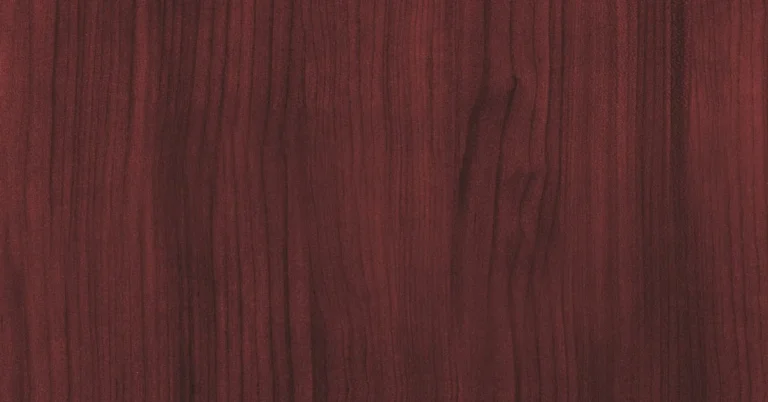
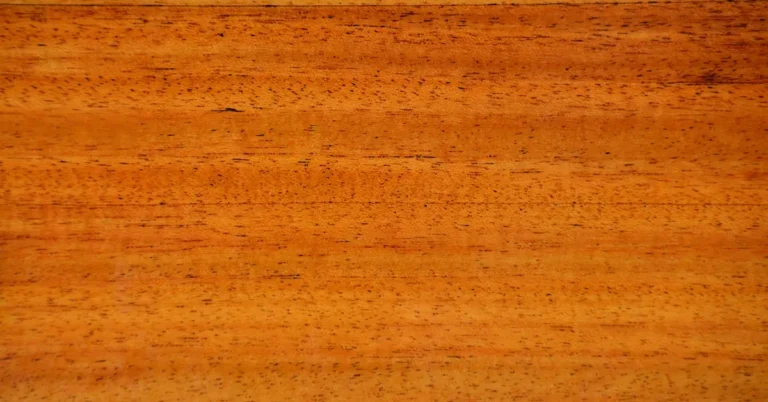
A lot of boxes sold as “mahogany” are actually pine, rubberwood, or MDF finished with a reddish-brown stain to look like mahogany — not genuine mahogany at all. Genuine mahogany (Swietenia or African Khaya species) has a distinct reddish-brown color, fine straight grain, and a Janka hardness around 800-900 lbf, meaningfully harder and more rot-resistant than the softwoods commonly used for stained look-alikes.
How To Tell Real Mahogany From A Stained Substitute
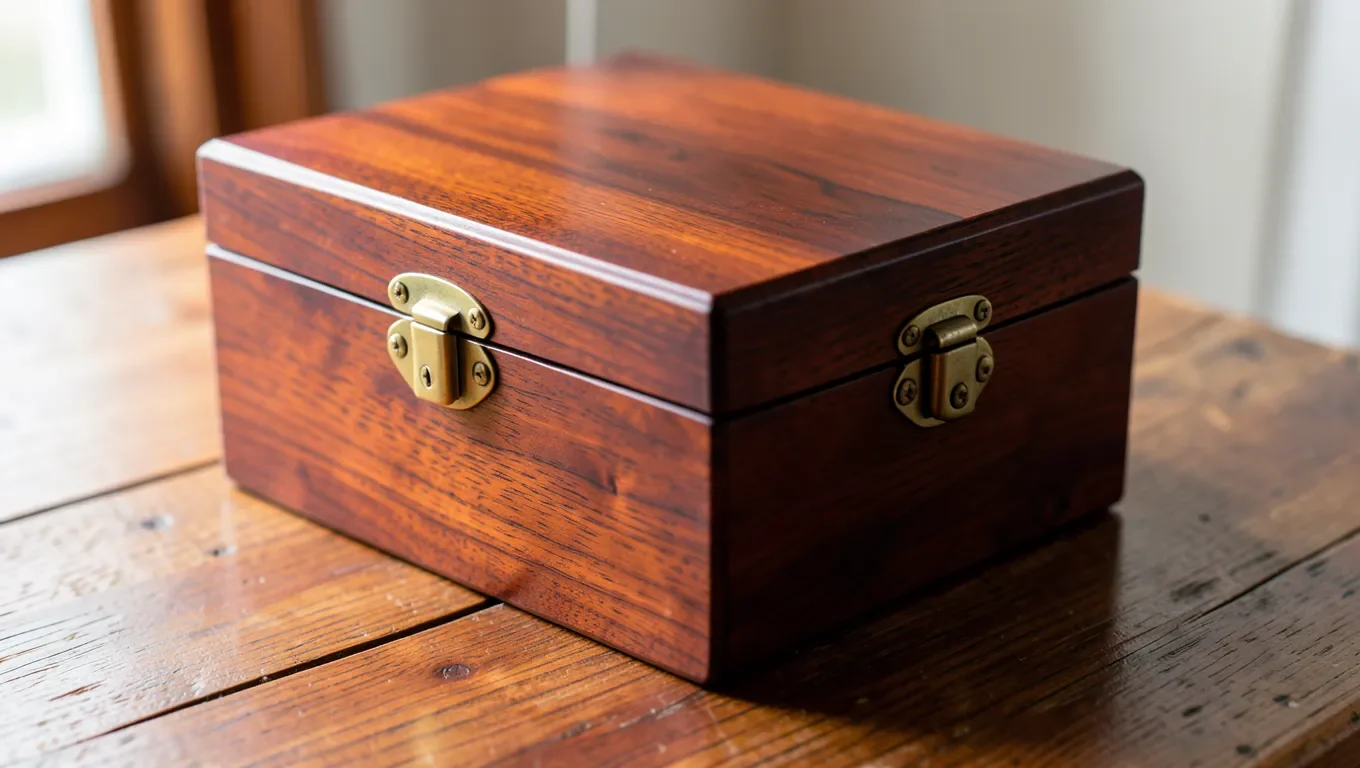
A Genuine Mahogany Box
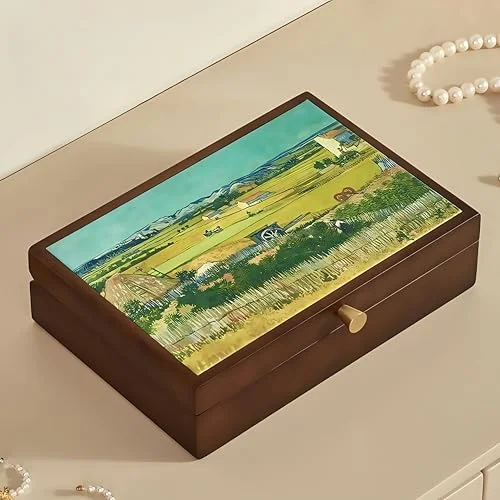 |
Lucycy Mahogany Solid Wood Jewelry Box – $55.90 Listed and sold as genuine mahogany, not a stained substitute — a real example of what to look for.
|
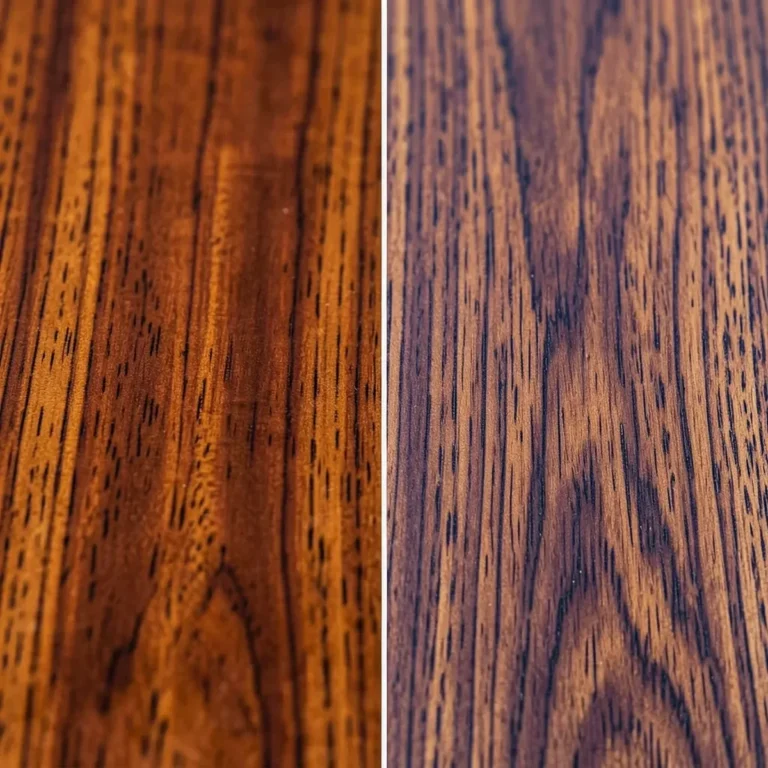
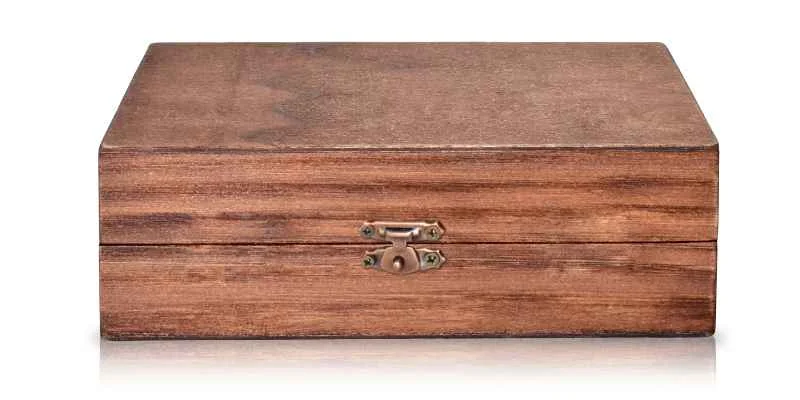
Check the listing or label for the actual species name, not just the color name — “mahogany finish” or “mahogany stain” on a listing is a direct admission the box is a different wood colored to match. Genuine mahogany also shows a fine, straight, slightly interlocked grain under close inspection, while a stained pine or rubberwood box usually shows visible pale sapwood streaks or an inconsistent, blotchy stain absorption the stain can’t fully hide. Since 2003, true mahogany (Swietenia genus) has been listed under CITES Appendix II, so a reputable seller of genuine mahogany can usually speak to sourcing — a stained substitute has no such paper trail because it doesn’t need one.
Why The Distinction Actually Matters
A stained substitute isn’t automatically a bad box — it can still look attractive and hold up fine for light use. But it won’t share mahogany’s real advantages: genuine mahogany resists warping and cracking better because of its tighter, more stable grain structure, and its color deepens naturally with age and light exposure rather than fading unevenly the way a surface stain does over years of handling. If durability and long-term color are the reason you’re paying more for a “mahogany” box, verifying the actual species is worth the extra minute before buying.
How Genuine Mahogany Boxes Are Actually Built
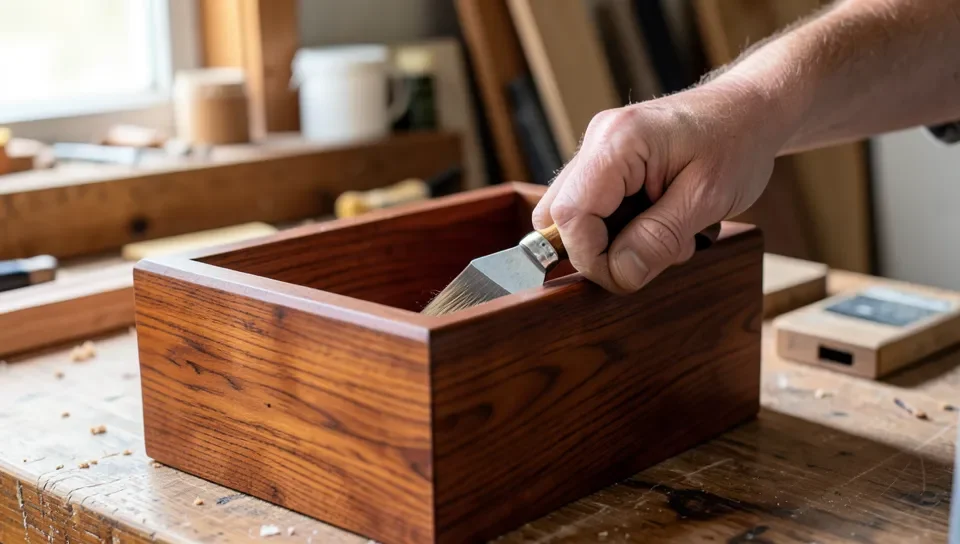
Quality construction shows up in the joinery, not just the wood species. Look for real dovetail or box-joint corners rather than glued butt joints or staples — interlocking joints keep the box square and prevent the corners from separating as the wood naturally expands and contracts with seasonal humidity changes. A well-made box also uses a finish (oil, wax, or a thin lacquer) that lets the wood’s own grain and color show through, rather than a heavy opaque stain that’s doing the work the wood itself should be doing.
African Vs. Honduran Mahogany: Does It Matter For A Box?
“Genuine mahogany” isn’t one single species — the name covers both American/Honduran mahogany (Swietenia macrophylla) and African mahogany (Khaya species), and small boxes are made from both. Honduran mahogany tends toward a deeper, more uniform reddish-brown and a tighter grain, historically the wood prized for fine furniture and musical instruments. African mahogany runs a shade lighter with more visible ribbon-striping in the grain, and it’s generally the more affordable of the two since it isn’t CITES-restricted the way Swietenia is. Neither is “fake” — both are real mahogany with real durability, so a listing naming either species is a legitimate box; it’s only the vague “mahogany finish” or “mahogany-style” wording that signals a stain job on a different wood.
What A Genuine Mahogany Box Actually Costs
A small genuine solid-mahogany box typically runs somewhere in the $40-$200 range depending on size, joinery quality, and any added features like a mirror, lock, or velvet lining — a simple unlined box sits at the low end, while a larger multi-drawer jewelry organizer with real dovetail joints and a fitted lining sits higher. A price well under that range on something explicitly labeled “solid mahogany” is worth a second look at the actual material description before buying, since real mahogany lumber costs meaningfully more than pine or rubberwood to begin with, and that cost has to show up somewhere in the retail price.
Practical Uses
A small mahogany box’s tight grain and moderate rot resistance (similar to the durability covered in our broader mahogany wood properties guide) make it well-suited to protecting whatever’s stored inside from humidity swings, which is exactly why it’s a common choice for jewelry, watches, important documents, and keepsakes meant to be handed down. Its small size means wood movement from humidity is far less of a concern than on furniture-sized pieces — a real practical advantage over solid mahogany tables or cabinets, which need more careful humidity control.
- Jewelry storage: a lined interior protects rings, chains, and watches from scratches and tarnish-causing air exposure
- Keepsake/memory box: photos, letters, and small mementos stay protected from light and dust
- Gift presentation: a genuine mahogany box reads as a real, lasting gift rather than disposable packaging
Caring For A Mahogany Box
Keep it out of direct sunlight — UV exposure will fade any wood finish over time, mahogany included, even though the wood itself resists other forms of damage well. Dust with a soft, dry cloth, and if you want to refresh the finish, a small amount of paste wax or furniture oil applied sparingly and buffed off restores the shine without building up a cloudy residue. Avoid ammonia-based or abrasive cleaners, which can strip or dull the finish on a lacquered or oiled box.
Common Buying Mistakes
A few specific mistakes account for most of the disappointment people report with “mahogany” boxes after they arrive:
- Trusting the product photo alone: professional photography and lighting can make any reddish-stained wood look convincingly like mahogany — the material listed in the specs, not the photo, is the reliable signal.
- Assuming “wood” means solid wood: some listings say “wood” in the material field but are actually MDF or plywood with a wood veneer — look specifically for “solid mahogany” or the species name, not just “wood.”
- Ignoring the weight in reviews: genuine solid mahogany is noticeably heavier than MDF or particleboard of the same size — reviewers who mention the box feeling light or hollow are flagging a real red flag worth reading before buying.
- Skipping the return window: if the wood grain and weight don’t match what a genuine mahogany box should look and feel like once it arrives, use the return window rather than assuming it’s normal variation.
Frequently Asked Questions
How do I know if a box is real mahogany or just stained to look like it?
Check the listing for the actual species name, not just the color. “Mahogany finish” or “mahogany stain” means it’s a different wood colored to match. Genuine mahogany also shows fine, even, straight grain rather than the blotchy absorption typical of stained softwood.
Is a mahogany box worth paying more for?
If durability and long-term color retention matter to you, yes — genuine mahogany resists warping and fades far more evenly than a stained substitute. If you just want the look for light, short-term use, a well-made stained box can be a reasonable lower-cost option.
What’s the best way to store a mahogany box long-term?
Keep it out of direct sunlight and away from heating vents or damp basements. Because it’s small, humidity swings matter far less than they do for furniture-sized mahogany pieces, but stable conditions still keep the finish looking its best.
Is African mahogany or Honduran mahogany better for a box?
Both are genuine mahogany with real durability. Honduran mahogany has a deeper, more uniform color and tighter grain and typically costs more; African mahogany runs slightly lighter with more visible grain striping and is usually the more affordable option. Neither is a downgrade — it’s a matter of look and budget, not authenticity.
How much should a real mahogany box cost?
Expect roughly $40-$200 for a small solid-mahogany box, depending on size and joinery. A very low price on something labeled “solid mahogany” is worth double-checking, since genuine mahogany lumber costs noticeably more than the pine or rubberwood used in stained look-alikes.
Conclusion
A genuine mahogany box is a real, lasting piece — but the market is full of stained substitutes wearing the same name. Checking the species, the grain, and the joinery before buying is the difference between getting what you’re actually paying for and getting a good-looking imitation. For a deeper look at how mahogany compares to another common decorative wood, see our cedar vs. mahogany comparison.
Sponsored / affiliate links. As an Amazon Associate I earn from qualifying purchases. I may earn additional commission from eligible campaigns.