How to Install Threshold Strip between Hardwood And Tile: Step-by-Step Guide
Are you tired of the unsightly gap between your hardwood floor and tile? Installing a threshold strip is a simple and effective solution that not only enhances the appearance of your flooring but also ensures a smooth transition from one room to another.
You might think this is a task best left to professionals, but with the right guidance, you can easily do it yourself. Imagine walking through your home without stumbling over uneven surfaces, enjoying a seamless flow from room to room.
We’ll guide you through the straightforward process of installing a threshold strip between hardwood and tile. You’ll discover the tools you need, the steps to follow, and some insider tips to make the installation a breeze. Get ready to transform your living space with just a little effort and a lot of satisfaction. Keep reading to learn how you can achieve a professional finish without breaking the bank!
Tools And Materials Needed
To install the threshold strip, you’ll need a few important tools. First, a measuring tapehelps you measure the gap between floors. A pencilis useful for marking spots. You will need a sawto cut the threshold strip to the right length. A drillis needed for making holes in the floor. Use screwsto hold the strip in place. Gather these toolsbefore starting.
Materials are also needed for this task. Get a threshold stripthat matches your floor style. Make sure it’s the right size. You may need adhesivefor extra hold. Keep a clean clothhandy to wipe away dust. These materialshelp in making your floor neat.

Credit: www.youtube.com
Preparing The Workspace
Start by removing all furnitureand items from the room. Sweep the floor to get rid of dirt and dust. It’s important to have a clean surfacefor the threshold strip. Mop the floor to make it shine. Ensure the surface is dry before moving to the next step. This avoids slipping while working.
Use a tape measure for this task. Measure the gap between the hardwood and tile. Note the exact measurement. This helps in choosing the right threshold strip. The strip should fit snugly in the gap. Double-check your measurements for accuracy. Precision is key for a perfect fit.
Choosing The Right Threshold Strip
Threshold strips come in different types. Some are made from wood, others from metal. Each type serves a unique purpose. Wood strips blend well with hardwood floors. Metal strips are sturdy and last long. Rubber strips offer a flexible option. They are great for uneven floors. Each type has pros and cons.
The material of the strip is crucial. Wood strips look natural. But they may not last long. Metal strips are strong but can be cold. Rubber strips are soft and safe. They help prevent slips. Consider the floor type before choosing. Match the strip with your floor. This ensures a smooth transition.
Cutting The Threshold Strip
Measuring for Accuracyis very important. First, get a tape measure. Measure the gap between the hardwood and tile. Write down the measurement. This will help you cut the strip correctly. Double-check your numbers. Mistakes can lead to a bad fit. Accuracy ensures a clean look.
Using the Right Toolsmakes the job easier. A saw is needed to cut the strip. Use a fine-toothed saw for a smooth cut. A pencil is handy for marking. Safety goggles protect your eyes. Tools matter for a successful project. Proper tools make the task quicker and safer.
Installing The Threshold Strip
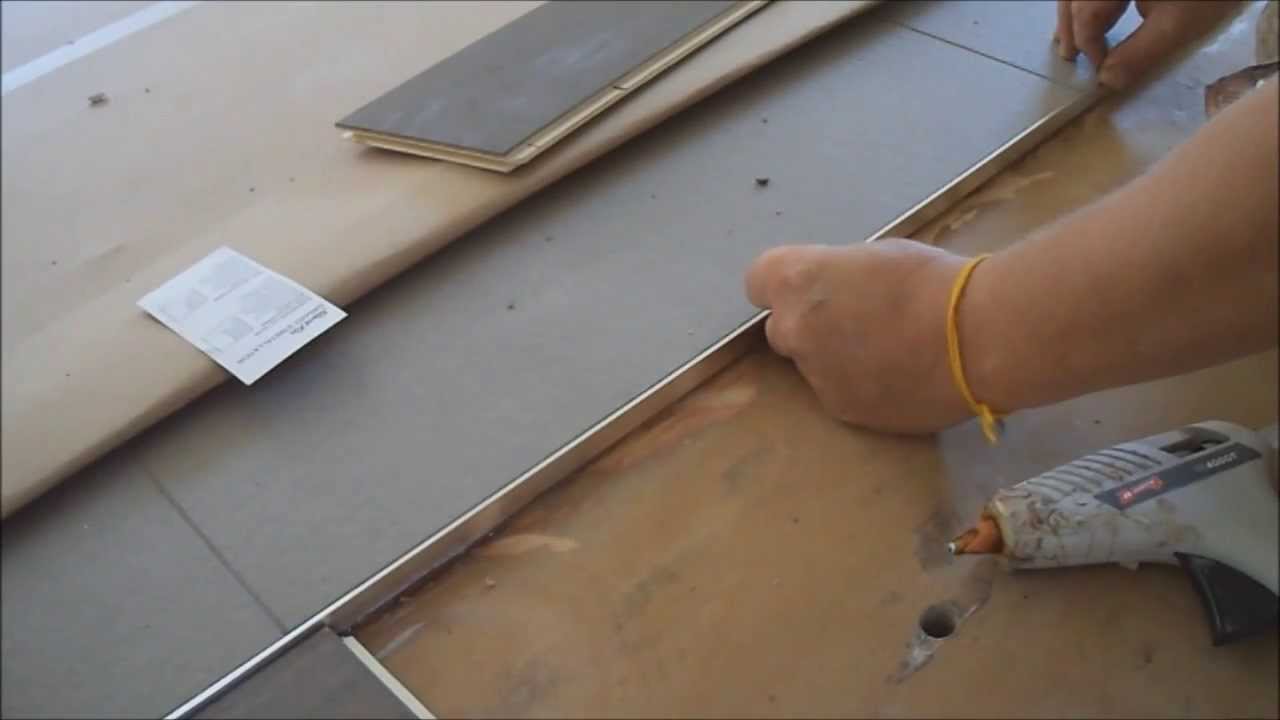
Place the threshold strip between the hardwood and tile. Make sure it fits well. Check if it is even on both sides. Adjust if needed. The strip should not wobble. It helps to mark the spot with a pencil. This ensures you remember the right place.
Use strong adhesive for the strip. Spread it evenly. Press the strip down firmly. Wait for it to stick. Or, use screws for a tighter hold. Drill small holes first. Then, insert the screws. Make sure they are tight. This keeps the strip in place.
Finishing Touches
Installing a threshold strip between hardwood and tile enhances the look and protects edges. Start by measuring the gap carefully. Then, choose a strip that matches both materials. Secure it properly using screws or adhesive for a seamless transition.
Sealing The Edges
Use a sealantto protect the edges. This stops water from going inside. Pick a sealant that matches the floor color. Apply the sealant evenly. Let it dry for a few hours.
Cleaning Up
After sealing, clean the area. Remove any extra sealant. Use a damp cloth to wipe. Make sure the strip looks neat. Check for any gaps or bumps. Fix them if needed. Keep the tools away safely.
Common Installation Mistakes
Uneven surfaces can cause problems. They make the floor look bad. Always check the floor level before starting. Use a level tool for this. It helps spot bumps or dips. Fix these before installing the strip. You can sand down high spots. Fill low spots with a filler. This ensures a smooth surface. A smooth surface makes installation easier. It also helps the strip last longer.
Proper alignment is key. The threshold strip must be straight. Use a ruler or straight edge to guide you. Mark the spots where the strip will sit. This helps keep it straight. Misalignment can cause the strip to look crooked. It can also cause gaps. Gaps can lead to tripping. Check the alignment before securing it. This step saves time and effort.
:max_bytes(150000):strip_icc()/guide-to-basic-floor-transition-strips-1821708_final-e76b87de6c174f20b9d8bbd6d8fc7afb.jpg)
Credit: www.thespruce.com
Maintenance Tips
Installing a threshold strip between hardwood and tile can prevent tripping hazards. Begin by measuring the gap, then cut the strip to fit. Secure it firmly with screws or adhesive for a seamless transition.
Regular Cleaning
Keep the threshold strip clean to make it last longer. Use a damp cloth to wipe away dirt and dust. Avoid using strong chemicals; they might damage the strip. Water spills can cause stains, so clean them quickly. Vacuum around the strip to remove small debris. This will help prevent scratches. Clean both sides of the strip for best results. Regular cleaning keeps the strip looking new.
Inspecting For Wear
Check the threshold strip often for signs of wear. Look for cracks, bends, or loose areas. These can cause safety problems. If you see damage, fix it fast. A damaged strip might need replacing. Keeping an eye on the strip helps you catch problems early. This means less hassle later on. Regular checks can save you time and money.

Credit: www.amazon.com
Frequently Asked Questions
What Tools Are Needed For Installation?
To install a threshold strip, you’ll need a measuring tape, saw, adhesive, and a screwdriver. Ensure you also have a pencil for marking measurements. These tools will help you cut, fit, and secure the strip properly between the hardwood and tile.
How Do I Measure For A Threshold Strip?
Start by measuring the width between the hardwood and tile. Measure the height difference between the surfaces too. Accurate measurements ensure the threshold strip fits seamlessly. Mark your measurements clearly before cutting the strip to size.
Can I Install A Threshold Strip Myself?
Yes, installing a threshold strip is a DIY-friendly task. With basic tools and careful measurements, most homeowners can complete it. Follow the instructions carefully, and ensure you have the right materials for a successful installation.
What Type Of Adhesive Should I Use?
Use a strong construction adhesive suitable for wood and tile surfaces. This ensures the threshold strip stays in place. Follow the adhesive manufacturer’s instructions for best results. Proper adhesion is crucial for a durable installation.
Conclusion
Installing a threshold strip is simple and enhances your floor’s look. Follow the steps carefully for a smooth transition between hardwood and tile. Measure accurately, cut the strip to fit, and secure it firmly. This small project can make a big difference in your home’s appearance.
Keep your tools handy and stay patient. Soon, you’ll enjoy a neat and attractive finish. Practice makes perfect, so don’t rush the process. Enjoy the satisfaction of a job well done. Your floor now looks seamless and professional. Happy installing!