
How to Join Thin Plywood: Expert Techniques Revealed
To join thin plywood, use wood glue and clamps. Apply a thin layer of glue on both surfaces, press them together, and secure with clamps until the glue dries.
This method ensures a strong and durable bond between the plywood pieces. Thin plywood is commonly used in various woodworking projects and can be easily joined using this simple technique. Thin plywood is a versatile material often used in woodworking projects due to its flexibility and lightweight nature.
Whether you’re building furniture, cabinetry, or decorative items, knowing how to join thin plywood is essential for achieving sturdy and seamless results. While there are various methods available, using wood glue and clamps is an effective and straightforward approach. By following a few simple steps, you can create a strong bond between the plywood pieces, ensuring the structural integrity of your project. We will explore the process of joining thin plywood using wood glue and clamps, enabling you to tackle your woodworking endeavors with confidence.
The Art Of Joining Thin Plywood
Joining thin plywood requires careful consideration and precise techniques to ensure a strong and seamless bond. In this article, we will explore the various aspects of joining thin plywood, from assessing plywood thickness to selecting the right type of plywood for your project. Let’s dive in!
Assessing Plywood Thickness
Before you begin the joining process, it is crucial to assess the thickness of the plywood you are working with. Thin plywood typically refers to plywood sheets that are less than 1/4 inch thick. By understanding the thickness of the plywood, you can determine the appropriate joining method and tools required.
Selecting The Right Plywood
Choosing the right type of plywood is essential for successful joinery. Consider the following factors when selecting plywood for your project:
- Grade: Ensure the plywood is of high quality and suitable for your intended use. Different grades have varying levels of imperfections and strength.
- Species: Select a plywood species that matches your project requirements in terms of appearance, durability, and workability. Common species include birch, oak, and maple.
- Thickness: As mentioned earlier, thin plywood is typically less than 1/4 inch thick. Ensure the plywood thickness is appropriate for your project’s needs.
By carefully assessing plywood thickness and selecting the right plywood, you are setting the foundation for a successful joinery process. Now, let’s explore some popular methods for joining thin plywood.

Essential Tools For Plywood Joinery
Cutting Tools
When it comes to joining thin plywood, having the right cutting tools is essential. A sharp utility knife or a precision hand saw is ideal for clean and precise cuts. Additionally, a rotary cutter can be used for curved or intricate designs.
Clamps And Presses
Clamps and presses are indispensable for holding thin plywood in place during the joining process. Bar clamps and C-clamps provide the necessary pressure for securing the pieces together, while a veneer press is useful for larger projects requiring uniform pressure distribution.
Adhesives And Fillers
Choosing the right adhesives and fillers is crucial for a strong and seamless plywood joint. Wood glue such as polyvinyl acetate (PVA) adhesive is commonly used for general plywood joinery, while cyanoacrylate (CA) glue is suitable for quick bonding. Wood filler can be utilized to fill in any gaps or imperfections for a smooth finish.
Preparation Steps Before Joining
Before joining thin plywood, ensure that the surface is clean and smooth. Apply wood glue evenly and press the plywood together firmly. Use clamps to hold the plywood in place while the glue dries for a strong and seamless join.
Surface Cleaning
Before joining thin plywood, ensure that the surfaces to be joined are clean and free of any dust, dirt, or debris. Use a clean, dry cloth to wipe down the surfaces and remove any loose particles. This will ensure a smooth and strong bond between the plywood pieces.
Alignment Checks
Once the surfaces are clean, perform alignment checks to ensure that the plywood pieces are properly positioned before joining. Check for any gaps or misalignments that could affect the strength and stability of the joint. This step is crucial for creating a seamless and sturdy connection between the plywood sheets.
Edge Joining Techniques
Edge joining techniques play a vital role in woodworking, especially when working with thin plywood. When it comes to joining two pieces of thin plywood, there are several methods available. In this blog post, we will discuss some of the most effective techniques used to join thin plywood at the edge.
Tongue And Groove Method
The tongue and groove method is one of the most common techniques used to join thin plywood. In this method, a groove is cut into one piece of plywood and a tongue is cut on the edge of the other piece. The tongue is then inserted into the groove, creating a strong joint. This method is particularly useful when you need to join several pieces of plywood together to create a larger panel.
Scarf Joint Method
The scarf joint method is another popular technique used to join thin plywood. This method involves cutting a tapered angle on each piece of plywood and then joining them together. The tapered angle helps to create a stronger joint by increasing the surface area of the joint. This method is particularly useful when joining two pieces of plywood at an angle, such as when creating a corner joint.
Butt Joint With Backer
The butt joint with backer method is a simple yet effective technique used to join thin plywood. In this method, a thin strip of plywood is placed behind the joint to provide extra support. The two pieces of plywood are then glued together, creating a strong joint. This method is particularly useful when joining two pieces of plywood of different thicknesses.
Overall, when it comes to joining thin plywood, there are several effective edge joining techniques available. Whether you choose the tongue and groove method, scarf joint method, or butt joint with backr, each technique can help you create strong and long-lasting joints in your woodworking projects.
Reinforcing Joints For Added Strength
Using Splines Or Biscuits
Enhance thin plywood joints with splines or biscuits for extra durability.
Fiberglass Or Epoxy Reinforcements
Apply fiberglass or epoxy to reinforce plywood joints effectively.
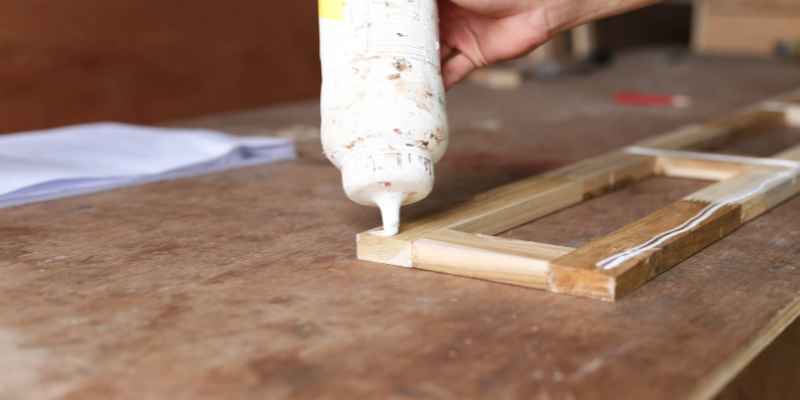
Secrets To Perfect Glue-ups
When it comes to woodworking, joining thin plywood can be a challenging task. But with the right techniques and tools, you can achieve a perfect glue-up every time. In this post, we’ll share some secrets to help you master the art of joining thin plywood.
Choosing The Right Glue
Choosing the right glue is essential for a perfect glue-up. There are various types of glue available in the market, but not all are suitable for thin plywood. You should choose a glue that has a longer open time and a stronger bond. One of the best options is PVA glue, which is easy to use and provides a strong bond. Another good option is epoxy glue, which is more expensive but offers a stronger bond and longer open time.
Glue Application Tips
Proper glue application is crucial for a perfect glue-up. You should apply the glue evenly and avoid applying too much or too little. Too much glue can lead to a messy glue-up, while too little glue can result in weak joints. You should also ensure that the glue is evenly spread across the entire surface to be joined. Use a brush or roller to apply the glue and spread it evenly.
Clamping Strategies
Clamping is an essential part of the glue-up process. It ensures that the joints are held together firmly while the glue dries. You should choose the right type of clamps and ensure that they are positioned correctly. Use enough clamps to distribute pressure evenly across the joint. You should also use cauls, which are blocks of wood that are placed on either side of the joint to distribute pressure evenly. Leave the clamps on until the glue has dried completely.
By following these simple tips, you can achieve a perfect glue-up every time. Remember to choose the right glue, apply it evenly, and use the right clamping strategies. With a little practice and patience, you’ll be able to join thin plywood like a pro!
Finishing Touches For Seamless Joints
When it comes to achieving flawless joints in thin plywood, paying attention to the finishing touches is crucial for a professional result.
Sanding Techniques
Use fine-grit sandpaper to smooth the edges for a seamless blend.
Ensure sanding is done evenly to avoid uneven surfaces.
Filling And Fairing
Apply wood filler to any gaps or imperfections in the joints.
Smooth the filler with a putty knife for a level surface.
Applying Finish
Coat the plywood with a suitable finish to enhance durability.
Apply the finish evenly using a brush or roller for a polished look.
Troubleshooting Common Joining Issues
When working with thin plywood, it’s common to encounter joining issues that can affect the overall quality of your project. Understanding how to troubleshoot these problems can help you achieve strong and seamless joins. Here are some common joining issues you may face and how to address them:
Dealing With Warping
- Ensure plywood is stored flat to prevent warping.
- Apply even pressure when clamping pieces together.
- Use a moisture barrier to protect against humidity.
Fixing Gaps And Overlaps
- Apply wood filler to fill in small gaps.
- Trim excess plywood to eliminate overlaps.
- Use a clamp to hold pieces in place while drying.
Removing Excess Glue
Excess glue can mar the appearance of your project. Here’s how to remove it:
- Scrape off excess glue with a putty knife.
- Sand the area gently to smooth out any residue.
- Clean the surface with a damp cloth to remove any remaining glue.
Advanced Joining Methods
Achieve seamless joins on thin plywood with advanced joining methods. Discover effective techniques to ensure a strong and durable bond without compromising the integrity of the material.
When it comes to joining thin plywood, the traditional methods like glue and nails may not be enough. That’s where advanced joining methods come in handy. These methods not only provide a stronger bond but also offer unique design possibilities. Here are three advanced joining methods that you should consider:
Veneer Inlays
Veneer inlays are an excellent way to add a touch of elegance to your thin plywood projects. This method involves cutting out a shape from a different type of wood veneer and fitting it into a corresponding slot in the plywood. Veneer inlays not only add visual interest but also strengthen the joint. You can use a variety of shapes and patterns to create a unique look.
Hybrid Joints
Hybrid joints combine different joining methods to create a stronger bond. One example of a hybrid joint is the spline joint. This method involves cutting a groove into both pieces of plywood and inserting a thin piece of wood (the spline) into the groove. This creates a strong joint that is less likely to warp over time.
Digital Fabrication Techniques
Digital fabrication techniques like laser cutting and CNC routing can be used to create intricate joints that are not possible with traditional methods. These techniques allow you to cut precise shapes and patterns that fit together perfectly. You can also use digital fabrication to create interlocking joints that require no glue or fasteners.
In conclusion, advanced joining methods offer a range of benefits for thin plywood projects. Veneer inlays provide a decorative touch while also strengthening the joint. Hybrid joints combine different methods to create a stronger bond, and digital fabrication techniques allow you to create intricate designs that fit together perfectly. Consider these methods for your next thin plywood project.
Maintaining Your Joined Plywood Projects
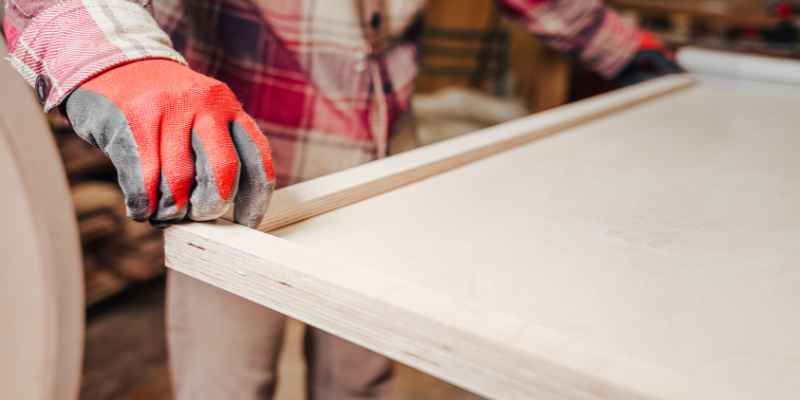
To maintain your joined plywood projects, it’s crucial to properly join thin plywood. Use wood glue and clamps for a strong bond, ensuring the edges are flush. Sand the joints for a smooth finish, enhancing the overall appearance and durability of the project.
Environmental Considerations
When storing plywood, maintain room temperature.
Avoid exposure to moisture to prevent warping.
Use protective coating for outdoor projects.
Long-term Care And Repair
Regularly inspect for damage or wear.
Apply wood sealant for protection.
Repair cracks promptly to prevent further damage.
Tips From The Pros
Joining thin plywood can be a tricky task, even for experienced woodworkers. But fear not, because we’ve got you covered with some expert advice and innovative plywood joining tricks to make the process easier.
Expert Advice
According to woodworking experts, the best way to join thin plywood is to use a combination of glue and clamping. Apply glue to both surfaces and use clamps to hold the pieces together until the glue dries.
Another useful tip is to use a backing board when drilling into plywood. This prevents the wood from splintering or chipping.
Innovative Plywood Joining Tricks
1. The first trick is to use a biscuit joiner. This tool cuts a crescent-shaped hole in the wood, allowing a wooden biscuit to be inserted and glued into place. This creates a strong joint that is almost invisible.
2. Another trick is to use dowels to join plywood. Drill holes in both pieces of wood and insert dowels into the holes. Apply glue to the dowels and clamp the pieces together until the glue dries.
3. Using pocket screws is also an effective way to join thin plywood. Drill a hole at an angle in one piece of wood and attach it to the other piece with a screw. This method is quick and easy, but it does leave a visible screw head.
Joining thin plywood requires patience and skill, but with the right techniques and tools, it can be done easily. Use these expert tips and innovative tricks to achieve a strong and seamless joint in your next woodworking project.
Learning Resources And Further Reading
When it comes to learning more about joining thin plywood, there are various resources available to help you master the techniques and skills required. Whether you prefer to learn from books, online tutorials, or hands-on workshops, there are plenty of options to suit your learning style and preferences.
Books And Guides
If you’re someone who enjoys learning from comprehensive and detailed guides, there are several books available that delve into the art of joining thin plywood. Some popular titles include:
- The Art of Plywood Joinery by John Wood
- Plywood Joinery Techniques: A Step-by-Step Guide by Emma Carpenter
- Mastering Thin Plywood Joinery by Michael Sanders
Online Tutorials
For those who prefer learning through visual demonstrations and step-by-step tutorials, there is a wealth of online resources to explore. Many woodworking enthusiasts and experts share their knowledge through video tutorials on platforms like YouTube and specialized woodworking websites. Some popular channels and websites to explore include:
- Woodworking Mastery – Offers a series of in-depth tutorials on joining thin plywood
- Plywood Joinery 101 – A comprehensive online course covering various plywood joining techniques
- WoodworkWonders.com – Features a collection of detailed video tutorials on plywood joinery
Workshops And Classes
If you thrive in a hands-on learning environment and enjoy the guidance of an experienced instructor, attending workshops and classes can be a valuable way to enhance your skills in joining thin plywood. Many woodworking schools and community centers offer classes specifically focused on plywood joinery. Look for workshops and classes in your local area or consider attending woodworking events and conferences where experts often host interactive sessions and demonstrations.
Frequently Asked Questions
How To Join Thin Plywood Without Splitting It?
To join thin plywood without splitting it, use a sharp fine-toothed saw and apply masking tape to the cut line before sawing to reduce splintering. Additionally, pre-drill holes for nails or screws, and apply a small amount of wood glue to the joint to strengthen the bond.
What Are The Best Fasteners For Joining Thin Plywood?
For joining thin plywood, consider using small gauge brad nails, narrow crown staples, or trim head screws. These fasteners provide secure connections without splitting the plywood. Pre-drilling pilot holes can also help prevent splitting, especially when using screws.
Is It Necessary To Use Clamps When Joining Thin Plywood?
Yes, it is essential to use clamps when joining thin plywood to ensure a tight and secure bond. Clamping the plywood during the joining process helps to align the pieces properly and provides even pressure for the adhesive to create a strong, seamless connection.
Conclusion
Mastering the art of joining thin plywood is essential for woodworking enthusiasts. By following the right techniques and tools, you can create sturdy and visually appealing projects. Remember to prioritize precision and patience for seamless results in your woodworking endeavors.
Happy crafting!