How to Make MDF Drawers: Step-by-Step Guide
Are you tired of clutter in your living space? Imagine opening a drawer that you crafted yourself, perfectly tailored to your needs and style.
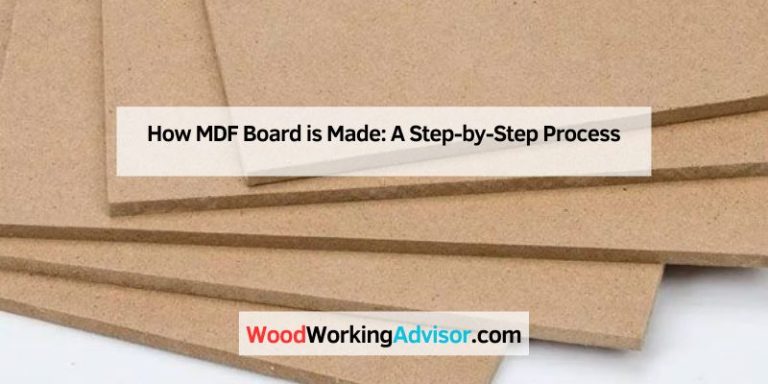
Whether you’re an aspiring DIY enthusiast or someone looking to add a personal touch to your home, learning how to make MDF drawers can be a game-changer. MDF, or Medium Density Fiberboard, is a versatile material that offers strength and a smooth finish, making it ideal for drawer construction.
You’ll discover simple steps to create durable, stylish drawers that not only organize your space but also showcase your creativity. Dive in to unlock the secrets of MDF drawers and transform your home with a personal touch. Your journey to a more organized and aesthetically pleasing space starts here!
Credit: fixthisbuildthat.com
Materials And Tools Needed
To make MDF drawers, gather some important materials. You will need MDF boards. They are strong and smooth. Get a saw to cut the boards. A drill will help make holes. Use screws to join the pieces. A tape measure is important. It helps measure correctly. Sandpaper smoothens rough edges. Wood glue is sticky. It holds parts together well. A screwdriver is useful to tighten screws.
Clamps hold pieces in place. They are like extra hands. A square checks if corners are straight. Pencil is for marking lines. It helps plan cuts. Safety goggles protect your eyes. Always wear them when cutting or drilling. Dust mask keeps dust away. It helps you breathe safely. Gather all these tools and materials first.
Planning And Measuring
Start by measuring the space for the drawer. Use a tape measure. Write down the width, height, and depth. Accuracy is very important here. The drawer must fit perfectly. Check the measurements twice. It helps to avoid mistakes later. Use these numbers to plan your drawer size. Think about the items you want to store. This helps decide the drawer size. Bigger items need bigger drawers.
Material planning is crucial for making drawers. Calculate the MDF sheets needed. Consider the drawer’s size and number. Each drawer needs a bottom, sides, and a front piece. Write down the dimensions of each piece. This helps when buying MDF. Don’t forget screws and glue. These help in assembling the drawer. A small error here can mean extra trips to the store. So, plan carefully.
Cutting MDF Panels
Crafting MDF drawers involves precise cutting of MDF panels. Ensure accuracy by using a fine-toothed saw. Create smooth edges for a perfect fit.
Choosing The Right Saw
Picking the correct saw is vital for cutting MDF panels. Circular saws are often used for straight cuts. Jigsaws work well for curves. Table saws help with precise long cuts. Always ensure your saw blade is sharp. Dull blades can damage the MDF.
Precision Cutting Techniques
Measure twice before cutting. This saves materials and prevents errors. Use a straightedge to guide your saw. It helps keep the cut clean and straight. Clamp the MDF securely. Movement can ruin your cuts. Safety is key. Wear goggles and masks. MDF dust can irritate eyes and lungs.
Assembling The Drawer Box
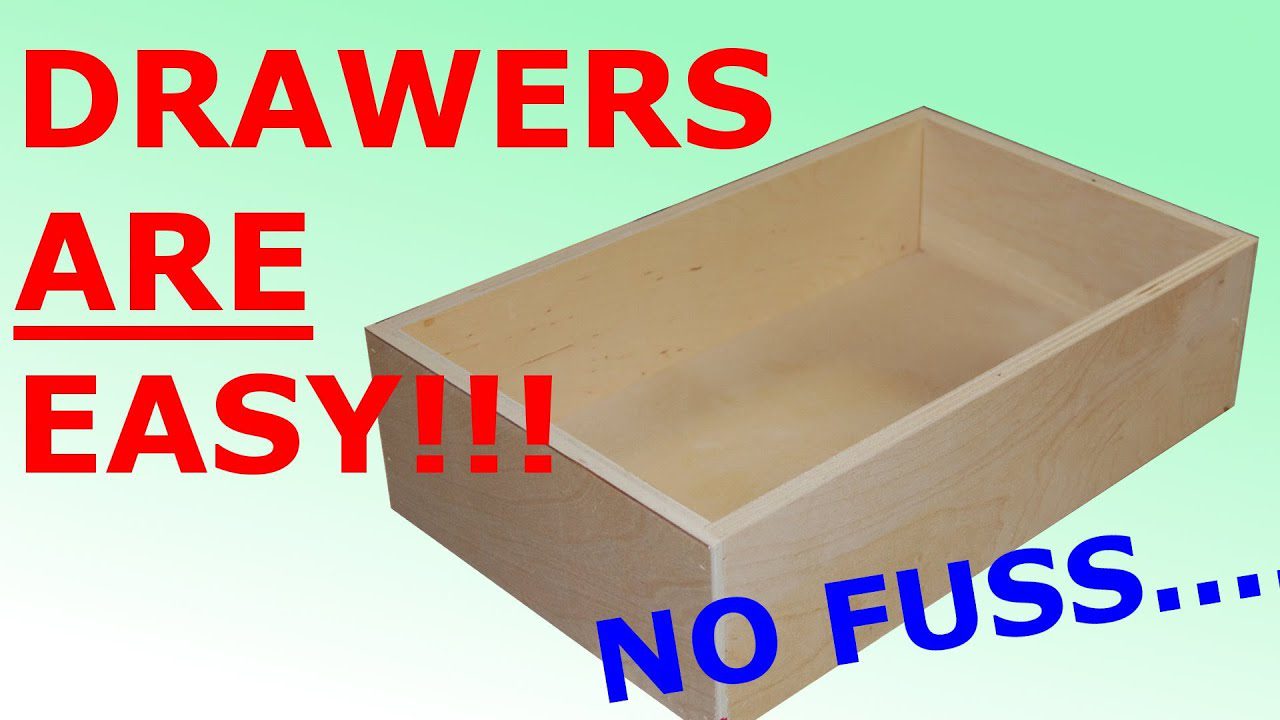
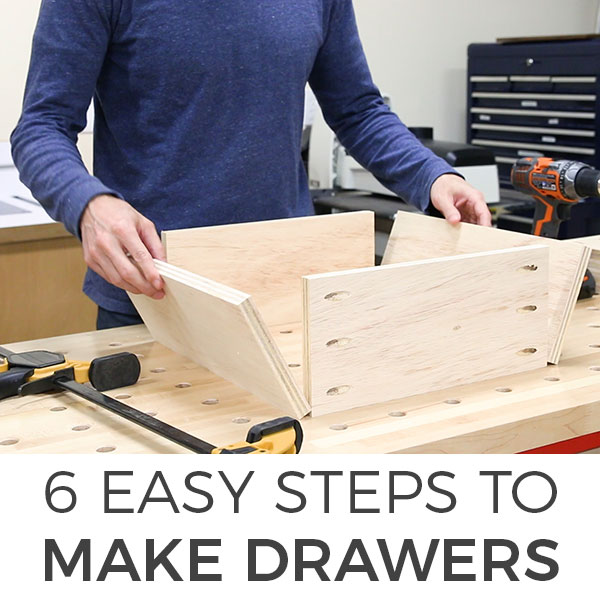
To assemble the drawer box, you need strong joining techniques. Use glue to hold the pieces together firmly. Glue helps the parts stay connected. Apply it on the edges of the MDF panels. Make sure it spreads evenly. This prevents gaps.
Next, use fasteners like nails or screws. These add strength to the joints. Nails are easy to use. Screws hold better and last longer. Use a drill to make holes for screws. This stops the wood from cracking.
Combine glue and fasteners for the best results. This way, the drawer stays strong and durable. Remember, careful assembly means drawers will last longer. Enjoy building your project!
Installing Drawer Bottom
Choose a strong material for the drawer bottom. Plywood works well. It is both light and strong. Fiberboard is another option. It is easy to cut and shape. Thick cardboard is a budget choice. It is less strong but okay for light items. Ensure the bottom material fits snugly. Avoid gaps or loose panels.
Use glue to stick the panel to the drawer. Apply glue evenly. Press firmly until it holds. Screws add extra security. Place screws at each corner. Check for tightness. Nails can also work. Use a hammer gently. Avoid bending nails. Double-check everything is solid. Make sure the bottom is flat. No bumps or uneven spots.
Attaching Drawer Slides
Drawer slides help drawers move in and out smoothly. There are different types of slides. Side-mount slides attach to the sides of the drawer. Under-mount slides are hidden under the drawer. Center-mount slides go in the center of the drawer. Each type works differently. Choose the one that fits your drawer best. Always check the weight each slide can hold. This helps you pick the right slide.
Aligning slides is very important. First, mark where the slides will go. Use a pencil or marker. Make sure lines are straight. Use a level if needed. Attach the slides using screws. Ensure each screw is tight. Check the alignment by sliding the drawer in and out. It should move easily. If it sticks, check the alignment again. Adjust if needed. A well-aligned drawer works smoothly.
Finishing Touches
Start by using fine sandpaper. This makes the surface smooth. Remove any rough edges. Dust off the surface completely. A clean surface is important. It helps paint or varnish stick better. Check for any uneven areas. Sand them again if needed. Smooth surfaces look more professional. They also feel nice to touch.
Choose your favorite color or finish. Apply a thin coat of paint or varnish. Use a brush or roller. Let the first coat dry fully. Add a second coat if needed. This makes the color bright. Varnish can protect the wood too. It adds a shiny look. Be sure to cover all areas. No spots should be left without paint.

Credit: www.youtube.com
Tips For Durability
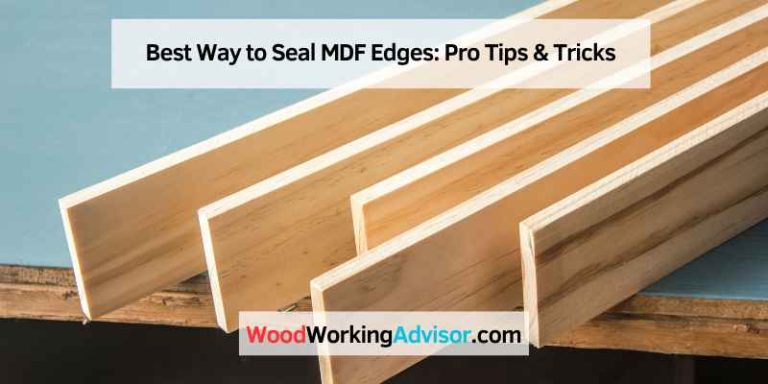
Ensure MDF drawers last by using high-quality materials. Seal edges with a protective coating. Use screws for secure assembly.
Reinforcing Weak Points
MDF can be weak in some places. Use glue to make it stronger. Apply glue on joints. Let it dry well. Add screws for extra support. Corners need special care. A metal bracket helps them. This keeps your drawer firm and steady. Reinforce the back panel too. Use a plywood piece for this. It strengthens the structure. Avoid putting heavy items inside. This can damage the drawer. Balance weight across the space.
Maintenance And Care
Keep your MDF drawers clean. Dust can weaken them. Wipe with a soft cloth regularly. Do not use water for cleaning. Moisture harms MDF. Use a dry cloth instead. Check for loose screws. Tighten them often. This keeps the drawer secure. Avoid dragging the drawer open. Handle with care. Protect the surface from scratches. Use a mat inside for safety.
Frequently Asked Questions
Can You Build Drawers From MDF?
Yes, you can build drawers from MDF. MDF is durable and cost-effective, making it ideal for drawer construction. Ensure proper sealing and finishing to enhance moisture resistance. Use accurate measurements and suitable hardware for sturdy assembly. MDF provides a smooth surface for painting or veneering, offering versatile design options.
What Thickness MDF For Drawers?
For drawer construction, 1/2 inch MDF is commonly used. It provides sufficient strength and stability. For larger drawers, consider using 3/4 inch MDF. Always ensure edges are properly sealed to prevent moisture damage. MDF is cost-effective and easy to work with for drawer projects.
Is MDF Good For Draws?
MDF is suitable for drawers due to its smooth surface and affordability. It offers good stability and strength. MDF resists warping, making it a reliable choice for drawer construction. Ensure proper sealing to prevent moisture damage and enhance durability. Consider MDF for a cost-effective, reliable option for drawers.
Is MDF Good For Drawer Fronts?
MDF is a good choice for drawer fronts. It offers a smooth finish and is cost-effective. MDF resists warping and provides a uniform look. It’s easy to paint and can mimic more expensive materials. Consider sealing it properly to enhance durability and moisture resistance.
Conclusion
Crafting MDF drawers is a rewarding task. You gain useful skills. The process requires patience and precision. Start with the right tools. Measure carefully. Cut with accuracy. Assemble the pieces steadily. Sand each surface smoothly. Apply a finish for durability.
MDF drawers add elegance to any space. They offer practical storage solutions. Perfect for organizing your belongings. Enjoy the satisfaction of your creation. Feel proud of your handiwork. Share your experience with others. Inspire them to try it too. Building MDF drawers can be a fun project.
Happy crafting!