How to Make a Wooden Box Without Nails: DIY Mastery
To make a wooden box without nails, use interlocking joints like dovetails or box joints. Alternatively, wood glue can secure the pieces effectively.
Creating a wooden box without nails is an engaging project that showcases craftsmanship and creativity. This method relies on strong joints and adhesives to hold the structure together. Many woodworkers prefer this technique for its aesthetic appeal and durability. Using wood glue or interlocking joints not only enhances the box’s design but also ensures it remains intact over time.
This approach allows for a smooth finish, making it ideal for decorative or practical uses. Whether you’re a beginner or an experienced woodworker, building a nail-free box provides a rewarding challenge and a functional piece of art for your home.
Introduction To Nail-free Woodworking
Nail-free woodworking offers many benefits. Creating a wooden box without nails enhances the beauty and strength of the piece. This method uses traditional joinery techniques that are both effective and satisfying.
First, it promotes sustainability. Using wood without metal fasteners reduces waste and environmental impact. Second, this technique allows for greater creativity. It opens up various design possibilities that nail-based methods may limit.
Lastly, nail-less joinery improves durability. The joints often become stronger over time. Overall, crafting a wooden box without nails can be a rewarding experience.
Tools And Materials Needed
Choosing the right wood is key for a sturdy box. Pine, cedar, and plywood are great options. They are easy to work with and affordable.
Look for wood that is straight and free of knots. Knots can weaken the structure. Also, consider the wood’s thickness for durability.
Essential tools for nail-free projects include:
| Tool | Purpose |
|---|---|
| Wood glue | To bond pieces together securely |
| Clamps | To hold pieces while glue dries |
| Saw | To cut wood to the desired size |
| Sandpaper | To smooth edges and surfaces |
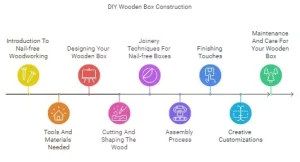
Designing Your Wooden Box
Start by determining the dimensions of your wooden box. Think about its purpose. Will it hold tools, toys, or something else? Measure the space where it will go.
Next, sketch your design. Use simple shapes like rectangles or squares. This helps visualize your box. Include details like lid size and side height. A good sketch makes building easier.
Consider adding decorative elements. Engraving or painting can enhance the look. Make sure these details fit the box’s purpose.
Keep your design practical. Ensure it is easy to build without nails. Plan how the pieces will fit together securely.
Cutting And Shaping The Wood
Start by using a measuring tape to get the right dimensions. Mark the wood clearly with a pencil for accuracy. Make sure your measurements are straight and precise. This helps in making the wooden box fit together nicely.
Always wear safety goggles to protect your eyes when cutting. Use a dust mask to avoid inhaling wood dust. Keep your hands away from the cutting line to prevent injuries. Ensure your workspace is clean and organized for safety.
Use a sharp saw for clean cuts. A dull saw can slip and cause accidents. Always cut on a stable surface to avoid any movement. Take your time and focus on your cuts for the best results.
Joinery Techniques For Nail-free Boxes
Dovetail joints are strong and beautiful. They connect two pieces of wood at right angles. This technique uses interlocking shapes. These shapes look like a dove’s tail, hence the name. Dovetail joints are perfect for box corners.
Rabbet and dado joints provide solid connections. A rabbet is a notch cut along the edge of a board. It helps to fit another board snugly. Dado joints create a channel in one board. This allows another board to slide in. Both joints are excellent for creating sturdy boxes without nails.
Assembly Process
Start by dry fitting the pieces of wood together. Make sure each piece fits well. This step helps in checking for any adjustments needed. It ensures a snug fit without using nails.
Next, apply wood glue to the edges of the pieces. Use a generous amount for a strong bond. After applying the glue, clamp the pieces together tightly. This helps the glue set properly. Allow the glue to dry as per the instructions on the bottle. Ensure the box is sturdy and secure.
Finishing Touches
Start by using fine-grit sandpaper to smooth the wooden surfaces. Sand in the direction of the grain. This helps avoid scratches and creates a soft touch.
After sanding, clean the dust off the box. A damp cloth works well for this. Let it dry completely before moving to the next step.
Next, apply a wood finish to enhance the natural beauty. Use a brush or cloth to spread it evenly. Allow it to soak in for a few minutes.
Once the finish dries, apply a sealant for protection. This keeps the wood safe from moisture and damage. Follow the instructions on the sealant for the best results.
Creative Customizations
Adding a personal touch to your wooden box makes it special. Engravings can show names, dates, or designs. Use a wood burner for intricate patterns. Hand-painted designs also add charm. Consider different fonts for names or phrases.
Incorporating hardware without nails is easy and fun. Use wood glue for strong bonds. Dovetail joints provide strength and style. Clips and brackets can hold parts together. These options keep the look clean and neat.
Maintenance And Care For Your Wooden Box
To keep your wooden box in great shape, regular cleaning is essential. Use a soft cloth to remove dust. For tougher stains, a damp cloth works well. Avoid using harsh chemicals that can damage the wood.
Over time, wooden boxes may show signs of wear. To handle this, gently sand rough areas. Use fine-grit sandpaper for best results. After sanding, apply a wood conditioner to restore shine.
Always store your wooden box in a dry place. Humidity can cause warping and damage. If possible, keep it away from direct sunlight.
Expanding Your DIY Skills
Learning to make a wooden box without nails is a great skill. Try using dovetail joints or mortise and tenon joints for strength. These techniques create strong connections between pieces.
After mastering the wooden box, explore other fun projects. Consider making a shelf, a birdhouse, or a wooden toy. Each project helps improve your skills.
| Project | Skill Developed |
|---|---|
| Wooden Shelf | Measuring and Cutting |
| Birdhouse | Assembling with Angles |
| Wooden Toy | Finishing Techniques |
Frequently Asked Questions
What Materials Do I Need For A Wooden Box?
To make a wooden box without nails, you’ll need wood boards, wood glue, clamps, a saw, and sandpaper. Choose sturdy wood like pine or plywood for durability. Ensure the glue is suitable for wood, and gather basic tools for precise cuts and finishing touches.
How Do I Join Wood Without Nails?
You can join wood using wood glue and various joinery techniques. Techniques like dovetail joints, box joints, or finger joints provide strong connections. Additionally, clamps hold pieces together while the glue dries, ensuring a secure bond without the use of nails.
Can I Make A Wooden Box Without Tools?
Making a wooden box without tools is challenging but possible. You can use pre-cut wooden pieces or purchase ready-made kits. Some craft stores offer DIY kits that include everything you need, simplifying the process while still allowing for creativity.
How Long Does Wood Glue Take To Dry?
Most wood glues require about 30 minutes to set initially. However, for a full cure, allow 24 hours. Clamping the pieces together during this time enhances the bond. Always check the manufacturer’s instructions for specific drying times for the best results.
Conclusion
Creating a wooden box without nails is a rewarding project. It enhances your woodworking skills and fosters creativity. By using techniques like joinery and wood glue, you can achieve sturdy results. Embrace this craft and enjoy the satisfaction of making something unique.
Happy woodworking! Your next project awaits.