How to Remove Adhesive From Wood: By Glue Type (Finished vs Raw)
Warm soapy water removes uncured PVA wood glue, acetone dissolves super glue on raw wood, and cured polyurethane glue only comes off by scraping and sanding. The catch: acetone can damage varnish, and the best-known gentle remover is labeled for finished wood only. This guide matches eight adhesive types to a method, then shows which solvents are safe on finished versus raw wood.
How to Remove Adhesive From Wood: Match the Method to the Adhesive
Best Label and Sticker Remover
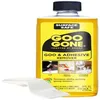 |
Goo Gone Original Liquid Adhesive Remover, 8 oz The maker lists this Original formula as safe on finished wood when used as directed: pre-test, apply, wipe, then wash with soap and water.
|
As an Amazon Associate we earn from qualifying purchases.
Identify what you are removing before you reach for a bottle. Dried white or yellow beads at a joint are PVA wood glue. A clear, hard, glassy drip is usually super glue. A tan foam that rose above the surface is polyurethane glue. A thick rubbery bead is construction adhesive, and a thin tacky film under a sheet of laminate or veneer is contact cement. A stringy, smooth blob that peels in one piece is hot melt. If the tacky patch is actually wax, see our guide on how to get wax off wood instead.
The table below uses removal steps published by the adhesive makers themselves. Where a maker gives no wood-specific step, the row says so.
| Adhesive | Try first | If that fails | Watch out |
|---|---|---|---|
| PVA wood glue (Titebond, Elmer’s, Gorilla Wood Glue) | Uncured: damp cloth and warm water | Cured: plastic scraper, then sand what remains | Sanding removes wood along with glue, so keep it last |
| Super glue (cyanoacrylate) | Warm soapy water soak, 30-45 minutes, then rub gently | Acetone on a cotton ball (raw wood) or a vinegar solution (softer) | Acetone can affect painted, varnished or laminated surfaces |
| Polyurethane glue (Gorilla Glue Original) | Uncured: wipe with a dry cloth, no water | Cured: scrape, then sand | The maker lists no solvent route for cured glue |
| Epoxy | Scrape carefully in layers | Sand the thin film that remains | Forcing it off can damage the wood |
| Construction adhesive (Liquid Nails) | Heat with a hair dryer or heat gun, then scrape with a putty knife | Coat with petroleum jelly or mineral spirits for 12 hours to a day, scrape, then wipe with mineral spirits | Mineral spirits are not recommended on painted surfaces or varnish |
| Contact cement (water-based, 3M Fastbond 30NF) | Wipe with a cloth dampened with solvent or a cleaner such as 3M Citrus Base Cleaner | Check the label of your own brand for its cleanup solvent | 3M says never pour solvent onto a bonded surface |
| Hot melt glue | Freeze 30 minutes, then peel | Isopropyl alcohol from the edges in, or an iron over a scrap cloth, then scrape | Maker examples are fabric and stucco, so test wood first |
| Label and sticker glue | Goo Gone Original: pre-test, apply, wipe, wash with soap and water | Warm the label first with a hair dryer, then lift with a plastic scraper | Maker says not for unfinished wood |
Sources for the table: Gorilla Glue, Loctite, Liquid Nails, 3M’s technical data sheet for Fastbond 30NF, Loctite’s hot glue guide, Gorilla’s super glue guide and Goo Gone.
Finished or Raw Wood? The Solvent Ranking Flips
Most guides rank solvents from gentle to harsh as if the wood did not matter. It does. The makers’ own wording reverses the order depending on the surface: Goo Gone Original is the gentle choice on a varnished tabletop but is listed as a product to avoid on unfinished wood, while Loctite says acetone is suitable only for unfinished, untreated wood and Gorilla Glue warns it can affect varnished surfaces.
| Solvent | Finished wood (varnish, polyurethane, paint) | Raw or unfinished wood |
|---|---|---|
| Warm soapy water | Safe first step | Safe first step, but dab rather than soak |
| Acetone | Risky: can affect painted or varnished surfaces | Loctite: suitable for unfinished, untreated wood |
| Mineral spirits | Liquid Nails: not recommended on painted surfaces or varnish | Liquid Nails lists it for softening construction adhesive on wood |
| Goo Gone Original | Maker: safe on finished wood, pre-test first | Maker: do not use on unfinished wood |
| Vinegar solution | Loctite: the softer alternative, less likely to cause damage | Same guidance, but dab rather than soak |
| Isopropyl alcohol | Used by Gorilla for uncured super glue and by Loctite for hot glue; test first, no maker data on finishes | Test first on an offcut or hidden edge |
To tell which one you have, look at the surface. A slick, sealed, evenly glossy or satin top is finished. Bare, sanded wood with visible open grain is raw. Whichever you have, test the liquid on a hidden spot such as the underside of a shelf and look at it again before touching the visible surface. Dabbing, not soaking, is our precaution for raw wood, because bare grain absorbs whatever you apply.
PVA Wood Glue: Squeeze-Out and Dried Beads
PVA is the easiest adhesive on this list. Gorilla Glue’s guidance for uncured wood glue is a damp cloth with warm water, and for cured wood glue a plastic scraper followed by sanding away any remaining residue.
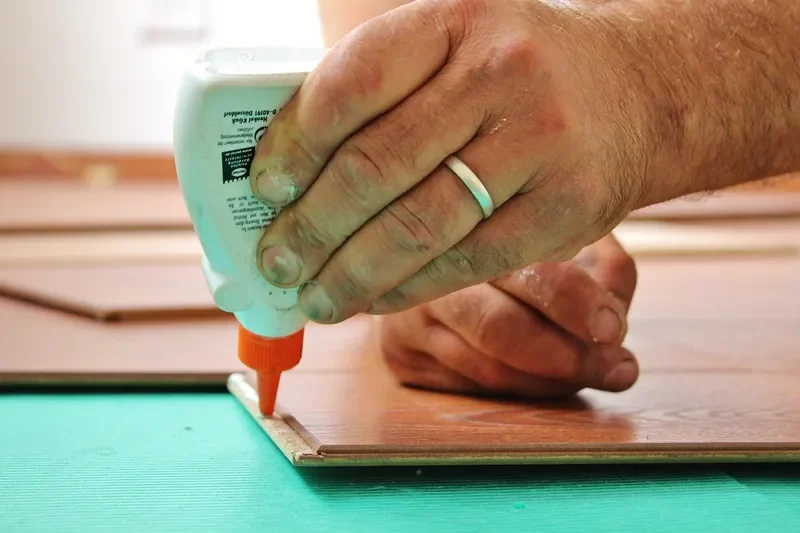
- Decide wet or cured: if the glue is still wet, wipe it with a damp cloth and warm water right away.
- Let squeeze-out firm up: the usual woodworking practice is to wait until it turns rubbery, then lift it with a scraper instead of smearing it.
- Scrape with plastic: a plastic scraper pushed along the grain avoids the gouges a metal blade can leave.
- Sand last: only sand the thin residue that remains, since sanding takes wood with it.
Glue that is smeared into the pores shows up as pale blotches under stain, so clean it before you finish. Our detailed guides cover the finish-by-finish choices: how to remove dried wood glue from a wood surface and white residue left by wood glue.
Super Glue (Cyanoacrylate) on Wood
Super glue bonds fast, but the makers list a gentler route than most people try first. Gorilla Glue says to soak the area in warm soapy water or acetone for 30 to 45 minutes before rubbing gently, and Loctite names vinegar as the softer alternative to acetone, which it describes as suitable only for unfinished, untreated wood.
- Test a hidden spot: put a drop of your chosen liquid on an unseen area and check the finish after a few minutes.
- Raw wood: press a cotton ball soaked in acetone on the spot and rub gently, working outdoors or with open windows.
- Finished wood: lay a cloth soaked in warm soapy water over the spot and let it soak 30 to 45 minutes, or try the vinegar solution.
- Lift, do not pry: rub gently or use a plastic scraper once the bond softens.
For the full non-acetone sequence, see our guide to removing super glue from wood without acetone.
Cured Polyurethane Glue, Epoxy and Construction Adhesive
These three share one rule: remove bulk mechanically first. Gorilla Glue says cured polyurethane glue needs scraping and sanding, and says to scrape epoxy carefully in layers because forcing it can damage the wood. Our dedicated page covers the Gorilla formulas in depth: how to remove Gorilla Glue from wood.
Construction adhesive is the exception that has a published solvent routine. Liquid Nails says to soften it with a heat gun or blow dryer, or to coat it with petroleum jelly or mineral spirits for at least 12 hours to a day, then scrape with a putty knife and wipe the surface with mineral spirits. The same page says mineral spirits are not recommended on painted surfaces or varnish, so on a finished piece use heat and a plastic scraper and test any liquid first. Liquid Nails also points to the product label and technical data sheet for brand-specific cleanup.
Contact Cement and Hot Melt Glue
Contact cement is the adhesive behind peeling veneer and laminate edges. For its water-based Fastbond 30NF, 3M says adhesive cannot be cleaned off tools once dry, to wipe bonded surfaces with a cloth dampened in solvent or a cleaner such as 3M Citrus Base Cleaner, and never to pour solvent onto a bonded surface because it attacks the adhesive line. Solvent-based contact cements have their own cleanup solvents, so check the label of the brand you used.
Hot melt glue is the most forgiving. Loctite’s guide lists freezing for 30 minutes then peeling, dabbing isopropyl alcohol from the edges in, or softening with heat through a scrap cloth before scraping.
Labels, Stickers and Tape
Label glue is a pressure-sensitive adhesive, so warmth helps: a hair dryer on low for a short time, then a plastic scraper to lift an edge. For the leftover film on finished wood, Goo Gone Original has the clearest maker directions in this guide: pre-test on a hidden spot, apply, wipe with a clean white cloth, then wash with soap and water. Remember the maker lists unfinished wood as a surface to avoid.
Tape residue behaves like label glue and has its own page: how to remove tape residue from wood. Sticker glue on painted or sealed pieces is covered in removing sticker residue from wood without damaging paint, and for a floor see how to remove sticky residue from hardwood floors.
Solvent Safety Before You Open the Bottle
Acetone and mineral spirits are both flammable, and the safety data sheets spell out how. The Klean-Strip acetone safety data sheet classes acetone as a highly flammable liquid and vapor that causes serious eye irritation, and says to use it only outdoors or in a well-ventilated area. The Klean-Strip odorless mineral spirits safety data sheet classes mineral spirits as a flammable liquid and vapor and warns that it may be fatal if swallowed and enters the airways.
Flash point: acetone 0 F (closed cup) vs mineral spirits above 105 F. Acetone vapor can ignite near a pilot light, spark or hot tool at room temperature. Source: Klean-Strip acetone safety data sheet, W.M. Barr.
Our precaution, based on those flammable ratings: do the heat step first and the solvent step second, never the reverse. Keep heat guns, hair dryers and irons away from any area still wet with acetone or mineral spirits, and let the vapors clear before you reheat. Wear gloves and eye protection.
After the Adhesive Is Gone: Check and Restore the Surface
Look at the spot under angled light. A dull patch on a finished surface means the finish softened or the solvent left a film, and a pale or dark patch on raw wood means residue or liquid went into the grain. Wipe finished wood with a damp cloth and dry it, and let raw wood dry fully before sanding lightly with the grain. If the finish itself was damaged, our wood finishing guide covers the repair options, and the wood care and protection guide covers conditioning afterward.
Common Mistakes to Avoid
- Skipping the hidden-spot test: acetone, mineral spirits and removers all behave differently on different finishes.
- Using Goo Gone on bare wood: its maker lists unfinished wood as a surface to avoid.
- Using acetone on varnish: Gorilla Glue warns it can affect painted, varnished or laminated surfaces.
- Trying to dissolve cured polyurethane glue: the maker says scrape and sand instead.
- Pouring solvent onto a bonded joint: 3M warns it attacks the adhesive line and weakens the bond.
- Pulling hard on stubborn epoxy: Gorilla says forcing it off can damage the wood.
Frequently Asked Questions
Does acetone damage wood finish?
Yes, it can. Gorilla Glue warns that acetone can affect painted, varnished, or laminated surfaces, and Loctite says acetone is only suitable for unfinished, untreated wood. On a finished piece, test a hidden spot first or use warm soapy water or a vinegar solution instead.
Is Goo Gone safe on wood?
Goo Gone Original is listed by its maker as safe on finished wood when used as directed, after a pre-test on a hidden area. The maker also lists unfinished wood as a surface to avoid, so do not use it on bare, sanded wood.
What dissolves cured polyurethane glue on wood?
Nothing the maker recommends. Gorilla Glue says cured polyurethane glue comes off by scraping and sanding, not by solvent. Work with a plastic scraper first, and sand only the thin layer that remains.
How long do you soak construction adhesive with mineral spirits?
Liquid Nails says to coat the adhesive with petroleum jelly or mineral spirits for at least 12 hours to a day, then scrape with a putty knife and wipe with mineral spirits. It also says mineral spirits are not recommended on painted surfaces or varnish.
How do you remove super glue from wood without ruining the finish?
Start with the mildest option. Gorilla Glue suggests soaking the spot in warm soapy water for 30 to 45 minutes before rubbing gently, and Loctite names vinegar as the softer alternative to acetone. Test any liquid on a hidden spot of the finish first.
How do you get hot glue off wood?
Loctite’s hot glue guide lists freezing the object for 30 minutes then peeling, dabbing the edges with isopropyl alcohol, or softening with a blow dryer before scraping. Its examples are fabric, carpet and stucco, so test alcohol and heat on a hidden area of the wood first.
Conclusion
Match the method to the adhesive, then to the finish: water first for PVA, a soapy soak or vinegar for super glue on finished wood, heat and scraping for cured polyurethane and construction adhesive, and a pre-tested remover only where the maker approves it. A slow, tested approach protects the wood far better than the strongest solvent.
Sponsored / affiliate links. As an Amazon Associate I earn from qualifying purchases. I may earn additional commission from eligible campaigns.