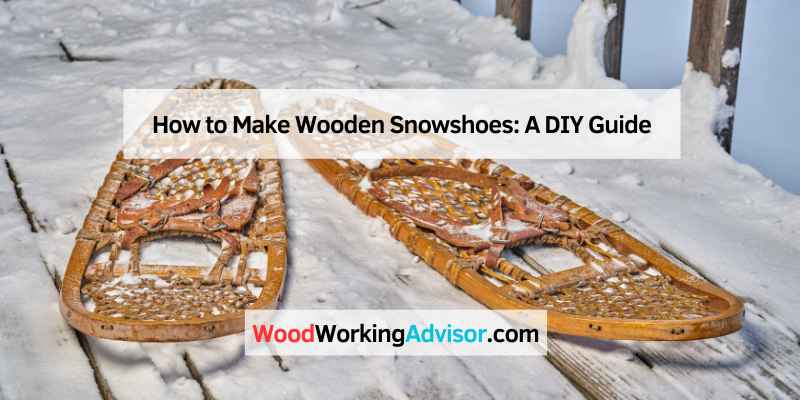
How to Make Wooden Snowshoes: A DIY Guide
To make wooden snowshoes, start by cutting the wood into the desired shape for the frame. Next, attach a durable webbing to create a supportive surface.
Crafting wooden snowshoes combines traditional skills with outdoor adventure. This engaging project not only provides a functional tool for winter exploration but also offers a creative outlet. Using readily available materials, you can customize the design to suit your needs.
Whether you’re a seasoned woodworker or a beginner, making snowshoes can be an enjoyable experience. Embrace the challenge of shaping wood and weaving webbing for optimal support. This guide will walk you through the essential steps, tools, and tips needed to create your own snowshoes, allowing you to navigate snowy landscapes with ease and style.
Introduction To Wooden Snowshoes
Wooden snowshoes are making a comeback. Many people love the traditional style. Crafting your own snowshoes is a fun activity. It connects you to nature and history.
Creating your own snowshoes offers several benefits:
- Cost-effective: Save money compared to buying ready-made ones.
- Personalized: Customize the design to fit your needs.
- Satisfaction: Enjoy the pride of making something with your own hands.
- Skill development: Learn new woodworking skills and techniques.
- Sustainable: Use eco-friendly materials for a greener choice.
Essential Tools And Materials
Choosing the right wood is crucial for making wooden snowshoes. Select lightweight and strong wood like pine or cedar. This will ensure durability and ease of use.
Tools you’ll need include:
- Hand saw
- Drill
- Screwdriver
- Sandpaper
- Measuring tape
Gather these additional supplies:
- Wood glue
- Stain or sealant
- Rope or straps
- Clamps
Designing Your Snowshoes
Choosing the right shape and size for your wooden snowshoes is crucial. The shape affects how well they float on snow. A wider design offers better stability. Narrower snowshoes are easier to maneuver.
Consider your weight and foot size when selecting a size. Larger snowshoes support heavier loads. Smaller sizes work well for lighter users. Make sure to test them before finalizing your choice.
Different shapes suit various activities. For hiking, a long and narrow shape works best. For deep snow, a wider shape is ideal. Always prioritize your comfort and functionality.
Cutting And Shaping The Frame
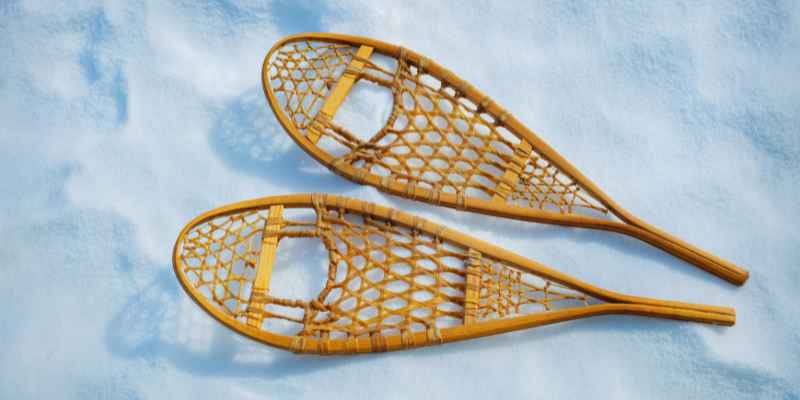
To start, gather strong hardwood like ash or oak. Cut the wood into long strips for the frame. Use a saw for precise cuts. Next, shape the strips by sanding the edges smooth.
Steam bending is a great technique. It makes the wood flexible and easy to shape. Place the strips in a steam box for about 30 minutes. After that, carefully bend them around a mold. Secure them with clamps until they cool.
Finishing the frame is important. Sand the entire surface again for a smooth finish. Apply a coat of wood sealer to protect it from moisture. This will help your snowshoes last longer and look great.
Weaving The Webbing
Choosing the right weaving materials is important for making wooden snowshoes. Common options include nylon, polypropylene, and cotton. Each material has unique qualities and benefits.
Nylon is strong and resistant to wear. It works well in wet conditions. Polypropylene is lightweight and dries quickly. This makes it great for snowy areas. Cotton is natural and offers good grip but absorbs water.
| Material | Strengths | Weaknesses |
|---|---|---|
| Nylon | Durable, water-resistant | Can be slippery |
| Polypropylene | Lightweight, quick-drying | Less durable |
| Cotton | Good grip, natural | Absorbs water |
Using the right weaving techniques ensures snowshoes are durable. Tight weaves prevent the webbing from stretching. Patterns like diamond or cross provide extra strength.
Check for any loose threads after weaving. Regularly inspect your snowshoes to maintain their durability. Proper care will keep them ready for snowy adventures.
Binding And Footwear Considerations
Choosing between DIY and store-bought bindings is important. DIY bindings can be customized. They may fit better and save money. Store-bought options are often easier to use. They provide a consistent fit and quick setup.
When selecting footwear, consider comfort and warmth. Insulated boots work well for cold weather. Look for boots with a sturdy sole. This helps with grip on snow. Ensure the boots are waterproof to keep your feet dry.
Some popular choices include:
- Winter hiking boots for durability
- Ski boots for a snug fit
- Rubber boots for wet conditions
Finishing Touches
To waterproof your wooden snowshoes, use a quality water-resistant sealant. Apply it evenly across all surfaces. Let it dry completely before using the snowshoes.
Protecting the wood from scratches is important. Consider adding a layer of protective varnish. This will help keep the wood looking great.
For decorative elements, consider adding painted designs or carvings. Bright colors can make your snowshoes unique. Use non-toxic paint for safety and durability.
Adding fabric straps can also enhance their look. Choose materials that match your personal style. This will not only protect but also make your snowshoes stand out.
Testing And Maintenance
Before using wooden snowshoes, perform important safety checks. Inspect the bindings for wear. Ensure they are secure and functional. Check the decking for cracks or damage. Ensure the wood is sturdy and free of rot. Look for any loose parts that could cause accidents.
Caring for your snowshoes is essential. Keep them clean after each use. Remove dirt and snow to prevent damage. Store in a dry place to avoid moisture. Apply a thin layer of oil to protect the wood. Regular maintenance helps prolong the life of your snowshoes.
Frequently Asked Questions
How Can I Make Wooden Snowshoes At Home?
Making wooden snowshoes at home is a rewarding project. Start by selecting the right type of wood, such as ash or cedar. Cut the wood into the desired shape and size. Then, assemble and attach the bindings for your feet.
Finish with a protective sealant to ensure durability.
What Tools Do I Need For Wooden Snowshoes?
You will need several tools for crafting wooden snowshoes. Essential tools include a saw, drill, and measuring tape. Additionally, clamps, wood glue, and sandpaper will help in the assembly process. A good workbench will provide a stable surface for your project.
How Long Does It Take To Make Snowshoes?
The time required to make snowshoes varies. On average, it can take between 8 to 12 hours. This includes preparation, cutting, and assembling the parts. Allow extra time for finishing touches and drying if you apply any sealant or paint.
Are Homemade Snowshoes Durable?
Yes, homemade snowshoes can be quite durable. Using high-quality wood and proper construction techniques will enhance their strength. Properly sealing your snowshoes will also protect them from moisture and wear. Regular maintenance will further ensure their longevity in snowy conditions.
Conclusion
Crafting your own wooden snowshoes is a rewarding experience. It combines creativity with practicality, allowing you to enjoy winter adventures. With the right materials and techniques, anyone can master this skill. Embrace the journey, and soon you’ll be gliding effortlessly through snowy landscapes.
Start your snowshoe-making adventure today!