Is Eucalyptus Good for Outdoor Furniture? Yes, With Annual Oiling
Yes — eucalyptus is a genuinely good outdoor furniture wood, but only with a real caveat most product listings leave out: its natural oils and tannins give it real weather resistance, but not teak-level resistance, so it needs an annual oil treatment to avoid graying and surface checking that teak can often go without.
Why Eucalyptus Holds Up Outdoors
What Keeps It From Graying
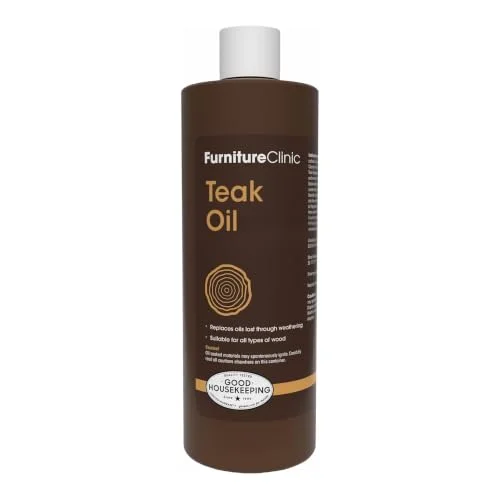 |
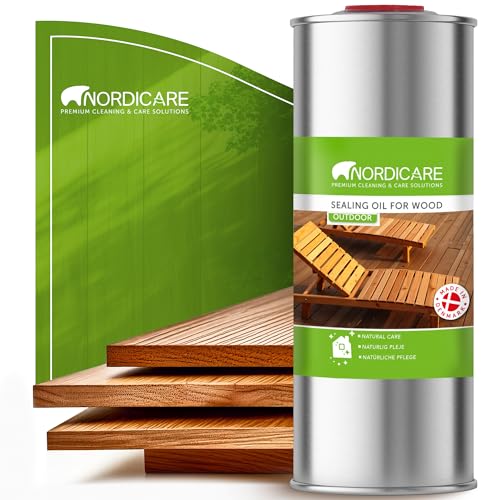
Furniture Clinic Teak Oil, 17 oz – $17.95 Works on eucalyptus the same way it works on teak — replaces the natural oils weathering strips away.
|
Eucalyptus wood contains natural oils and tannins that give it some built-in resistance to rot and insects, similar in mechanism to teak’s own natural oil content, just present in a smaller amount. Janka hardness for common furniture-grade eucalyptus species runs in the 950-1,125 lbf range depending on species and growing conditions, comparable to hard maple and noticeably harder than most pine used in budget outdoor furniture. That hardness helps with dent and scratch resistance, but hardness alone doesn’t determine how a wood weathers outdoors — oil content and grain density matter more for that, which is exactly where eucalyptus falls short of teak.
The Real Catch: It Needs Yearly Oiling
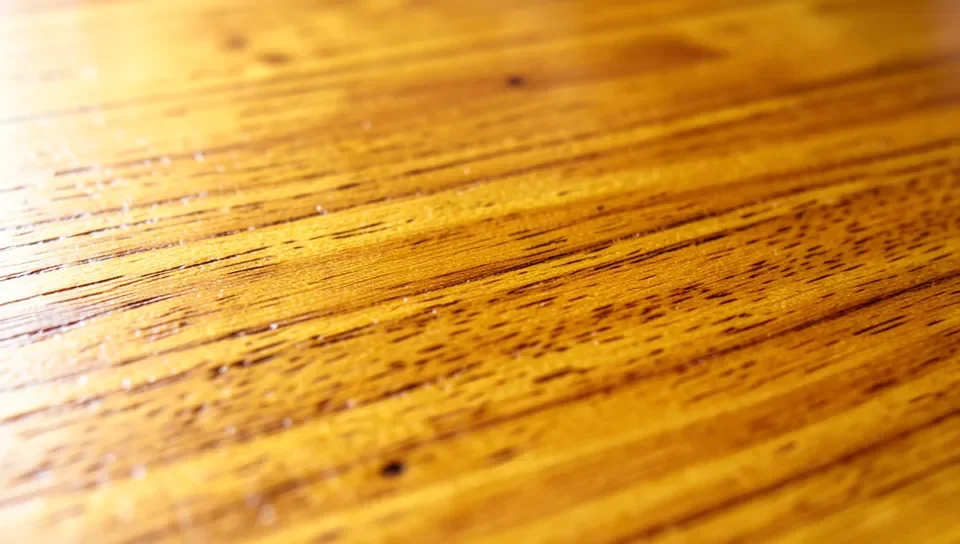
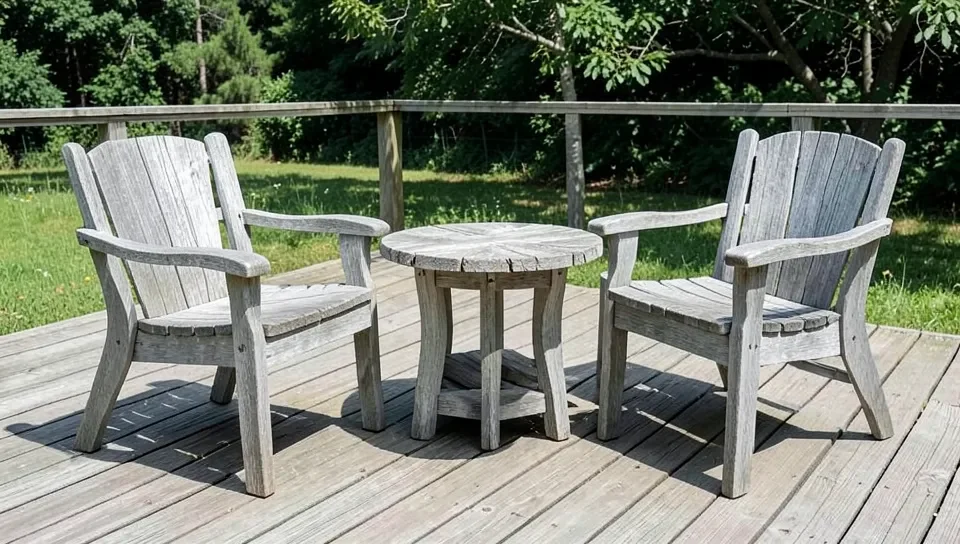
Left untreated, eucalyptus furniture will gray within a season or two of sun and rain exposure and can develop surface checking (small splits along the grain) as it dries and re-wets repeatedly. This isn’t structural failure — the wood is still sound — but it’s a real maintenance cost buyers should budget for. A teak oil or eucalyptus-specific sealant applied once or twice a year replaces the natural oils weathering strips away and restores the golden-brown color; skip this and the furniture will still function but will look weathered gray within a year or two, faster than a comparable teak piece under the same conditions.
FSC-Certified Plantation Growth: The Real Sustainability Angle
A genuine advantage eucalyptus has over teak that’s often skipped in comparison articles: most outdoor furniture-grade eucalyptus comes from fast-growing FSC-certified plantations (eucalyptus reaches usable maturity in roughly 10-20 years, compared to teak’s 40-80 year growth cycle), which makes it a meaningfully more sustainable choice for buyers prioritizing that. Always check for an FSC certification mark specifically when buying eucalyptus furniture — the fast growth cycle that makes it sustainable also makes uncertified sourcing from unmanaged logging a real risk in a way it isn’t for slower-growing hardwoods.
Eucalyptus vs. Teak: When Each Makes Sense
Eucalyptus is the better choice when budget and sustainability matter more than minimal maintenance — it typically costs 30-50% less than comparable teak furniture and requires only a yearly oiling commitment in exchange. Teak is the better choice for buyers who want to skip regular maintenance almost entirely and are willing to pay for it, or who plan to leave furniture untreated to weather to the silvery-gray patina some buyers actually prefer. For a full side-by-side breakdown of lifespan, cost, and maintenance, see our eucalyptus vs. teak outdoor furniture comparison. Acacia and shorea are two other budget hardwoods marketed similarly to eucalyptus for outdoor sets — both are denser but generally have less natural oil content, meaning they typically need oiling even more frequently than eucalyptus does to hold their color, not less.
Not All Eucalyptus Is the Same Species
“Eucalyptus furniture” covers several distinct species with real performance differences, which is why two eucalyptus pieces can weather very differently. Eucalyptus grandis (rose gum) is the most common furniture-grade species, fast-growing and moderately dense at around 980 lbf Janka. Eucalyptus saligna is a close relative used similarly. Higher-end pieces sometimes use Eucalyptus globulus (blue gum) or dense ironbark-family species, which run considerably harder and hold up longer outdoors, but cost more and are less common in mass-market patio sets. When a listing just says “eucalyptus” without a species, it’s worth asking the retailer directly, since the durability difference between a soft grandis frame and a dense ironbark one is real, not marketing noise.
The Actual Maintenance Routine
A proper eucalyptus care routine has two steps, not one, and skipping the first step is a common mistake: clean the wood first with a mild soap-and-water scrub (or a dedicated teak/eucalyptus cleaner) to remove surface dirt, mildew spots, and any existing grayed fibers, let it dry fully for at least a day, then apply the oil in thin coats with a lint-free cloth, wiping off excess after a few minutes so it doesn’t stay tacky. Oiling over dirt or mildew just seals the problem in rather than fixing it, which is why furniture that’s been oiled without cleaning first often looks patchy or develops dark mildew spots under the oil layer within a season.
End-Grain Checking and Mildew: What to Watch For
Eucalyptus end grain (the cut ends of legs and rails) is more porous than the long grain and absorbs and releases moisture faster, which is where checking and mildew growth typically start first. Inspecting end grain specifically once or twice a season, and giving it slightly more oil than the flat surfaces during maintenance, catches most problems before they spread. In consistently humid or coastal climates, mildew is more of a practical concern than rot for eucalyptus furniture — a diluted white vinegar or dedicated wood-safe mildew cleaner before oiling handles this, rather than reaching for a harsh bleach solution that can damage the wood fibers.
Furniture-Grade vs. Construction-Grade Eucalyptus
Eucalyptus lumber is graded differently depending on its intended use, and a piece labeled simply “eucalyptus” without a grade is worth being cautious about. Furniture-grade stock is selected for tighter, straighter grain and lower moisture content at the time of milling, which reduces warping and checking once it’s outdoors. Lower construction-grade eucalyptus, sometimes used in budget import furniture to cut cost, has more variable grain and higher residual moisture, and tends to check and warp faster regardless of how well it’s oiled afterward. Reputable furniture retailers will note the grade or at least confirm it on request; if a seller can’t answer what grade their eucalyptus is, that’s a reasonable signal to look elsewhere.
Covering and Off-Season Storage
A breathable furniture cover during heavy rain stretches or winter months meaningfully extends the interval between oil treatments, since it cuts down the repeated wet-dry cycling that drives checking. The word “breathable” matters here — a fully sealed plastic tarp traps condensation underneath and can actually promote mold growth faster than leaving the furniture uncovered, so a vented or fabric outdoor furniture cover is the better choice over cheap plastic sheeting. In climates with a genuine freeze, moving eucalyptus furniture into a garage or shed for winter is worth the effort even with a good cover, since repeated freeze-thaw cycling on damp wood accelerates checking beyond what covering alone prevents.
Frequently Asked Questions
Is eucalyptus wood waterproof?
No wood is truly waterproof, including eucalyptus. Its natural oils give it water resistance, but it still needs annual oiling to maintain that resistance and prevent graying and surface checking outdoors.
How long does eucalyptus outdoor furniture last?
With regular annual oiling, eucalyptus outdoor furniture typically lasts 10-25 years depending on climate and species. Without maintenance, it will still function but will gray and check noticeably faster.
Is eucalyptus as durable as teak?
Not quite. Teak has a higher natural oil content and needs less maintenance, but eucalyptus is genuinely durable for the price and is a more sustainable, faster-growing option.
Why is my eucalyptus furniture developing dark spots?
Dark spots are usually mildew, common in humid or coastal climates since eucalyptus’s porous end grain absorbs moisture. Clean with a diluted vinegar or wood-safe mildew cleaner before reapplying oil, rather than oiling directly over the spots.
Conclusion
Eucalyptus is a real, durable outdoor furniture wood, not a budget compromise to be avoided — its natural oils and comparable Janka hardness hold up well, provided it gets a genuine annual oiling commitment. Skip that maintenance and it will gray and check faster than teak; keep up with it and eucalyptus furniture at 30-50% less cost is a legitimately good trade, especially for FSC-certified plantation pieces.
Sponsored / affiliate links. As an Amazon Associate I earn from qualifying purchases. I may earn additional commission from eligible campaigns.