How to Paint a Hardwood Floor: Easy Steps for Stunning Results
Are you ready to give your hardwood floors a fresh, stunning look without spending a fortune? Painting your hardwood floor is a smart way to transform your space quickly and easily.
But before you grab a brush, you need to know the right steps to get a smooth, long-lasting finish. In this guide, you’ll discover simple tips and tricks that make the whole process less intimidating and more rewarding. Keep reading, and you’ll learn exactly how to turn your worn-out floor into a beautiful statement piece that you’ll love showing off.
Choosing The Right Paint
Choosing the right paint is the first step to a beautiful hardwood floor. The paint must stick well and last long. It should also look good and match your room’s style. Knowing what paint to pick helps avoid peeling or fading. This guide covers types of paint, color tips, and finish choices.
Types Of Paint For Hardwood Floors
Use paint made for floors. These paints are strong and resist wear. Oil-based paint lasts longer but takes more time to dry. Water-based paint dries quickly and cleans up easy. Both types can work well, but check labels for floor use. Avoid regular wall paint as it may chip fast.
Color Selection Tips
Pick colors that match your room’s look. Light colors make a room feel bigger and brighter. Dark colors add warmth and hide dirt better. Think about your furniture and walls before choosing. Test a small area first to see the color on your floor. Choose a shade that fits your style and needs.
Durability And Finish Options
Durability matters for floors that get a lot of use. Satin and semi-gloss finishes show less dirt and scratches. Glossy finishes shine bright but can reveal flaws. Matte finishes hide marks but may be harder to clean. Pick a finish that fits your lifestyle and cleaning habits.
Preparing The Floor
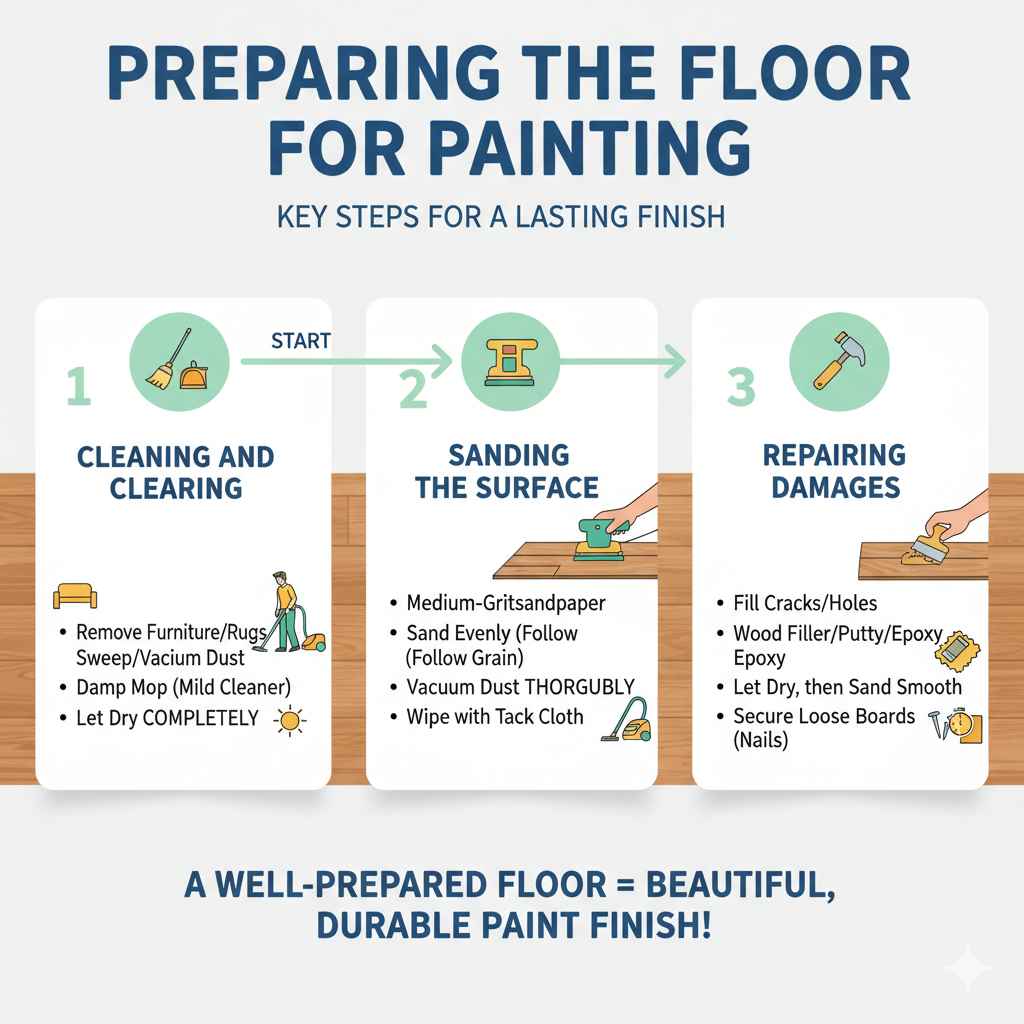
Preparing the floor is the first step before painting hardwood floors. A well-prepared floor ensures the paint sticks well and lasts longer. It also makes the surface smooth and clean for a beautiful finish.
Take time with this stage. It helps avoid problems later. Follow these key steps for the best results.
Cleaning And Clearing The Area
Start by removing all furniture and rugs from the room. Sweep or vacuum the floor to remove dust and dirt. Use a damp mop with a mild cleaner to wash the floor. Let the floor dry completely before moving to the next step. A clean floor helps the paint stick better.
Sanding The Surface
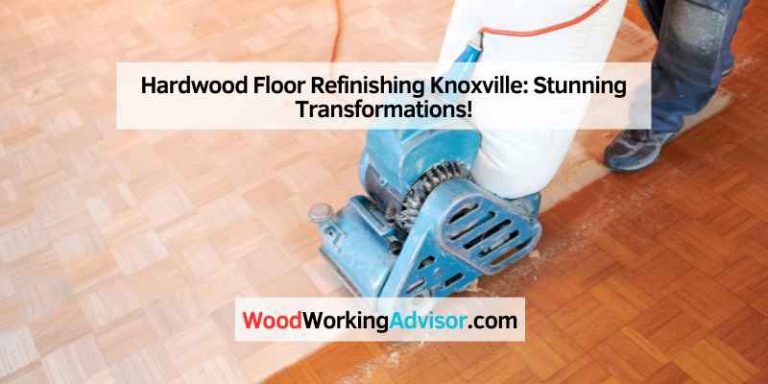
Sanding smooths out the floor and removes the old finish. Use medium-grit sandpaper or a floor sander for large areas. Sand evenly and follow the wood grain. After sanding, vacuum the dust thoroughly. Use a tack cloth to wipe off remaining dust. Sanding creates a rough surface that helps paint bond well.
Repairing Damages And Imperfections
Check the floor for cracks, holes, or gaps. Fill small holes with wood filler. For larger cracks, use wood putty or epoxy. Let the filler dry fully, then sand it smooth. Fix loose boards by securing them with nails or screws. Repairing makes the floor even and ready for painting.
Priming The Floor
Priming the floor is a key step before painting hardwood. It helps paint stick better and lasts longer. Skipping this step can cause peeling and uneven color. Proper priming also protects the wood from damage and stains.
Selecting The Best Primer
Choose a primer made for hardwood floors. Look for one that blocks stains and seals wood pores. Oil-based primers work well for durability. Water-based primers dry faster and have less smell. Pick a primer that matches your paint type.
Applying Primer Evenly
Use a brush or roller to spread primer. Start at the room’s corner and work backward. Apply thin, even coats to avoid drips. Make sure to cover all cracks and edges. Avoid pooling primer in one spot.
Drying Time And Tips
Allow the primer to dry fully before painting. Drying usually takes 2 to 4 hours. Keep the room well-ventilated to speed drying. Avoid walking on the floor during this time. Check the primer label for exact drying instructions.
Painting Techniques
Painting a hardwood floor requires the right techniques to get a smooth and lasting finish. The method you use affects the final look and durability. This section explains the best ways to paint your floor.
Choosing Brushes And Rollers
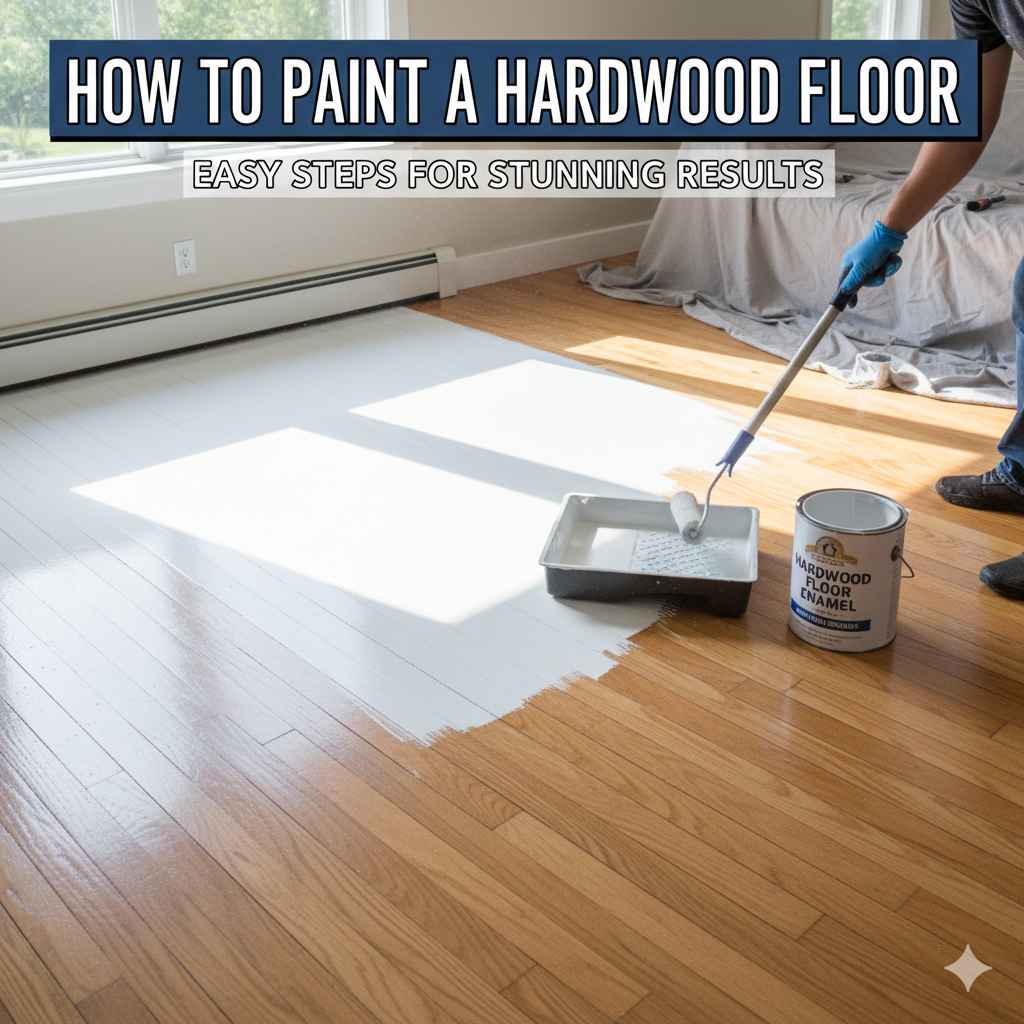
Pick brushes with natural bristles for detailed edges. Use a small angled brush for corners and trim. For the main floor area, choose a high-quality roller with a short nap. This helps spread the paint evenly without leaving marks. Avoid rollers that are too thick; they hold too much paint. A smooth finish needs the right tools.
Applying The First Coat
Start by cleaning the floor thoroughly. Use a primer made for wood surfaces. Apply the primer thinly and evenly using your roller. Paint along the wood grain to avoid streaks. Use the brush for edges and tight spots. Let the primer dry completely before the next step. This coat prepares the wood for paint and improves adhesion.
Adding Additional Coats
Apply the second coat after the first is dry. Use the same method as the primer coat. Thin, even layers work best for durability. Lightly sand the floor between coats with fine-grit sandpaper. This removes bumps and helps paint stick better. Remove dust before painting again. Two or three coats usually give the best results.
Sealing And Protecting
Sealing and protecting your painted hardwood floor is essential. It guards the surface from scratches, dirt, and water damage. A good sealant keeps the paint looking fresh and bright for a long time. Proper protection also makes cleaning easier and extends the floor’s life.
Types Of Sealants
Polyurethane is a popular sealant. It provides a hard, clear finish that resists wear. Water-based polyurethane dries fast and has low odor. Oil-based polyurethane is stronger but takes longer to dry.
Another option is acrylic sealant. It dries quickly and offers good protection. It is less durable than polyurethane but easy to apply.
Wax sealants give a soft shine and feel natural. They need more frequent reapplication and are less resistant to water.
Application Process
Start by cleaning the floor thoroughly. Make sure the paint is fully dry before sealing. Stir the sealant gently to avoid bubbles.
Use a brush or roller for even coverage. Apply thin coats and avoid pooling. Let each coat dry completely before the next.
Lightly sand between coats with fine-grit sandpaper. This helps the next layer stick better. Usually, two to three coats are enough for good protection.
Curing And Maintenance
Allow the sealant to cure fully before heavy use. This can take several days depending on the product. Keep the room well-ventilated during this time.
Clean the floor regularly with a soft broom or damp mop. Avoid harsh chemicals that can break down the sealant. Reapply sealant every few years or when the floor shows wear signs.
Common Mistakes To Avoid
Painting a hardwood floor can change the look of a room. Avoid mistakes to get the best results. Some errors can ruin your work or waste time and money. Knowing common mistakes helps you prepare better and finish well.
Skipping Preparation Steps
Preparation is key to a smooth paint job. Clean the floor well to remove dirt and dust. Sand the surface lightly to help paint stick. Skip these steps, and paint may peel or chip soon. Take time to fix holes or cracks before painting.
Using The Wrong Paint
Not all paint works on hardwood floors. Use paint made for floors or wood surfaces. Regular wall paint can wear off fast or look dull. Choose a paint that is durable and easy to clean. This choice keeps your floor looking good for longer.
Rushing The Drying Process
Paint needs time to dry fully. Touching or walking on the floor too soon can damage the paint. Follow the drying time on the paint label carefully. Patience prevents smudges and uneven color. Let each coat dry well before applying the next.
Maintenance Tips
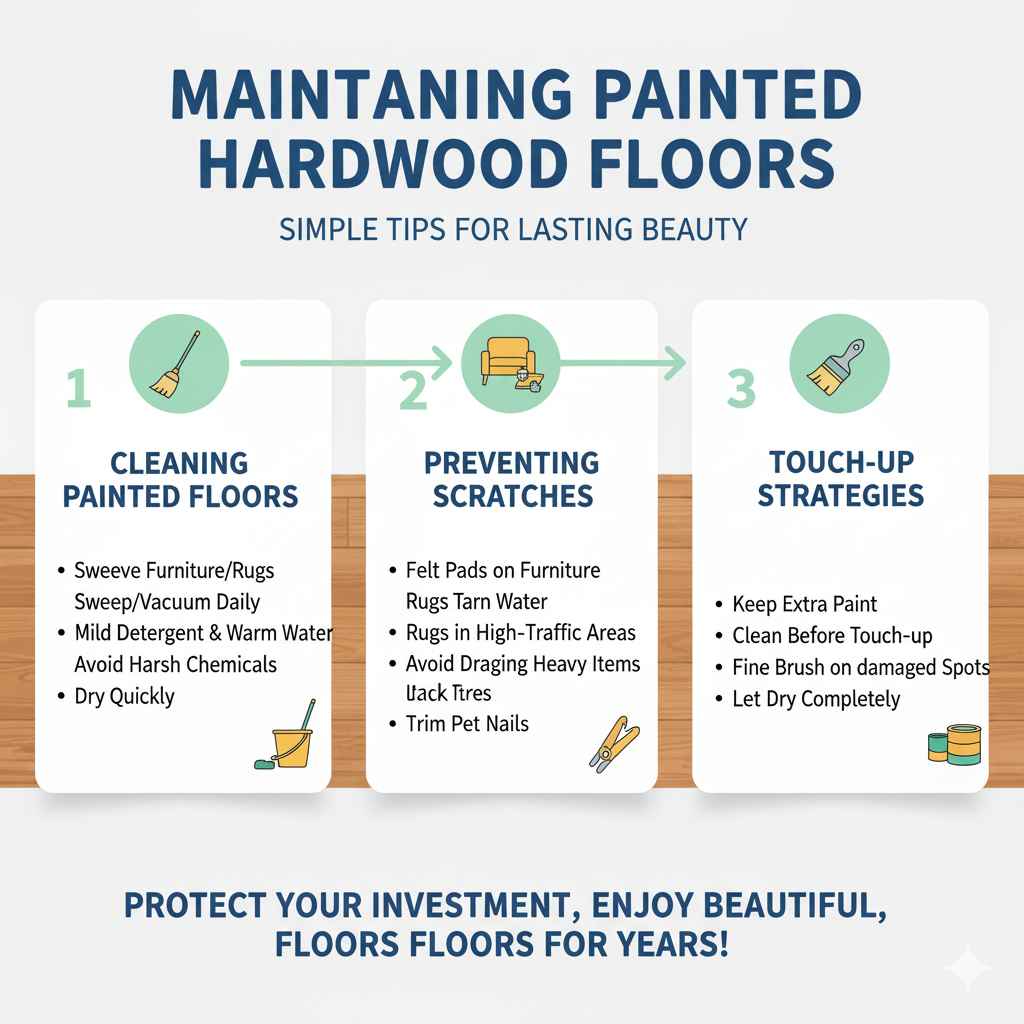
Painting hardwood floors can give your space a fresh, new look. To keep them looking great, regular maintenance is important. This section shares simple tips to protect your painted floors and keep them shining for years.
Cleaning Painted Floors
Use a soft broom or vacuum to remove dust and dirt daily. Avoid harsh chemicals or abrasive cleaners that can damage paint. Instead, mop with warm water and a mild detergent. Dry the floor quickly with a clean cloth to prevent water spots. Regular gentle cleaning helps maintain the paint’s finish and color.
Preventing Scratches And Damage
Place felt pads under furniture legs to avoid scratches. Use rugs or mats in high-traffic areas to protect the paint. Avoid dragging heavy items across the floor. Keep pet nails trimmed to reduce marks. These steps reduce wear and keep your floor smooth and intact.
Touch-up Strategies
Keep extra paint for small repairs. Clean the area before touching up. Use a fine brush to apply paint only to damaged spots. Let it dry completely before walking on it. Touch-ups prevent small chips from getting worse and help your floor look fresh longer.
Frequently Asked Questions
How Do I Prepare A Hardwood Floor For Painting?
Start by cleaning the floor thoroughly to remove dirt and debris. Sand the surface to create a smooth base. Fill any gaps or holes with wood filler. Finally, vacuum and wipe the floor clean before painting.
What Type Of Paint Is Best For Hardwood Floors?
Use a durable, water-based polyurethane floor paint. It offers strong adhesion and resists scratches. Avoid regular wall paint, as it may peel or chip quickly on floors. Choose a paint with a satin or semi-gloss finish for durability.
How Many Coats Of Paint Should I Apply?
Apply at least two coats of paint for even coverage. Allow the first coat to dry completely before adding the second. More coats can increase durability and color depth but ensure each layer dries thoroughly.
Can I Paint Hardwood Floors Myself?
Yes, painting hardwood floors is a doable DIY project. With proper preparation and materials, you can achieve professional results. Take your time with sanding, painting, and drying for the best finish.
Conclusion
Painting a hardwood floor can change a room’s look quickly. Prepare the surface well to help paint stick longer. Choose the right paint and tools for best results. Take your time and work carefully on each step. Clean up messes as you go to keep things tidy.
Enjoy the fresh, new feel your painted floor brings. Try this project to refresh your home without much cost. Simple effort, great results.