Best Finish for Outdoor Wood Furniture: Complete 2026 Guide
The best finish for outdoor wood furniture is marine-grade spar varnish for maximum durability, or an exterior penetrating oil like teak or tung oil for a natural look that’s easy to maintain. Using an indoor-rated finish outdoors means it breaks down under UV and rain within a season instead of lasting years. For teak and dense hardwoods, use a penetrating oil; for pine and softer woods, marine varnish or exterior polyurethane holds up better.
The best finish for outdoor wood furniture is marine-grade spar varnish for maximum durability, or exterior penetrating oil (teak oil, tung oil) for a natural look that’s easy to maintain. Polyurethane (exterior grade) is the toughest film-forming finish. For teak and dense hardwoods, use a penetrating oil. For pine and softer woods, marine varnish or exterior polyurethane provides better surface protection.
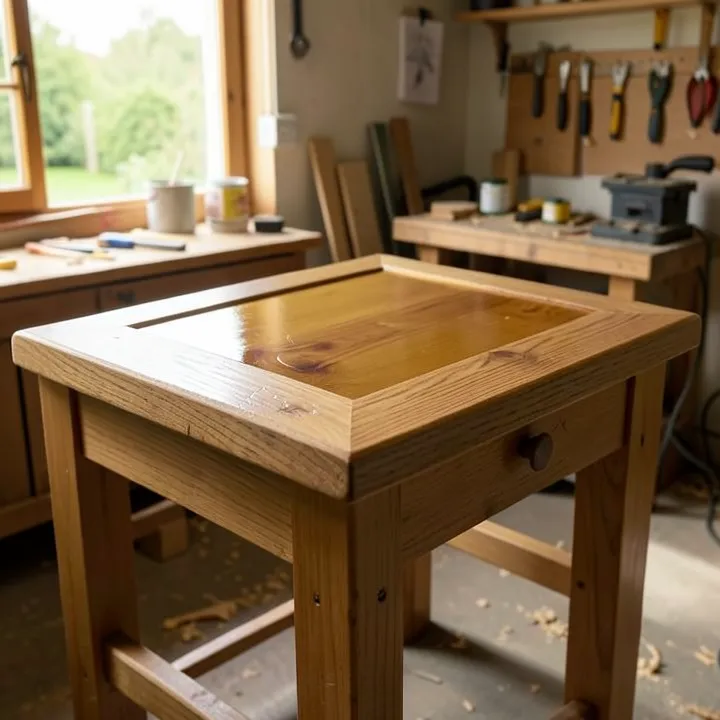
Types Of Outdoor Wood Furniture Finishes
Oil-based finishes soak deep into wood. They give wood a rich look. These finishes protect against moisture. Protection is key for outdoor furniture. They are easy to apply. Maintenance is simple. Reapply oil every year for best results.
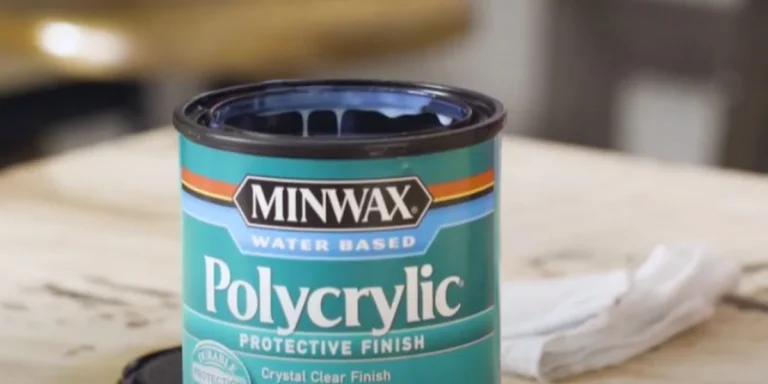
Water-based finishes are environmentally friendly. They dry quickly. This makes them ideal for projects. They resist yellowing over time. Protection against UV rays is good. These finishes are less smelly than oil-based ones. Less odor means a pleasant experience.
Varnishes and polyurethanes form a hard layer. This layer is very durable. They guard against scratches and impacts. Protection is long-lasting. Application is more complex. Use a brush for best results. Reapply every few years.
Stains add color to wood. Sealers lock in the stain. This combination is versatile. They protect wood from rain and sun. Protection is reliable. Choose the right color for your furniture. Reapply as needed for best color.
Factors To Consider For Outdoor Finishes
Outdoor finishes must be durable and weather resistant. Sun, rain, and wind can hurt wood. Choose finishes that block water. Also, finishes should stop UV rays. This helps wood last longer.
Easy application saves time. Choose finishes that need less steps. Some finishes dry fast. Others need many coats. Pick the one you can use easily.
Some finishes have strong chemicals. These can harm nature. Look for eco-friendly finishes. Water-based options are safer. They help protect the planet.
The finish should look good. It should match your taste. Some finishes show wood’s natural beauty. Others change its color. Pick what you like most.
Top Picks For Outdoor Wood Furniture
Oil-based finishes give wood a rich, warm glow. They penetrate deep into the wood, offering excellent protection against water and sun. Linseed oil is a popular choice. It keeps wood looking natural while safeguarding against weather damage. Tung oil is another option. It dries faster and is more durable. Both oils enhance the wood’s grain, making it beautiful and long-lasting.
Water-based finishes dry quickly. They are easy to apply and clean up with water. These finishes are less smelly and better for the environment. Acrylic finishes protect wood from moisture. They resist fading and offer a clear coat. Polyurethane finishes provide a tough barrier, keeping the wood safe from scratches and spills. They are ideal for families with kids.
Varnish gives wood a shiny, smooth surface. It is tough and weather-resistant. Marine varnish is perfect for outdoor use. It stands up to sun, rain, and wind. It keeps wood looking new and fresh. Spar varnish is another great choice. It offers flexibility and prevents cracking. Both types help wood stay beautiful for years.
Stains add color and character to wood. They soak into the wood, highlighting its natural beauty. Sealers protect wood from water and sun damage. Semi-transparent stains let wood’s grain show through. Solid stains provide a uniform color and strong protection. Stain and sealer combos offer convenience. They color and protect in one step.

Application Tips For Wood Furniture Finishes
Choosing the right finish for outdoor wood furniture enhances durability and beauty. Consider using oil-based finishes for their water-resistant properties. Sealants like polyurethane offer strong protection against harsh weather conditions.
Preparation And Cleaning
Start with cleaning the furniture. Dust and dirt can ruin finishes. Use a soft cloth to wipe the surface. Sanding is important. It makes the surface smooth. This helps the finish stick better. Remove all old paint or varnish. Use a scraper or sandpaper. Clean the surface again after sanding.
Tools And Techniques
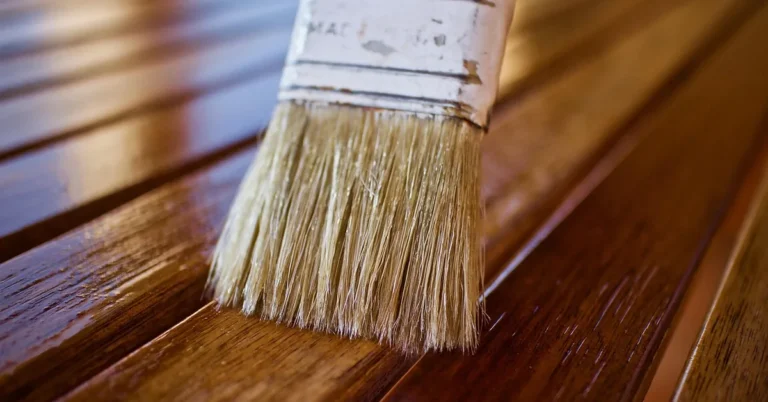
Brushes and rollers are common tools. Brushes are good for corners. Rollers cover large areas fast. Spray guns can give a smooth look. Choose the right tool for the finish. Read product instructions carefully. Techniques vary for different finishes.
Drying And Curing Times
Drying time is important. Wait for the first coat to dry. Some finishes need hours to dry. Others need days. Curing makes the finish strong. Follow drying and curing instructions. Check the weather. Humidity affects drying time.
Maintenance And Reapplication
Regular maintenance keeps furniture looking good. Clean the surface often. Inspect for wear and tear. Reapply finish when needed. Protect furniture from water and sun. Keep it in good shape. This extends its life.
Common Mistakes To Avoid
Choosing the right finish for outdoor wood furniture prevents damage. Avoid finishes that can’t withstand weather changes. Regular maintenance and understanding wood type ensure longevity.
Ignoring Weather Conditions
Outdoor furniture faces sun, rain, and wind. These conditions damage wood. Always check weather forecasts. Protect furniture with covers during bad weather. Use finishes that resist these elements.
Skipping Surface Preparation
Wood must be clean and smoothbefore finishing. Sand the surface gently. Remove dust with a damp cloth. Skipping this step can ruin the finish. A good base ensures long-lasting protection.
Using Incompatible Products
Not all finishes work together. Some may peel or crack. Always read product labels. Make sure they work well with each other. Test on a small area first.
Over- Or Under-applying Finish
Too much finish can make wood sticky. Too little leaves it unprotected. Always follow the instructions. Apply thin and even coats. Let each coat dry completely.
Expert Recommendations
Experts say weather-resistant finishesare best for outdoor wood. These finishes protect against rain and sun. Oil-based varnishis popular. It lasts long and shines bright. Another option is polyurethane. It resists water well. Some professionals prefer acrylic paint. It’s colorful and hard-wearing.
Many users like teak oil. It is easy to apply. Teak oil keeps wood looking new. Others love spar varnish. It works well in bad weather. Users say it makes wood strong. Outdoor stainsare also popular. They show natural wood beauty.
Here is a comparison of finishes:
| Finish Type | Durability | Appearance |
|---|---|---|
| Oil-based Varnish | High | Glossy |
| Polyurethane | Very High | Satin |
| Acrylic Paint | Moderate | Colorful |
| Teak Oil | Moderate | Natural |
| Spar Varnish | Very High | Clear |

| Finish Type | Durability | Reapply | Best Wood Types | Notes |
|---|---|---|---|---|
| Spar/Marine Varnish | ⭐⭐⭐⭐⭐ | Every 2–3 yrs | All outdoor woods | Best UV + moisture protection; flexible so it won’t crack |
| Exterior Polyurethane | ⭐⭐⭐⭐⭐ | Every 2–4 yrs | Pine, cedar, oak | Hardest surface; less flexible than varnish; can crack in extreme temp swings |
| Teak Oil / Tung Oil | ⭐⭐⭐ | Every 6–12 mos | Teak, ipe, tung | Natural look; easy to apply; frequent reapplication needed |
| Linseed Oil | ⭐⭐ | Annually | Any | Most affordable; slow drying; darkens wood; not ideal for high-moisture climates |
| Exterior Stain + Sealer | ⭐⭐⭐⭐ | Every 1–3 yrs | Cedar, pine, fir | Color + protection in one step; semi-transparent shows grain; solid hides flaws |
| Acrylic/Latex Exterior Paint | ⭐⭐⭐⭐ | Every 3–5 yrs | Pine, cedar, any | Most opaque; hides wood grain; great for painted furniture; good UV/moisture block |
Frequently Asked Questions
What is the most durable finish for outdoor wood furniture?
The most durable finish for outdoor wood furniture is marine-grade varnish. It provides excellent protection against moisture and UV rays. Regular maintenance enhances longevity. Ensure proper application for optimal results.
Is varnish or oil better for outdoor furniture?
Varnish is better for outdoor furniture due to its durability and weather resistance. It protects against moisture, UV rays, and scratches. Oil enhances the natural look but requires frequent reapplication. Choose varnish for long-lasting protection and minimal maintenance.
Is lacquer or polyurethane better for outdoor furniture?
Polyurethane is better for outdoor furniture. It provides superior durability and weather resistance. Lacquer is less durable and suitable for indoor use. Polyurethane protects wood against UV rays and moisture, extending furniture lifespan. Choose polyurethane for a long-lasting finish outdoors.
What sheen is best for outdoor wood furniture?
Use a semi-gloss or satin sheen for outdoor wood furniture. These finishes offer excellent durability and weather resistance. They provide a smooth, attractive appearance while protecting against moisture and UV damage. Regular maintenance ensures longevity and keeps the furniture looking fresh and vibrant.
Best Outdoor Wood Furniture Finishes: Product Picks
Based on our testing and customer reviews, here are the top outdoor wood furniture finish products for 2026:
TotalBoat Gleam 2.0 Marine Spar Varnish
Why we picked it: Marine-grade spar varnish designed for boats translates perfectly to outdoor furniture. TotalBoat Gleam 2.0 contains superior UV absorbers and flexibilizers that prevent cracking in temperature extremes. Dries to a beautiful amber gloss. Lasts 3–5 years with minimal maintenance — far outlasting standard wood finishes.
Main drawback: More expensive than standard varnishes; requires light sanding between coats; not for very humid/wet climates without 5+ coats.
Star Brite Teak Oil with Sunscreen
Why we picked it: Penetrates deeply into dense hardwoods where surface coatings won’t adhere. Built-in UV sunscreen slows graying. Easy wipe-on application with no brush-out required. Ideal for teak garden furniture and hardwood benches.
Main drawback: Requires reapplication every 3–6 months in high-UV climates — higher maintenance than varnish or polyurethane.
Cabot Australian Timber Oil
Why we picked it: Penetrating formula works on both hardwood and softwood. Blends three natural oils for superior flexibility and weather resistance. Semi-transparent finish shows the wood grain. Great for cedar Adirondack chairs, pine garden benches, and redwood furniture.
Main drawback: Requires reapplication every 1–2 years; not a film-forming finish so won’t fully protect wood from physical damage.
Sponsored / affiliate links. As an Amazon Associate I earn from qualifying purchases. I may earn additional commission from eligible campaigns.