How to Protect Cedar: Essential Tips for Longevity
Protecting cedar is crucial to maintain its beauty and longevity. Cedar is a popular wood choice for its durability, but it needs care.
In this guide, you’ll learn effective ways to protect cedar. Cedar is known for its natural resistance to decay and insects. But, like any wood, it can weather and deteriorate over time. Proper protection will keep your cedar looking fresh and strong.
Whether used in furniture, siding, or decks, taking steps to shield cedar from the elements is essential. This guide will help you understand the best methods to protect cedar. From sealing and staining to regular maintenance, you’ll find practical tips to ensure your cedar lasts for years. Keep reading to discover how to give your cedar the care it deserves.
Introduction To Cedar Wood
Cedar wood is one of nature’s gifts that we often take for granted. This wood is not only beautiful but also practical. Have you ever wondered why cedar closets are so popular or why cedar shingles top so many homes? Let’s dive into what makes cedar wood so special.
Characteristics Of Cedar
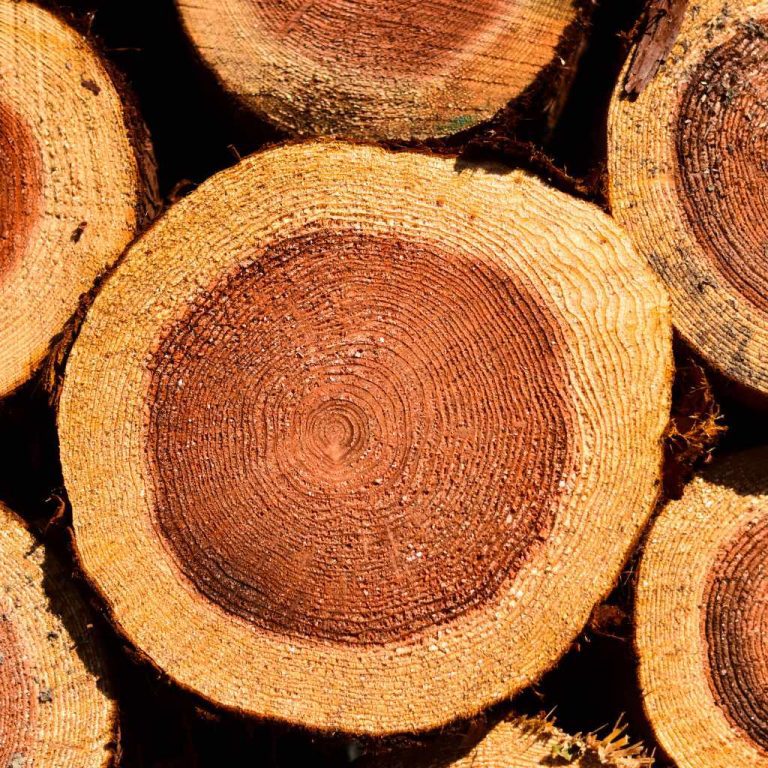
Cedar wood is known for its distinctive aroma, which many find pleasant. But there’s more to cedar than its smell. Here are some key characteristics:
- Durability: Cedar is resistant to rot and insects, making it perfect for outdoor use.
- Color: It has a reddish hue that can add warmth to any space.
- Lightweight: Despite its durability, cedar is relatively light, making it easy to work with.
- Texture: The wood has a fine, even texture that makes it ideal for carving and detailed work.
Common Uses Of Cedar
Because of its unique properties, cedar is used in a variety of applications. Let’s look at some of the most common uses:
- Outdoor Furniture: Cedar’s resistance to weathering makes it a top choice for patio furniture.
- Shingles and Siding: Many homes feature cedar for its aesthetic appeal and longevity.
- Closets and Chests: Cedar’s aroma repels moths, making it ideal for protecting clothing.
- Decking: A cedar deck can withstand the elements while providing a beautiful addition to any home.
Have you ever had a cedar chest in your family? It’s like a treasure trove, isn’t it? The smell of cedar alone can bring back memories. But it’s not just about nostalgia. Cedar wood is practical and stylish, making it a favorite for many homeowners and builders alike.
In the next sections, we will explore how you can protect this fantastic wood to ensure it lasts for generations. Stay tuned!
Benefits Of Protecting Cedar
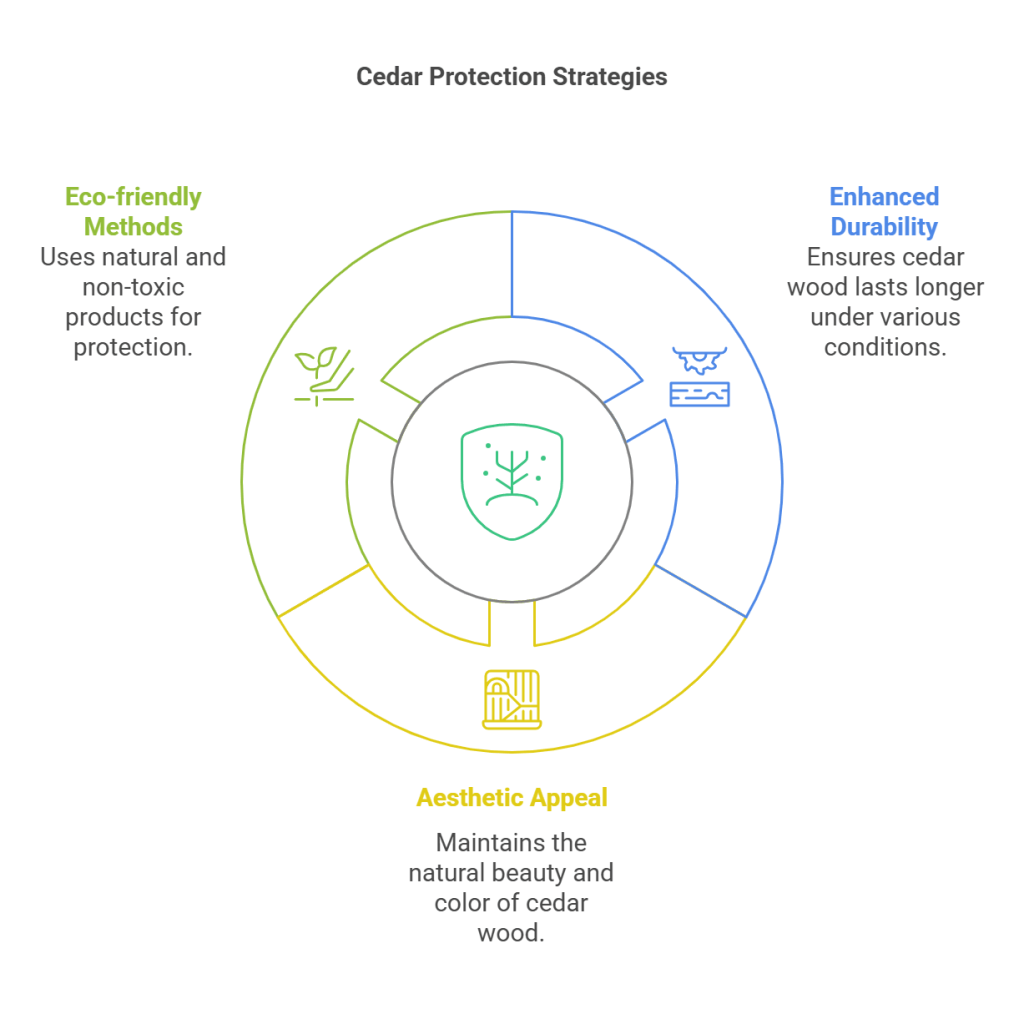
Protecting cedar wood offers many benefits. It not only extends the life of the wood but also enhances its appearance. This section explores the advantages of safeguarding cedar, focusing on its durability and aesthetic appeal.
Enhanced Durability
Protecting cedar increases its lifespan. Cedar is naturally resistant to decay and insects. Yet, exposure to the elements can still wear it down. Proper protection, like sealing and staining, prevents moisture damage. It also stops the wood from cracking and splitting. Regular maintenance keeps cedar strong and reliable for years.
Aesthetic Appeal
Protecting cedar enhances its natural beauty. The wood has a unique, rich color. Sealing and staining help retain this color. Without protection, cedar can turn gray and dull. Regular care preserves its vibrant look. A well-maintained cedar surface looks fresh and attractive. It adds charm to any space, whether indoors or outdoors.
Choosing The Right Cedar
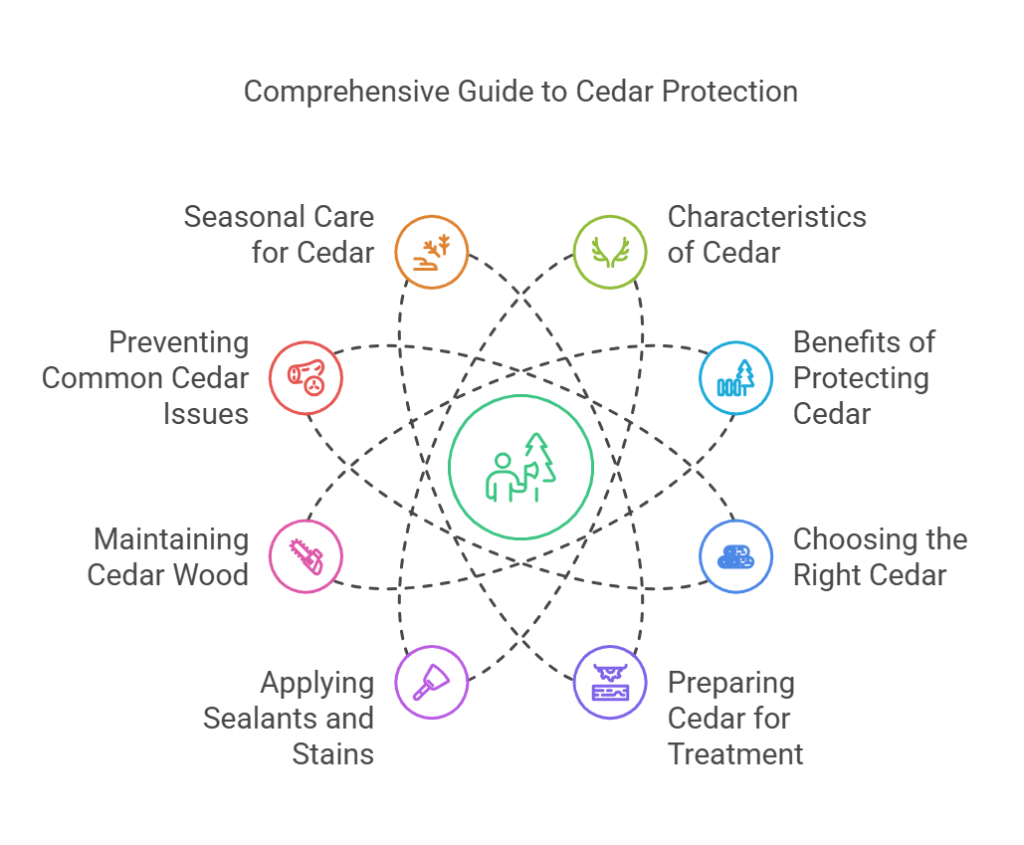
Choosing the right cedar is crucial for longevity and beauty. Cedar wood is known for its durability and resistance to decay. This makes it an excellent choice for outdoor projects. But not all cedar is the same. Understanding the different types and quality indicators can help you make an informed decision.
Types Of Cedar
Cedar comes in various types, each with unique qualities. Western Red Cedar is popular for its rich color and fine grain. Eastern White Cedar is known for its light color and uniform texture. Alaskan Yellow Cedar is dense and strong, making it ideal for heavy-duty use. Each type has its benefits and best uses, so choose based on your project needs.
Quality Indicators
High-quality cedar has a few key indicators. Look for a tight, straight grain pattern. This signifies strength and stability. The wood should be free of knots or have only small, tight knots. Large or loose knots can weaken the wood. The color should be consistent and free of blemishes. Fresh cedar has a pleasant aroma. This indicates natural oils that help resist decay and insects.
Preparing Cedar For Treatment
Preparing cedar for treatment is crucial to ensure its longevity. Proper preparation helps cedar resist harsh weather and pests. The process involves cleaning the surface and sanding it smoothly. Follow these steps to get your cedar ready for treatment.
Cleaning The Surface
Start by removing any dirt or debris. Use a soft brush and water. Gently scrub the cedar to avoid damage. Let it dry completely before moving on. Clean surfaces allow better absorption of treatment products.
Sanding Techniques
Sanding ensures a smooth surface for treatment. Use fine-grit sandpaper for best results. Sand in the direction of the grain. This prevents scratches and enhances the cedar’s appearance. Wipe off any dust with a damp cloth. This prepares the cedar for the final treatment.
Applying Sealants And Stains
Cedar is a beautiful and durable wood. To maintain its natural beauty and longevity, applying sealants and stains is essential. This process helps protect cedar from moisture, UV rays, and other elements. Let’s explore the types of sealants and the best staining practices to keep your cedar looking great.
Types Of Sealants
There are different types of sealants for cedar. Each has its own benefits. Clear sealants allow the wood’s natural color to show through. They provide protection without altering the appearance. Semi-transparent sealants add a hint of color. They enhance the wood grain while offering UV protection. Solid-color sealants provide the most coverage and protection. They completely cover the wood grain and give a painted look.
Best Staining Practices
Before staining, clean the cedar surface. Remove dirt, mildew, and old finishes. Use a wood cleaner or mild detergent with water. Allow the wood to dry completely. Choose the right stain for your cedar. Oil-based stains penetrate deeper and last longer. Water-based stains are easier to clean and offer a quicker drying time.
Apply the stain evenly using a brush or sprayer. Work in small sections to prevent streaks and uneven coverage. Follow the wood grain for a natural look. Allow the stain to dry as per the manufacturer’s instructions. Apply a second coat if needed for deeper color and protection.
Regular maintenance is key. Inspect your cedar annually. Reapply sealant or stain as needed to keep your cedar looking its best.
Maintaining Cedar Wood
Cedar wood is known for its natural beauty and durability. However, to maintain its charm, it requires some tender loving care. If you’re wondering how to keep your cedar looking pristine, you’re in the right place. Let’s delve into the essential steps for maintaining cedar wood, ensuring it remains a stunning feature of your home for years to come.
Regular Cleaning
Regular cleaning is the first step in maintaining cedar wood. Dust, dirt, and mildew can accumulate on the surface, diminishing its appearance and potentially causing damage. Here’s how you can keep your cedar looking fresh:
- Dusting: Use a soft cloth or a feather duster to remove surface dust. This simple task can make a huge difference.
- Washing: Mix a solution of mild soap and water. Gently scrub the cedar with a soft brush or sponge. Rinse thoroughly with clean water.
- Mildew Removal: If you spot mildew, mix one part bleach with three parts water. Apply this solution to the affected area and scrub gently. Rinse well to remove any bleach residue.
Remember, regular cleaning not only maintains the wood’s appearance but also extends its lifespan.
Periodic Reapplication
Over time, cedar can lose its natural oils and protective finish. Periodic reapplication of sealants or stains is crucial to preserving its beauty and durability. Here’s a simple guide:
- Choose the Right Product: Opt for a high-quality wood sealant or stain designed for cedar. These products help protect against moisture, UV rays, and other environmental factors.
- Preparation: Before applying, clean the cedar thoroughly and let it dry completely. Sanding the surface lightly can also help the new coat adhere better.
- Application: Use a brush or a roller to apply the sealant or stain evenly. Follow the manufacturer’s instructions regarding the number of coats and drying times.
- Regular Checks: Periodically inspect the cedar for signs of wear. Reapply the sealant or stain as needed, usually every 1-3 years, depending on exposure to the elements.
By following these steps, you can keep your cedar looking vibrant and ensure it withstands the test of time.
Preventing Common Cedar Issues
Cedar is a beautiful and durable wood, often used in outdoor structures and furniture. However, without proper care, it can face several issues. To keep your cedar looking its best and lasting for years, it’s important to take steps to prevent common problems. Below, we’ll explore how to prevent mold and mildew, and protect against insects.
Mold And Mildew Prevention
Mold and mildew can be a major headache for cedar owners. These fungi thrive in damp environments, which means your cedar could be at risk if it’s exposed to a lot of moisture. But don’t worry, there are ways to keep mold and mildew at bay:
- Ensure Proper Ventilation: Good airflow can help keep your cedar dry. If you have cedar furniture, place it in a spot where it can breathe.
- Regular Cleaning: Clean your cedar regularly with a mild detergent and water. Avoid using harsh chemicals that can damage the wood.
- Seal the Wood: Applying a water-repellent sealant can help prevent moisture from penetrating the cedar. This creates a barrier that mold and mildew can’t easily breach.
Personally, I’ve found that a combination of regular cleaning and using a high-quality sealant works wonders. Plus, it gives me an excuse to spend a bit more time outdoors!
Insect Protection
Insects can be another common issue for cedar, as they love to burrow into the wood. Here are some simple steps you can take to protect your cedar from these tiny invaders:
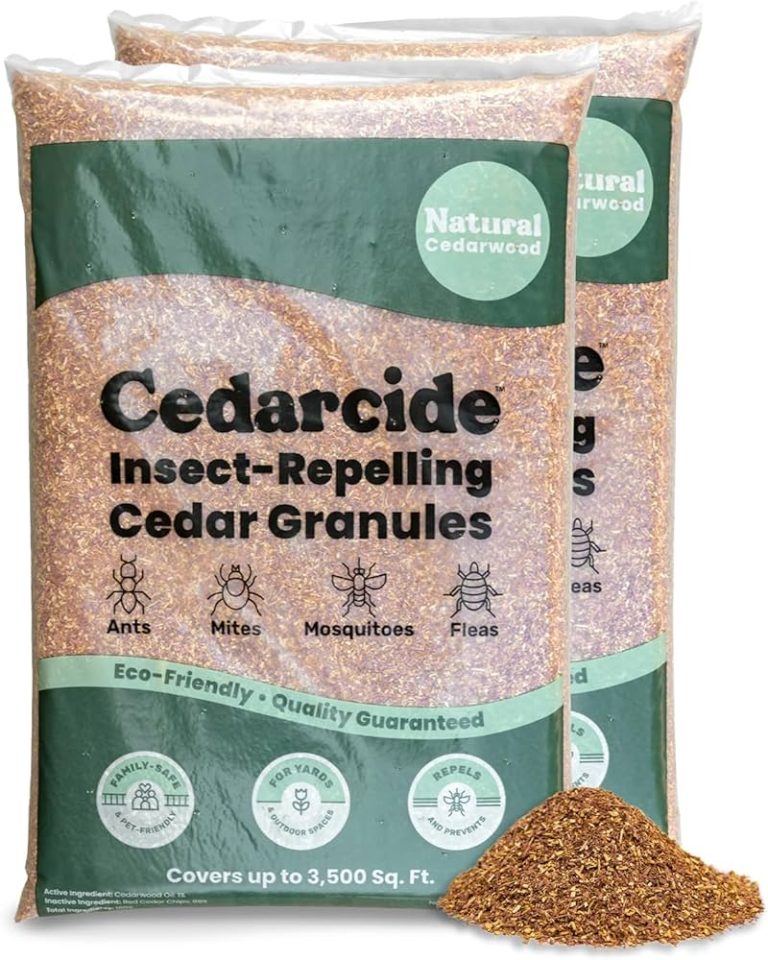
- Use Insecticides: Applying a cedar-safe insecticide can help keep bugs at bay. Be sure to follow the instructions on the label for the best results.
- Keep the Area Clean: Insects are attracted to debris and clutter. Keep the area around your cedar clean and free of leaves, grass clippings, and other organic matter.
- Regular Inspections: Check your cedar regularly for signs of insect activity, such as small holes or sawdust. Catching problems early can prevent major damage.
One time, I discovered a small insect problem early on and was able to address it quickly with an insecticide. It saved me a lot of trouble in the long run and kept my cedar looking great!
By taking these simple steps, you can help ensure that your cedar remains beautiful and durable for many years. Remember, a little prevention goes a long way!
Seasonal Care For Cedar
So, you’ve got some beautiful cedar in your yard. Cedar is known for its durability and charming appearance. But like any other wood, it needs a bit of tender loving care to keep it in top shape. Let’s talk about how to care for cedar throughout the seasons. It’s easier than you might think!
Winter Protection
When winter rolls in, cedar can take a bit of a beating. Cold winds, snow, and ice can be tough. To protect your cedar during winter, follow these simple steps:
- Shield from Snow: Use a tarp or a cover to protect cedar from heavy snowfalls. This prevents the wood from absorbing too much moisture.
- Avoid Ice Build-Up: Remove ice carefully to avoid scraping the wood. A soft brush can do wonders.
- Seal the Wood: Before winter, apply a wood sealant to help cedar resist moisture. This can prolong its life and maintain its look.
Fun fact: Cedar naturally repels moths and insects, which means fewer winter pests to worry about!
Summer Maintenance
Summer is the perfect time to give your cedar some extra attention. Here’s how to keep it looking fresh and healthy:
- Regular Cleaning: Clean the cedar with a soft brush and mild soap. This removes dirt and grime that can build up over time.
- Inspect for Damage: Check for any signs of wear or damage, such as cracks or warping. Early detection can save you a lot of trouble.
- Reapply Finish: If your cedar has a finish, reapply it during the summer. This keeps the wood protected from the sun’s harsh rays.
Pro tip: A little humor never hurts—my cedar loves its summer baths! It’s like a spa day, minus the cucumber slices.
In conclusion, seasonal care for cedar is straightforward and can be quite enjoyable. By taking these small steps in winter and summer, you can ensure your cedar stays beautiful and strong for many years. Happy caring!
Eco-friendly Protection Methods
Protect cedar with eco-friendly methods like natural oils and non-toxic stains. These options preserve wood without harming the environment. Sustainable solutions keep cedar looking great and lasting longer.
Protecting cedar wood can be done without harming the environment. Eco-friendly methods are safe and effective. They preserve the wood’s natural beauty and longevity. Let’s explore some natural and non-toxic options to keep your cedar looking great.
Natural Oils
Natural oils are a great choice for cedar protection. They penetrate deep into the wood. This enhances its natural color and grain. Linseed oil is a popular option. It provides a durable finish and repels moisture. Another good choice is tung oil. It creates a hard, protective layer. Both are safe and environmentally friendly. Applying these oils is simple. Use a brush or cloth to spread evenly. Allow the oil to soak in and dry. Reapply as needed for lasting protection.
Non-toxic Products
Non-toxic products are also effective for cedar protection. These products contain no harmful chemicals. They are safe for people, pets, and the planet. Look for water-based sealants. They provide a clear, protective barrier. These sealants prevent moisture and UV damage. They also resist mildew and mold. Another option is beeswax polish. It adds a natural shine and protection. Application is easy. Follow the instructions on the product label. Regular maintenance ensures the wood stays protected and beautiful.
Frequently Asked Questions
What Is The Best Protection For Cedar?
The best protection for cedar is using a high-quality, UV-resistant sealer or stain. Apply it every 2-3 years.
Should You Stain Or Seal Cedar?
Stain cedar for a richer color and UV protection. Seal cedar to enhance durability and resist moisture.
How Do You Weatherproof Cedar?
To weatherproof cedar, apply a high-quality wood sealant or stain. Clean the wood thoroughly before application. Reapply every 1-3 years for best results.
Does Cedar Need To Be Waterproofed?
Yes, cedar needs waterproofing. Unprotected cedar can absorb moisture, leading to decay and rot. Regular sealing extends its lifespan.
Conclusion
Protecting cedar is simple with the right steps. Regular cleaning helps maintain its beauty. Applying a sealant shields it from the elements. Staining adds extra protection and color. Follow these tips to keep your cedar looking great for years. Proper care ensures longevity and enhances the natural charm of cedar wood.
Enjoy the timeless elegance of well-maintained cedar in your home or garden. Remember, a little effort goes a long way in preserving its beauty.