How to Seal Cedar Siding the Right Way (Oil-Based Stain, Not Alkali Primer)
Cedar siding needs an oil-based, UV-blocking stain or sealer – not an “alkali-resistant primer.” That’s a common mix-up worth correcting directly: alkali-resistant primers are formulated for masonry, stucco, and concrete to block alkaline salts (efflorescence) from those materials. Cedar is wood, not masonry, and its actual finishing problem is tannin bleed and UV graying, which calls for an oil-based penetrating stain or a genuine stain-blocking (not alkali-blocking) primer if you’re painting it opaque.
Here’s what cedar actually needs, and why the product category matters more than most people realize.
Why Cedar Needs a Different Approach Than Other Siding
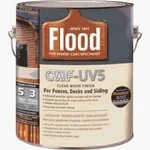 |
Flood CWF-UV5 Oil-Based Wood Finish (1 Gal, Natural) – $58 This is the type of finish referenced throughout this guide – an oil-based, UV-blocking penetrating stain that lets cedar’s natural tannins evaporate instead of trapping and staining them.
|
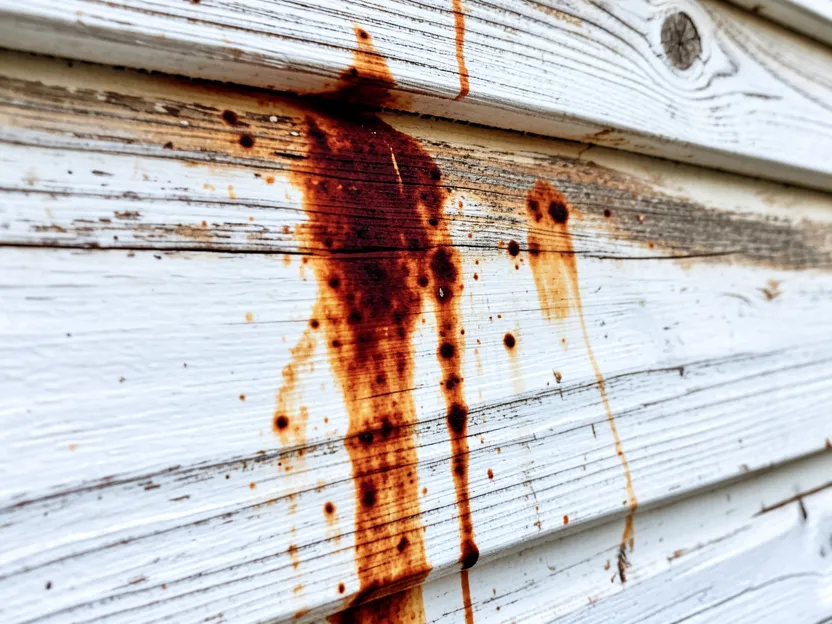
Cedar’s natural rot and insect resistance comes from oils and water-soluble tannins in the wood. Those same tannins are what cause the brown-red staining you sometimes see bleeding through white or light-colored paint on cedar siding – moisture in the wood carries the tannins to the surface, and a paint film that doesn’t block them lets the stain show through months or years later.
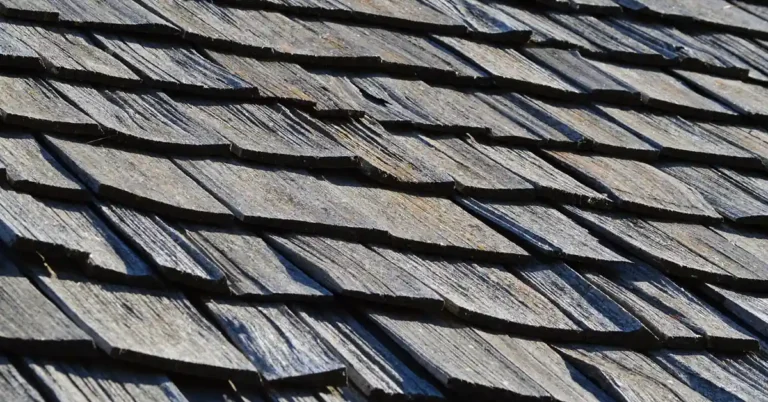
Left completely unfinished, cedar also grays from UV exposure within months – that silvery weathered look is UV breaking down the wood’s surface lignin, and it happens even though cedar is rot-resistant. A clear finish without UV blockers doesn’t meaningfully slow this; it just adds a film that eventually fails and needs stripping, sometimes worse than bare wood since a failing film traps moisture unevenly.
Picking the Right Product
- Want to keep the natural wood look: use an oil-based, semi-transparent penetrating stain with UV blockers. This is the standard approach for cedar siding – it soaks into the wood rather than forming a surface film, so tannins can still migrate and evaporate normally instead of getting trapped.
- Planning to paint cedar an opaque color: prime first with an oil-based or shellac-based stain-blocking primer specifically labeled for tannin bleed (common examples include oil-based “stain blocking” primers, not masonry alkali-resistant primers). Skipping this step is the most common reason painted cedar shows brown bleed-through stains within the first year or two, especially with white or pastel topcoats.
- Avoid: plain water-based latex primer directly on bare cedar if you’re going with a light color – it doesn’t block tannins as reliably as an oil-based stain-blocking product.
Prepping and Applying the Sealer
- Clean the siding first – a pressure washer on a low setting (around 500-1200 PSI, with a wide fan tip) or a scrub with a wood-safe deck cleaner removes dirt, mildew, and any old failing finish. Cedar is soft; too much PSI or too tight a nozzle angle can gouge the surface.
- Let it dry fully before finishing – cedar is dense enough that it needs more drying time than you’d expect, typically 48-72 hours in good weather, longer if humid. Sealing over damp wood traps moisture under the finish and leads to early failure.
- Lightly sand any raised or fuzzy grain left from pressure washing or old weathering, then wipe away dust.
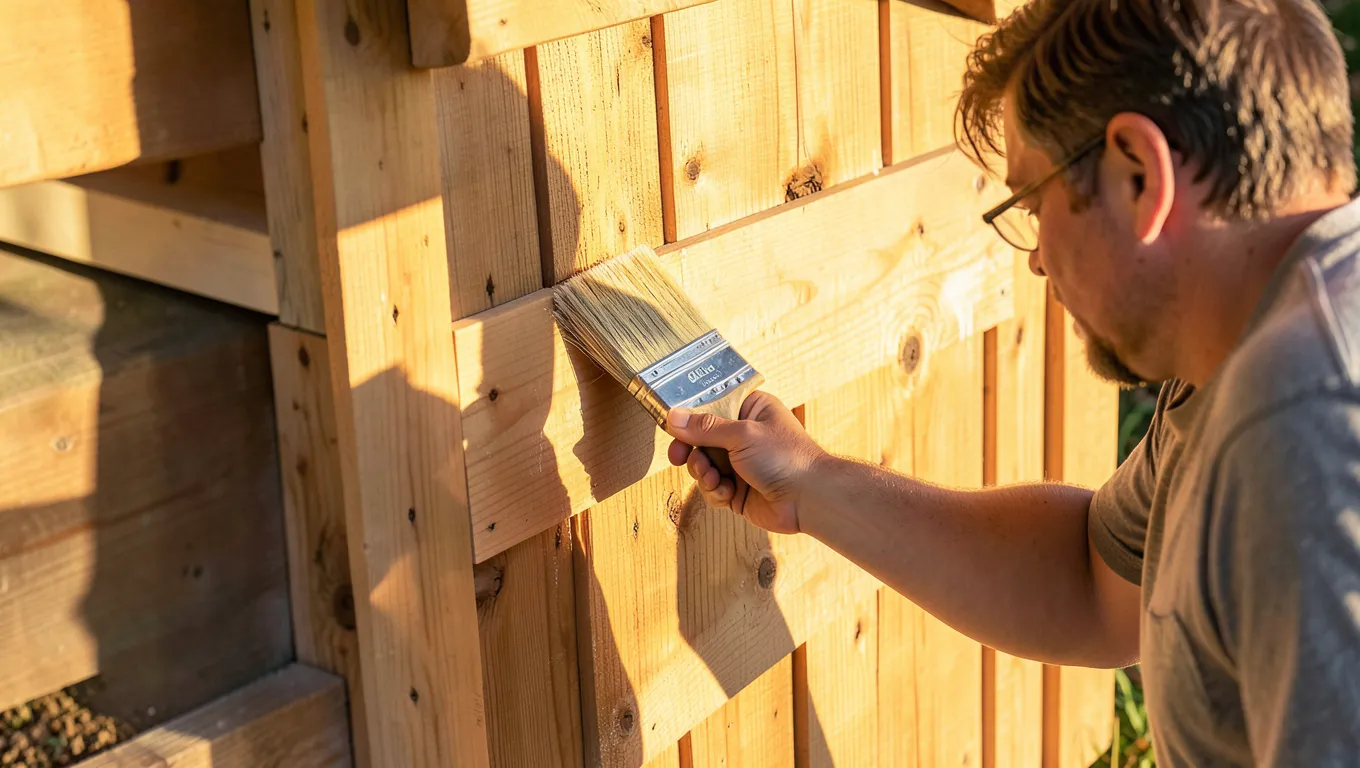
- Apply the stain with a brush, roller, or sprayer, then back-brush it – working the finish into the grain with a brush after spraying or rolling gives better penetration than just laying the product on the surface.
- Work in shade or mild temperatures if possible – direct hot sun causes the finish to flash-dry before it can penetrate evenly, which shows up as visible lap marks once it’s cured.
How Often to Reapply
Vertical siding weathers slower than horizontal surfaces like decks because it sheds water and takes less direct sun exposure at most angles – most oil-based semi-transparent stains on cedar siding hold up for roughly 3-5 years before they need a fresh coat, versus 2-3 years on a deck getting full sun and foot traffic. South and west-facing walls with more direct sun exposure will fade faster than north-facing walls on the same house, so don’t assume the whole house needs recoating on the same schedule.
Common Mistakes
- Using a masonry alkali-resistant primer on wood siding – it’s the wrong product category entirely and won’t address tannin bleed
- Sealing over wood that isn’t fully dry, which traps moisture and causes early peeling or blistering
- Choosing a clear finish with no UV blockers, which won’t slow the natural graying most people are trying to prevent
- Skipping the back-brush step, leaving the stain sitting on the surface instead of worked into the grain
Frequently Asked Questions
How often should you seal cedar siding?
Most oil-based semi-transparent stains on vertical cedar siding last 3-5 years before needing reapplication, though sun-exposed south and west-facing walls will fade faster than shaded sides of the same house.
What is the best sealer for cedar siding?
An oil-based, UV-blocking, semi-transparent penetrating stain is the standard choice – it protects against graying while still letting the wood’s natural tannins migrate and evaporate normally, unlike a heavy surface film.
Can you pressure wash cedar siding before sealing?
Yes, at a low setting (roughly 500-1200 PSI with a wide fan tip) to avoid gouging the soft wood. Let it dry fully – typically 48-72 hours – before applying any stain or sealer.
Do you need a special primer for cedar before painting?
Yes – use an oil-based or shellac-based stain-blocking primer, not a masonry alkali-resistant primer. Cedar’s issue is water-soluble tannins bleeding through paint, which a proper stain-blocking primer is formulated to stop; an alkali-resistant primer addresses a completely different problem found in masonry, not wood.
Conclusion
Cedar’s finishing needs come down to two things: UV protection to stop graying, and tannin management to stop bleed-through. An oil-based, UV-blocking stain handles both if you’re keeping the natural look, and an oil-based stain-blocking primer (not an alkali-resistant one) is what you want before painting. Clean it, let it dry completely, and back-brush the finish into the grain, and cedar siding will hold its color and protection for years between coats.
Sponsored / affiliate links. As an Amazon Associate I earn from qualifying purchases. I may earn additional commission from eligible campaigns.