Does Cedar Rot? Heartwood vs. Sapwood Explained
Cedar doesn’t rot the way most woods do because its heartwood contains natural oils called thujaplicins – compounds that are toxic to the fungi and bacteria that cause decay. That resistance is real but not absolute: cedar can still rot if it stays wet against soil or another surface for years, and only the heartwood (the darker inner wood) has strong protection – the pale outer sapwood rots almost as fast as pine.
Heartwood vs. Sapwood – the Distinction That Matters
Best for Extending Cedar’s Natural Resistance
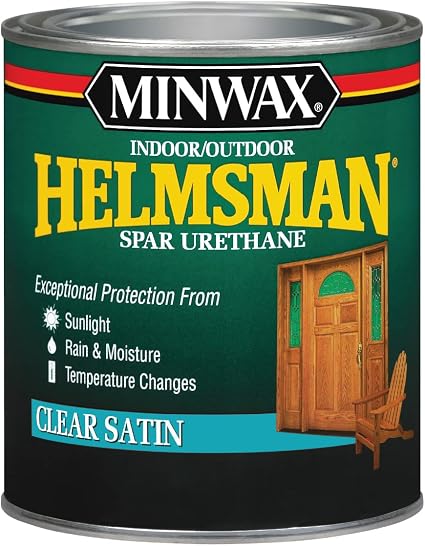 |
Minwax Helmsman Spar Urethane – $23.49 A water-repellent sealer slows the wet/dry cycling that leaches out cedar’s natural rot-resistant oils, directly extending the service life described above.
|
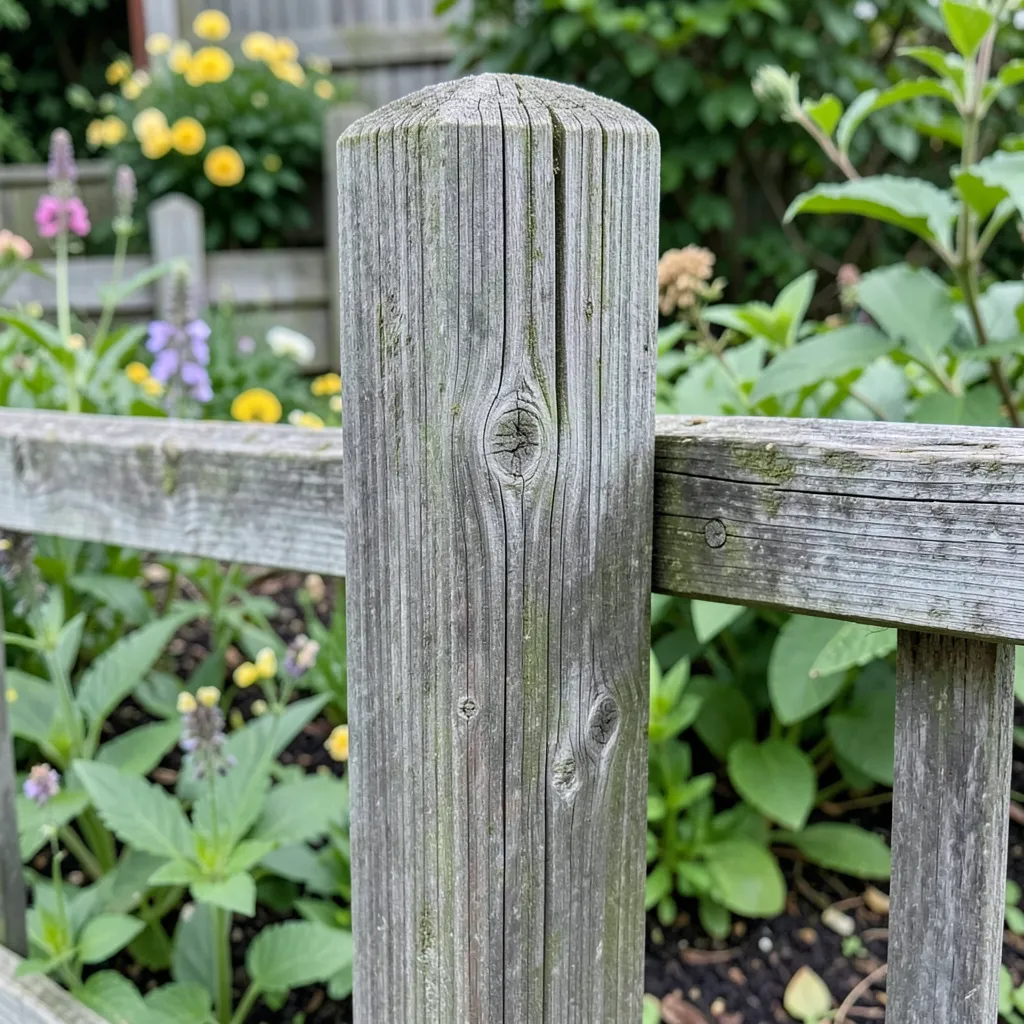
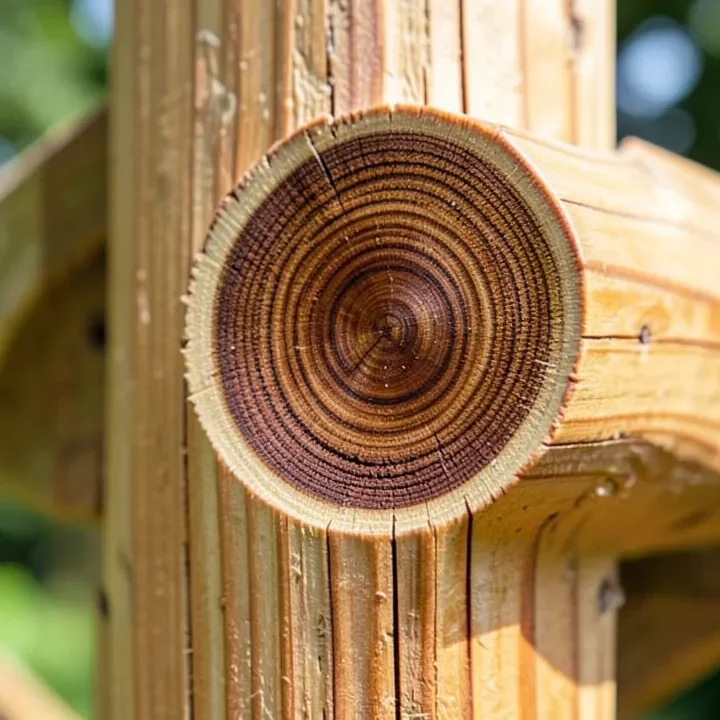
Western red cedar heartwood can resist rot in ground contact for 15-25 years untreated; the sapwood on the same board offers almost no protection. This is why a cedar fence post that rots first at the base, or a board that decays along one lighter-colored edge, is usually failing at the sapwood, not because the “cedar doesn’t rot” claim was wrong. When buying cedar for ground contact or high-moisture use, ask specifically for heartwood-grade material, not just “cedar.”
What Actually Breaks Down Cedar’s Resistance
Thujaplicins leach out of the wood over time, especially in wood that’s repeatedly wetted and dried or exposed to direct ground contact – which is why decades-old cedar decking eventually does rot, even though it outlasts pressure-treated pine in the same spot. Standing water pooling on a horizontal cedar surface (a flat deck board, a planter bottom) accelerates this far more than rain running off a vertical fence board.
Cedar vs. Pressure-Treated Wood for Rot Resistance
Pressure-treated pine is chemically forced to resist rot and generally outlasts untreated cedar heartwood in direct ground contact, but cedar wins on two practical points: it doesn’t need the 2-4 week off-gassing wait pressure-treated wood requires before staining or painting, and it doesn’t contain the copper-based preservatives that make treated-wood sawdust and ash hazardous to handle or burn.
Grading Terms That Signal Heartwood Content
Look for grades like “Architect Clear” or “Select Tight Knot” which specify higher heartwood proportions, versus generic “construction common” grades that mix in more sapwood and lower-grade material. A supplier who can’t explain the heartwood-to-sapwood ratio in a given grade is a sign to ask more questions before buying for a ground-contact or high-moisture application where that distinction actually matters.
Regional Cedar Species Aren’t Identical
Western red cedar and Eastern white cedar both carry the same general rot-resistant reputation, but Western red cedar’s heartwood generally tests more durable in independent lab studies, which is part of why it commands a price premium in most U.S. markets. Aromatic (Eastern) red cedar, often used for closet linings, is a different species again – highly rot-resistant in its own right but typically sold in narrower, knottier boards better suited to lining panels than structural fencing or decking.
Does Cedar Need Any Chemical Treatment?
Unlike pine, cedar is rarely pressure-treated with chemical preservatives, since its natural oils already provide meaningful protection without the added cost and handling concerns (disposal restrictions, required PPE when cutting) that come with chemically treated lumber. This is a real practical advantage for DIY projects – cedar offcuts and sawdust can be composted or burned as ordinary wood waste, unlike pressure-treated lumber, which should never be burned due to its copper-based preservatives.
Cedar’s Insect Resistance Is a Separate Property From Rot Resistance
The same thujaplicin compounds that resist fungal decay also make cedar naturally unappealing to many wood-boring insects and moths, which is why cedar is a traditional choice for closets and chests. This resistance, like the rot resistance, is concentrated in the heartwood and fades as the wood ages and the oils evaporate or leach out – a decades-old cedar chest has typically lost much of its original insect-repelling potency even though the wood itself remains structurally sound.
How to Extend an Existing Cedar Structure’s Life
For an already-built cedar fence or deck showing early wear, a wash with a mild oxygen-bleach cleaner (not chlorine bleach, which can damage the wood fibers) followed by a fresh coat of water-repellent sealer restores much of the surface protection that’s been lost to sun and rain exposure. Doing this every 1-2 years on horizontal surfaces, or every 2-3 years on vertical fencing, meaningfully extends service life beyond what the wood’s fading natural oils alone would provide.
Is “Cedar” Always the Same Genus?
Commercially, “cedar” is used loosely – Western red cedar (Thuja plicata) and Eastern red cedar (Juniperus virginiana) are both marketed as cedar despite being different genera entirely, with Eastern red cedar actually being a juniper. Both share the general rot-resistant reputation this guide describes, but their exact oil content, color, and grain differ enough that a project matching an existing cedar structure should confirm which specific species is being used, not just the word “cedar” on a lumber tag.
Cedar’s Reputation vs. Marketing Claims
Some lumber marketing implies cedar is essentially maintenance-free and permanently rot-proof, a claim this guide’s own facts contradict – real rot resistance is a matter of degree and grade, not an absolute guarantee, and buyers should treat “naturally rot-resistant” as a genuine, valuable property rather than a promise that no maintenance will ever be needed.
Frequently Asked Questions
Does cedar rot in the ground?
Eventually, yes. Untreated cedar heartwood can last 15-25 years in ground contact, but it isn’t rot-proof – it’s rot-resistant.
Why does part of my cedar fence look rotted if cedar resists rot?
That section is likely sapwood, not heartwood. Only cedar’s heartwood carries the natural oils that resist decay – sapwood rots at close to the same rate as ordinary softwood.
Does sealing cedar make it last longer?
Yes. A water-repellent sealer slows the wet/dry cycling that leaches out cedar’s natural rot-resistant oils, extending its service life beyond what untreated cedar achieves alone.
Sponsored / affiliate links. As an Amazon Associate I earn from qualifying purchases. I may earn additional commission from eligible campaigns.