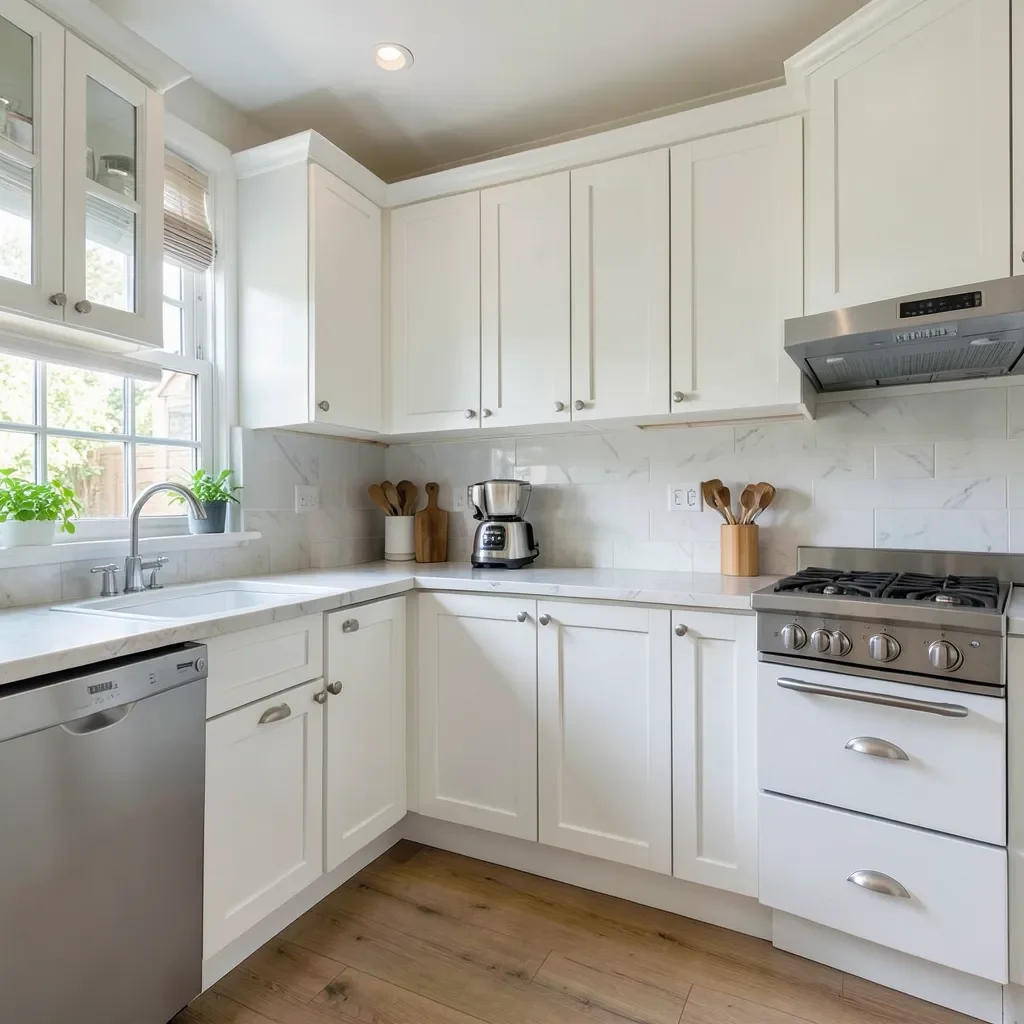
How to Protect Painted Cabinets From Chips and Wear
A clear protective topcoat over painted cabinets is the single most effective way to prevent the chipping and wear that happens at high-contact points – door edges, handle areas, and cabinet corners – since paint alone, even a durable enamel, isn’t as abrasion-resistant as paint sealed under a clear finish.
Letting Paint Cure Fully Before Heavy Use
Best Non-Yellowing Topcoat for Painted Cabinets
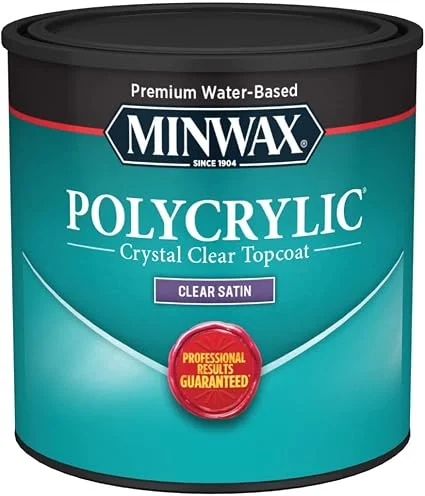 |
Minwax Polycrylic Protective Finish, Clear Satin – $11.79 This is the exact water-based, non-yellowing topcoat type this guide recommends for sealing painted cabinets without warming light or white paint colors.
|
Painted cabinets often feel dry to the touch within a day but can take 2-4 weeks to fully cure to their maximum hardness – closing doors firmly, stacking dishes against painted shelves, or heavy daily use during that cure window is a common cause of soft dents and marks that wouldn’t happen once the paint has fully hardened. Treat the first month gently even if the surface feels dry.
Adding a Clear Topcoat
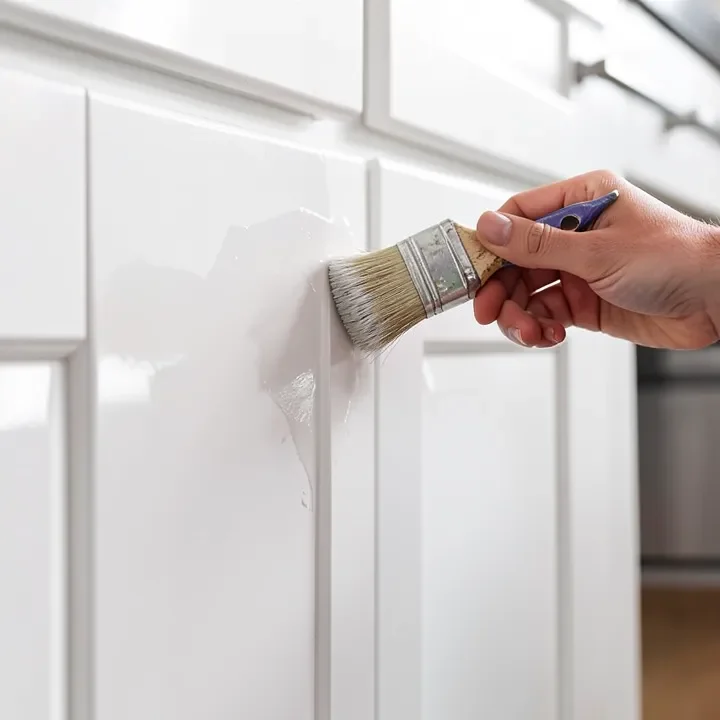
A water-based polyurethane or polycrylic topcoat applied over fully cured paint adds real abrasion resistance without yellowing light-colored paint the way an oil-based topcoat can. Apply it in thin, even coats with a high-quality synthetic brush or a foam roller made for smooth finishes, since a thick or uneven topcoat is more visually obvious on a painted (versus stained) surface where any brush marks show clearly against the flat color.
Protecting High-Contact Points
Self-adhesive felt or rubber bumper pads at the top corners of cabinet doors prevent the paint-on-paint chipping that happens every time a door closes against its frame – a cheap, nearly invisible fix for one of the most common wear points on painted cabinetry. Soft-close hinges serve the same protective purpose while also eliminating slamming altogether.
Cleaning Products That Damage Paint
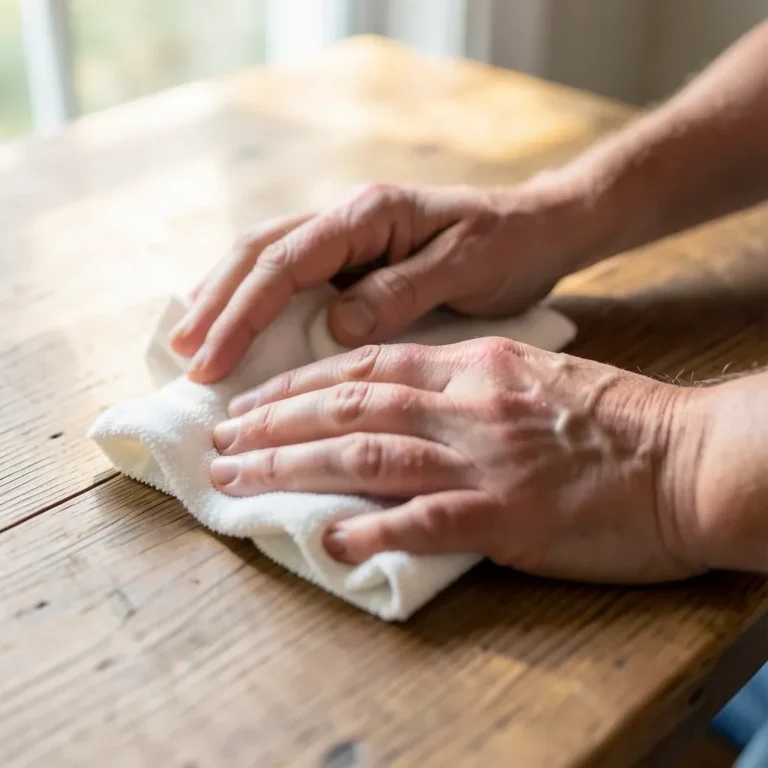
Abrasive cleaners, scouring pads, and anything containing bleach or ammonia can dull, discolor, or soften cured cabinet paint over repeated use – a soft microfiber cloth with a mild dish soap solution handles routine grease and grime without the risk. Avoid magic-eraser-style melamine sponges too, since their mild abrasive action is enough to visibly dull a painted sheen over time.
Touching Up Chips Before They Spread
A small chip left unaddressed lets moisture and daily wear work at the exposed wood or primer underneath, often growing into a larger area of paint loss over time – keeping leftover matching paint on hand for small touch-ups, done as soon as damage is noticed, prevents a minor chip from becoming a visible repair job later.
Frequently Asked Questions
Should you put a clear coat over painted cabinets?
Yes – a water-based polyurethane or polycrylic topcoat over fully cured paint adds real abrasion resistance at high-contact points without yellowing light colors.
How long does painted cabinet finish take to fully cure?
2-4 weeks to reach full hardness, even though it may feel dry to the touch within a day – treat cabinets gently during this window to avoid soft dents.
What cleaning products should you avoid on painted cabinets?
Abrasive cleaners, scouring pads, bleach, ammonia, and melamine “magic eraser” sponges can all dull or damage cured cabinet paint over repeated use.
Sponsored / affiliate links. As an Amazon Associate I earn from qualifying purchases. I may earn additional commission from eligible campaigns.